


Blue White Pottery Urn
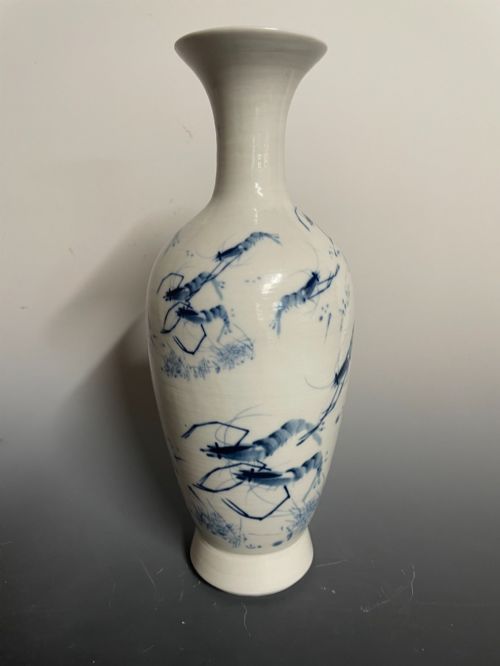
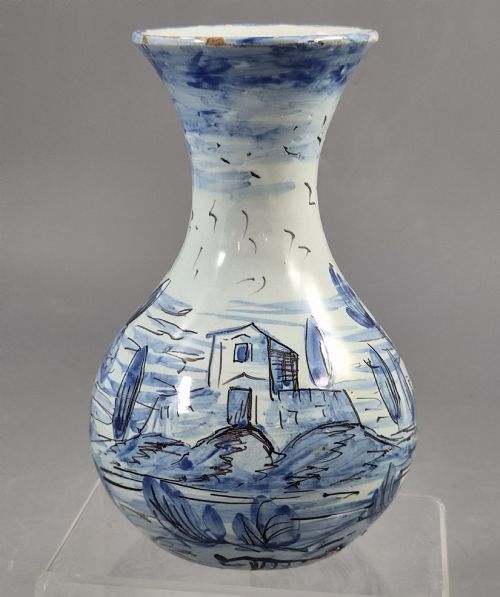
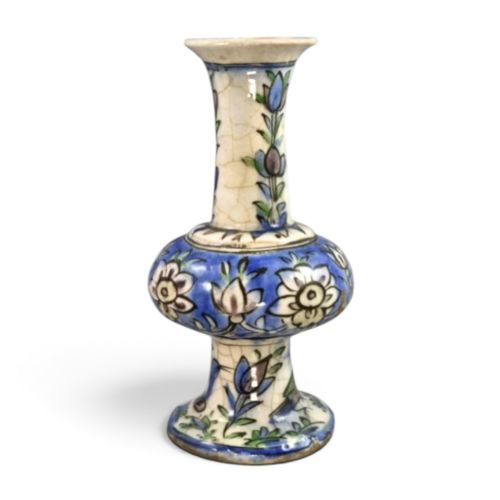
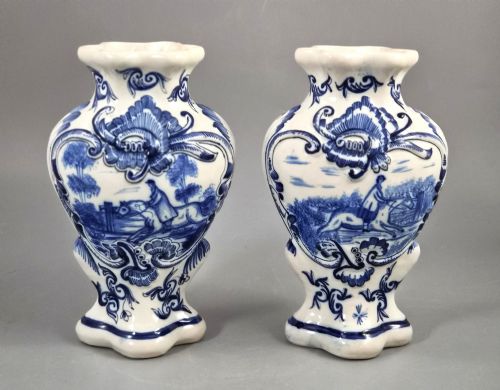
A blue white pottery urn brings centuries of ceramic tradition into a room, offering striking contrast and classical form.
Blue White Pottery Urn
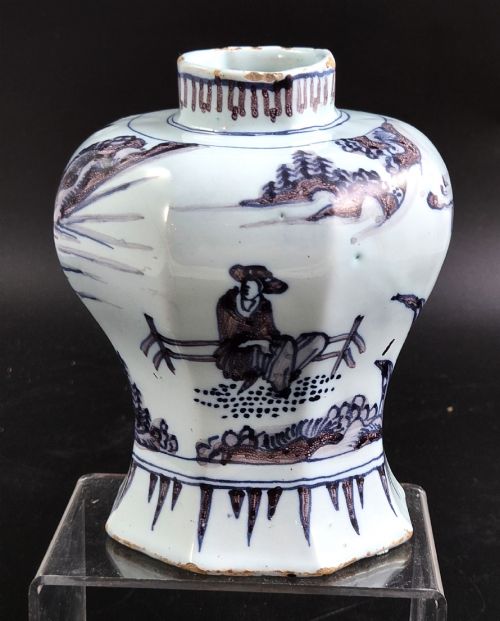
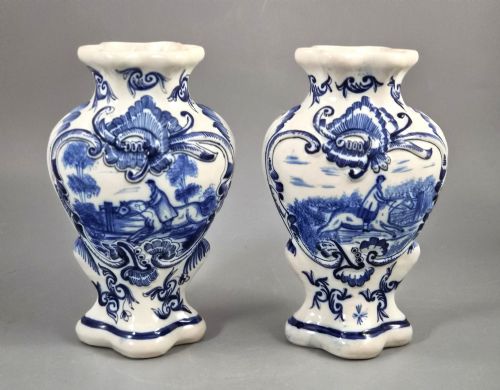
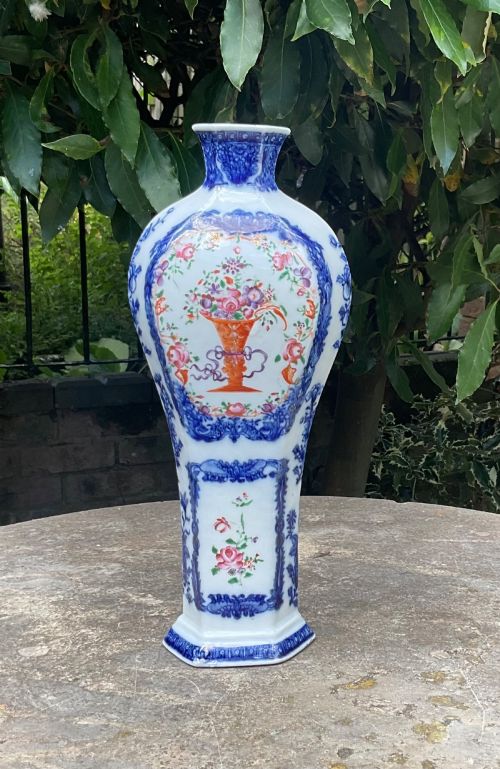
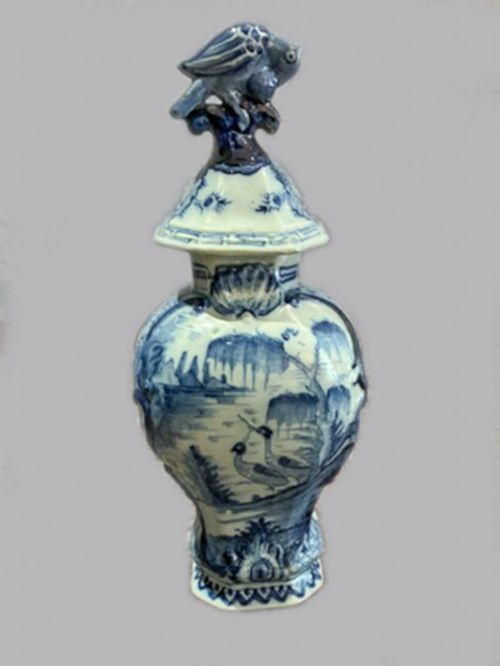
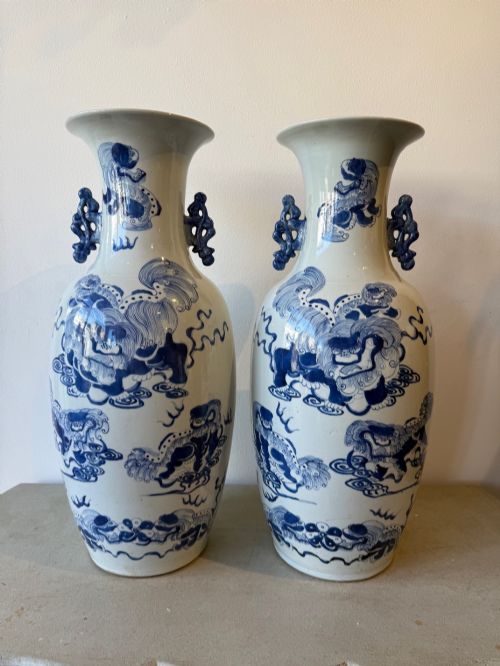
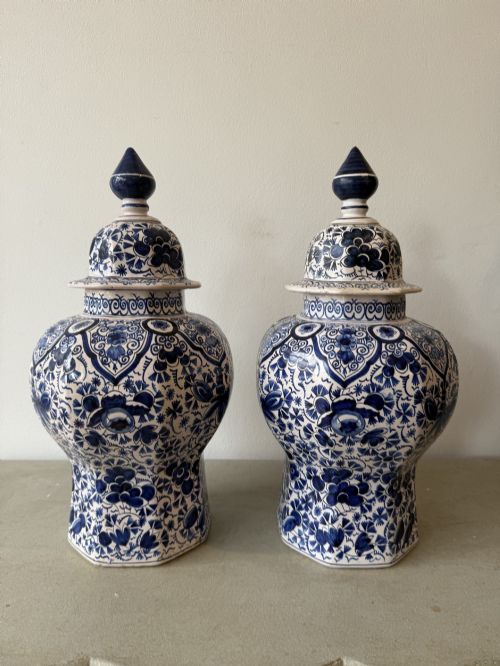
When searching for a blue white pottery urn, a buyer encounters a diverse range of vessels spanning several centuries and origins. The selection on this page frequently includes Dutch Delftware from the seventeenth and eighteenth centuries, alongside Chinese porcelain and nineteenth-century French faience.
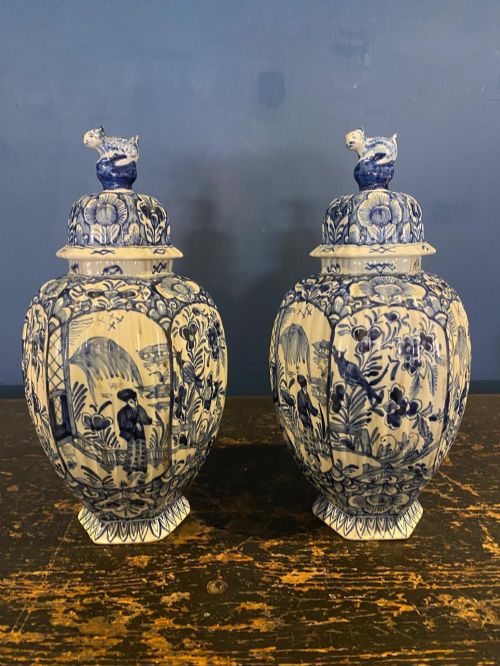
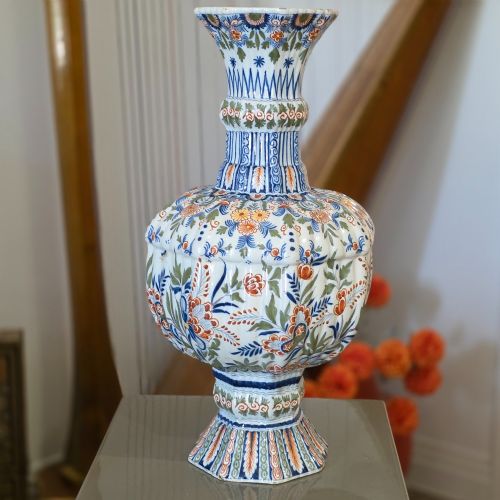
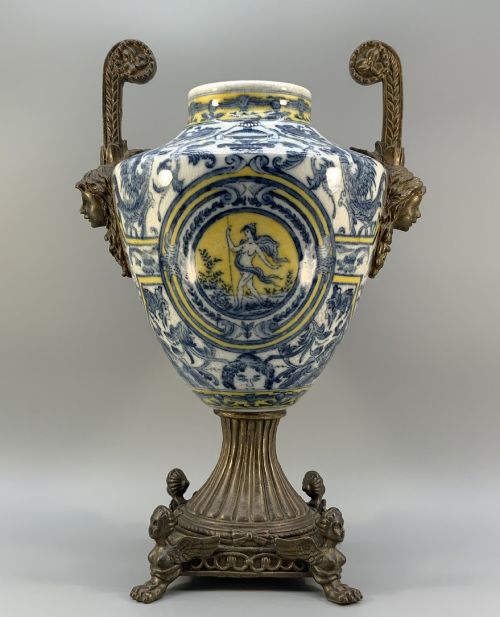
Forms vary from lidded baluster jars and beaker vases to large decorative urns fitted with handles or mounted in bronze. Many pieces display traditional botanical or avian motifs rendered in cobalt pigment upon a white ceramic body.
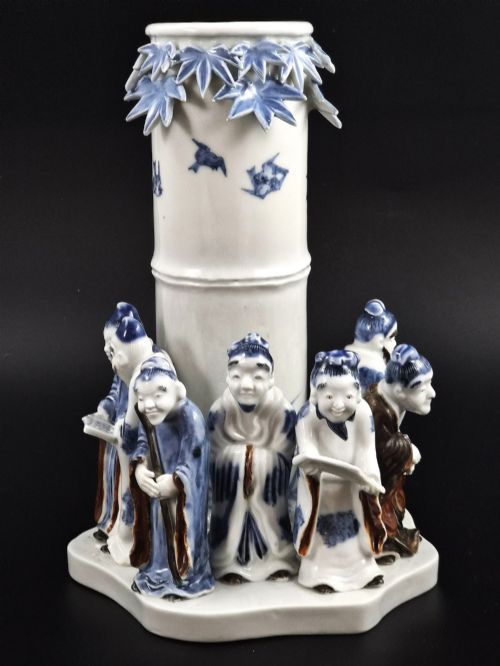
European potters often imitated Asian export wares, creating Dutch Baroque and French Rococo Revival interpretations that sit alongside genuine Chinese and Japanese ceramics. The buyer meets both utilitarian lidded jars and purely decorative cabinet pieces across multiple periods.
Materials and Techniques
Potters shaped these vessels using earthenware, porcelain, and tin-glazed ceramics, applying cobalt oxide pigments directly onto the unfired body or tin glaze. Tin-glazed earthenware, characteristic of Delftware and French faience, required an opaque white enamel coating that provided a smooth canvas for hand-painted blue decoration.
Chinese and Japanese works utilise hard-paste porcelain or fine ceramic bodies fired at high temperatures to achieve vitrification. Kiln conditions and cobalt purity dictated the exact shade of blue, ranging from soft grey-blue to deep, vibrant indigo.
Listings feature ceramics spanning from the seventeenth century through to the mid-twentieth century, encompassing earthenware, porcelain, and tin-glazed bodies.
Distinguishing Quality
Quality in these vessels rests upon the crispness of the hand-painted brushwork and the harmony of the glaze. Superior examples display confident, fluid cobalt application with deep tonal variation, whereas lesser pieces exhibit rigid or blurred motifs.
The integrity of the ceramic body and the retention of original lids significantly influence desirability. Pieces retaining matching covers and unblemished glaze surfaces represent the upper echelon of surviving domestic and export pottery.
Cantagalli·Fourmaintraux-Courquin·Makuzu Kozan·Staffordshire Adams·Moorcroft Macintyre
The Blue White Pottery Urn Glossary
- Baluster
- A vase form with a rounded body that tapers toward the base and swells near the centre, resembling an architectural baluster. This shape provides stability and ample surface area for painted decoration.
- Tin Glaze
- A lead glaze rendered opaque by the addition of tin oxide, creating a milky white surface suitable for painting. It forms the defining characteristic of European faience and delftware.
- Chinoiserie
- European artistic imitation and interpretation of Chinese and East Asian artistic traditions. Artisans applied these imaginative motifs extensively on seventeenth and eighteenth-century Dutch pottery.
- Imari
- A type of Japanese porcelain decorated in underglaze blue and overglaze iron red, gold, and other colours. Exported widely to Europe, it heavily influenced Western ceramic design.
- Faience
- European tin-glazed earthenware produced primarily in France, Italy, and other continental regions. Potters utilised this technique to replicate the appearance of imported Asian porcelain.
Blue White Pottery Urn: Frequently Asked Questions
How were these urns used historically?
These vessels served primarily as ornamental display pieces in affluent homes, often positioned on mantelpieces or cabinets to showcase the owner's taste. Some lidded jars functioned domestically for storing dry goods or potpourri.
Over time, many larger jars and vases transitioned into purely decorative focal points. In later centuries, certain examples were adapted as table lamps while retaining their historic ceramic bodies.
How do I care for antique pottery?
Keep ceramic urns away from direct sunlight and fluctuating temperatures to protect the historic glaze and any applied pigments. Dust them gently with a dry, soft cloth rather than using liquid cleaners.
Avoid immersing historic pottery in water, particularly pieces with tin glazes or restored sections. Handle them firmly by the body rather than relying on historical handles or delicate rims.
How can I tell Dutch Delft from Chinese export?
Examine the weight, paste, and foot rim of the vessel to determine its geographic origin. Dutch Delft typically utilises a softer earthenware body beneath a tin glaze, whereas Chinese pieces employ a denser porcelain paste.
Brushwork styles and floral motifs also differ distinctly between European interpretations and traditional Qing dynasty porcelain. Cobalt tones on export porcelain often appear brighter beneath a clear glaze rather than a chalky white enamel.
Does a missing lid reduce value?
Lidded jars and urns achieve higher desirability when they retain their original matching covers. Finding a period-correct replacement remains exceptionally difficult due to kiln shrinkage and individual hand-fitting.
Many pieces survive successfully as open vases or decorative jars without their lids. Collectors still appreciate the form and painted decoration even when the original cover has long since vanished.