

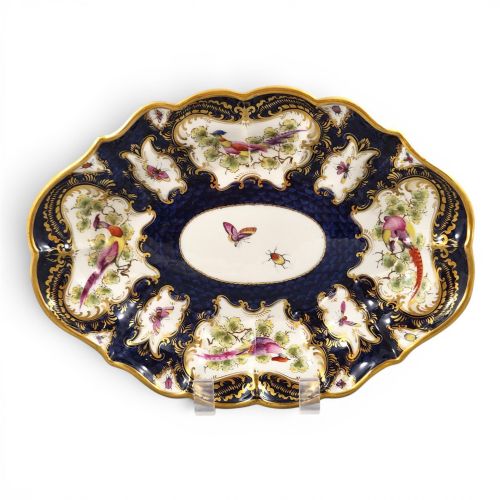


Blue White Porcelain Tray
A blue white porcelain tray brings crisp cobalt painting and enduring ceramic utility to any tabletop, combining historical charm with everyday practicality.
Blue White Porcelain Tray
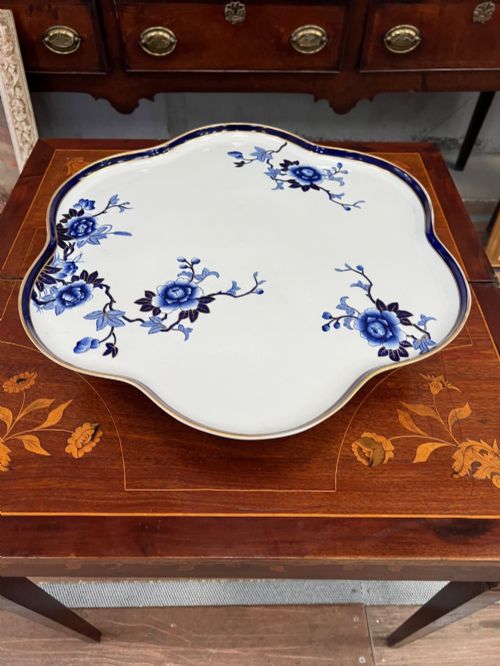
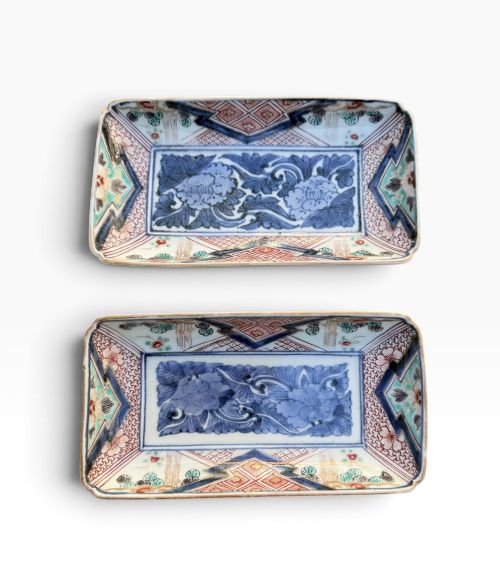
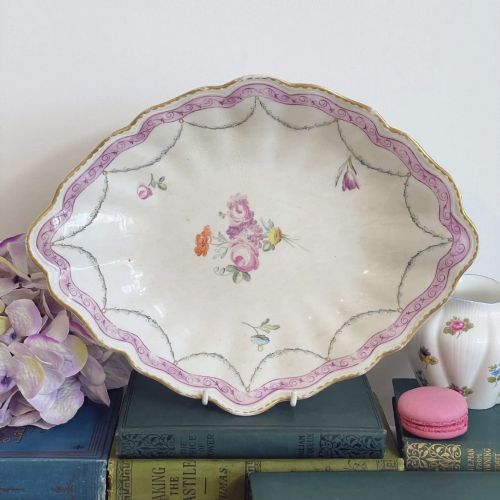
When you search for a blue white porcelain tray, you encounter small pickle dishes, serving platters, and spoon trays spanning the eighteenth and nineteenth centuries. These pieces cross various cultural traditions, including English factories, Dutch Delft workshops, and Chinese Export production.
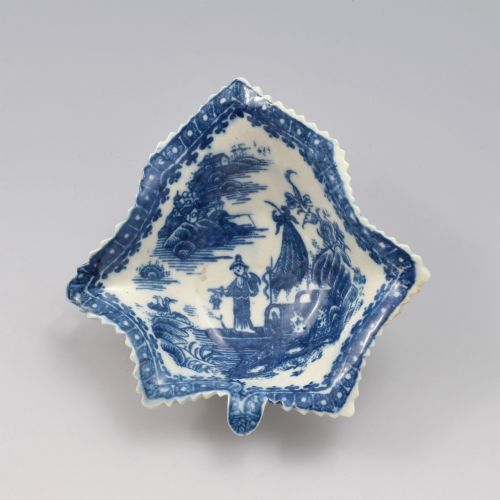
The most common examples on this page are eighteenth-century English leaf-shaped pickle dishes and larger nineteenth-century serving platters. Makers such as Caughley, Worcester, and Minton dominate the early domestic offerings, alongside imports from China and Japan.
Forms range from scallop shells and leaf moulds to oval serving dishes and small spoon trays. Buyers select these items for their decorative utility and historical ceramic interest.
Materials and construction
Makers utilised hard-paste porcelain, soft-paste porcelain, earthenware, and pearlware, shaped by hand or moulded into botanical forms like leaves and shells. Cobalt blue pigment applied under the glaze creates the characteristic cobalt decoration.
Some pieces incorporate enamel highlights, gold leaf, and gilding over the fired ceramic body. Brass stands and mounts occasionally support the ceramic inkwells and trays.
Kiln firing at high temperatures fused the cobalt pigment beneath a transparent glaze, producing a durable surface that resists wear over centuries.
Blue White Porcelain Tray Retail Price Guide 2026
Typical asking prices for blue white porcelain tray among the pieces listed under this phrase on Sellingantiques today, from the lower quarter to the upper quarter. They describe what is for sale here now, not the wider market.
Listings feature porcelain, earthenware, and soft-paste ceramic bodies spanning the eighteenth and nineteenth centuries, including Dutch Delft and Chinese Export origins.
Assessing quality and execution
The crispness of the cobalt painting distinguishes finer examples from simpler production, with delicate brushwork showing superior hand-painting skill. Depth of glaze and smoothness in the ceramic body indicate careful formulation of soft-paste or hard-paste materials.
Forming precision also sets superior trays apart, particularly in moulded leaf and shell shapes where sharp veining and clean edges demonstrate high craftsmanship. Intricate patterns like Chinese Export designs or blue scale borders demand advanced technical control in the kiln.
Caughley Porcelain·Royal Worcester·Minton·Liverpool Pennington·Mason’s Ironstone·Sevres
The Blue White Porcelain Tray Glossary
- Pickle dish
- A small, often leaf-or-shell-shaped container used at dining tables for pickles or relishes. These items represent some of the earliest porcelain forms produced in English factories.
- Soft-paste porcelain
- An artificial ceramic composition fired at lower temperatures than true hard-paste porcelain. It produces a warm, slightly translucent body popular in eighteenth-century English manufactories.
- Pearlware
- An earthenware body developed in the late eighteenth century with a bluish glaze that masked the natural yellowish tint of the clay. It served as a popular substitute for porcelain.
- Blue scale
- A dark blue patterned ground applied in a scale-like motif, commonly associated with eighteenth-century Worcester porcelain. This intricate technique required meticulous hand application.
- Imari
- A style of Japanese export ceramics featuring underglaze blue combined with iron red and gilt highlights. The aesthetic influenced European potteries throughout the nineteenth century.
Blue White Porcelain Tray: Frequently Asked Questions
How were these trays originally used?
These items served functional roles at the dining table, holding pickles, sweetmeats, or tea spoons. Larger variants operated as serving platters or inkstands for the desk.
Over time, their decorative qualities surpassed their utilitarian purposes, leading owners to display them on walls or cabinets.
How do I care for antique porcelain?
Wash porcelain gently by hand using lukewarm water and mild soap, avoiding harsh scrubbing or dishwashers. Protect gilded and enameled surfaces from abrasive materials.
Display the pieces away from areas prone to sudden temperature changes or heavy traffic where they might be knocked.
How do I distinguish eighteenth-century pieces?
Examine the paste and glaze closely for the characteristic warmth and slight imperfections of early soft-paste porcelain. Hand-painted underglaze blue decoration often shows subtle variations in tone.
Reference factory marks where present, though many early eighteenth-century items rely on body characteristics and pattern styles for dating.
What defines Aesthetic Movement ceramics?
Aesthetic Movement pieces emphasise visual harmony and artistic design, often incorporating Japanese influences and natural motifs. They frequently pair ceramic trays with brass or metal stands.
This late nineteenth-century style values craftsmanship and decorative appeal over rigid historical revivalism.