





Blue White Fruit Bowl
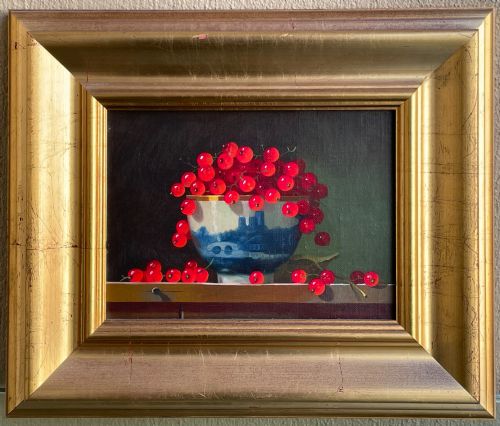
A blue white fruit bowl brings lasting colour to a table, uniting domestic utility with centuries of painterly design.
Blue White Fruit Bowl
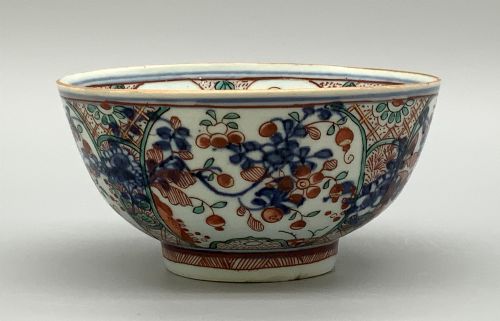
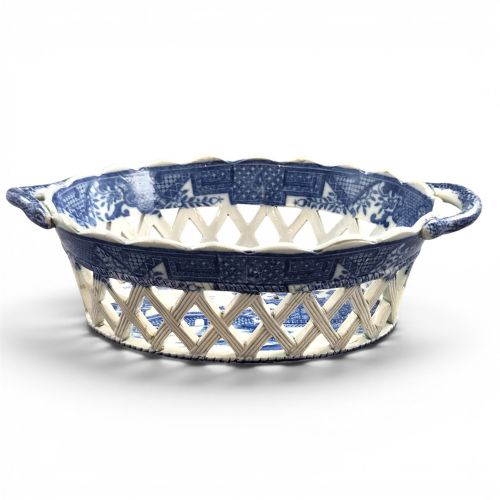
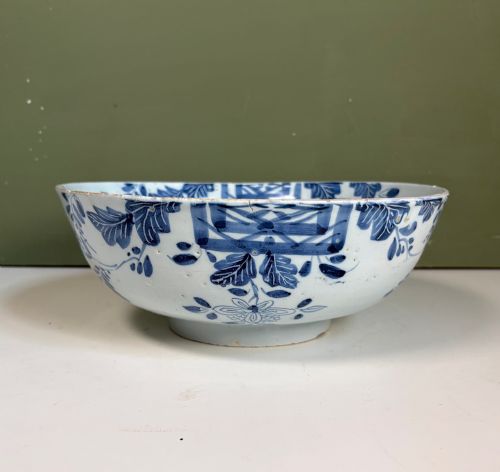
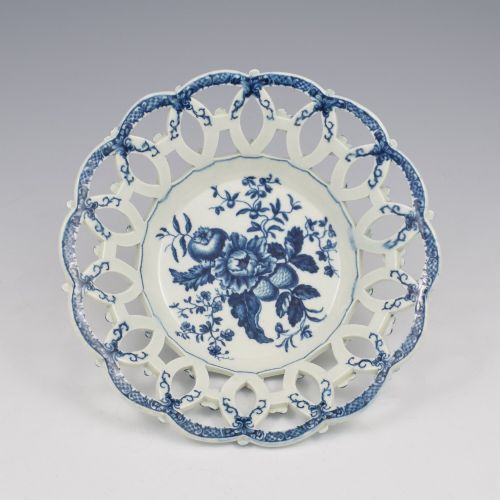
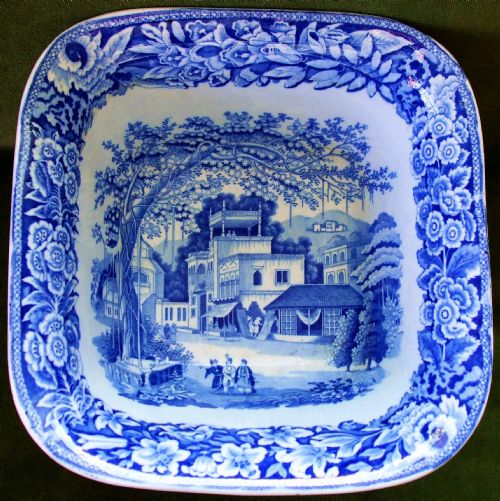
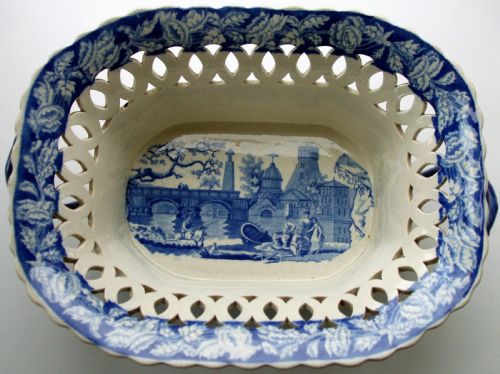
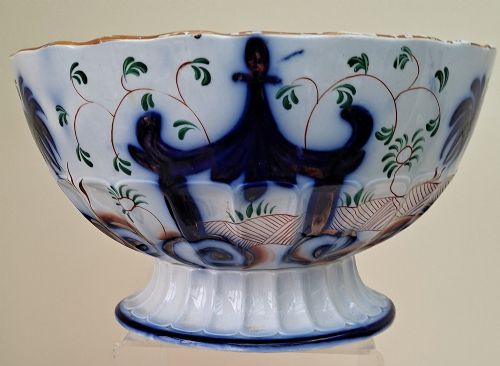
A blue white fruit bowl takes many forms across the centuries, appearing as footed bowls, deep punch bowls, and pierced chestnut baskets designed to hold autumn gatherings.
The pieces on this page span the eighteenth and nineteenth centuries alongside later examples, reflecting shifts from early Delftware and Chinese export porcelain to English pearlware and ironstone.
Collectors frequently encounter round or scalloped vessels bearing transfer-printed river scenes, Pagoda patterns, and intricate botanical motifs derived from Chinese Kangxi and Japanese Imari traditions.
Materials and methods
Potters shaped these vessels from earthenware, porcelain, and ironstone, applying cobalt underglaze or transfer printing before firing the clay to a hard finish.
Basket and punch bowl forms often involved reticulation or pierced openwork edges, requiring careful hand-cutting of the damp clay prior to glazing.
Blue White Fruit Bowl Retail Price Guide 2026
Typical asking prices for blue white fruit bowl among the pieces listed under this phrase on Sellingantiques today, from the lower quarter to the upper quarter. They describe what is for sale here now, not the wider market.
Listings feature vessels spanning the eighteenth, nineteenth, and twentieth centuries, produced in materials ranging from delicate porcelain to robust ironstone and earthenware.
Evaluating quality and execution
Quality rests upon the crispness of the transfer print or the hand-painted brushwork, where deep cobalt tones and precise lines distinguish finer pieces from softer prints.
The sophistication of the form itself separates standard domestic ware from ambitious moulded ironstone and reticulated porcelain baskets featuring intricate handles and stands.
J. & R. Clews·J. & R. Riley·Ridgway·Doulton Burslem·Mason·Samson·Sevres
The Blue White Fruit Bowl Glossary
- Chestnut basket
- A pierced ceramic vessel with matching undertray, traditionally used for serving chestnuts or autumn fruit at the dining table. These pieces often feature woven lattice walls.
- Transfer printing
- A mechanical decoration technique developed in the eighteenth century where an engraved copper plate transfers a design onto tissue paper and then onto the pottery body.
- Pearlware
- A refined earthenware developed by English potters featuring a pale bluish glaze that pooled in crevices to mimic the appearance of Chinese export porcelain.
- Imari
- A style of Japanese export porcelain characterised by underglaze blue combined with iron red and gilt decoration. The style proved immensely popular in European interiors.
- Reticulation
- An openwork pattern of intersecting bands or geometric holes cut into the clay before glazing. This technique demanded great skill from the potter to prevent warping during firing.
Blue White Fruit Bowl: Frequently Asked Questions
How do I date an antique blue white fruit bowl?
Dating relies upon examining the ceramic body, glaze characteristics, and potting marks underneath the base. Pearlware and early transfer-printed earthenware typically point to the Georgian era, while later Victorian pieces display heavier bodies and brighter blue pigments.
Maker marks and stylistic motifs, such as Chinese Kangxi influences or Japanese Imari palettes, help narrow the decade of manufacture when combined with physical inspection of the glaze.
Can I use these bowls for serving fruit daily?
Most antique ceramic bowls remain sturdy enough for holding fresh fruit on a dining table or sideboard. However, eighteenth-century soft-paste porcelain and delicate reticulated baskets require gentle handling to avoid chips.
Hand washing with mild soap is recommended for older earthenware and pearlware to protect the historic glaze from harsh detergents and modern dishwasher heat.
What is the difference between porcelain and ironstone?
Porcelain is a vitrified ceramic fired at high temperatures, resulting in a dense, white body that often transmits light when held near a source of illumination. It was favoured for fine export wares and decorative table services.
Ironstone is a heavy, durable earthenware patent-invented in the nineteenth century to provide a tougher alternative to porcelain while maintaining a smooth white surface suitable for blue and white transfer prints.
Why do some bowls feature pierced openwork?
Pierced or reticulated walls allowed air to circulate around perishable items like chestnuts or fresh fruit during grand dining service. These intricate lattice designs also showcased the potter's skill in manipulating damp clay.
Such vessels almost invariably include an undertray or stand to catch stray moisture or fragments, completing the formal tabletop arrangement.