



Blue Water Watercolour
Blue water watercolour paintings capture maritime scenes and botanical studies on paper, offering collectors a delicate record of light and pigment.
Blue Water Watercolour
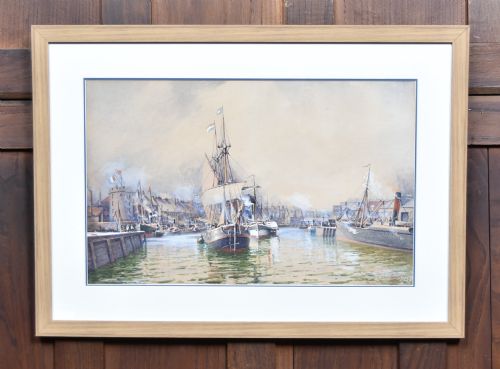
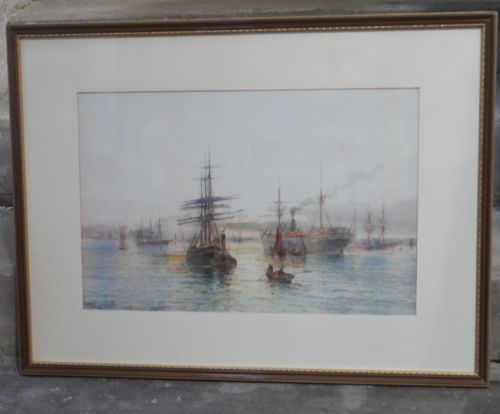
When you search for blue water watercolour, you encounter a diverse selection of original works spanning the nineteenth and twentieth centuries. These pieces encompass marine art, landscapes featuring rivers and canals, and still life studies involving blue vases and flowers.
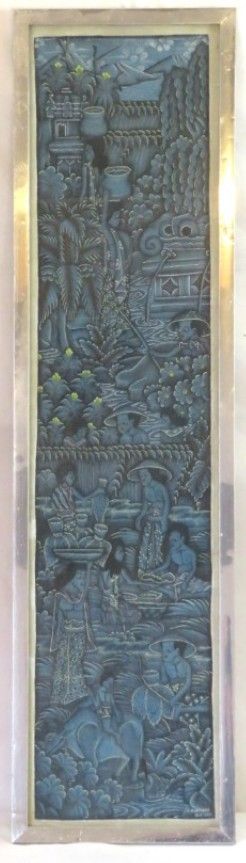
The selections on this page range from early Victorian portraits and maritime scenes to Edwardian landscapes and interwar realism. You will find both British views, such as Dublin Bay and the River Humber, and international subjects including Venice and Balinese scenes.
Works on paper predominate, though some examples employ fabric or incorporate watercolour pigment alongside glass and wooden frames. The makers represented include established nineteenth and twentieth century artists alongside regional British painters.
Materials and construction
These works rely primarily on watercolour pigment applied to paper, though occasional examples utilise fabric supports. Pigments are mixed with water to achieve varying levels of opacity and transparency, capturing the movement of water and the softness of floral subjects.
Framing materials commonly include wood, gilded wood, and ebonised frames, frequently protected by glass to preserve the delicate pigment surface. The physical structure of each piece reflects the framing conventions of its respective period, from heavy Victorian moulding to simpler twentieth century profiles.
Blue Water Watercolour Retail Price Guide 2026
Typical asking prices for blue water watercolour among the pieces listed under this phrase on Sellingantiques today, from the lower quarter to the upper quarter. They describe what is for sale here now, not the wider market.
The materials recorded in these listings include paper, watercolour pigment, glass, wood, gilded wood, fabric, and metal.
Variations in quality
Quality in these watercolours depends upon the precision of the brushwork and the artist's command of light, particularly when rendering reflective surfaces like water or glass. Stronger pieces demonstrate confident handling of pigment and balanced composition rather than mechanical execution.
The condition of the paper and the preservation of the original pigments also distinguish finer examples. Works that retain their initial vibrancy without heavy fading or excessive foxing represent the upper tier of surviving pieces.
William Frederick Settle·Arthur Reginald Smith·Edith E Caswall·William Knox·Frederick William Booty·Carleton Grant·Tom Dudley·Yves Brayer·Edward Aubrey Hunt·Olive Higginbottom·Ernest Forbes·Nelson Dawson·Lewis Baumer
The Blue Water Watercolour Glossary
- Watercolour
- A painting method in which the paints are made of pigments suspended in a water-based solution. This technique allows for translucent washes and delicate tonal gradations.
- Foxing
- Brown spots or patches that commonly appear on older paper due to chemical reactions over time. It is a frequent characteristic of antique works on paper.
- Ebonised frame
- Wood that has been treated to resemble ebony, providing a dark, uniform finish. This framing style was popular for nineteenth century portraits and miniatures.
- Provenance
- The documented history of ownership of an artwork. A clear record helps establish authenticity and origin.
Blue Water Watercolour: Frequently Asked Questions
How should I display a vintage watercolour?
Watercolours are sensitive to light and should be hung away from direct sunlight to prevent the pigments from fading. Framing with conservation grade glass offers additional protection against ultraviolet rays.
Maintaining stable indoor humidity levels also helps protect the paper support from warping or developing foxing over time.
What subjects appear in these paintings?
The subjects range widely across marine and botanical themes. You will find coastal shipping scenes, canal views, and landscape vistas alongside still life compositions featuring blue flowers and vases.
Portrait miniatures and interior studies also feature within the selections, reflecting the diverse applications of the medium across different decades.
How do I date an antique watercolour?
Dating relies upon stylistic clues, framing materials, and any signatures or inscriptions on the paper. Victorian works often feature heavier frames and detailed maritime subjects, while later twentieth century pieces show shifts towards realism or modernist compositions.
Explanatory notes from dealers or historical exhibition labels on the reverse can also provide a clear indication of the period.
Are these works original?
The listings consist of original hand-painted works rather than modern reproductions. Each piece displays the distinct brushstrokes and pigment textures characteristic of unique artistic creation.
Signatures, artist monographs, and period paper stock further support the authenticity of individual pieces.