



Blue Wall Tapestry
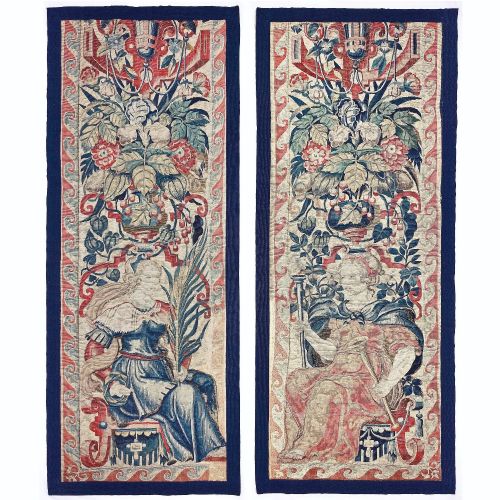
A blue wall tapestry brings centuries of textile artistry indoors, offering deep indigo tones and historical narrative scenes that anchor a room.
Blue Wall Tapestry
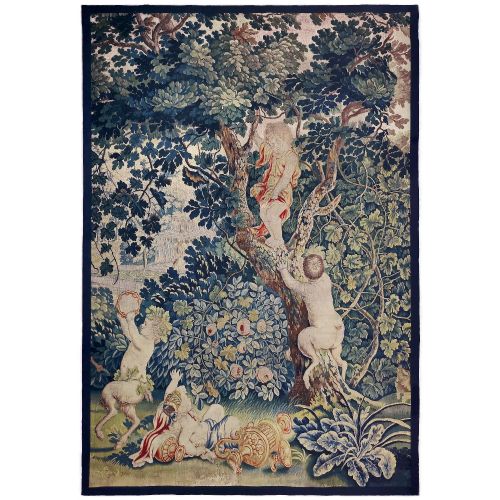
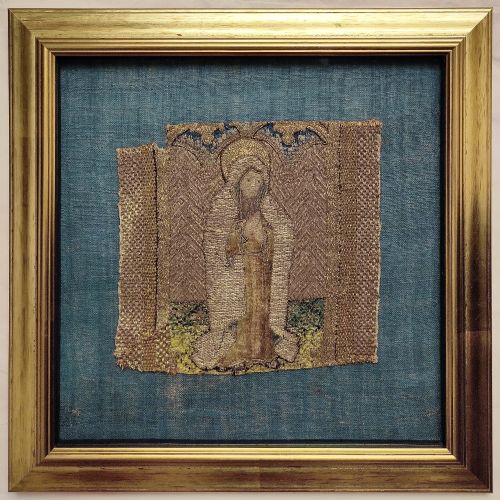
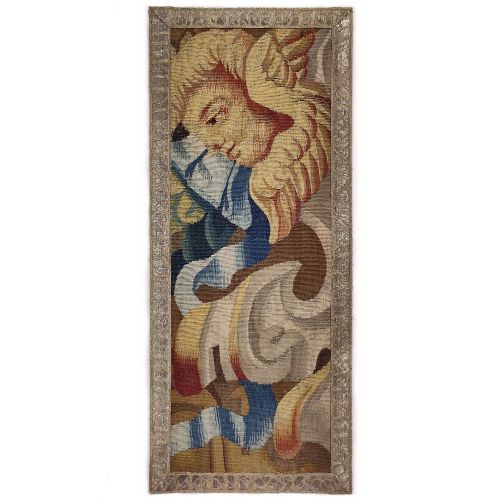
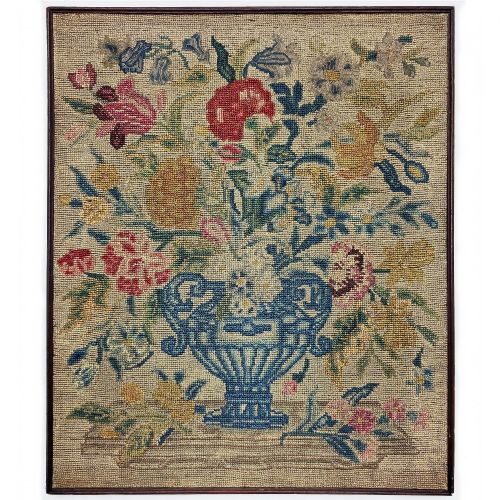
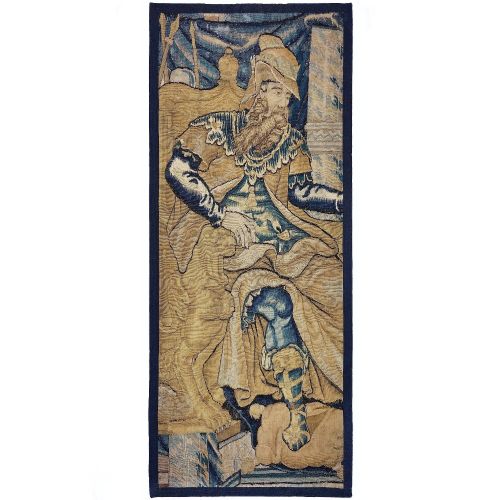
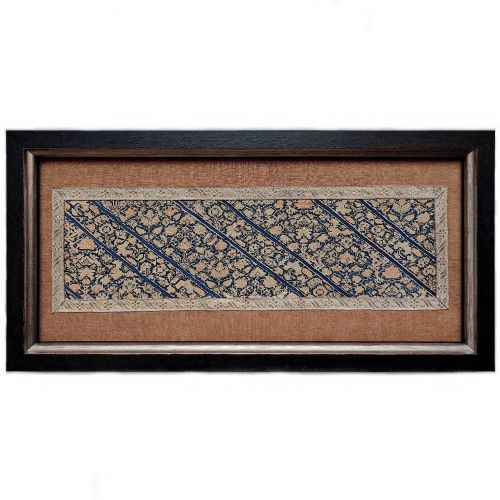
A blue wall tapestry encompasses large woven panels, framed textile art, and historic fragments originating from workshops across Europe and Asia. When searching for a blue wall tapestry, buyers encounter seventeenth-century Flemish verdure designs, French Aubusson compositions, and intricate eastern embroideries.
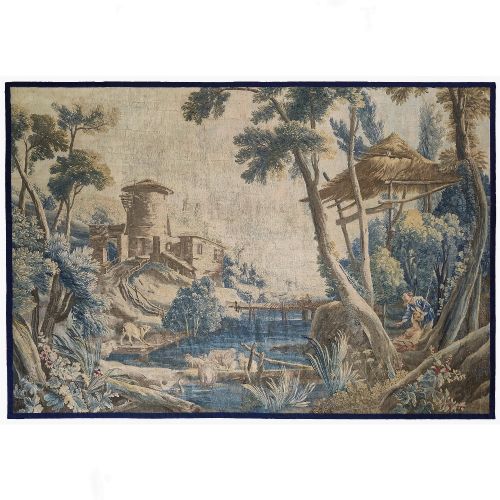
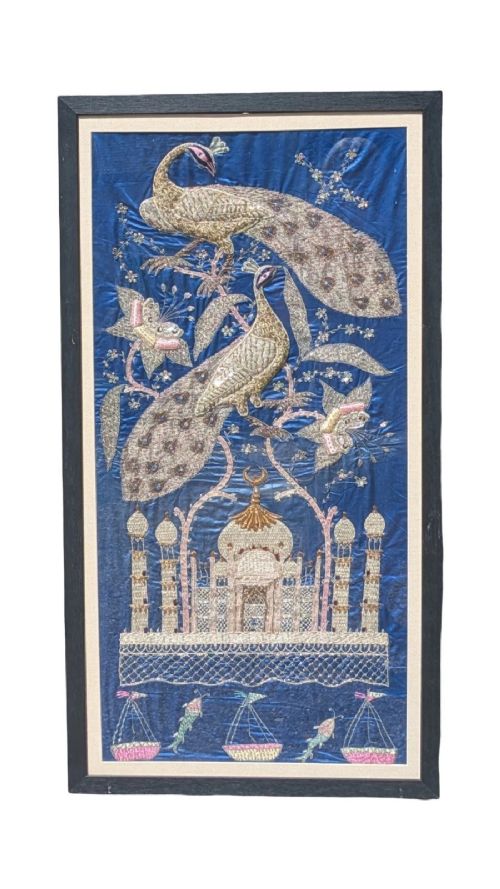
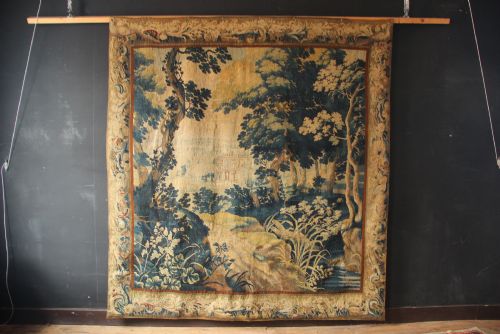
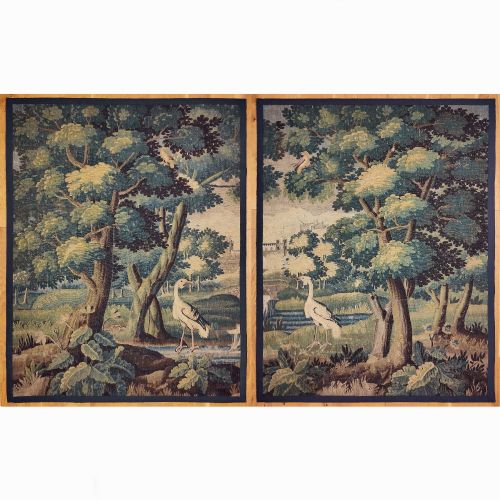
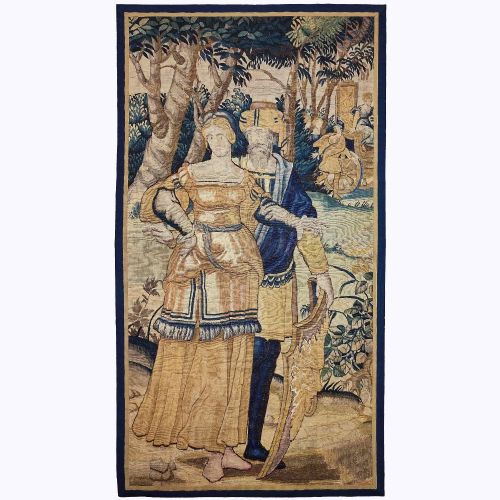
The pieces span various formats, from grand mythological scenes depicting pastoral landscapes to smaller framed silk panels and tribal textile fragments. Seventeenth-century examples often display foliage and garden themes rendered in muted blue and green tones.
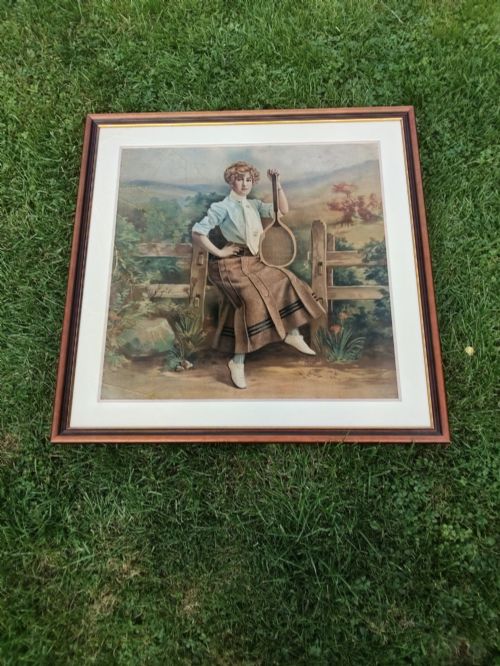
Wall hangings range from substantial room-scale installations to smaller framed works protected under glass. Each textile reflects the decorative preferences and weaving techniques of its specific period, from Flemish Renaissance workshops to Edwardian interior design.
Assessing quality in historical textiles
Quality rests upon the fineness of the weave, the complexity of the pictorial design, and the stability of the remaining textile structure. Denser knotting and finer wool or silk yarns indicate superior workshop execution.
Preservation of the original natural dyes and the integrity of the edges greatly influence the standing of a piece. Intact pictorial details and minimal later restoration distinguish finer historical examples from heavily repaired fragments.
Blue Wall Tapestry Retail Price Guide 2026
Typical asking prices for blue wall tapestry among the pieces listed under this phrase on Sellingantiques today, from the lower quarter to the upper quarter. They describe what is for sale here now, not the wider market.
The listings feature textiles spanning the sixteenth century through the Edwardian era, utilising wool, silk, linen, and natural dyes.
The Blue Wall Tapestry Glossary
- Verdure tapestry
- A type of woven wall hanging dominated by stylized foliage, trees, and landscape elements. These pieces frequently feature muted blues and greens depicting garden or forest scenes.
- Aubusson
- A style of tapestry originating from the French town of the same name. These works are celebrated for their pictorial depth and refined pastoral compositions.
- Soumak
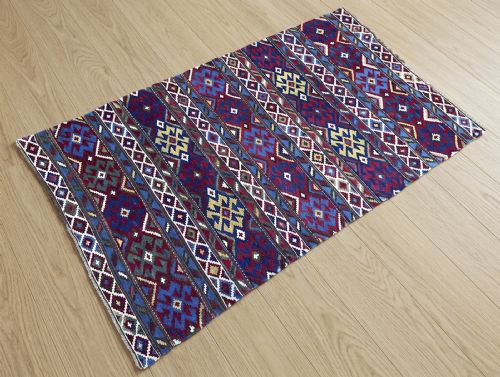
- A flat-weaving technique utilising a wrap-faced method that produces a durable textile with a braided appearance on the reverse. It is commonly found on Caucasian and Central Asian bags and panels.
- Kalamkari
- An ancient Indian method of hand-painting or block-printing on textile surfaces. These pieces often illustrate traditional stories and botanical motifs.
Blue Wall Tapestry: Frequently Asked Questions
How do I hang a heavy textile safely?
Large woven panels require a professional support system, such as a hidden weight-bar or a stitched-on linen sleeve that distributes the tension evenly across the top edge. Avoid hanging heavy textiles directly from isolated nails or pins, which can strain the delicate wool and silk threads.
Ensure the piece hangs away from direct sunlight and heat sources to protect the natural dyes and fibres from fading or becoming brittle over time. Proper wall clearance also promotes air circulation behind the textile.
How can I tell a Flemish verdure from a French piece?
Flemish verdure panels from the seventeenth century typically emphasise dense, shadowy forest foliage, game parks, and heavy architectural borders woven in dark wools and subdued blues. They often carry a heavier, more robust handle.
French Aubusson and related workshop pieces generally display lighter, more refined pastel palettes with pastoral motifs, floral garlands, and more open skies. The weave structure and border designs also offer clues to the regional origin.
Can framed textile art be taken out of the frame?
Removing antique needlework or silk panels from a glazed frame risks exposing fragile fibres to atmospheric pollutants and physical handling. Many framed pieces rely on the mounting technique to maintain their flat presentation.
If reframing is necessary for conservation reasons, use UV-filtering glass and acid-free backing materials to protect the textile. Consult a professional framer experienced in handling historic fabrics.