



Blue Victorian Bed
A blue victorian bed brings character to a bedroom through painted metalwork and period upholstery.
Blue Victorian Bed
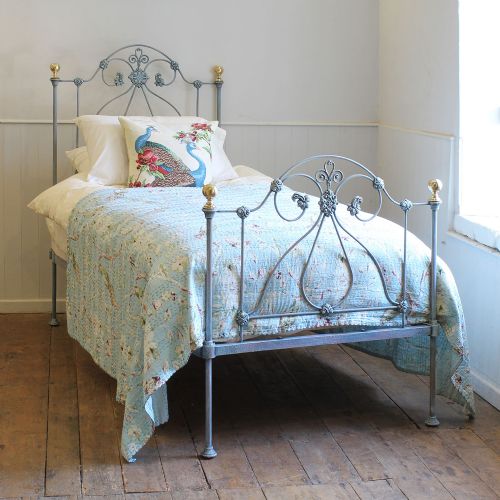
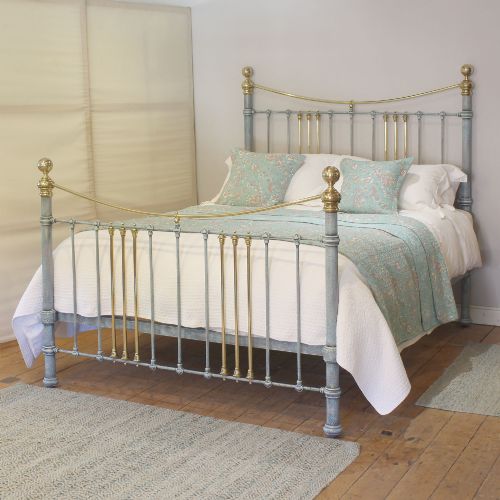
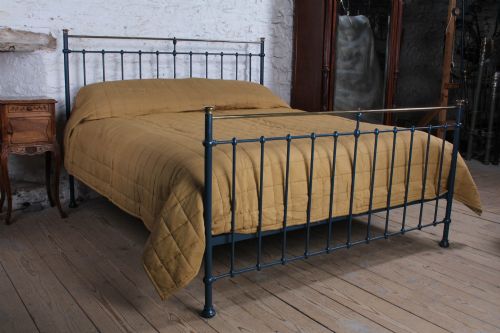
A blue victorian bed encompasses iron and brass bedframes, day beds, and upholstered pieces dating from the nineteenth century through the edwardian era. These items combine structural metal components with painted verdigris finishes, textiles, and turned wooden supports.
The selections available here range from single and double bedsteads to day beds resting on original castors. Buyers frequently encounter nineteenth-century day beds and iron bed frames alongside related seating forms such as ottomans and chaise longues.
Origin points span british victorian workshops and french nineteenth-century pieces, reflecting broader stylistic movements from the george iv period through to early twentieth-century edwardian designs.
Construction and materials
Makers constructed these bedframes and day beds using cast iron, wrought iron, and brass details, often combining them with wooden frames. Metal components were shaped into straight rails and dip rails, while day beds relied on turned wooden legs.
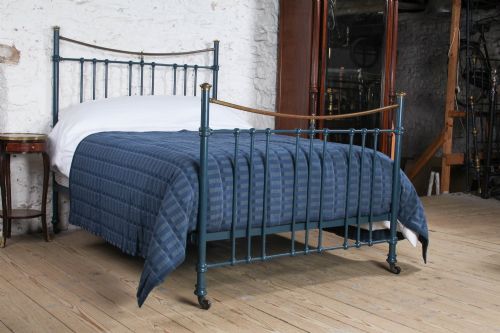
Upholstery fabrics and velvet cover contemporary day beds, ottomans, and coverlets, working alongside exposed metal frameworks. Pieces frequently incorporate functional elements such as original castors to facilitate movement across floor surfaces.
Blue Victorian Bed Retail Price Guide 2026
Typical asking prices for blue victorian bed among the pieces listed under this phrase on Sellingantiques today, from the lower quarter to the upper quarter. They describe what is for sale here now, not the wider market.
Listings feature iron, brass, and wood across nineteenth-century and edwardian periods, alongside textiles including velvet and upholstery fabric.
Markers of distinction
Quality in these pieces rests upon the integrity of the metalwork, the retention of original surface finishes like blue verdigris, and the presence of matching hardware such as castors. Surviving original upholstery and stable joining methods distinguish better examples from heavily altered items.
Proportions and decorative restraint set apart finer bedsteads and day beds. Pieces retaining their structural balance without excessive replacement parts represent the higher tier of nineteenth-century manufacture.
The Blue Victorian Bed Glossary
- Verdigris
- A greenish patina or finish formed on copper, brass, or iron surfaces over time. This coloration provides the distinctive blue-green tone seen on several antique metal bedframes.
- Dip rail
- A headboard or footboard rail curved downward in the centre. This configuration appears frequently on edwardian bedsteads.
- Castor
- A small wheel mounted on a swivel attached to the legs of furniture. These allowed heavy iron beds and day beds to move easily across rooms.
- Chaise longue
- An upholstered long chair for reclining, shaped like a chair combined with a footstool. Nineteenth-century examples often feature exposed turned legs and fabric upholstery.
- Ottoman stool
- A low, upholstered seat without arms or a back, frequently constructed in large proportions during the nineteenth century.
Blue Victorian Bed: Frequently Asked Questions
What sizes are available in these antique beds?
The inventory includes various proportions ranging from narrow single widths up to king size and super king dimensions. Each listing specifies the exact width to help buyers fit the frame into a modern bedroom.
Buyers should check both mattress dimensions and overall frame clearance to ensure compatibility with contemporary bedding.
Are these metal beds sturdy enough for daily use?
Iron and brass frames from the nineteenth century are structurally robust, utilising heavy metal components and bolted joints designed for long-term domestic service. Most retain their original iron rails and brackets.
Routine maintenance involves checking joints and protecting the painted surfaces from excessive moisture.
How do day beds differ from standard bedframes?
Day beds combine the functions of a seat and a bed, featuring low backs or upholstered ends suited for daytime lounging as well as sleeping. They frequently appear in reception rooms or studies rather than primary bedrooms.
Examples on this page include both iron-framed day beds and fully upholstered late victorian variants on castors.
How do I identify the period of an iron bed?
Dating relies on stylistic clues such as straight rails, dip rails, brass mounts, and the specific composition of the ironwork. Pieces span the victorian era, the george iv period, and the edwardian transition into the twentieth century.
Construction techniques like hand-turned wooden legs and the style of the attached castors also point toward a specific manufacturing decade.