
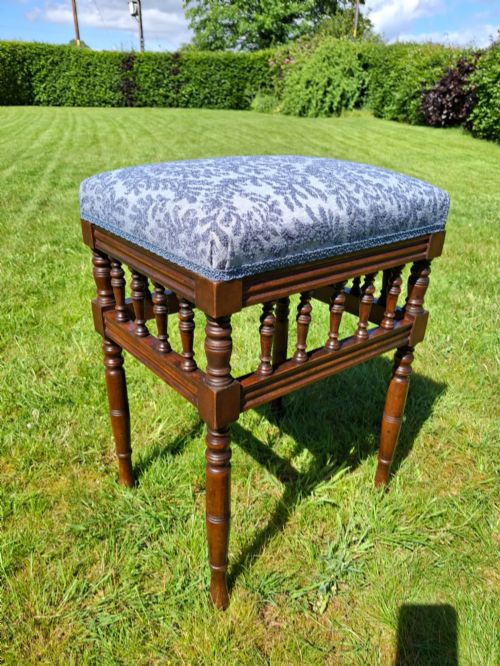
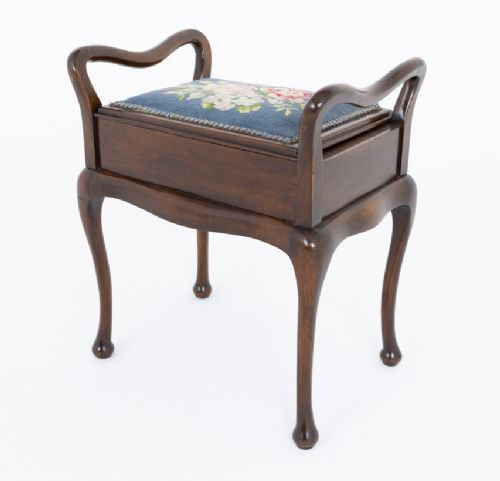


Blue Upholstered Bench Seat
A blue upholstered bench seat brings tactile colour and enduring function to an interior, drawing on centuries of classical revival seating forms.
Blue Upholstered Bench Seat
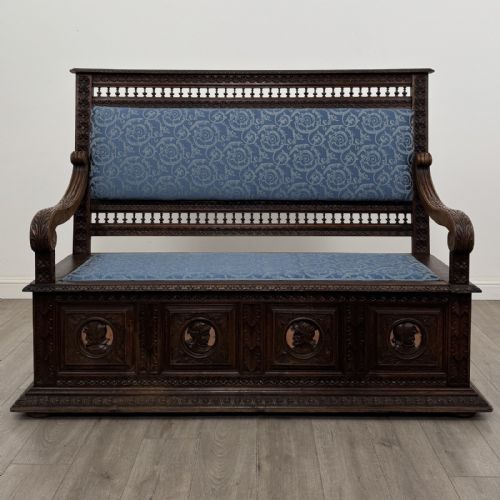
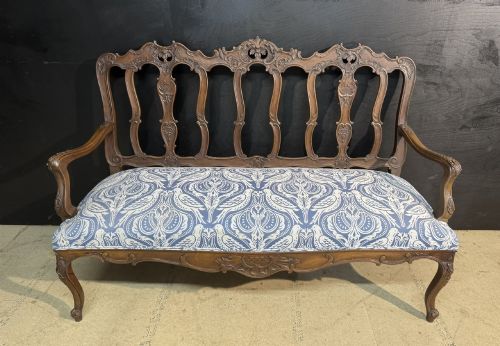
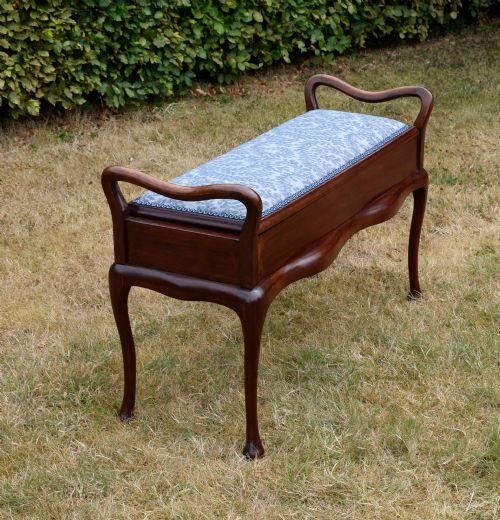
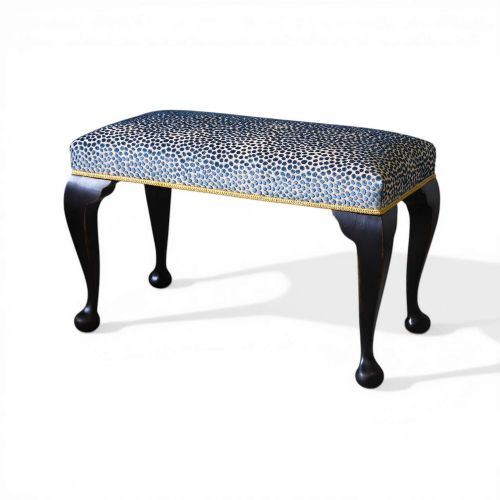
When you search for a blue upholstered bench seat, you encounter a diverse selection of nineteenth-century and early twentieth-century seating forms that combine supportive cushioning with solid timber frames. These pieces encompass piano stools, duet stools, hall benches, window seats, and compact settees designed for versatile placement around the home.
The materials and styles span from Edwardian ebonised wood and mahogany to elaborate French Renaissance Revival, Louis XV, and Regency designs. You are most likely to meet walnut, rosewood, and oak frameworks paired with various fabric upholstery, reflecting both English and continental European traditions.
Materials and construction methods
Cabinetmakers utilised dense hardwoods such as mahogany, walnut, rosewood, and oak to build sturdy structural frames capable of supporting heavy fabric upholstery and daily use. Timber components frequently received turned legs, intricate carved details, or ebonised finishes to achieve the desired stylistic expression of the period.
Upholstery techniques involved durable padding secured over supportive webbed bases, finished with decorative elements like tassel trims or needlepoint needlework. Metal additions such as brass fittings appeared on specific piano stools and period window seats to aid mechanical adjustments or decorative accents.
A conversation seat invites two people to chat face-to-face while sitting at right angles, proving that nineteenth-century seating designers took gossip very seriously.
Indicators of superior quality
The distinction between standard examples and the finest pieces rests upon the integrity of the timber joinery and the sophistication of the carved or turned decorative elements. Superior items display crisp hand-carved detail in hardwoods like rosewood and walnut rather than simplified mechanical shaping.
Quality also manifests in the proportion and balance of the frame, alongside the authenticity of period materials used in the upholstery and decorative trimmings. Well-preserved original structures retain their structural rigidity and distinctive aesthetic weight without compromise.
The Blue Upholstered Bench Seat Glossary
- Duet stool
- A wide seating form designed to accommodate two piano players side by side simultaneously. These pieces often feature hinged lids revealing sheet music storage beneath the upholstered top.
- Ebonised wood
- Timber treated with a chemical stain or dark finish to imitate expensive ebony wood. This technique gained particular popularity during the nineteenth and Edwardian periods for sleek decorative effect.
- Window seat
- A compact upholstered bench scaled specifically to sit within a window recess. These forms typically lack high backs to preserve exterior views and light.
- X-framed stool
- A seating structure supported by intersecting diagonal legs forming an X shape. This classic form dates back to ancient times and reappeared strongly in nineteenth-century revival pieces.
Blue Upholstered Bench Seat: Frequently Asked Questions
Where should I place a blue upholstered bench seat?
These versatile pieces suit placement at the foot of a bed, beneath a window, or along an entrance hallway for convenient seating. Their compact proportions allow them to fit into transitional spaces where larger sofas cannot go.
They also function effectively in living rooms as secondary seating or as piano benches near keyboard instruments, adding both utility and a pop of blue colour.
How do I identify an Edwardian bench seat?
Edwardian seating typically dates from the early twentieth century and often displays lighter woods, ebonised finishes, or straightforward turned legs. These pieces lean towards functional versatility and simpler revival aesthetics.
Makers of this era frequently produced piano stools and occasional benches that combined traditional forms with practical everyday utility for the Edwardian home.
What is the difference between a window seat and a hall bench?
Window seats are generally backless or low-backed benches designed to sit neatly beneath window sills without blocking natural light. They focus on comfortable padded surfaces for reading or relaxing.
Hall benches often feature backrests, armrests, or integrated storage compartments beneath the seat, engineered to handle heavier daily use in entryways and corridors.
How do I care for antique upholstery?
Protect antique fabric and velvet surfaces by keeping them away from direct sunlight to prevent fading of the blue dye. Regular gentle vacuuming with a soft brush attachment removes surface dust without damaging the fibres.
For deeper cleaning or maintenance of delicate tassel trims and needlepoint sections, consult a professional restorer specialising in historic textiles.