



Blue Tribal Textile
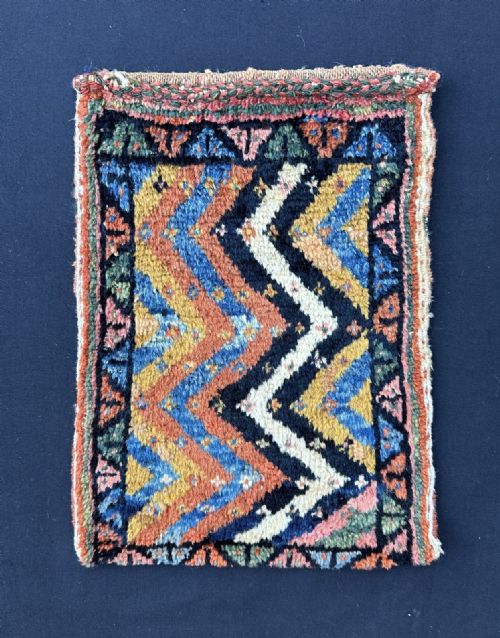
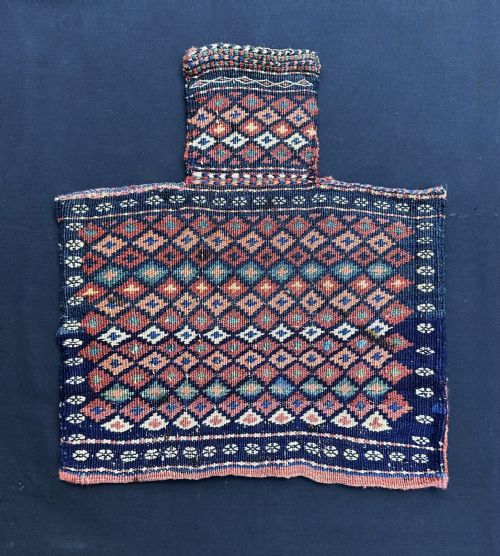
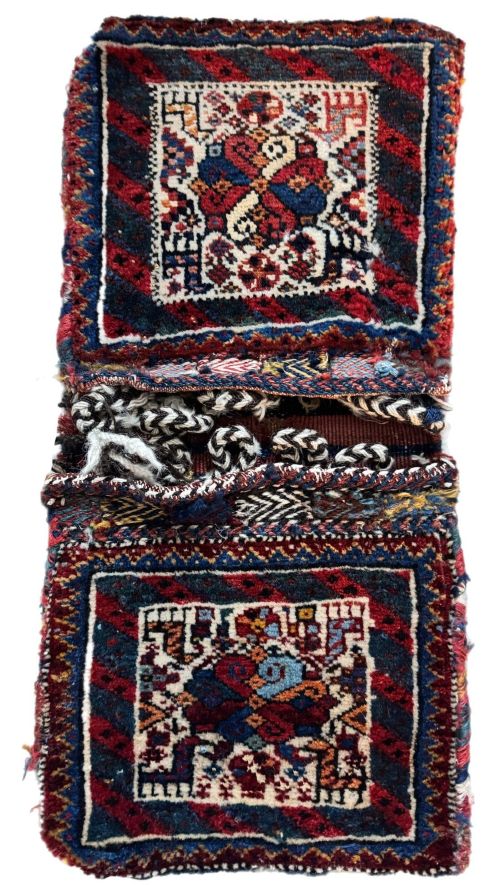
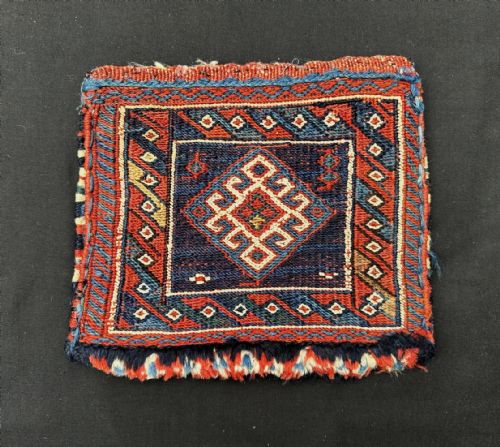
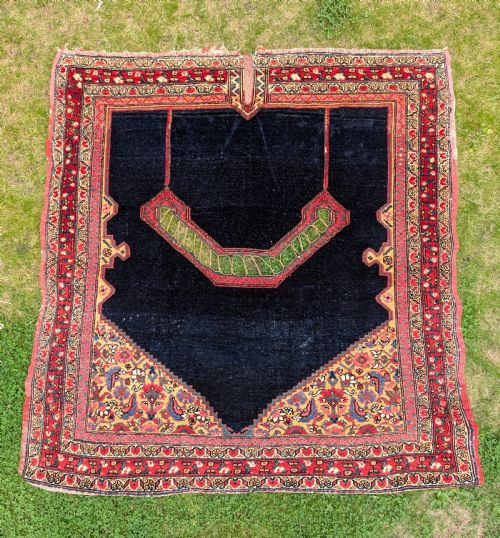
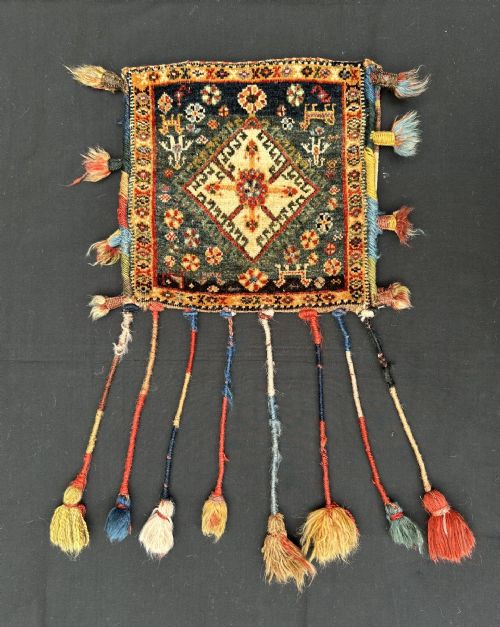
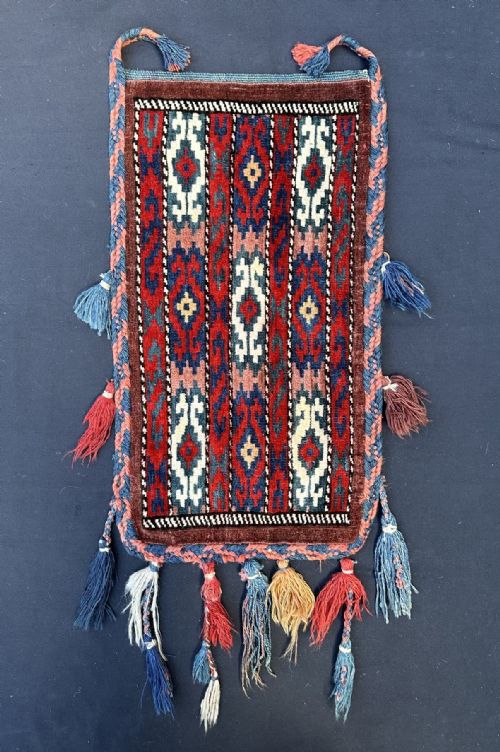
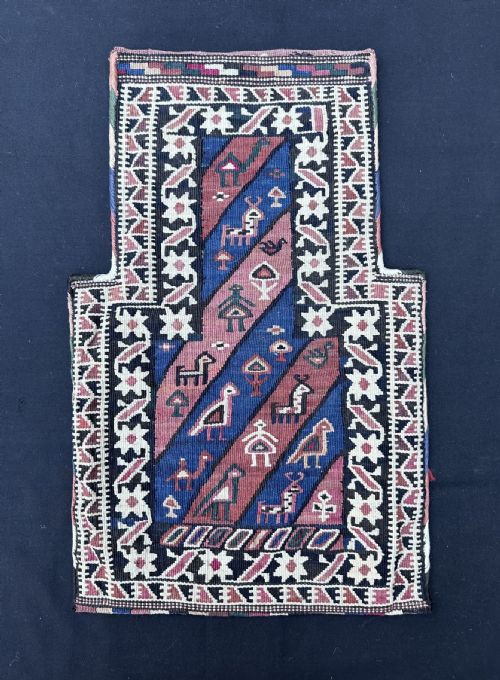
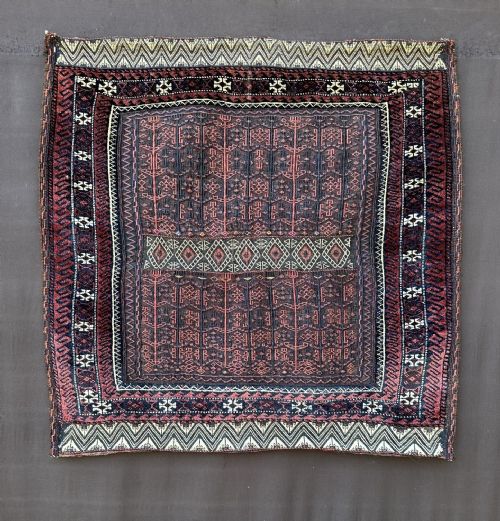
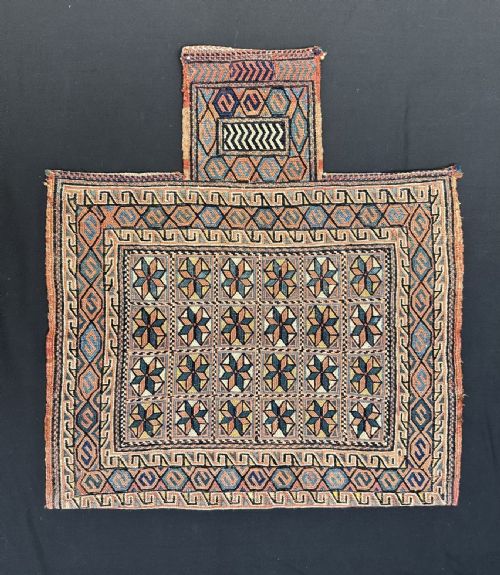
When you search for a blue tribal textile, you find woven bags, saddle covers, and utility cloths made by nomadic and village makers.
Blue Tribal Textile
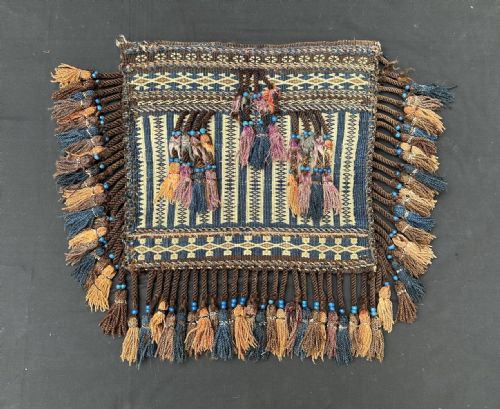
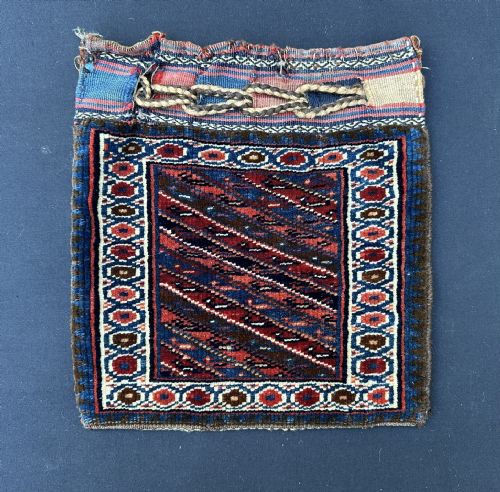
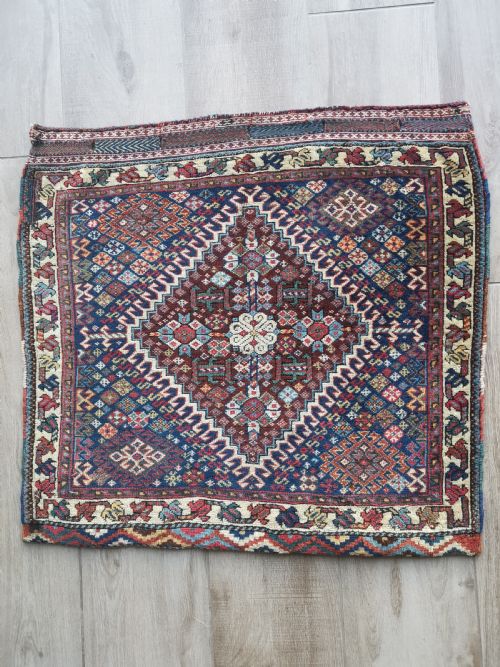
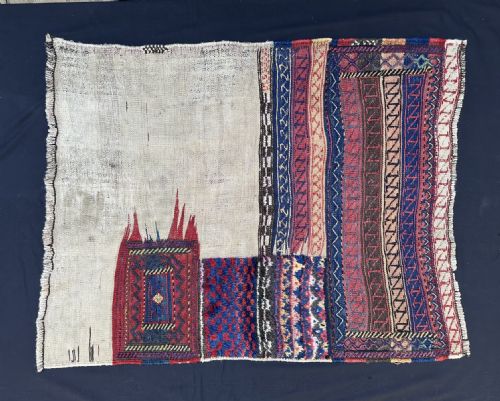
The selections on this page span from the mid nineteenth century into the early twentieth century. Examples range from Baluch and Afshar bags to Yomut Turkmen spindle bags and Uzbek kilim panels.
Makers utilised these textiles for domestic storage, transport, and communal dining. Each format reflects the specific cultural traditions and regional weaving practices of the tribe that produced it.
How They Were Made
These textiles rely primarily on hand-spun wool and natural dyes, occasionally incorporating cotton, silk, goat hair, velvet, or glass beads for detail. Weavers employed techniques such as pile knotting, flatweave kilim construction, soumac work, and embroidery.
Nomadic producers sourced local materials, spinning sheep wool by hand and applying natural dye stuffs to achieve deep indigo blues and contrasting hues. Surface designs were built up through structural weaving methods or added embellishments like beadwork and embroidery.
Blue Tribal Textile Retail Price Guide 2026
Typical asking prices for blue tribal textile among the pieces listed under this phrase on Sellingantiques today, from the lower quarter to the upper quarter. They describe what is for sale here now, not the wider market.
Some Baluch bags feature small woven bird motifs stitched directly into the design to ward off the evil eye.
What Varies in Quality
Quality in a blue tribal textile depends upon the precision of the weave and the depth of the materials. Finely spun hand-spun wool and well-fixed natural dyes create a denser, more resilient structure.
The clarity of tribal motifs and the complexity of techniques such as soumac work or supplementary weft patterning distinguish finer examples. Compositional balance across bag faces and panels also indicates greater skill from the maker.
The Blue Tribal Textile Glossary
- Sofreh
- A flatwoven cloth used for spreading meals or storing bread within nomadic households.
- Khorjin
- A traditional pair of saddlebags woven for transport on pack animals.
- Soumac
- A wrapping technique producing a durable patterned surface resembling embroidery on the reverse.
- Tacheh
- A woven grain or wheat sack made by Lori and Bakhtiari groups.
- Torba
- A small hanging storage bag produced by Turkmen tribes.
Blue Tribal Textile: Frequently Asked Questions
What is a tribal textile?
A tribal textile is a functional woven item produced by nomadic or village communities for daily use. These include bags, covers, and dining cloths.
They were made using traditional materials like wool and natural dyes to serve practical domestic and pastoral needs.
How were these bags used?
Nomads used these woven pieces for storing salt, bread, grain, and personal items during camp life and travel. Saddlebags and half-bags hung over pack animals for transport.
Dining cloths were laid on the ground for communal meals within the tent.
How do I care for a textile?
Keep these historic textiles out of direct sunlight to protect natural wool fibres and indigo dyes from fading. Gentle surface cleaning or professional textile conservation is recommended.
Avoid hanging heavy pieces by single points to prevent distortion of the weave.
How do I identify different tribes?
Attribution relies on structural characteristics, specific wool types, and regional design motifs unique to groups like the Afshar, Baluch, or Yomut. Border ornaments and colour palettes often point to a specific geographic region.
Certain formats, such as specific torba designs, are distinct to particular confederations.