




Blue Toned Landscape Art
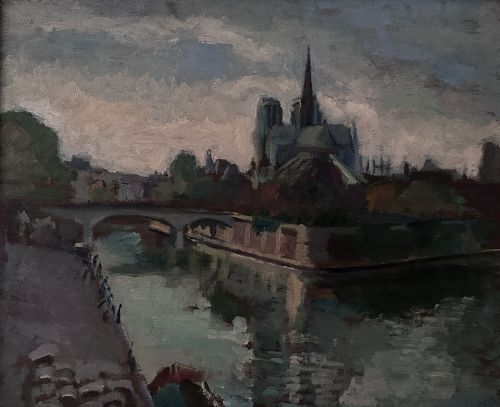
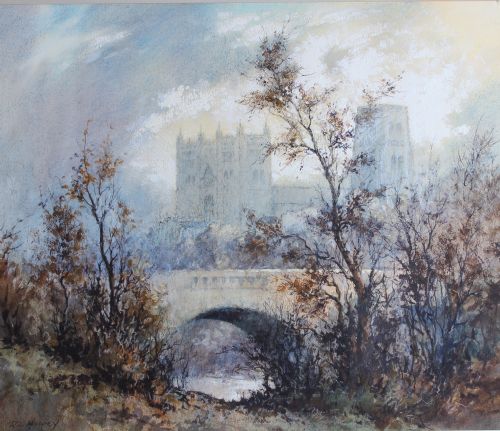
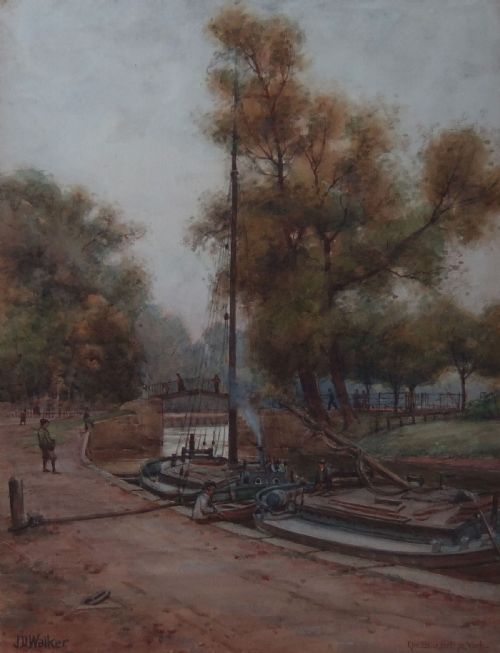
Blue toned landscape art brings together oil paintings, watercolours, and tapestries dominated by cool pigments, offering serene views of rivers, coasts, and towns.
Blue Toned Landscape Art
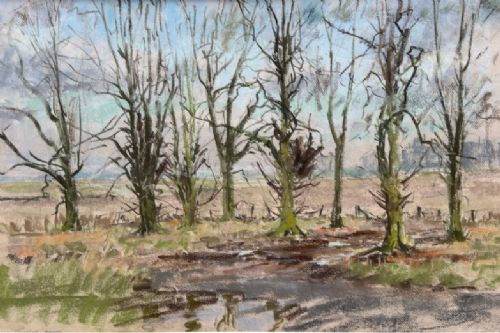
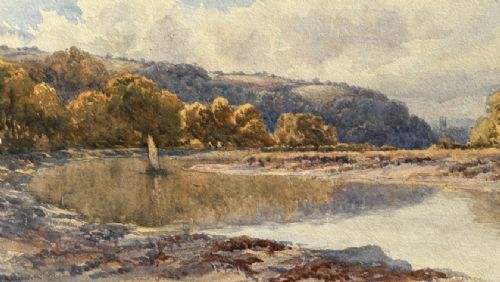
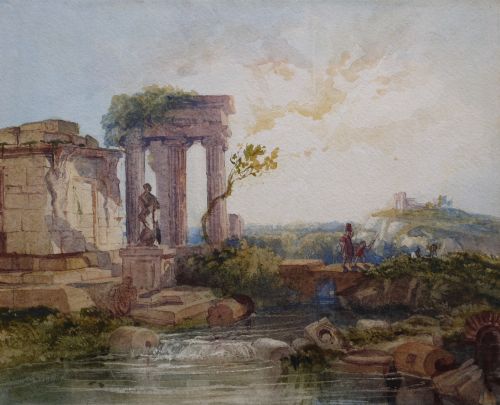
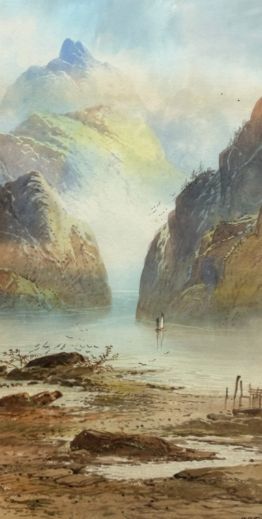
When buyers search for blue toned landscape art, they find works spanning from the nineteenth century through the mid-twentieth century, capturing rural vistas, coastal scenes, and architectural subjects. These pieces predominantly take the form of watercolour paintings and oil paintings on canvas or board, alongside occasional textiles such as verdure tapestries.
The selections available here lean heavily towards British Impressionism, Victorian landscapes, and Edwardian watercolours. Works range from detailed depictions of Scottish lochs and Welsh valleys to quiet rural hamlets and harbour views rendered in atmospheric cool palettes.
How they were made
Artists utilised watercolour pigment on paper or oil paint on canvas and wood panels, applying mediums with varying brushwork to capture light and atmosphere. Watercolours often employ thin washes to achieve translucent skies and water, while oil paintings build texture through layered applications.
Support materials include aged paper, stretched canvas, and wooden panels, frequently housed within period wooden frames. Verdure tapestries employ woven textile techniques utilising dyed threads to construct pastoral and wooded scenes.
Blue Toned Landscape Art Retail Price Guide 2026
Typical asking prices for blue toned landscape art among the pieces listed under this phrase on Sellingantiques today, from the lower quarter to the upper quarter. They describe what is for sale here now, not the wider market.
Listings feature works created on paper, canvas, and wood panels using oil and watercolour mediums.
What varies in quality
Quality rests upon the artist's ability to handle perspective, light, and colour balance within the chosen medium. Finer works demonstrate a confident command of tone, particularly in capturing the subtle shifts of daylight across water and sky.
The preservation of the paper, canvas, or pigments directly influences the integrity of the piece. Stronger examples retain their original vibrancy and structural stability without intrusive restoration or pigment fading.
David Law·William Henry Earp·Richard Principal Leitch·Robert Leslie Howey·Gyrth Russell·James Orrock·Frederick W. Jackson·John Syer·Kate E Booth·Stephen John Batchelder·Percy Brooke·Albert Robert Quinton·Frederick J. Knowles·Fred Stead·Walter Henry Sweet·John J. Hamer·Herbert Royle·John D. Walker·Benjamin Callow·A.G. Stevens·William Kay Blacklock·Sir Ernest Albert Waterlow
The Blue Toned Landscape Art Glossary
- Watercolour painting
- A work executed with water-soluble pigments on paper. This medium allows for delicate washes and luminous effects particularly suited to atmospheric skies.
- Oil painting
- An artwork created using pigments suspended in a drying oil, typically applied to canvas or wood. This technique permits rich colour depth and visible brush texture.
- Verdure tapestry
- A woven wall hanging depicting a green and blue dominated landscape, often featuring foliage, trees, and pastoral elements. These textiles were traditionally produced in European workshops.
- British Impressionism
- An art movement focusing on everyday subject matter and the transient effects of natural light. Practitioners adopted looser brushwork and lighter palettes.
Blue Toned Landscape Art: Frequently Asked Questions
What periods do these landscapes cover?
The pieces span from the mid-nineteenth century through the mid-twentieth century, encompassing Victorian, Edwardian, and mid-century modern aesthetic movements.
Most items date from the late nineteenth and early twentieth centuries, reflecting traditional British and European painting conventions.
How should I hang a watercolour?
Watercolours require placement away from direct sunlight to prevent the pigments and paper from fading over time. Glazing with conservation glass further protects the surface from ultraviolet light.
Ensure the room maintains stable humidity levels to avoid warping the paper or encouraging mould growth within the frame.
Are these paintings signed by the artists?
Many of the works bear the original signature or monogram of the painter, often placed in the lower corner of the composition. Some pieces also feature period inscriptions detailing the specific location depicted.
Unsigned works rely on stylistic attribution, framing evidence, or old gallery labels affixed to the reverse of the canvas or board.
What subjects are most common?
Common subjects include coastal harbours, rivers, pastoral meadows, and architectural landmarks such as cathedrals and castles. Coastal scenes frequently depict fishermen and boats returning to shore.
Inland views focus on quiet valleys, woodland streams, and rural rooftops captured under muted daylight.