


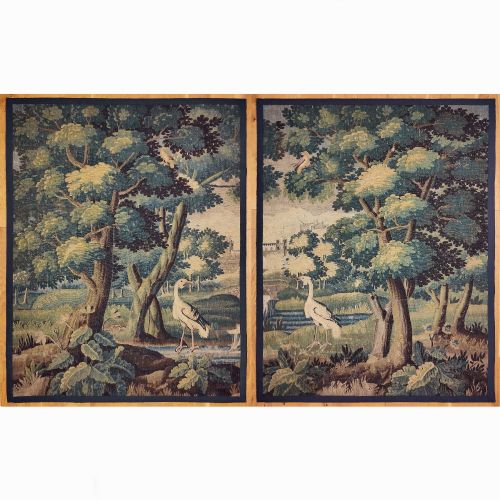


Blue Textile Wall Art
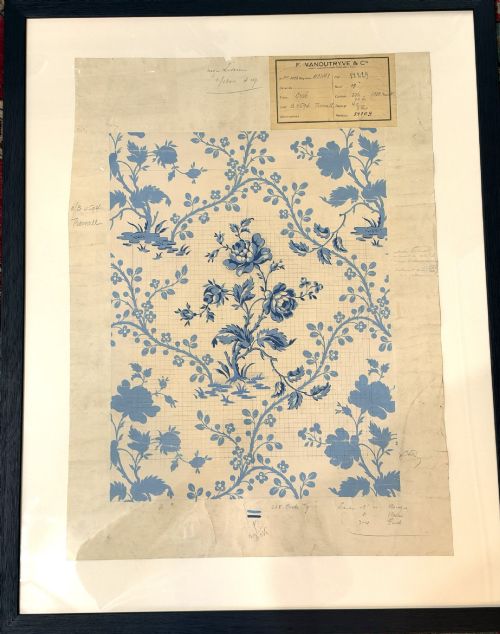
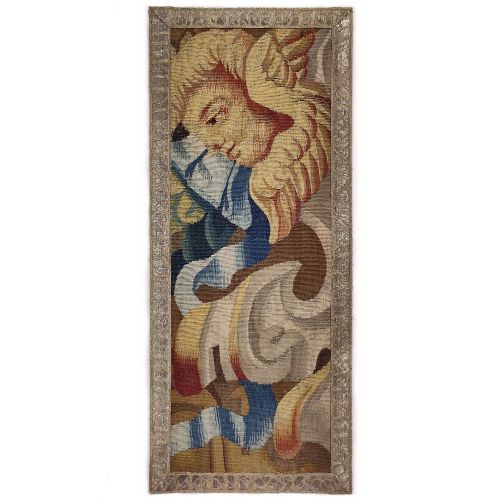
Blue textile wall art brings together centuries of woven tapestries, framed embroideries, and tribal bagfaces that transform plain walls with texture and history.
Blue Textile Wall Art
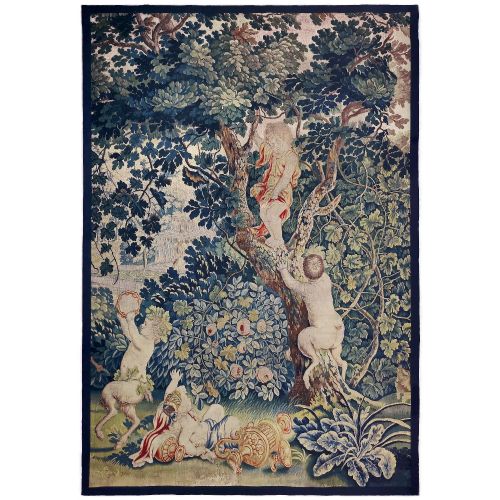
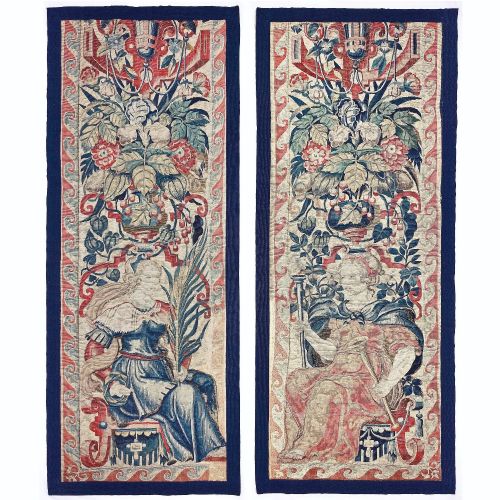
Blue textile wall art encompasses centuries of woven and embroidered works designed for display, ranging from grand Flemish verdure tapestries of the seventeenth century to intricate nineteenth-century Chinese silk embroideries. Buyers search for these pieces to introduce organic warmth, narrative depth, and historic character into contemporary or traditional interiors.
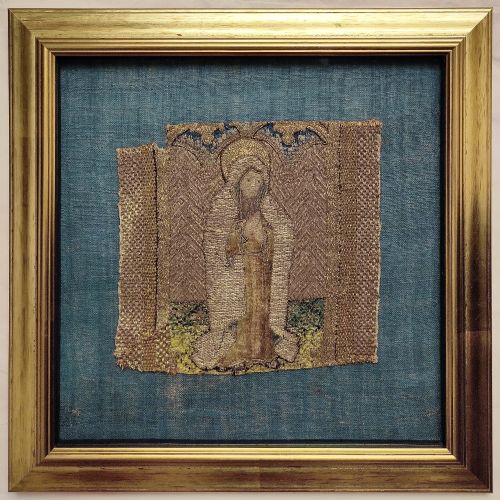
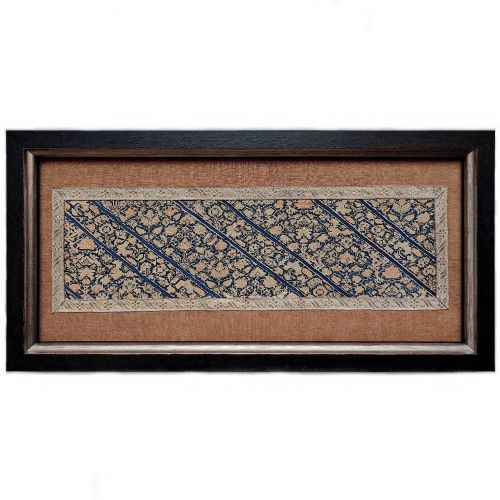
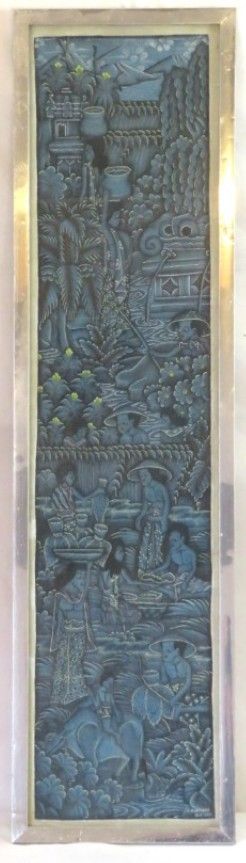
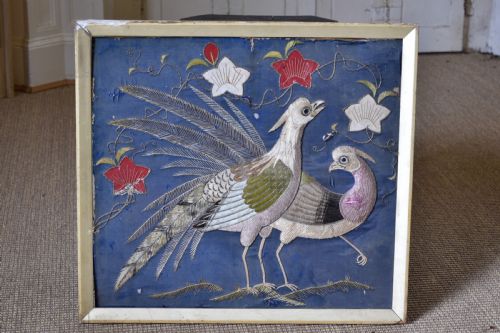
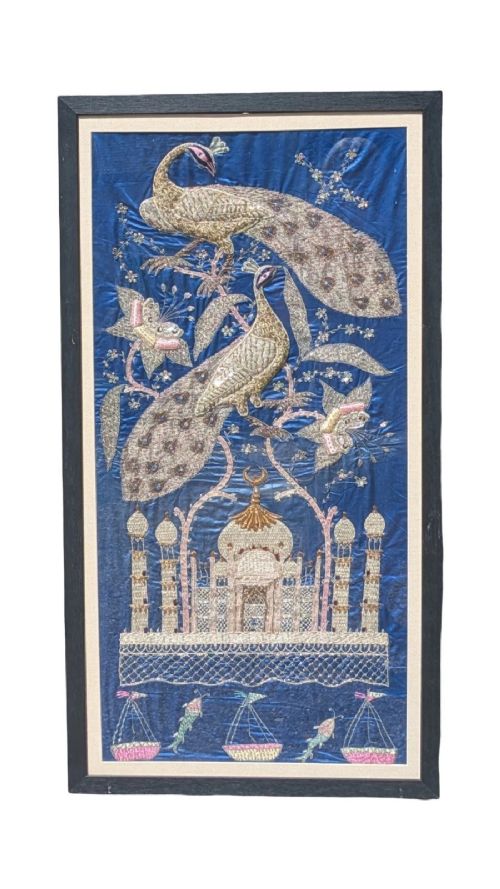
The selections encountered here frequently span European tapestries depicting mythological or verdure scenes, Persian and Turkmen tribal bagfaces worked in wool, and East Asian silk panels framed under glass. These diverse forms share a common heritage of skilled manual execution and enduring decorative presence on vertical surfaces.
Originating from workshops and nomadic communities across Europe, Asia, and the Middle East, these wall hangings reflect the specific domestic and ceremonial traditions of their makers. Each format offers a distinct visual weight, from the expansive scale of seventeenth-century French and Flemish panels to the intimate detail of Victorian needlework pictures and framed flags.
Materials and Construction
The construction of these pieces relies primarily on natural fibres such as wool, silk, cotton, and linen, often combined with metallic thread for heightened visual contrast. Artisans utilised hand-sewing, embroidery, and diverse weaving techniques including soumak work and tapestry looms to build complex surface textures.
Colour derives from natural dyes applied to animal and plant fibres, creating rich indigo and sapphire tones that hold their depth across centuries of survival. Many fragile textiles, such as delicate lace samplers, silk coats, and antique flags, receive modern conservation framing under glass to protect the underlying fabric from environmental damage.
Blue Textile Wall Art Retail Price Guide 2026
Typical asking prices for blue textile wall art among the pieces listed under this phrase on Sellingantiques today, from the lower quarter to the upper quarter. They describe what is for sale here now, not the wider market.
Listings feature periods spanning from the sixteenth century through the Victorian era, utilising wool, silk, cotton, linen, and natural dyes.
Evaluating Quality and Execution
Quality in these textiles rests upon the precision of the handwork, the density of the weave, and the complexity of the pictorial design. Finer examples display meticulous control in needlework and tapestry execution, where figures, foliage, and geometric motifs remain sharp and legible.
The preservation of original natural dyes and the integrity of the fabric structure dictate the visual impact of the piece. Works that retain their structural soundness and original borders or frames represent the upper echelon of historic textile survival.
The Blue Textile Wall Art Glossary
- Verdure Tapestry
- A European tapestry featuring a dominant landscape or foliage motif, often populated by trees, plants, and occasionally birds or animals. These sixteenth and seventeenth-century panels were designed to bring natural scenes indoors.
- Soumak Work
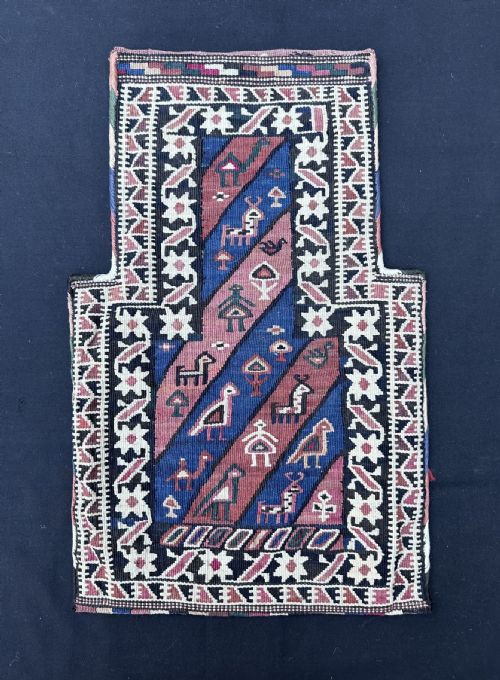
- A flat-weaving technique producing a durable structure where coloured threads wrap horizontally over the warp threads before returning beneath. This method creates a textured surface often found on tribal bagfaces and salt bags.
- Bagface
- The decorated front panel of a nomadic storage sack, preserved and framed for display after its original utility ended. Examples frequently originate from Persian and Turkmen tribal groups.
- Needlework Panel
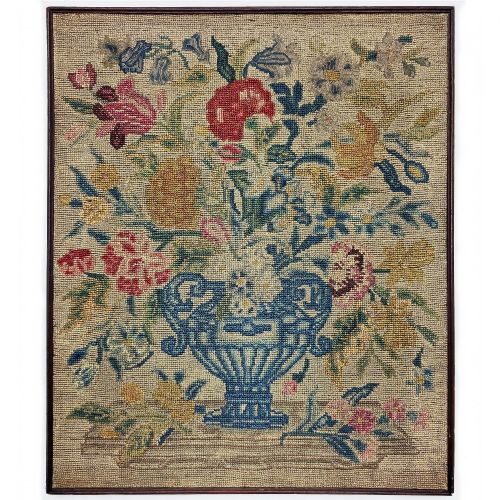
- A piece of fabric embellished with hand-stitched embroidery, depicting portraits, botanical scenes, or narrative stories. These works showcase the needle skills of domestic or professional artisans across the eighteenth and nineteenth centuries.
- Ikat
- A dyeing and weaving method where yarns are tied and dyed in patterns before being woven into fabric. This technique yields characteristic feathered edges along the design motifs.
Blue Textile Wall Art: Frequently Asked Questions
How do I hang antique textiles safely?
Heavy tapestries require a weight-distributing batten or sleeve system attached securely to the wall, avoiding direct tension on fragile historic fibres.
Smaller framed embroideries and textile art pieces utilise standard picture-hanging hardware while benefiting from UV-protective glass to prevent fading from direct sunlight.
What is a verdure tapestry?
A verdure tapestry is a European wall hanging dominated by lush botanical scenes, including trees, foliage, and landscape elements. Originating primarily in Flemish and French workshops during the seventeenth century, they were created to evoke outdoor gardens within interior rooms.
These large-scale panels often incorporate deep indigo and blue tones in the shaded areas of the foliage, making them a cornerstone of historic textile art.
How do I identify tribal bagfaces?
Tribal bagfaces are the decorative front panels of utilitarian storage sacks woven by nomadic groups such as the Qashqai, Afshar, and Shahsavan. They feature geometric motifs, animal figures, and specialised techniques like soumak work or pile weaving.
When repurposed as wall art, these panels display the distinct regional colour palettes and symbolic iconography of their makers.
Are these textiles cleaned?
Historic textiles require specialist conservation cleaning rather than standard washing to protect delicate natural dyes and aged fibres. Surface dust is typically managed through gentle, low-suction vacuuming with a protective mesh screen.
Professional textile conservators should handle any deeper intervention to maintain the structural integrity of wool, silk, and linen components.