



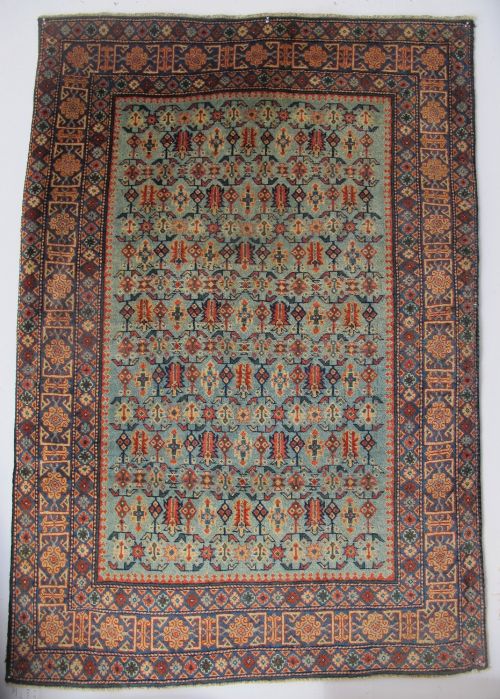
Blue Terracotta Persian Rug
A blue terracotta persian rug brings geometric strength and earthy warmth to a room through centuries of weaving traditions.
Blue Terracotta Persian Rug
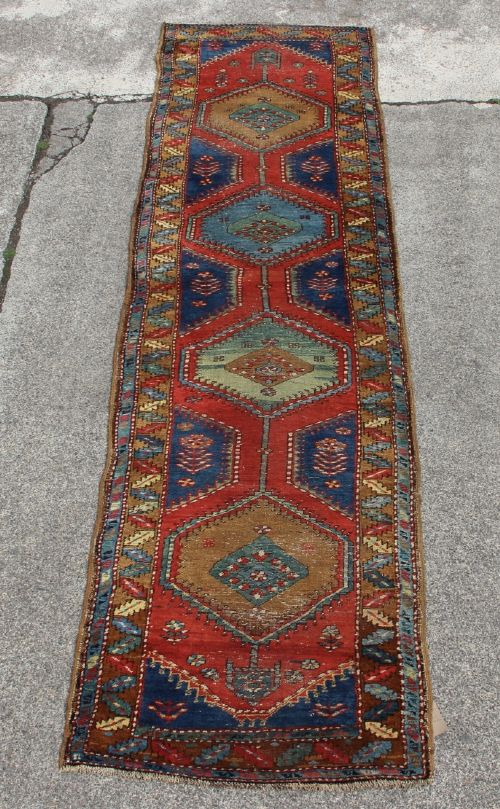
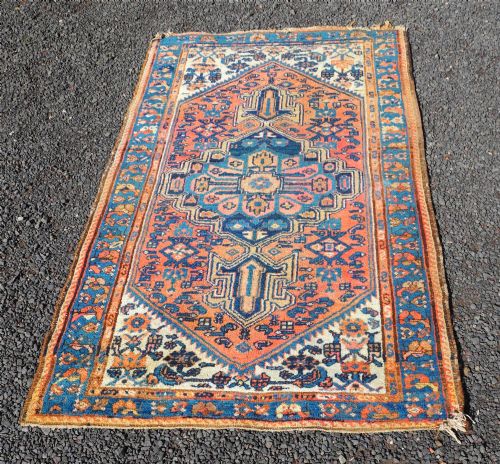
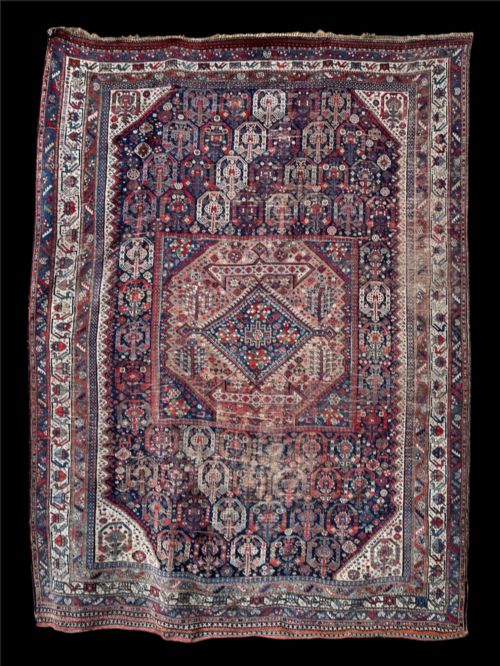
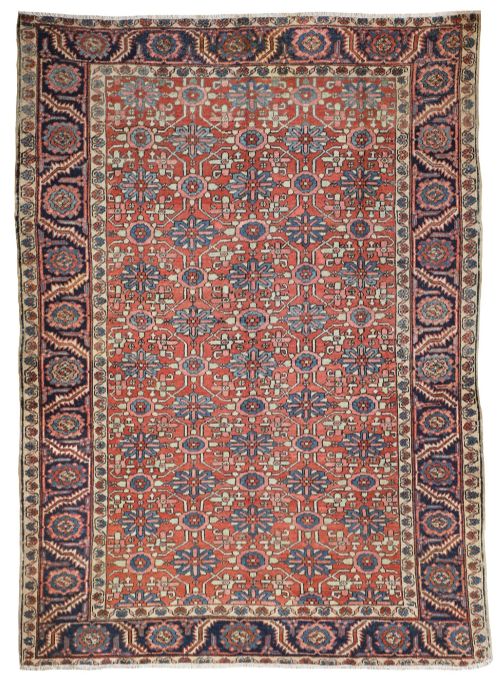
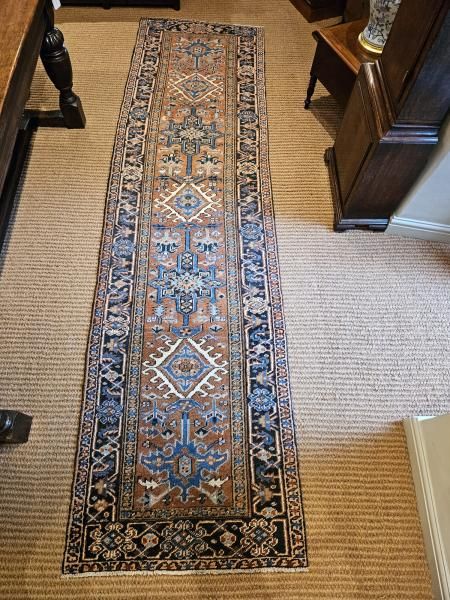
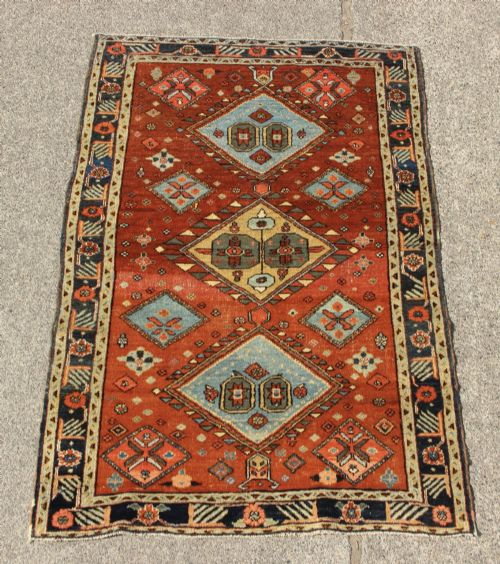
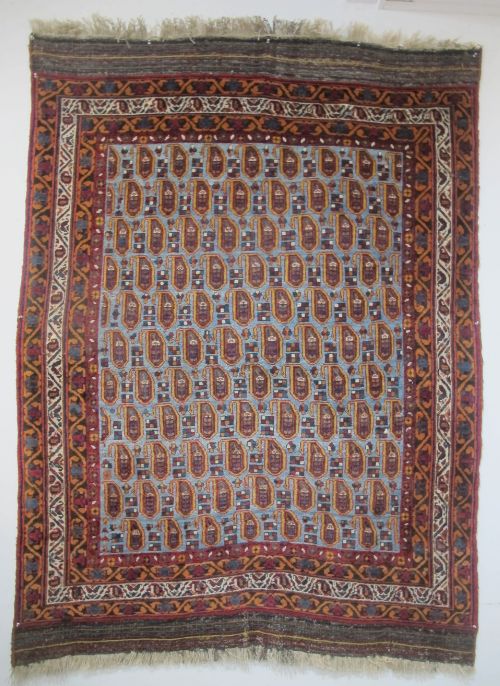
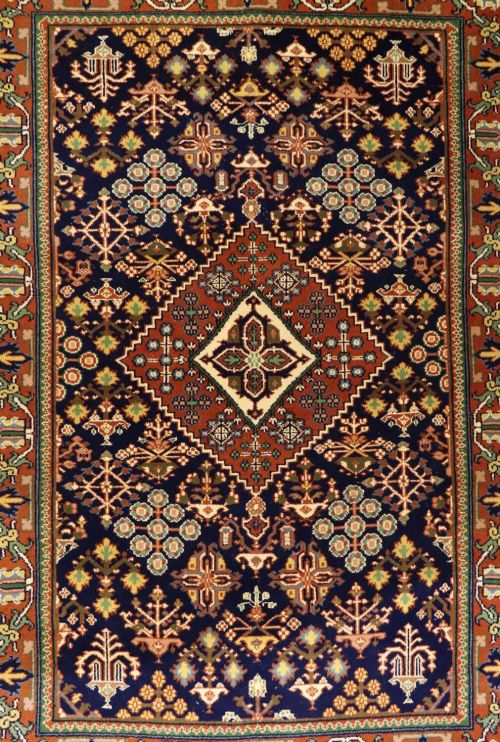
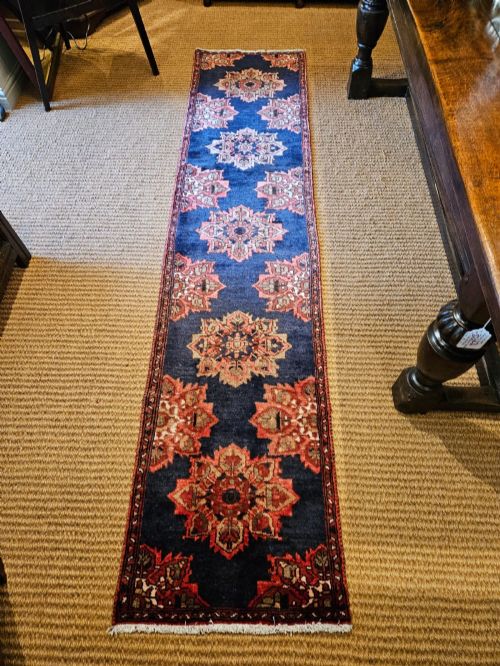
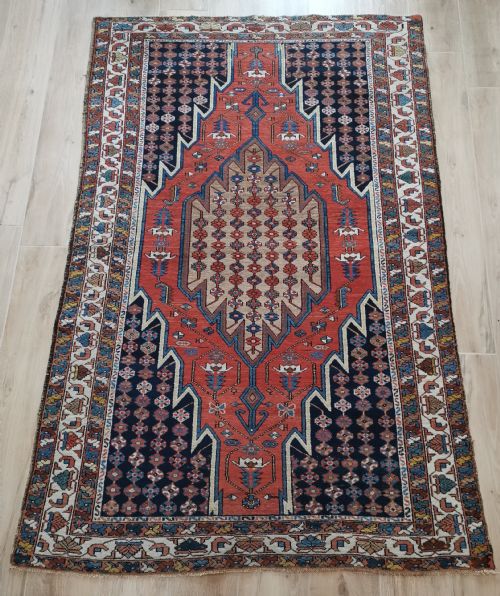
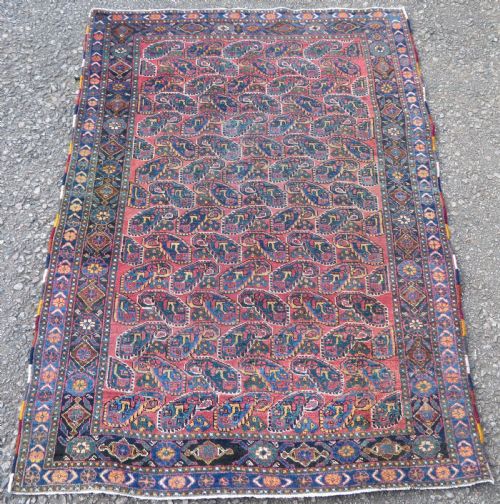
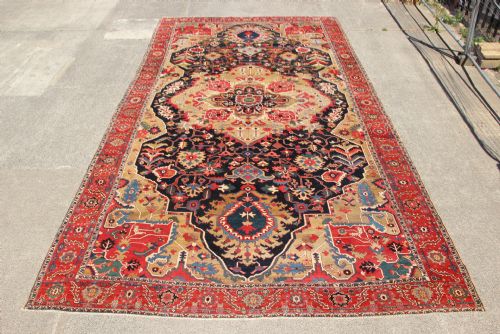
A blue terracotta persian rug represents hand-knotted floor coverings originating from various regions and tribes across Iran, spanning from the late nineteenth century into the twentieth century. These textiles include large carpets, room-size pieces, narrow runners, and smaller tribal formats such as salt-bags and area rugs.
The aesthetic combines deep blues with warm terracotta and rust tones, appearing frequently in Heriz, Serapi, Afshar, Bakshaish, and Tabriz configurations. Buyers encounter traditional Persian designs ranging from bold geometric medallions to intricate all-over floral patterns woven by village workshops or nomadic tribes.
Materials and construction methods
Weavers constructed these pieces using hand-spun wool for the pile, paired with cotton foundations for warp and weft threads in most city and village workshops. Tribal pieces incorporate wool foundations as well, yielding heavier handles and denser structures.
Makers utilised natural dyes to achieve durable colour palettes that mellow gradually over decades. Hand-knotting techniques secure the pile firmly to the foundation, producing resilient textiles designed for heavy daily use.
Listings feature wool and cotton compositions dyed with natural colours across the nineteenth and twentieth centuries.
Factors of distinction
Knot density and structural fineness separate standard village production from exceptionally detailed city carpets, influencing the crispness of geometric and floral motifs. Finer examples display meticulous precision in outlining medallions and borders.
The depth, saturation, and harmony of natural dye colours dictate visual success, with certain pieces achieving remarkable vibrancy through skilled mordanting. Pliability of the foundation and uniformity of the wool pile further distinguish superior weaving.
The Blue Terracotta Persian Rug Glossary
- Heriz
- A town in north-west Iran known for producing robust carpets with prominent geometric medallions and strong terracotta fields. These pieces often feature large-scale corner spandrels and durable wool.
- Afshar
- A tribal group from south-east Persia producing rugs characterised by geometric patterns, boteh motifs, and rich indigo or terracotta palettes. Their weaving frequently includes small formats and utilitarian bags.
- Warp
- The vertical threads stretched lengthwise on the loom that form the structural foundation of the rug. Fringe ends typically consist of these exposed threads.
- Weft
- The horizontal threads passed across the warp strands between rows of knots to bind the pile securely. Multiple weft shots affect the rigidity of the finished textile.
- Medallion
- A central ornamental design motif placed in the middle of the rug field, often framed by repeating borders. This focal element dominates the composition in many traditional Persian styles.
Blue Terracotta Persian Rug: Frequently Asked Questions
How do I identify a Heriz rug?
Heriz rugs typically present large, bold geometric medallions set against terracotta fields with heavy anchor motifs. The wool feels dense and robust, reflecting production in the mountainous north-west region of Persia.
Secondary borders usually display turtle designs or stylized rosettes, providing a structured frame for the central field. These carpets are built to withstand heavy foot traffic through sturdy cotton foundations and thick pile.
What are natural dyes?
Natural dyes derive from plant, insect, and mineral sources such as madder root for reds and terracotta, and indigo for blues. Artisans treated wool with mordants to fix these pigments permanently into the fibres.
Over decades of exposure to light and air, natural dyes develop subtle tonal variations known as abrage. This gradual mellowing creates depth and character absent in synthetic alternatives.
Where were tribal rugs made?
Tribal rugs originated from nomadic and semi-nomadic confederacies such as the Afshar, Bakhtiari, and Qashqai living across southern and western Persia. Weavers worked on portable horizontal looms set up in camps or seasonal settlements.
Designs relied on memory and tribal tradition rather than drawn cartoons, resulting in spontaneous geometric arrangements. These pieces frequently incorporate local motifs, animal figures, and rich indigo or rust hues.
How should I care for an antique rug?
Antique wool rugs require gentle regular vacuuming without rotating brush bars to protect the delicate pile and fringe ends. Professional cleaning by specialists in antique textiles prevents fibre degradation and preserves natural dye stability.
Using a quality rug underlay prevents slipping and cushions the wool against hard flooring surfaces. Rotating the piece periodically ensures even wear patterns across areas exposed to sunlight or foot traffic.