


Blue Scale Porcelain
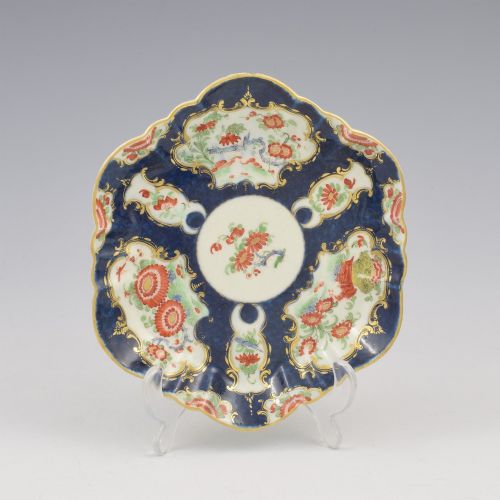
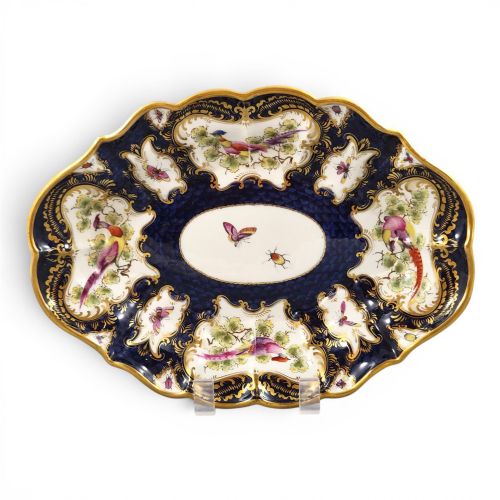
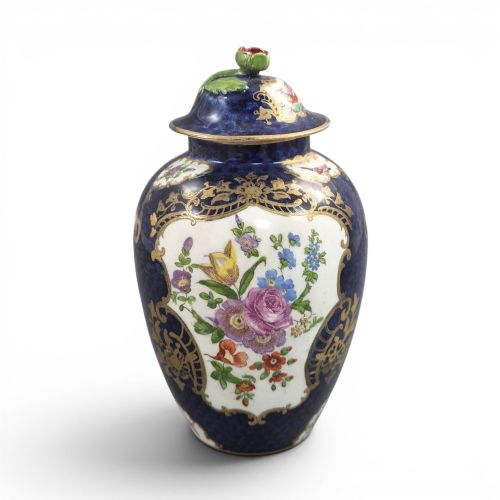
These pieces of blue scale porcelain combine rich underglaze cobalt grounds with elaborate enamel panels, making them a central prize for ceramic collectors.
Blue Scale Porcelain
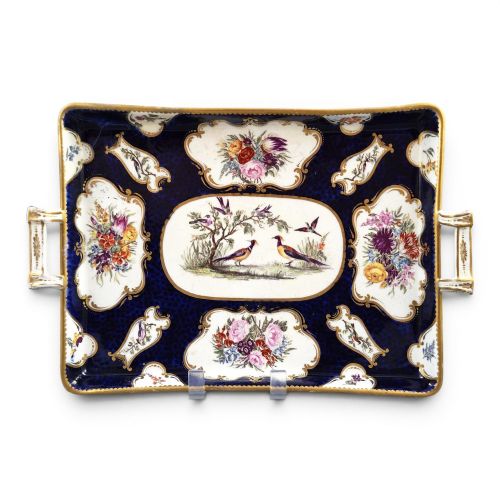
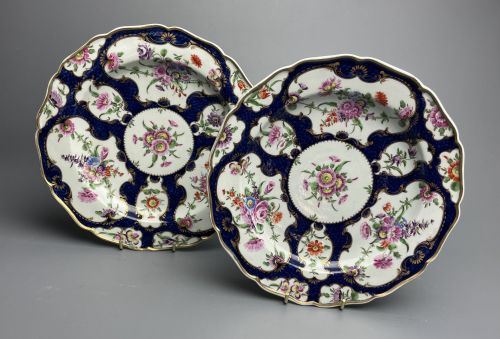
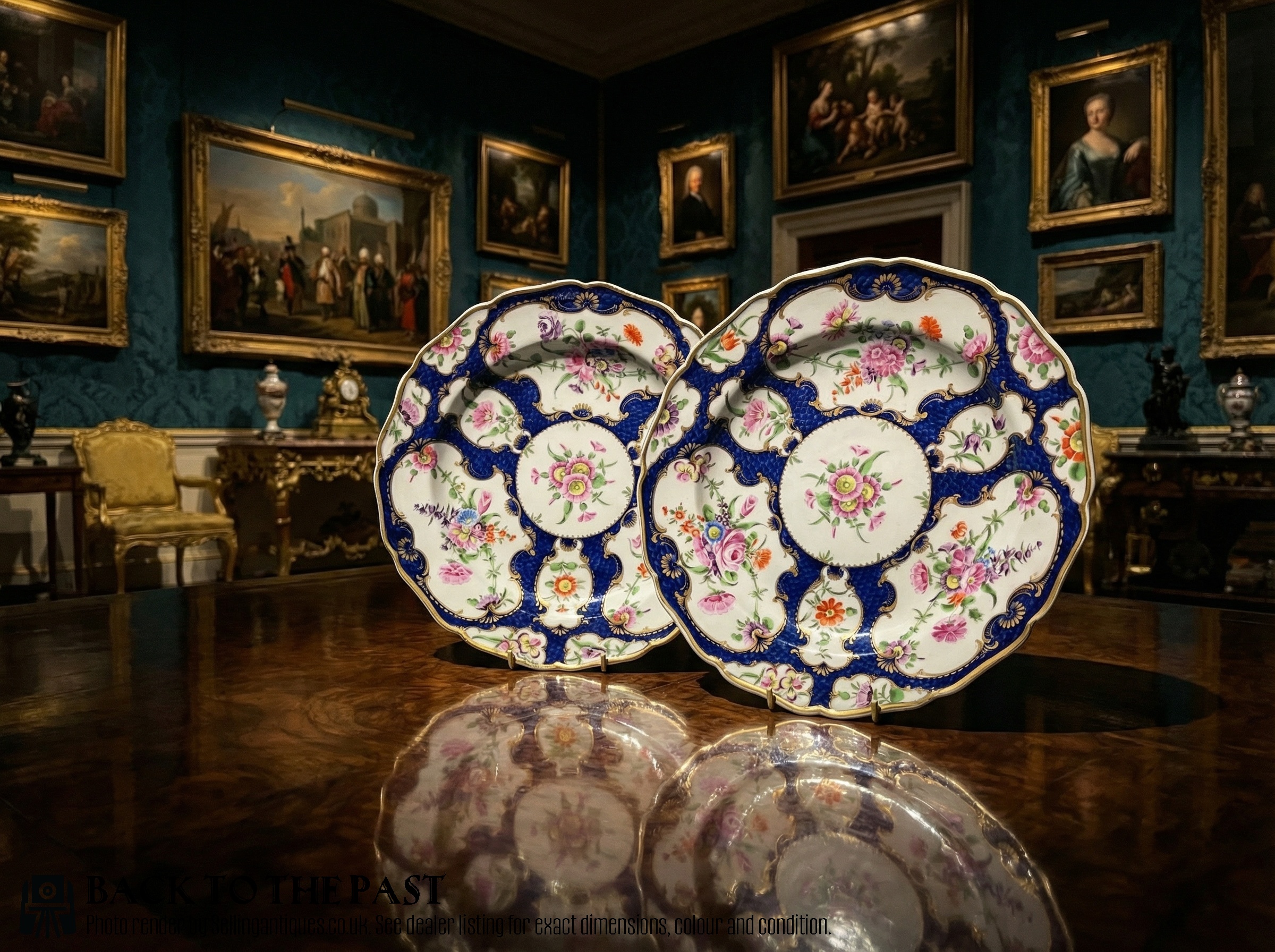
When you search for blue scale porcelain, you encounter ceramic tableware and decorative items defined by a distinctive textured ground resembling fish scales. The most common examples met on this page belong to the First Period Worcester factory from the eighteenth century, alongside later revivals.
The objects span practical and display forms, ranging from teapot stands, dessert dishes, and tea canisters to cups, saucers, and plates. These pieces display intricate hand-painted reserve panels filled with exotic birds, butterflies, flowers, and patterns such as Jabberwocky against the characteristic blue ground.
How they were made
Makers utilised soft-paste porcelain and standard ceramic bodies, applying an underglaze blue patterned ground by hand or via stencilling techniques. Artisans then added gilt accents and polychrome enamel details within reserved cartouches.
Firing took place across multiple stages to set the cobalt ground, the glaze, and the subsequent enamel painting and gilding layers. Gilding with gold leaf provided the distinct borders framing the painted panels.
Materials recorded across the archive include soft-paste porcelain, enamel, gold leaf, and ceramic bodies decorated with underglaze blue and gilding.
What varies in quality
Quality rests upon the crispness of the scale pattern and the skill demonstrated in the hand-painted enamel reserves. Finer examples exhibit precise control of the underglaze blue tone and superior detailing in the depiction of birds, insects, and floral motifs.
The application of gold leaf and the intricacy of the Rococo-style scrolling borders also distinguish finer specimens from standard output. The purity of the porcelain body and the alignment of the panels further determine the standing of each piece.
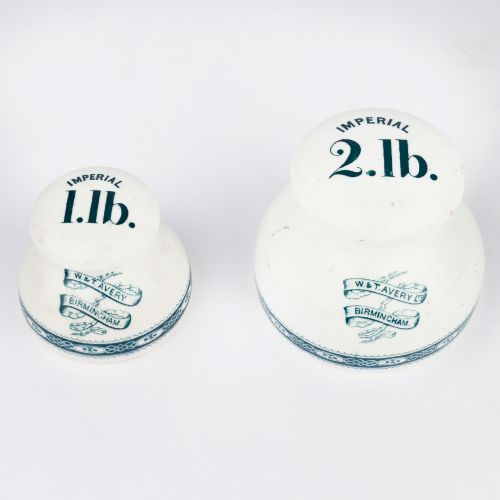
W and T Avery·Royal Worcester·Booths Silicon China·James Giles·Spode
The Blue Scale Porcelain Glossary
- Soft-Paste Porcelain
- A glassy ceramic material fired at lower temperatures than hard-paste porcelain. It possesses a warm tone and was widely used by eighteenth-century English factories.
- Underglaze
- Pigment applied to the ceramic body before the glaze is applied and fired. This technique protects the blue colour beneath a glassy surface layer.
- Enamel
- Opaque glass-based paint applied over the fired glaze to add colour to decorative panels. These pigments require a subsequent low-temperature firing to fuse with the surface.
- Gilding
- The application of gold leaf or gold paint to ceramic surfaces. It often highlights borders, rims, and panel outlines on finer wares.
- Cartouche
- An ornamental frame or border enclosing a painted scene. On these wares, they typically hold depictions of exotic birds or flowers.
Blue Scale Porcelain: Frequently Asked Questions
What is blue scale porcelain?
Blue scale porcelain refers to ceramic items featuring a distinctive textured underglaze blue ground that resembles fish scales. This pattern serves as a background for hand-painted panels containing birds, flowers, or insects.
The style is most closely associated with eighteenth-century English factories, particularly Worcester under the direction of Dr Wall, though later Victorian and Edwardian makers also produced pieces in this tradition.
How do I identify First Period Worcester?
First Period Worcester pieces date from the eighteenth century and often display crescent marks, square seal marks, or workman's marks beneath the glaze. The soft-paste porcelain body frequently shows characteristic translucent qualities when held to the light.
Decoration on these early pieces relies on careful hand-painting within reserve panels, combined with rich gilding and the signature scale-blue ground.
Were these pieces used daily?
While tea canisters, cups, saucers, and plates served practical functions in tea and dining service during the Georgian period, many decorative dishes and stands were intended for display. The delicate nature of soft-paste porcelain meant owners handled them with care.
Today, surviving examples function primarily as cabinet pieces or decorative accents in traditional interiors, preserving their enamel and gilt details.
What styles accompany this porcelain?
Blue scale porcelain frequently appears alongside Rococo Revival and Georgian Rococo design elements, visible in the asymmetrical scrolling frames and gilt borders surrounding the painted reserves. Victorian and Edwardian revivals later reinterpreted these eighteenth-century motifs.
The combination of ornate gilding, textured blue grounds, and detailed naturalistic subjects reflects the broader aesthetic preferences of these periods.