
Blue Sapphire Gold
Blue sapphire gold jewellery brings together deep corundum and precious metal in rings, pendants, and brooches spanning the Victorian era to the mid-twentieth century.
Blue Sapphire Gold
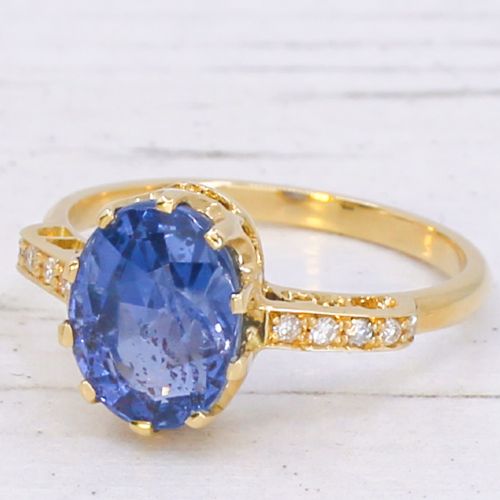
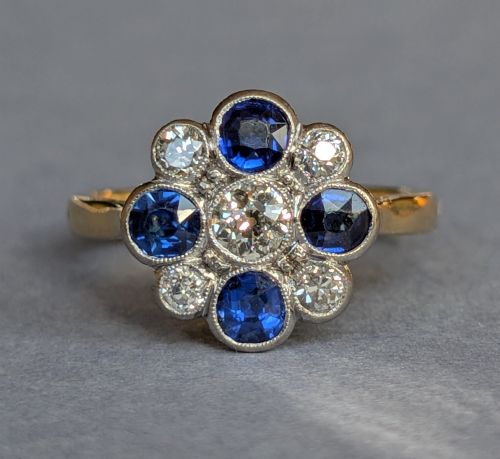
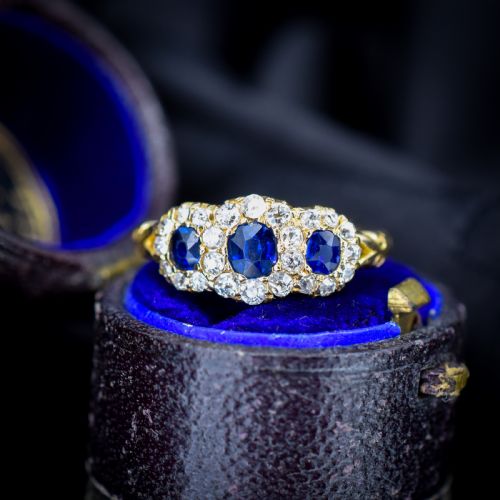
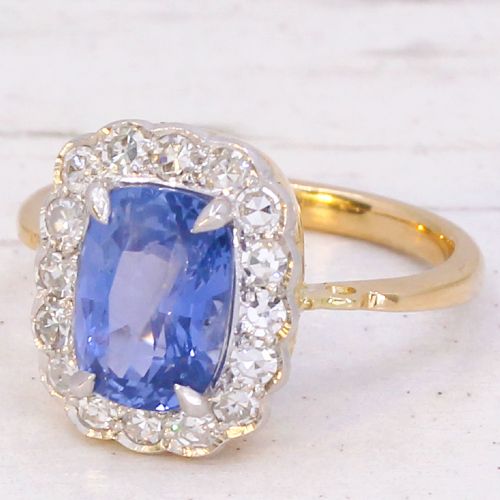
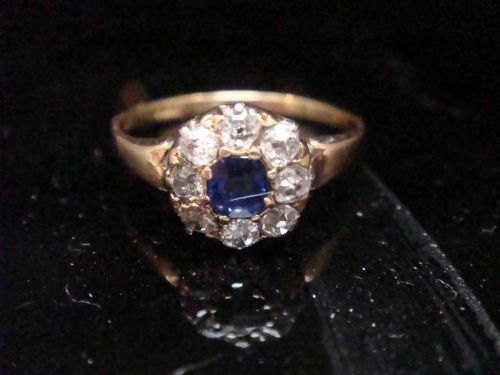
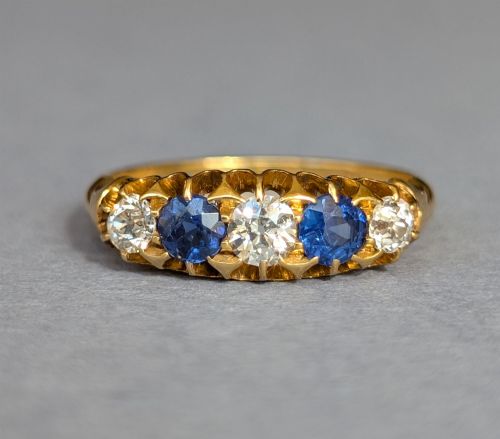
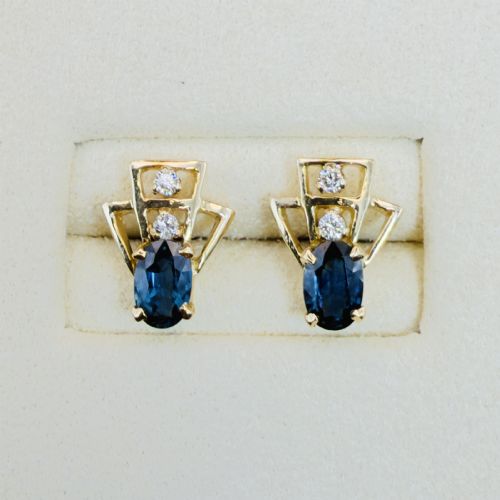
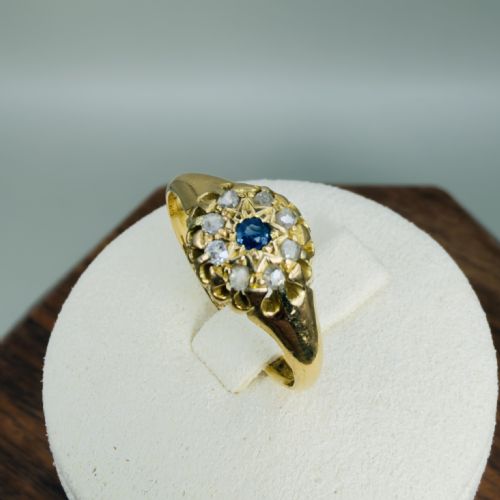
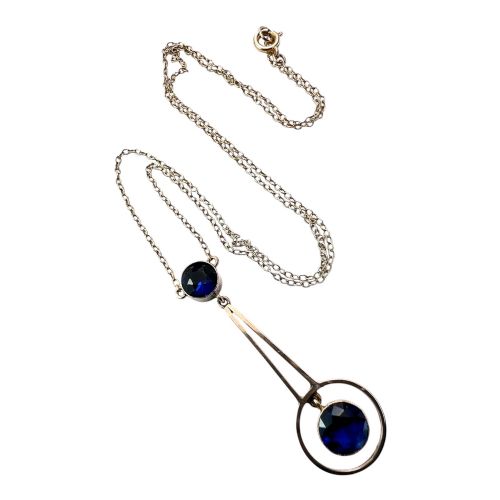
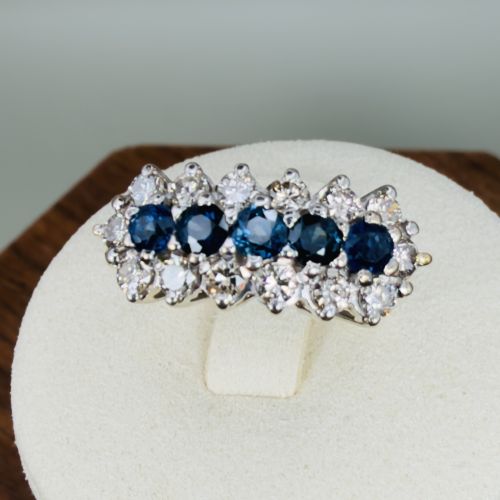
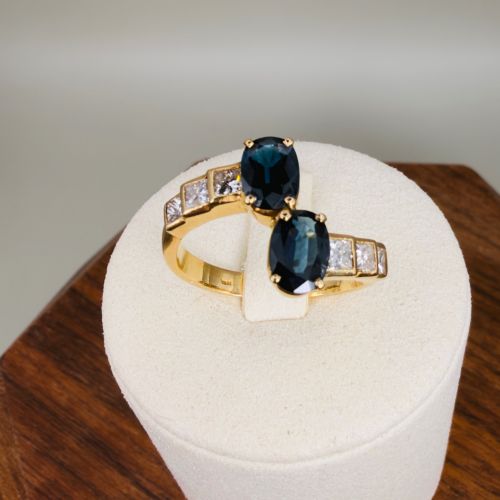
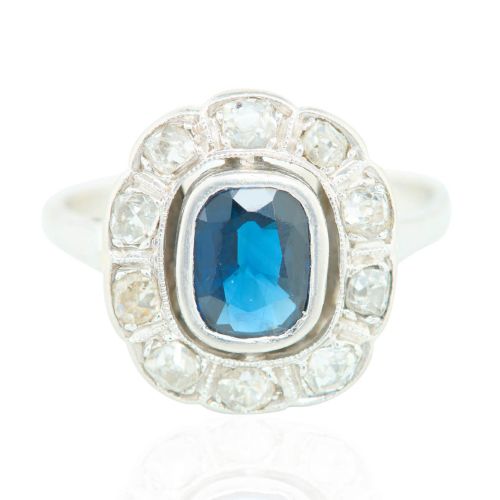
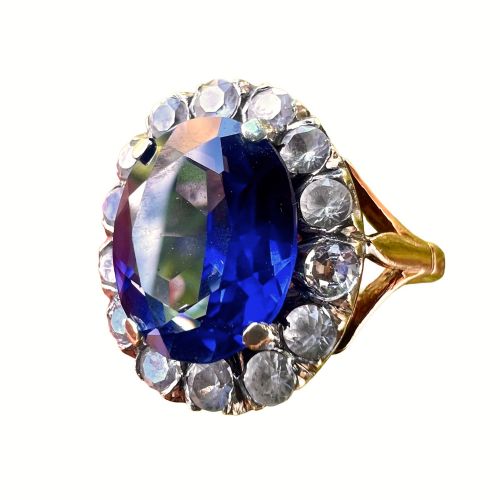
When searching for blue sapphire gold, a buyer encounters a diverse array of fine jewellery primarily consisting of cluster rings, drop necklaces, and stud earrings. The selection spans distinct historical periods, including Victorian, Edwardian, Art Deco, and mid-century modern designs.
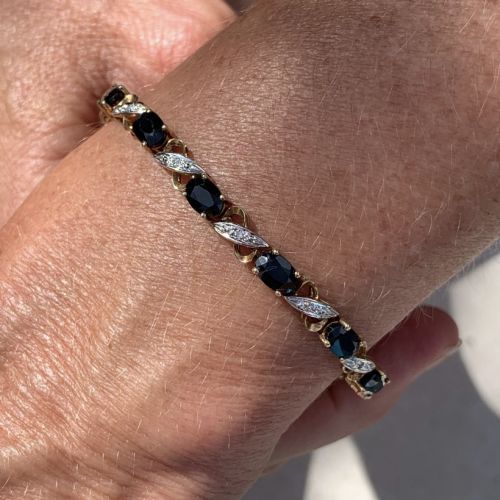
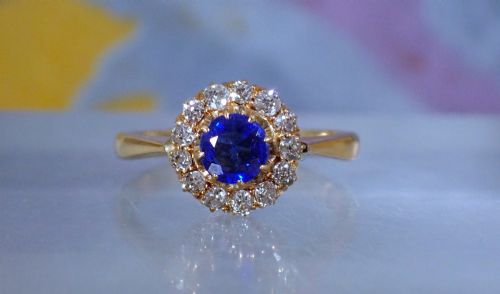
Cluster configurations dominate the available forms, often pairing a central blue corundum with accent diamonds in geometric or floral arrangements. Alongside rings, the inventory includes bracelets, pendants, and brooches set in varied karat weights of yellow and white gold.
How they were made
Jewellers utilised high-karat yellow gold, white gold, and platinum settings to secure the stones, frequently combining silver-topped gold in earlier pieces to enhance white diamond brilliance. Gemstones were shaped into oval, cushion, old mine, or calibre cuts, depending on the prevailing aesthetic of the era.
Techniques evolved from ornate Victorian claw and bezel mountings to the precise geometric channel and millegrain settings characteristic of Art Deco design. Master craftsmen balanced structural durability with delicate openwork to maximise light transmission through each sapphire.
What varies in quality
The distinction between standard examples and the top of the range rests primarily on the origin, saturation, and thermal treatment status of the central corundum. Unheated Ceylon or Burmese stones with vivid cornflower or royal blue hues command significant distinction over commercial-grade alternatives.
Craftsmanship and diamond accompaniment further dictate the tier of a piece, with old mine or well-matched old cut diamonds elevating the overall work. The integrity of the original metal mount, the presence of legible hallmarks, and the precision of the stone setting complete the evaluation.
Kutchinsky·Tiffany and Co
The Blue Sapphire Gold Glossary
- Calibre cut
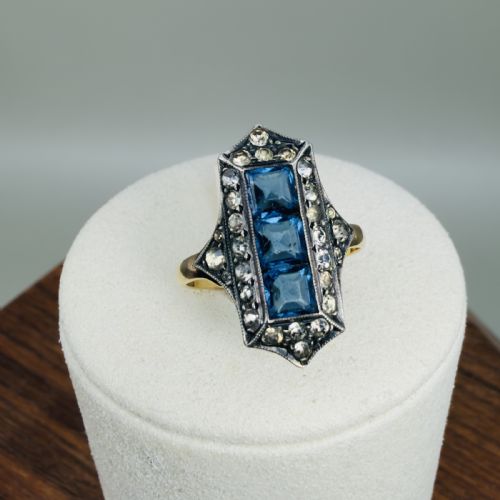
- Stones specially shaped, often square or rectangular, to fit tightly together in geometric channels without visible metal dividers. This technique defines many Art Deco cluster rings.
- Cluster ring
- A central gemstone surrounded by a border of smaller accent stones, typically diamonds. This arrangement maximises visual impact and light play.
- Millegrain
- A decorative jewellery technique featuring a textured border of tiny raised metal beads along the edge of a setting. It adds a refined, softened finish to Edwardian and Art Deco mounts.
- Old cut diamond
- A hand-faceted diamond style popular before modern brilliant cutting standards were established in the early twentieth century. These stones feature smaller tables and higher crowns.
- Trilogy ring
- A three-stone ring representing the past, present, and future, frequently combining sapphires and diamonds. The central gem is normally flanked by two matching side stones.
Blue Sapphire Gold: Frequently Asked Questions
How do I care for antique sapphire jewellery?
Maintain these pieces by cleaning them gently with warm soapy water and a soft brush, avoiding harsh ultrasonic cleaners that might compromise older settings.
Store items individually in fabric pouches to prevent the harder diamonds from scratching the gold bands or softer surrounding gems.
Are these sapphires heat treated?
Many historical sapphires are natural and unheated, though thermal treatment has been utilised for centuries to improve colour and clarity in corundum.
Documentation or laboratory certificates often accompany unheated stones from origins such as Ceylon or Burma to confirm their untreated status.
How do I distinguish Edwardian from Art Deco pieces?
Edwardian jewellery relies on platinum and yellow gold to create light, floral, and garland-inspired motifs with intricate millegrain detailing.
Art Deco design shifts towards rigid geometry, symmetry, and heavy use of calibre-cut stones set in platinum and white gold.