



Blue Red Anatolian Carpet
A blue red anatolian carpet brings rich history, distinct regional patterns and enduring textile craftsmanship straight to your floor.
Blue Red Anatolian Carpet
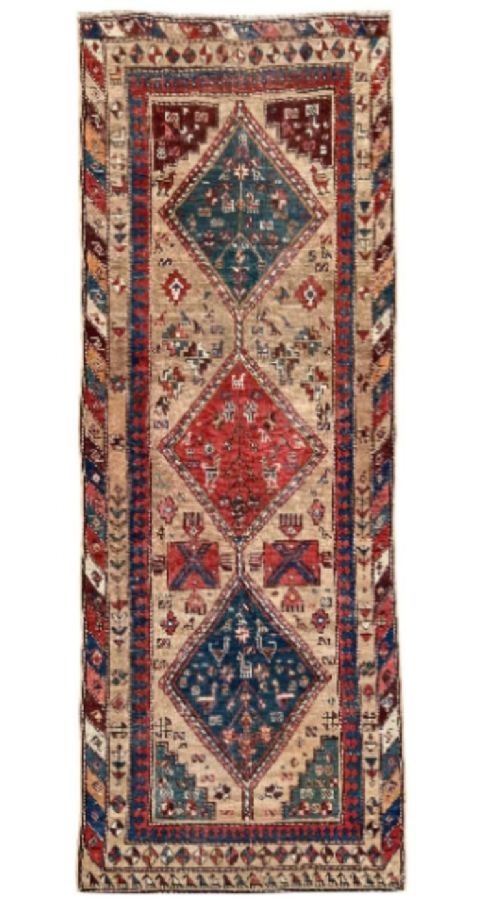
When you search for a blue red anatolian carpet, you encounter floor coverings and textiles woven across various regions of Anatolia. These pieces include runners, prayer rugs, village carpets and decorative cushions originating from distinct historical traditions.
The items found here span centuries of weaving, with examples dating from the eighteenth century through to the nineteenth and twentieth centuries. The selection encompasses established regional styles such as Ushak, Bergama, Ladik, Konya and Yagcebedir.
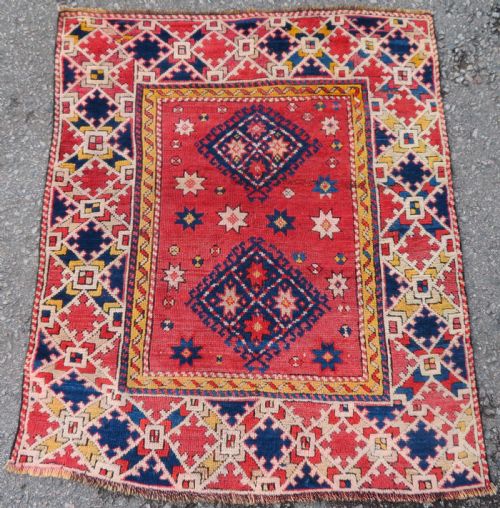
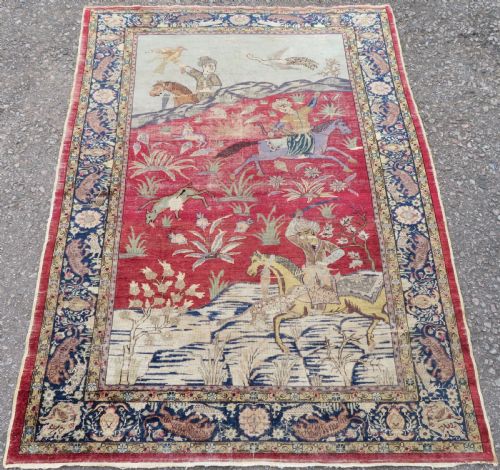
Most pieces you meet on this page display traditional motifs, star medallions or pictorial hunting scenes worked in wool, cotton or silk. They serve both as functional floor coverings and as notable historical decorative objects.
What varies in quality
Quality in these textiles rests upon the fineness of the knotting, the integrity of the natural materials and the preservation of the original pile. Finer wools and tightly packed foundations yield greater durability and sharper pattern definition.
The depth and vibrancy of the dye work, alongside the clarity of regional design motifs, distinguish finer examples from simpler village pieces. Age, structural stability and the completeness of original borders also influence the standing of an individual carpet.
Some nineteenth-century weavers carefully split kilims into two parts before joining them back together, creating a symmetrical puzzle on the floor.
The Blue Red Anatolian Carpet Glossary
- Prayer rug
- A small carpet featuring a mihrab or niche design, traditionally used for individual daily prayers.
- Runner
- An elongated narrow carpet format suited to hallways, corridors or stairways.
- Kilim
- A flat-woven textile produced without a raised pile, often constructed using slit-weave techniques.
- Medallion
- A central ornamental motif set into the field of a carpet, frequently taking star or geometric forms.
- Mihrab
- The arched niche design depicted on prayer rugs that indicates the direction of prayer.
Blue Red Anatolian Carpet: Frequently Asked Questions
How do I clean an old carpet?
These historical textiles require gentle care to protect delicate natural fibres and traditional dyes. Professional specialist cleaning remains the safest method for removing accumulated dust without causing structural harm.
Regular light vacuuming without a beater bar helps maintain the surface. Avoid harsh chemical treatments and excessive moisture to preserve the wool and cotton foundations.
Can I use these runners in hallways?
Many of these pieces are specifically formed as long runners or rug runners designed for narrow spaces. Placing a suitable underlay beneath the textile prevents slipping and reduces friction against high-traffic floors.
Consider the pile depth and overall condition before placing a fragile or nineteenth-century runner in a heavily utilised corridor.
How do I date an antique rug?
Dating relies upon examining structural characteristics, wool consistency, dye palettes and regional weaving traits. Eighteenth-century pieces often display distinct structural wear and specific prayer designs associated with historical production centres.
Comparing the knot density and stylistic evolution against established village types helps narrow down the period of manufacture.
What is an Ushak carpet?
Ushak carpets originate from the town of Ushak in western Anatolia and are celebrated for large-scale floral or geometric designs. These pieces often utilise soft wools and distinctive colour palettes that gained favour in European and Ottoman interiors.
They represent a major tradition within Anatolian carpet production spanning multiple centuries.