





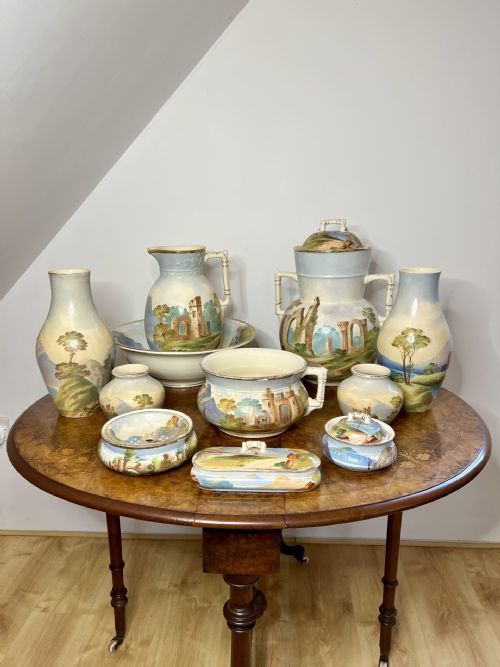


Blue Pottery Stand
A blue pottery stand brings functional cobalt charm to a table, offering a sturdy base for serving pieces and ornamental items alike.
Blue Pottery Stand
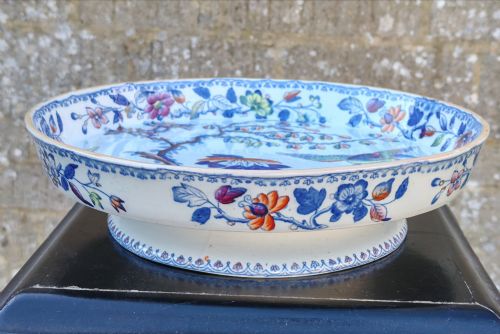
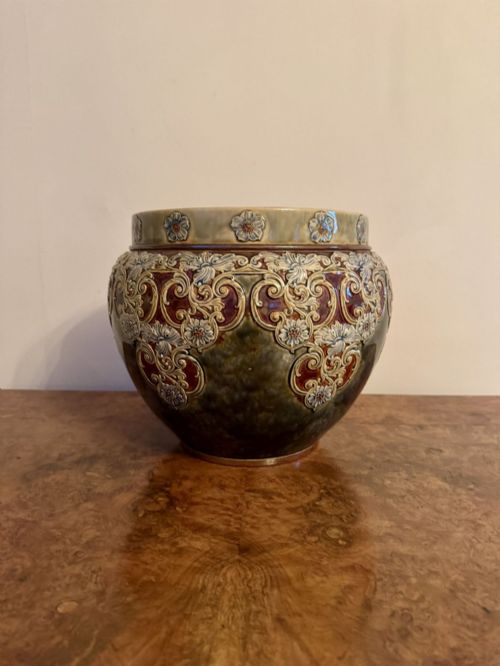
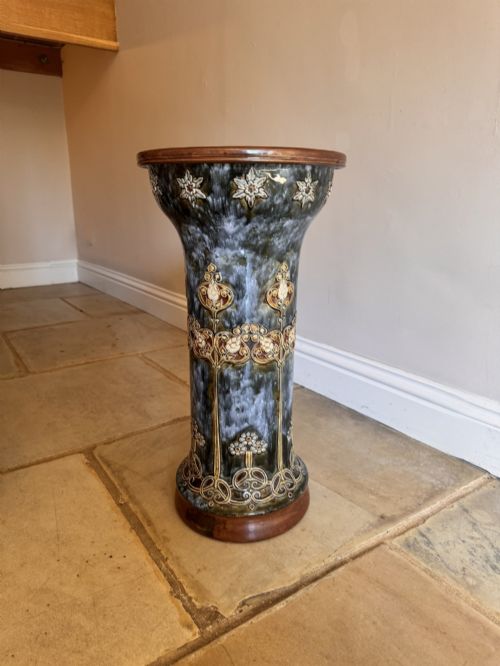
When you search for a blue pottery stand, you encounter a variety of ceramic forms designed to support or display items like tureen bases, cheese dishes, and inkwells. These pieces emerge predominantly from Georgian and Victorian periods, reflecting shifting domestic habits and table arrangements.
The selection ranges from transfer-printed earthenware platters and bread stands to tin-glazed faience inkstands and ceramic pedestals. Georgian examples often feature detailed blue and white transfer patterns, whilst Victorian pieces expand into Staffordshire figures, majolica, and specialised stands.
Originating largely from English potteries alongside Dutch Delft and continental workshops, these items serve both utilitarian and decorative roles in historic table settings. They represent a tangible connection to nineteenth-century interior aesthetics and dining customs.
How they were made
Potters utilised earthenware, pearlware, and ironstone as the primary bodies for shaping these stands, forming them either on a potter's wheel or within moulds. Tin glaze or clear lead glaze was then applied to seal the ceramic body and provide a smooth surface for decoration.
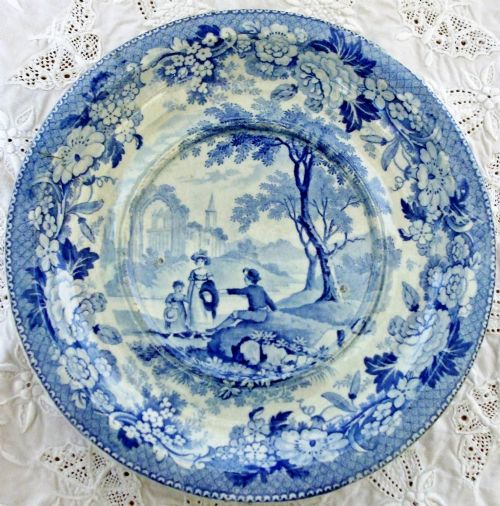
Cobalt blue pigments were painted by hand or transferred onto the ceramic surface using engraved paper prints before the final firing process. This technique created the distinct blue and white imagery seen across Georgian transfer-printed tureen stands and Dutch Delft pieces.
Blue Pottery Stand Retail Price Guide 2026
Typical asking prices for blue pottery stand among the pieces listed under this phrase on Sellingantiques today, from the lower quarter to the upper quarter. They describe what is for sale here now, not the wider market.
Periods represented span from Georgian and Victorian eras through to Edwardian and Art Nouveau designs.
What varies in quality
The quality of a blue pottery stand rests in the crispness of its transfer print or the fine detail of its hand-painted blue and white motifs. Early Georgian and Victorian pieces demonstrate superior control during the glazing and firing stages, resulting in minimal distortion and vibrant cobalt depth.
Form and proportion further distinguish finer examples, particularly where stands incorporate pierced borders, moulded feet, or intricate architectural patterns like the Lanje Lijszen or Canovian Statues designs. Superior potting ensures an even weight distribution and a stable platform suited to its intended decorative or serving function.
Spode·J. & R. Clews·Rogers·Clement Massier·Burmantofts Art Pottery·Moorcroft·Carlton Ware
The Blue Pottery Stand Glossary
- Transfer-print
- A method of decorating ceramics by engraving a design upon a copper plate, pulling an impression on tissue paper, and pressing it onto the unfired or biscuit ceramic body. This technique allowed intricate pictorial scenes to be replicated consistently in blue oxide.
- Earthenware
- A porous ceramic body fired at lower temperatures, requiring a glaze to render it impermeable to liquids. It forms the base material for the majority of nineteenth-century blue and white tableware and stands.
- Pearlware
- A refined form of earthenware developed by Josiah Wedgwood in the late eighteenth century, featuring a thin glaze with a slight bluish tinge that pooled in crevices. This innovation made the underlying white ceramic body appear whiter.
- Tin-Glazed Earthenware
- Pottery covered with a white tin-opacified glaze that provides an opaque white background for painted cobalt decoration. It is characteristic of Dutch Delft and continental faience production.
- Tazza
- A shallow ornamental cup or plateau mounted on a pedestal stem, used historically for serving food or displaying items on a dining table.
Blue Pottery Stand: Frequently Asked Questions
What is a blue pottery stand used for?
These stands historically served as protective bases placed beneath soup tureens, sauce boats, and cheese dishes to catch drips and protect fine dining tables. They also functioned independently as display platters or pedestals for decorative items.
Over time, their roles shifted from purely utilitarian dining table accessories to ornamental display pieces that showcased intricate cobalt transfer prints or majolica glazes in Victorian interiors.
How do I date a blue pottery stand?
Dating relies heavily on observing the ceramic body, glaze characteristics, and the style of the blue transfer print or hand-painted design. Georgian pieces often display refined pearlware bodies with classical or romantic ruin motifs, whilst Victorian examples frequently incorporate bolder ironstone fabrics or majolica glazes.
Maker marks stamped or printed on the underside also provide definitive clues, though many early nineteenth-century stands rely purely on stylistic cues and pattern names.
Are blue pottery stands dishwasher safe?
Historic ceramic stands require hand washing with mild soap and warm water to preserve their fragile glazes and centuries-old earthenware bodies. Modern dishwashers expose antique ceramics to aggressive detergents and thermal shock that can craze the glaze or damage transfer-printed decoration.
Careful handling ensures the cobalt pigments and delicate edges, such as pierced net patterns, remain intact for future display.
How do I display a blue pottery stand at home?
A blue pottery stand makes a striking wall display when mounted securely on plate hangers, highlighting the intricate blue and white pictorial scenes. Alternatively, they can rest on sideboards or mantelpieces to anchor collections of smaller ceramics and glassware.
Their flat surfaces also suit tabletop arrangements, where they can hold candles, small plants, or decorative spheres.