




Blue Pottery Serving Plate
A blue pottery serving plate brings deep cobalt decoration and historical character to the table, offering a durable centrepiece for presentation and dining.
Blue Pottery Serving Plate
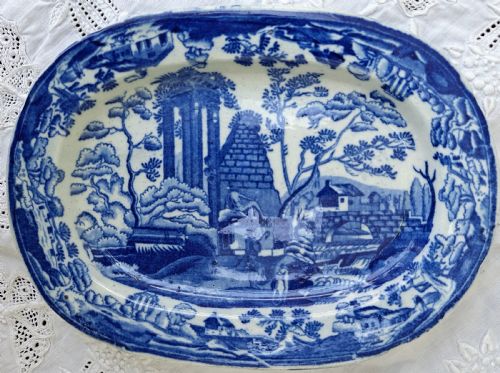
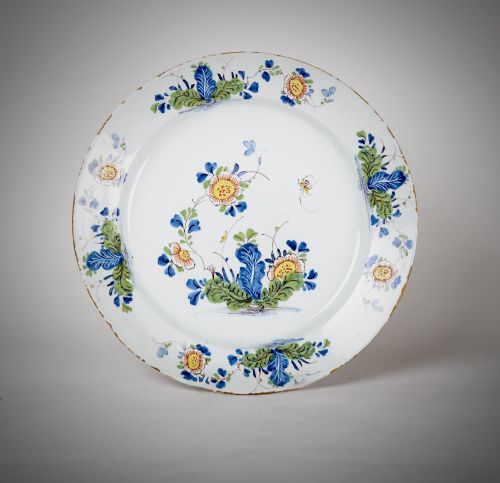
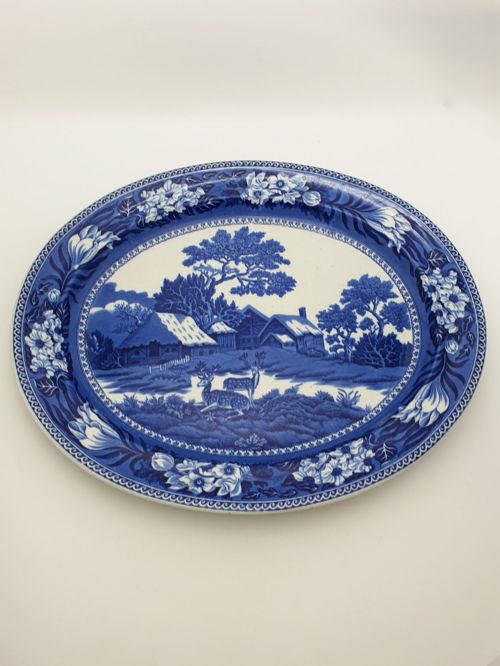
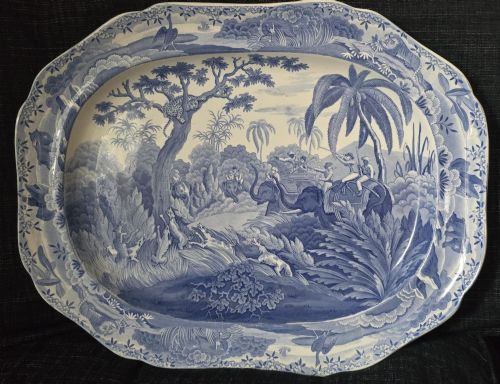
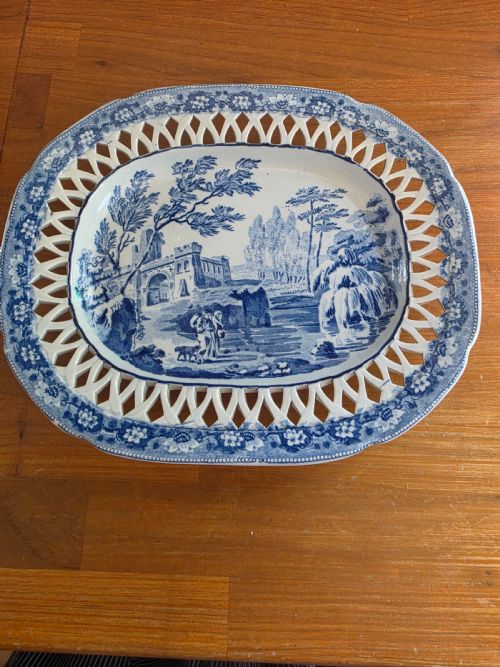
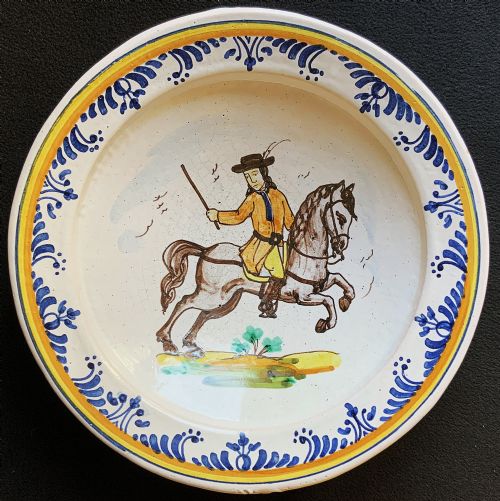
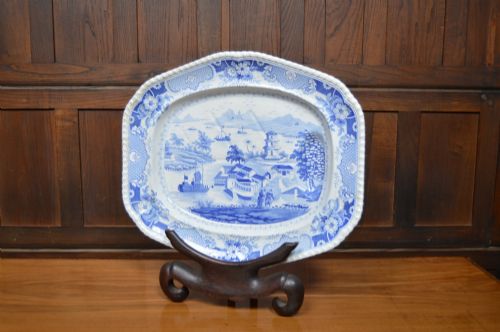
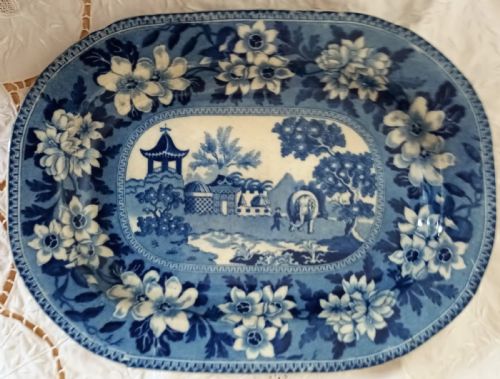
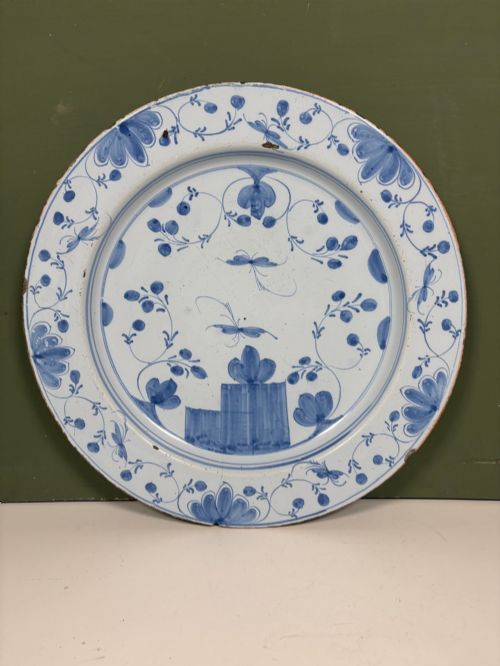
A blue pottery serving plate encompasses large platters, meat dishes, chargers, and bread stands designed for presentation and dining across the eighteenth and nineteenth centuries. You will most frequently encounter transferware meat platters and delft chargers bearing rich cobalt blue patterns.
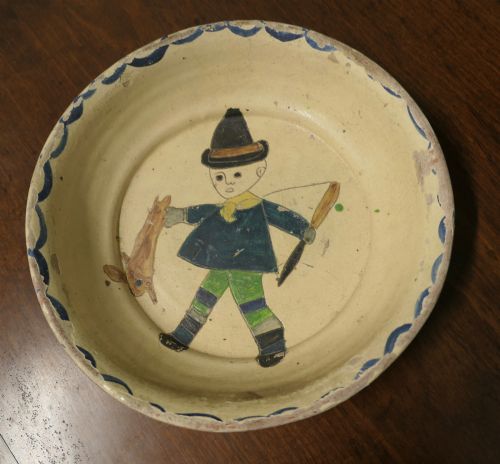
The selection ranges from early Georgian earthenware pieces and Regency transfer prints to Victorian chinoiserie designs and Japanese Imari plates. Makers utilised earthenware, pearlware, and tin-glazed compositions to produce these functional items for domestic interiors.
The forms extend from deep round chargers and oval meat dishes to trefoil dishes and tazza stands. Each blue pottery serving plate reflects the prevailing aesthetic tastes of its period, spanning Dutch Baroque influences to classical English transfer scenes.
How they were made
Potters shaped earthenware and ceramic bodies by hand or on a wheel before applying an opaque tin glaze or a translucent ceramic glaze. Cobalt pigment served as the primary colourant, painted directly onto the raw glaze or transferred from engraved paper onto the fired surface.
Transfer printing revolutionised production during the Georgian and Victorian eras, allowing intricate patterns like landscapes and historical scenes to be applied with precision. Enamel colours were sometimes added over the glaze for enhanced visual depth, particularly on Imari and polychrome examples.
Blue Pottery Serving Plate Retail Price Guide 2026
Typical asking prices for blue pottery serving plate among the pieces listed under this phrase on Sellingantiques today, from the lower quarter to the upper quarter. They describe what is for sale here now, not the wider market.
Listings feature earthenware, pearlware, and tin-glazed earthenware spanning the eighteenth and nineteenth centuries.
What varies in quality
Quality rests in the crispness of the transfer print and the depth of the cobalt pigment against the body. Finer examples display sharp, well-registered details without blurring or running in the glaze.
The artistry of the hand-painted brushwork or the complexity of the moulded form separates standard domestic output from superior decorative pieces. Heavier ironstone and well-balanced earthenware bodies also indicate higher manufacturing standards.
Spode·Davenport·John Rogers and Son·Thomas Lakin·Mintons·Don Pottery·Elkin Knight and Bridgwood·Masons Patent Ironstone
The Blue Pottery Serving Plate Glossary
- Transferware
- Earthenware decorated by applying a printed design from an engraved copper plate onto paper, which is then transferred to the ceramic surface. This technique enabled intricate pictorial patterns to be produced in volume.
- Delft
- Tin-glazed earthenware originating in the Netherlands and England, typically featuring a white opaque glaze painted with blue pigments. It often exhibits characteristic surface crazing and earthen body tones.
- Charger
- A large decorative plate or platter used primarily for display or formal serving rather than individual dining. These substantial pieces provide a broad canvas for elaborate painted or printed scenes.
- Ironstone
- A heavy, durable type of feldspathic earthenware patented in the nineteenth century to imitate porcelain. It resists chipping and staining while supporting crisp blue and white patterns.
- Pearlware
- A refined form of earthenware developed in the late eighteenth century with a bluish-tinted glaze that pooled slightly in crevices to mimic Chinese export porcelain.
Blue Pottery Serving Plate: Frequently Asked Questions
How were serving plates used historically?
Serving plates and platters presented meats, breads, and courses at the dining table during formal meals. They functioned as both practical tableware and decorative focal points.
Larger chargers were frequently displayed on sideboards or hung on walls when not in active service for dining.
Can I use antique platters for food today?
Most antique earthenware and ironstone pieces remain structurally robust for serving dry foods or room-temperature dishes. However, centuries of use can make historic glazes sensitive to acidic foods.
Hand washing without harsh detergents helps preserve the delicate cobalt pigments and older ceramic bodies.
How do I identify a Georgian piece?
Georgian pieces typically exhibit early transfer-printed patterns featuring pastoral scenes, historical landmarks, or classic chinoiserie motifs. The underlying earthenware is often heavier and warmer in tone.
Backstamps are frequently absent or consist of simple impressed makers' marks rather than printed registry numbers.
What is the difference between delft and transferware?
Delft involves hand-painted cobalt pigment applied directly onto a tin glaze, resulting in softer outlines and an opaque white surface. It is characteristic of eighteenth-century production.
Transferware utilises a mechanical printing method to apply intricate, highly detailed engravings onto glazed earthenware during the nineteenth century.