
Blue Pottery Jar
When you search for a blue pottery jar, you uncover centuries of ceramic craft spanning Delftware, Japanese Imari, and English earthenware.
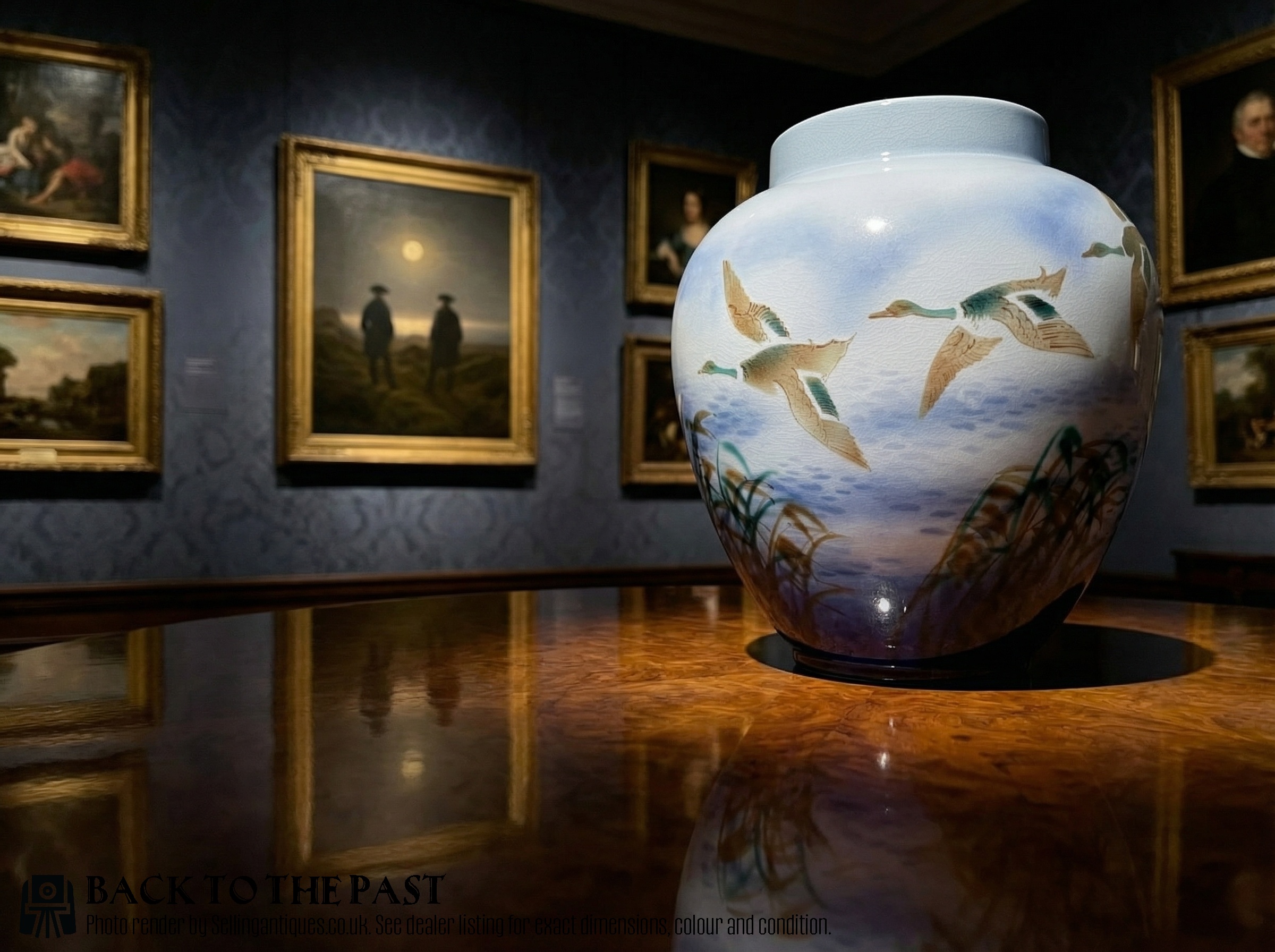
Blue Pottery Jar
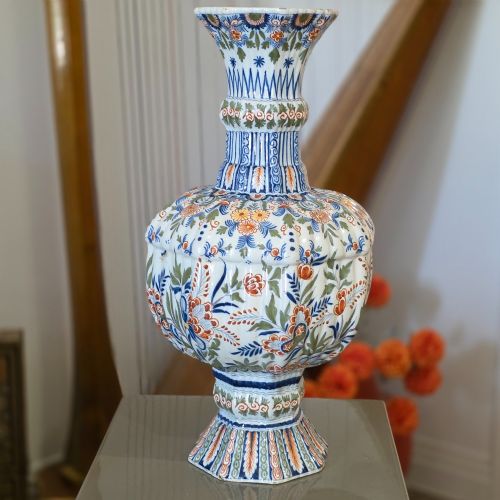
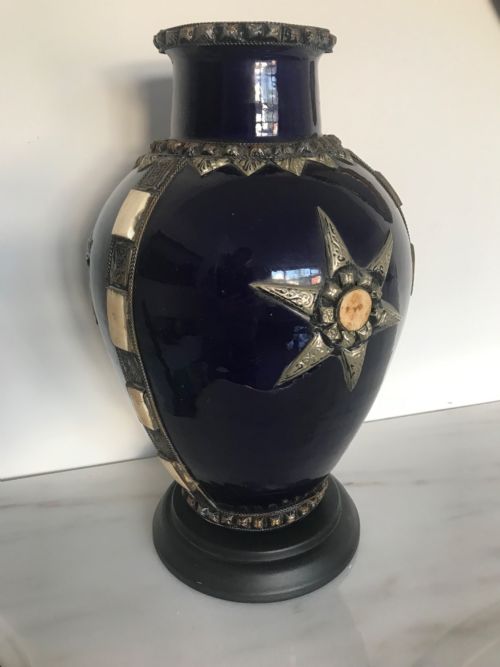
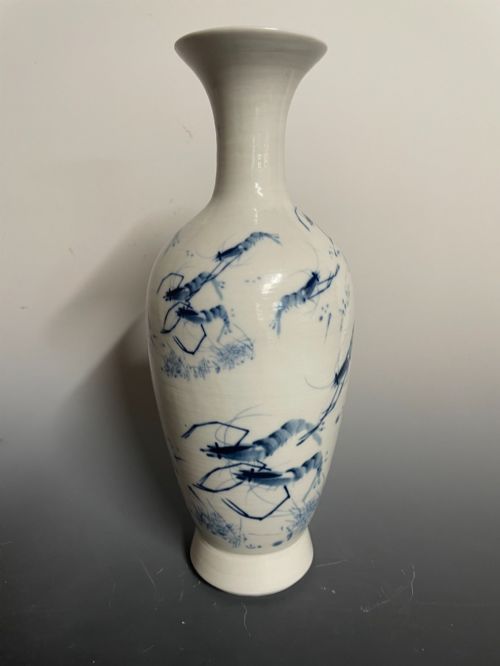
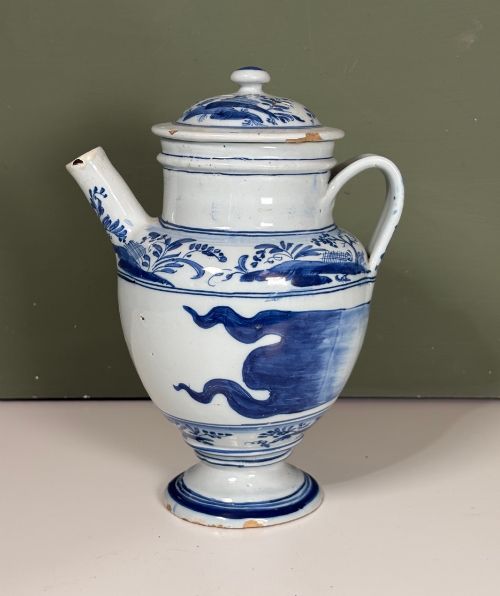
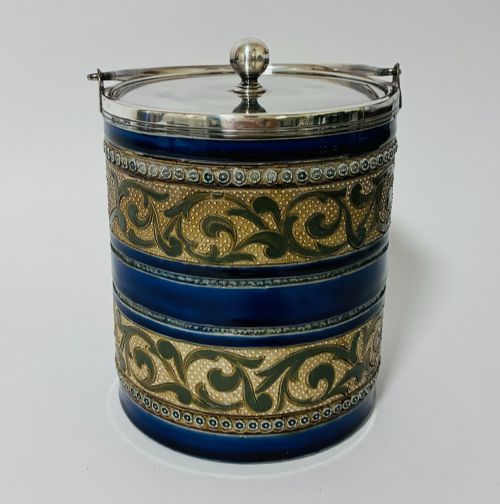
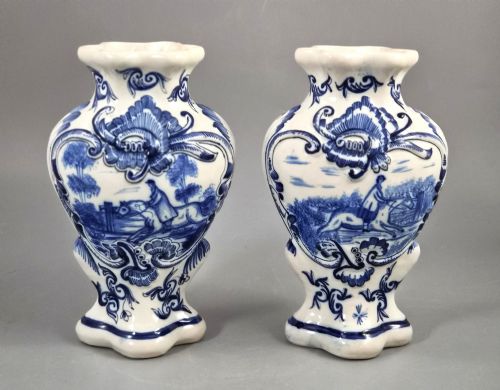
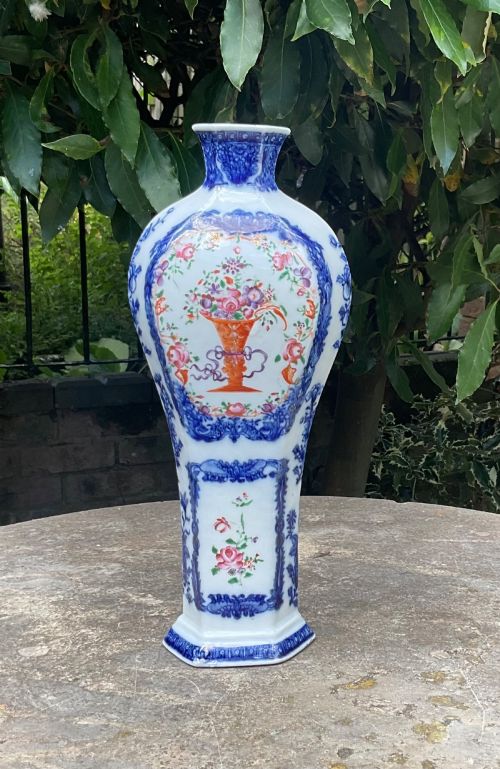
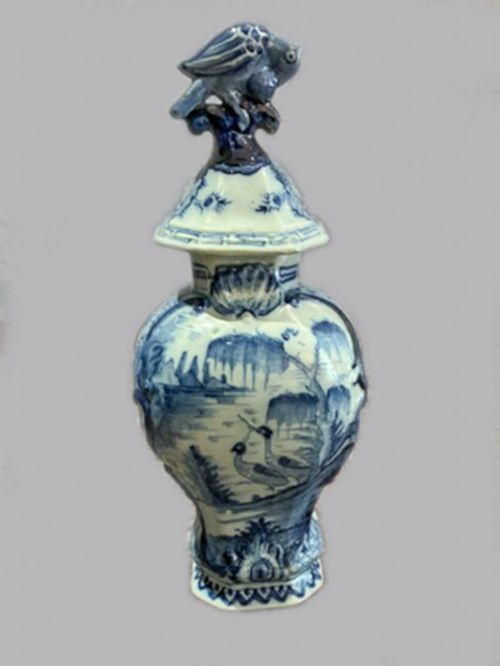
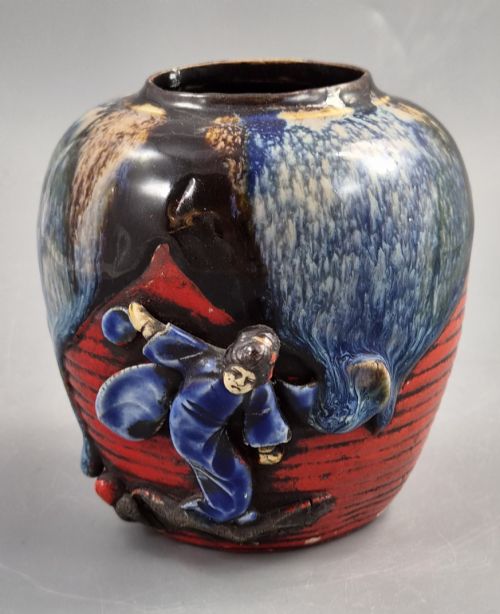
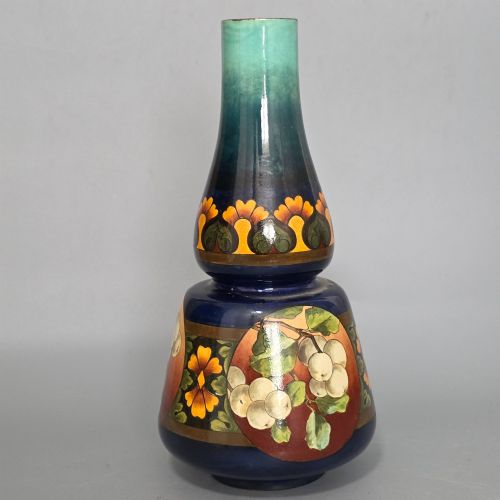
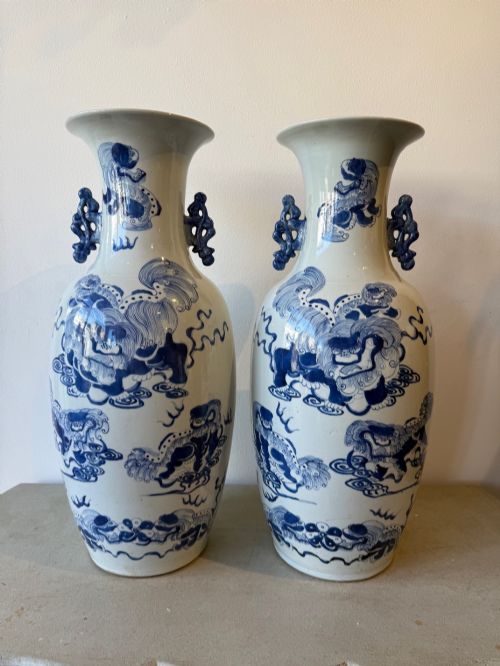
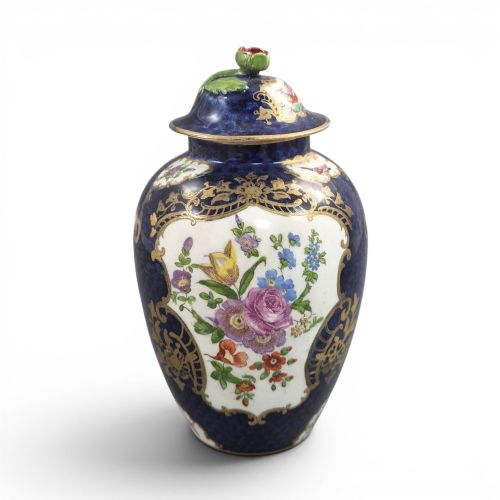
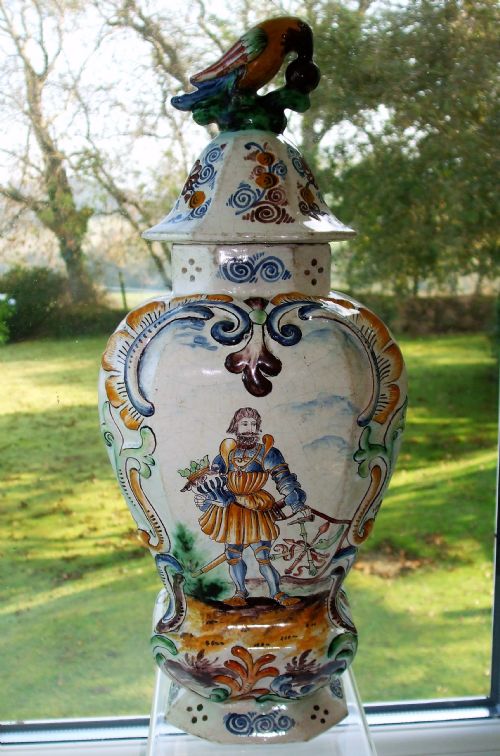
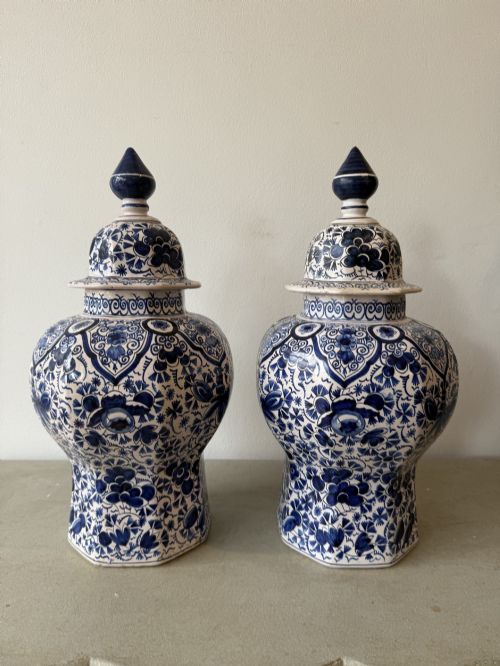
A blue pottery jar encompasses a wide variety of forms, including apothecary jars, biscuit barrels, tobacco jars, and lidded vases designed for display or storage. The pieces seen here stretch from the seventeenth century through the Victorian and Edwardian eras, incorporating styles such as Dutch Delft, Japanese Imari, and Italian Majolica. Buyers most frequently encounter tin-glazed earthenware vessels from the eighteenth and nineteenth centuries alongside later ceramic and porcelain productions.
The functional origins of these vessels vary from pharmaceutical wet drug jars used in European apothecaries to decorative lidded vases made for domestic interiors. Many surviving examples retain their original covers, while others take the form of baluster vases or handled urns. Regional traditions dictate the specific motifs applied to the surface, ranging from traditional Dutch Chinoiserie birds and flowers to intricate Japanese panels and British transfer-printed designs.
Materials and production methods
Makers shaped these jars using earthenware, porcelain, ceramic, and ironstone as base bodies, applying tin glazes to create an opaque white surface suitable for cobalt blue painting. Tin-glazed earthenware, often associated with Delftware and Faience production, required careful firing to set the pigment into the liquid glaze before a final protective coating sealed the body. Other pieces utilise porcelain or dense stoneware bodies decorated with underglaze blue, enamel highlights, and occasional applications of gold leaf.
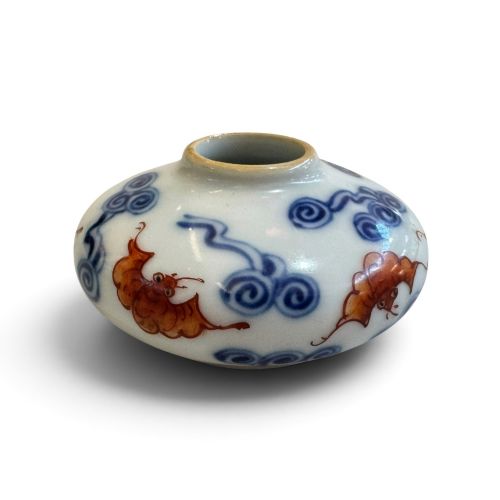
Surface ornamentation relied on hand-painted brushwork or transfer printing, depending on the period and the workshop traditions. Japanese Imari pieces combined cobalt blue underglaze painting with rich iron-red and gilt details, while English biscuit barrels frequently incorporated silver-plated mounts or ceramic reliefs such as Jasperware. Potters in England, France, Italy, and East Asia each developed distinct glaze recipes that determined the depth and tone of the blue coloration.
Several charming pieces double as portraits of loyal hounds, including a French Faience poodle tobacco jar.
Factors that separate examples
Quality in a blue pottery jar rests on the precision of the brushwork, the clarity of the cobalt pigment against the background glaze, and the preservation of the original body and lid. Superior examples exhibit fluid, hand-executed painting with sharp delineation of motifs, whereas simpler commercial productions show standard transfer-printed repetition or heavier glaze pooling.
The integration of secondary materials, such as silver-plated mounts on biscuit barrels or bronze fittings on urns, contributes to the overall distinction of the piece. Well-balanced proportions and undamaged lids that match the exact glaze characteristics of the base jar indicate higher original craftsmanship and careful preservation over the centuries.
Fourmaintraux-Courquin·Doulton Lambeth·Minton
The Blue Pottery Jar Glossary
- Albarello
- A type of majolica earthenware jar designed for pharmacy use, typically featuring a waisted cylindrical body for easy gripping on apothecary shelves. These vessels frequently held ointments and dried drugs.
- Tin-Glaze Earthenware
- Pottery coated with a glaze containing tin oxide, which fires to an opaque white finish that accepts cobalt blue painting directly on the surface. This technique defines traditional European Delftware and Faience.
- Imari
- A style of Japanese porcelain featuring a palette dominated by underglaze cobalt blue and iron red, often enriched with gold. The tradition originated in Arita and was widely exported to Europe.
- Biscuit Barrel
- A covered ceramic container used on nineteenth-century dining tables to keep dry baked goods fresh. Many examples feature metal rims and handles plated in silver.
- Flow Blue
- A nineteenth-century transfer printing technique where the cobalt blue pigment intentionally blurred slightly into the surrounding white glaze during firing. This created a rich, hazy aesthetic popular in Edwardian ceramics.
Blue Pottery Jar: Frequently Asked Questions
What were apothecary jars used for?
Apothecary jars served as storage containers in pharmacies and dispensaries for holding dry drugs, syrups, and medical ointments. Their tight-fitting lids protected the contents from moisture and air.
Over time, these utilitarian vessels transitioned into decorative objects prized by collectors for their historical pharmacy labels and hand-painted blue designs.
How do I identify Dutch Delft?
Dutch Delft pieces typically feature tin-glazed earthenware bodies decorated with cobalt blue motifs inspired by Chinese porcelain or local landscapes. They date primarily from the seventeenth and eighteenth centuries.
Examining the unglazed foot rim often reveals the porous earthenware body beneath the white glaze, helping distinguish authentic period pieces from later revivals.
Are biscuit barrels still functional?
Biscuit barrels remain entirely suitable for everyday use on a dining table or kitchen counter to store dry goods. Their original purpose was to keep delicate pastries crisp in domestic settings.
Care should be taken with pieces featuring silver-plated mounts or delicate ceramic bodies, washing them by hand rather than placing them in a dishwasher.
How are Japanese Imari jars different?
Japanese Imari jars are made from hard porcelain rather than softer earthenware, displaying a distinctive palette of cobalt blue and iron red alongside gold leaf highlights. They were produced extensively during the Edo period for export.
The dense porcelain body and resonant ring when tapped distinguish these Asian export wares from European tin-glazed imitations.