







Blue Pottery Bowl
When you search for a blue pottery bowl, you enter a world of tin-glazed earthenware, transfer-printed scenes, and hand-painted porcelain spanning centuries.
Blue Pottery Bowl
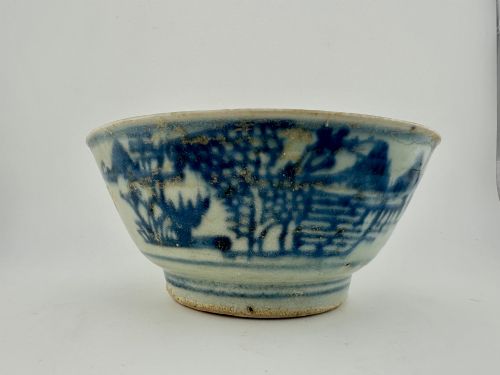
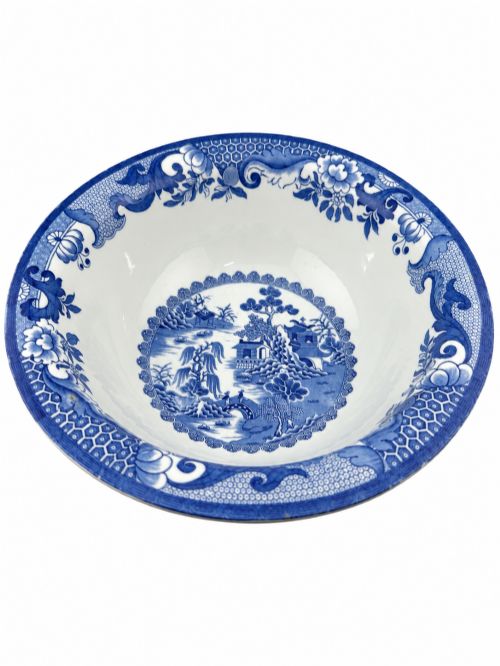
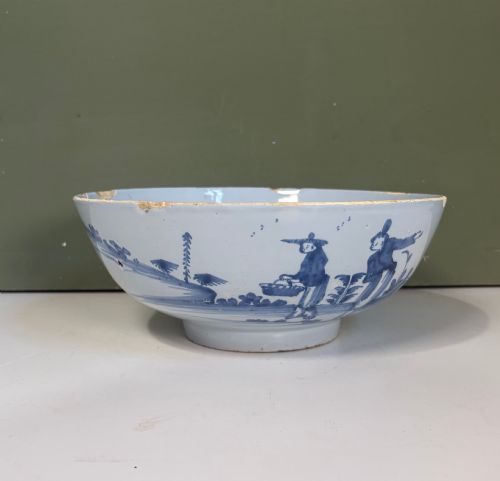
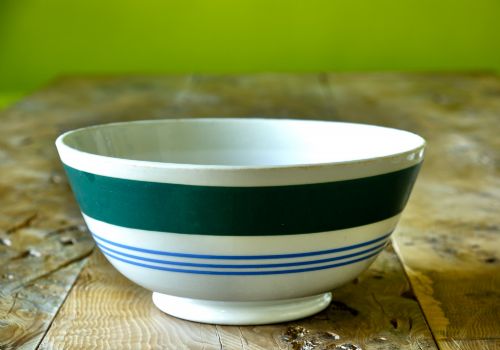
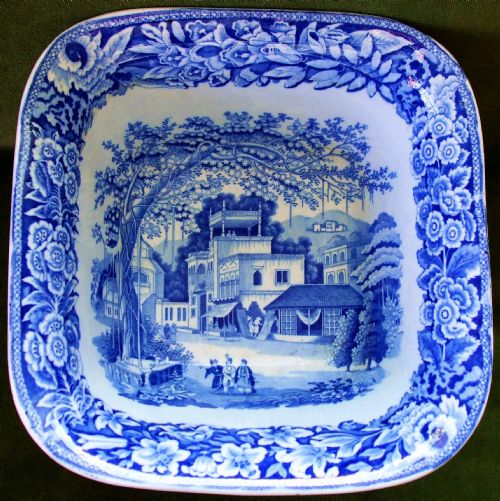
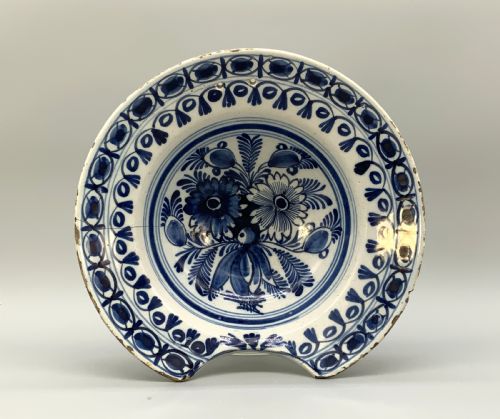
A blue pottery bowl encompasses a broad spectrum of domestic and decorative vessels, ranging from eighteenth-century delftware to nineteenth-century transfer-printed earthenware and twentieth-century art pottery. You will frequently encounter nineteenth-century Staffordshire footed bowls and transfer-printed patterns featuring river scenes and oriental motifs.
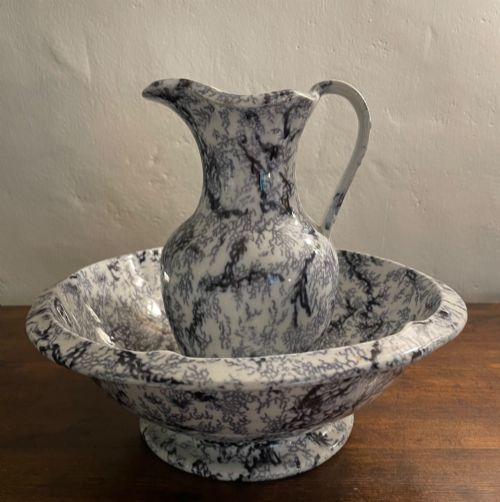
The material evidence spans traditional earthenware, creamware, heavy stoneware, and fine porcelain originating from English potteries, Dutch kilns, and East Asian workshops. These vessels served functional roles as wash basins, punch bowls, and creamware pudding bowls alongside purely decorative table pieces.
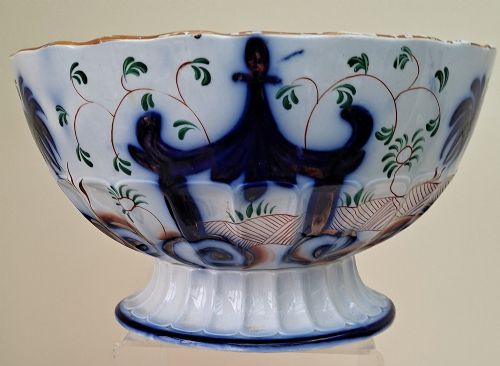
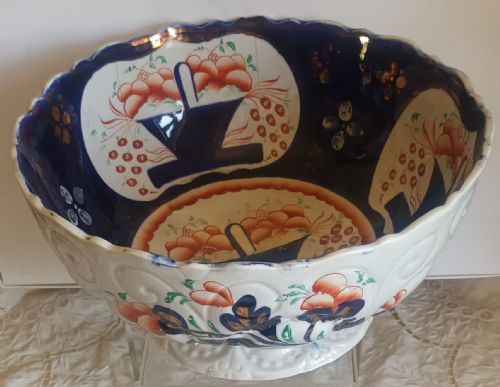
Dating these objects relies on stylistic markers and manufacturing techniques associated with Georgian, Victorian, Art Nouveau, and Art Deco periods. Pieces such as Gaudy Welsh footed bowls and Wedgwood lustre sets demonstrate the enduring popularity of blue decoration across diverse eras.
Materials and methods
Potters built these vessels using ceramic, earthenware, and porcelain bodies, frequently applying tin-glaze or transparent glazes to seal the porous clay. Pigments derived from cobalt provided the characteristic blue colour, whether hand-painted onto raw tin-glaze or transferred from engraved copper plates.
Transfer printing revolutionized production during the Georgian and Victorian eras, allowing intricate topographical and romantic scenes to be applied with mechanical precision. Advanced pieces incorporated additional embellishments such as gold leaf, enamel highlights, and gilt details over the fired glaze.
Blue Pottery Bowl Retail Price Guide 2026
Typical asking prices for blue pottery bowl among the pieces listed under this phrase on Sellingantiques today, from the lower quarter to the upper quarter. They describe what is for sale here now, not the wider market.
Listings span earthenware, porcelain, and stoneware, incorporating traditional styles from eighteenth-century delftware to twentieth-century Art Deco.
Assessing craftsmanship and execution
Quality reveals itself in the crispness of the blue transfer print or the delicacy of the hand-painted brushwork, where superior examples exhibit sharp lines and rich cobalt depth without blurring or pooling in the glaze. The refinement of the ceramic body, from heavy stoneware to translucent porcelain, dictates the overall elegance and durability of the form.
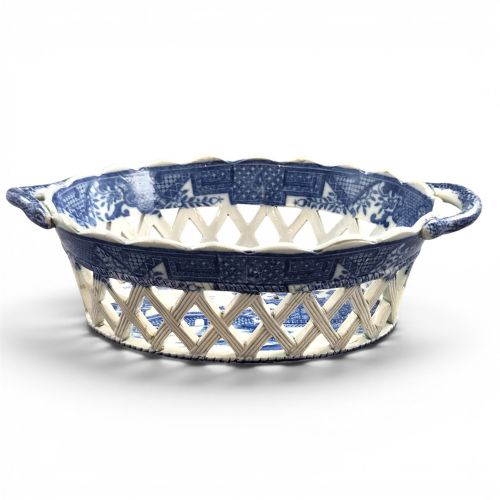
The prestige of the maker and the complexity of the decorative scheme elevate certain vessels far above standard domestic wares. Signed studio pieces and elaborate reticulated chestnut baskets demonstrate advanced technical mastery that separates everyday utility items from masterclass ceramics.
Spode·Wedgwood·J. & R. Clews·J. & R. Riley·John Rogers and Son·Doulton Lambeth·Doulton Burslem·Kinkozan Kyoto·Maling·William Moorcroft
The Blue Pottery Bowl Glossary
- Creamware
- A fine earthenware developed in the eighteenth century, characterised by its pale yellowish-buff cream-coloured body. Wedgwood famously refined this versatile ceramic body for domestic service.
- Transfer-printed
- A technique where an engraved copper plate transfers a design onto paper and then onto the ceramic body before glazing and firing. This method enabled complex topographical and pictorial scenes to be produced consistently.
- Tin-Glazed Earthenware
- Pottery covered with a lead glaze made opaque by the addition of tin oxide, providing a white background for painted blue decoration. Dutch delftware and English delft pieces rely upon this historic coating.
- Reticulated
- Pierced or openwork pottery decoration created by cutting patterns into the clay body before firing. This delicate technique appears on fine baskets and specialised bowls.
- Gaudy Welsh
- A type of colourful pottery featuring cobalt blue combined with copper lustre and bright enamel accents. It gained widespread popularity during the nineteenth century for domestic display.
Blue Pottery Bowl: Frequently Asked Questions
Can I still use these bowls for serving food?
Many nineteenth-century and twentieth-century ceramic bowls remain structurally sound for holding dry food items or fruit on the dining table.
Historic pieces featuring extensive glaze crazing or older soft earthenware bodies are better suited for display rather than daily culinary use.
How do I distinguish delftware from later transferware?
Delftware typically displays hand-painted cobalt designs applied directly onto an opaque tin-glaze, often showing slight brushstrokes and minor edge chipping.
Transferware exhibits a mechanically repeating dotted or stippled line pattern characteristic of copper plate printing beneath a clear glaze.
What causes the different shades of blue?
The variation in colour stems from the concentration of cobalt oxide pigment, the thickness of the applied glaze, and the firing temperature inside the kiln.
Underglaze Chinese porcelain yields a deep sapphire tone, whereas tin-glazed earthenware often produces a softer, slightly blurred cobalt hue.