

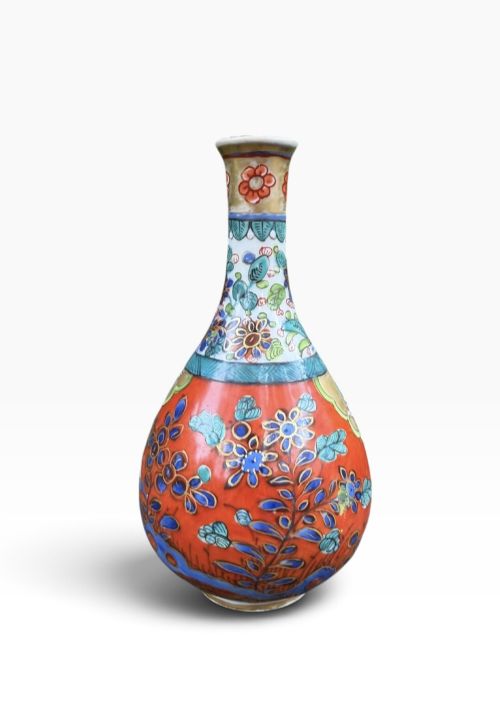
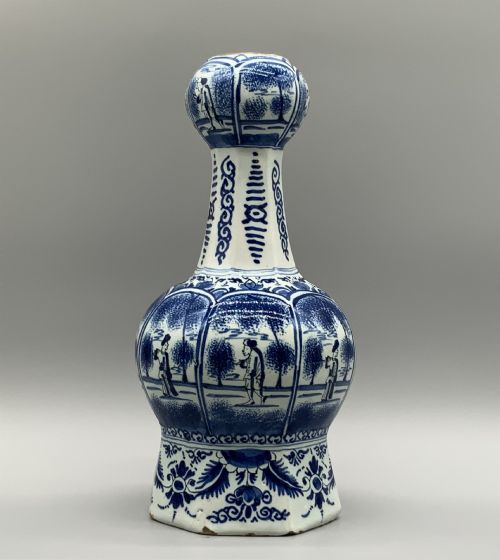
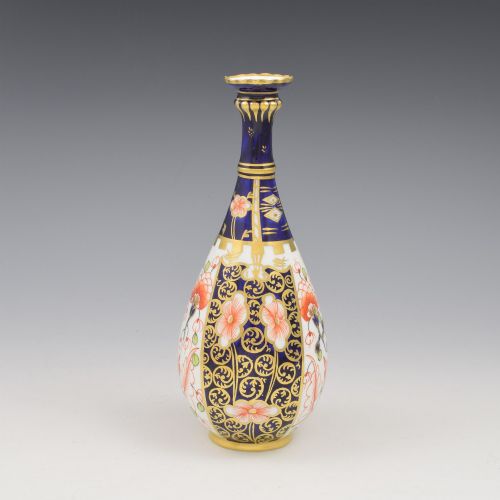
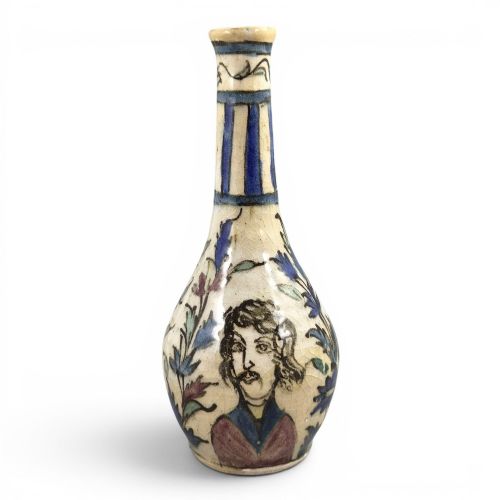


Blue Pottery Bottle
These blue pottery bottle selections span centuries of global ceramic craft, offering striking indigo decoration for any interior.
Blue Pottery Bottle
A blue pottery bottle search reveals a diverse array of vessels, from Dutch Delftware and English delftware pharmacy jars to Persian Qajar pieces and Chinese porcelain. Buyers encounter slender neck vases, globular drug jars, and garlic-mouth containers originating across European, Asian, and Middle Eastern kilns.
The objects serving this search range from the seventeenth century through the Edwardian era, capturing shifts in international trade and aesthetic taste. Examples include Chinese export porcelain bearing Kangxi marks, Italian Savona majolica, and Japanese Imari wares.
Form follows function across these items, encompassing apothecary jars designed for medicinal storage alongside purely decorative vases. Collectors meet everything from domestic English delft to elaborate Persian portrait bottles on this page.
Materials and methods
Potters shaped these vessels using earthenware, tin-glazed earthenware, stoneware, and porcelain, applying mineral pigments beneath or over transparent glazes. Many pieces utilise tin-glaze to create an opaque white surface that receives cobalt blue painting before a final kiln firing.
Decoration techniques vary by region, combining underglaze cobalt painting, enamel additions, and occasional gold leaf highlights. Workshops in China, Europe, and the Middle East employed distinct wheel-throwing methods and glazing formulas suited to local raw materials.
Blue Pottery Bottle Retail Price Guide 2026
Typical asking prices for blue pottery bottle among the pieces listed under this phrase on Sellingantiques today, from the lower quarter to the upper quarter. They describe what is for sale here now, not the wider market.
Geographic origins represented on this page include England, China, Japan, Italy, Persia, and the Netherlands.
Distinguishing quality in ceramics
Quality reveals itself in the crispness of the cobalt brushwork and the stability of the glaze during firing. Superior examples display controlled pigment application without excessive running, alongside well-proportioned forms that reflect disciplined studio practice.
The sophistication of the painted narrative or decorative motif separates standard production from exceptional work. Pieces featuring finely rendered figures, heraldic elements, or complex botanical borders demonstrate greater artisan skill than repetitive commercial output.
Royal Crown Derby·Doulton Lambeth·Minton
The Blue Pottery Bottle Glossary
- Albarello
- A type of majolica drug jar used by apothecaries to store ointments and dry drugs. These tall, waisted vessels originated in the Middle East before becoming popular across Italy and Europe.
- Tin-Glazed Earthenware
- Pottery coated with a glaze containing tin oxide, which fires to an opaque white finish. This surface provides an ideal background for painting in cobalt blue and other metallic oxides.
- Underglaze Blue
- Decoration applied to ceramic bodies before the glaze is applied and the piece is fired at high temperature. This technique locks the pigment beneath a glassy protective layer.
- Majolica
- European tin-glazed earthenware decorated with colourful pigments on an opaque white glaze. Italian workshops produced notable examples during the Renaissance and subsequent centuries.
- Imari
- A style of Japanese export porcelain characterised by a palette of underglaze blue, iron red, and gold. European factories frequently copied these distinct decorative schemes.
Blue Pottery Bottle: Frequently Asked Questions
How were apothecary jars used?
Apothecary jars held dried herbs, medicinal syrups, and chemical compounds in pharmacies and dispensaries. Their wide mouths allowed easy access to contents while heavy ceramic walls protected ingredients from light and moisture.
Over time, these utilitarian vessels transitioned into decorative objects displayed in domestic interiors and studio collections.
What is Chinese export porcelain?
Chinese export porcelain refers to ceramics manufactured in China specifically for European and American markets. These pieces combined traditional domestic forms and glazing techniques with foreign stylistic preferences.
Kilns adapted their output to satisfy Western demand for blue and white tableware and decorative vessels.
How do I care for antique pottery?
Keep antique pottery out of direct sunlight to prevent glaze degradation and fading pigments. Dust pieces gently with a soft dry cloth rather than using chemical cleaning products.
Display vessels on stable surfaces away from high traffic areas to prevent accidental impact.
How do I identify different periods?
Period identification relies on examining clay bodies, glaze characteristics, and painted motifs under magnification. Examining base markings, foot rings, and wear patterns helps establish approximate dates.
Comparing pieces against documented examples from specific centuries provides further confirmation of origin and age.