
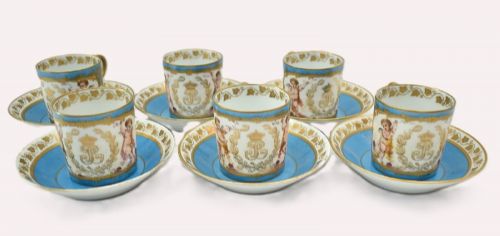


Blue Porcelain Tea Cups
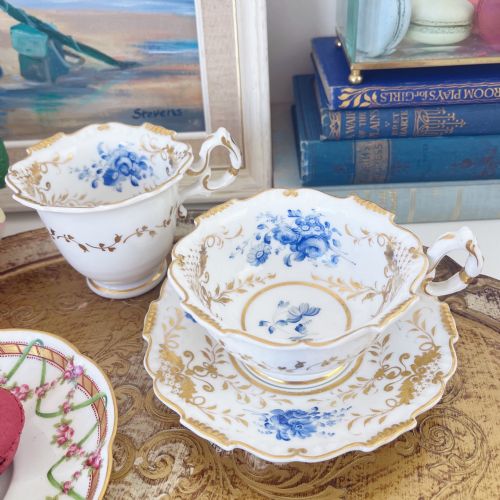
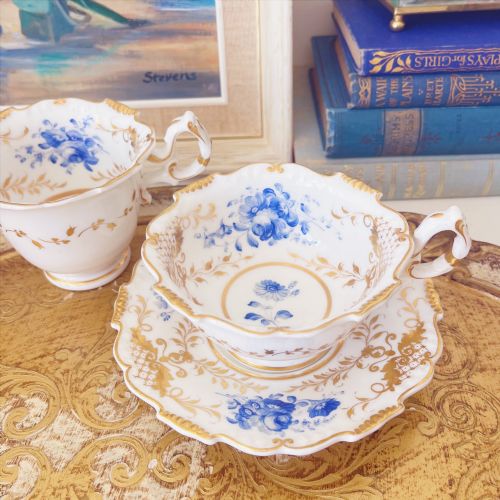
Blue porcelain tea cups bring handpainted cobalt decoration and rich historical forms directly to the table.
Blue Porcelain Tea Cups
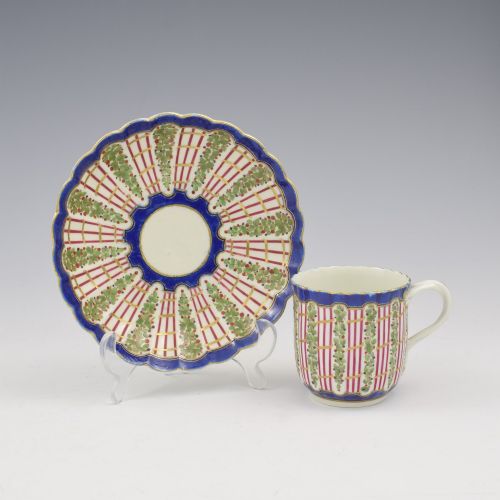
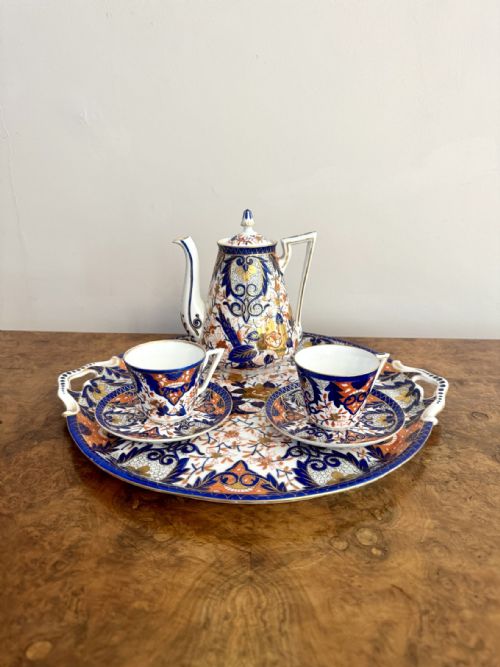
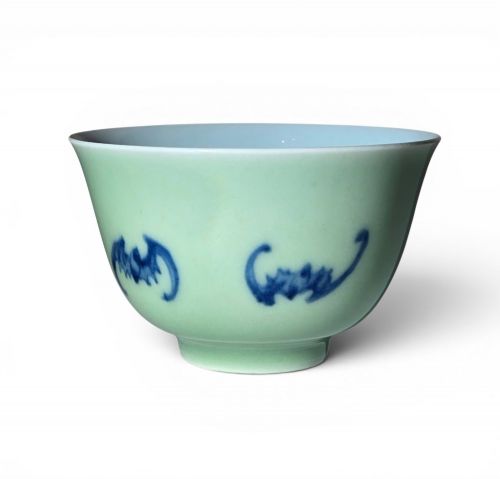
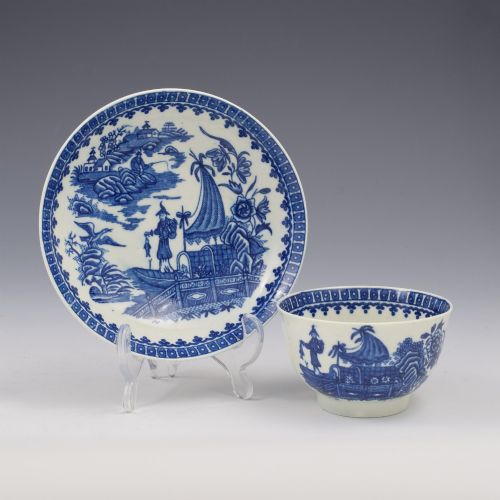
These blue porcelain tea cups comprise delicate tea bowls, saucers, and cabinet trios originating primarily from the eighteenth and nineteenth centuries. Examples span Georgian, Regency, and Victorian periods, alongside Chinese export pieces and imperial Russian manufactories.
Buyers frequently encounter English porcelain from heritage makers like Worcester, Coalport, and Spode. Forms range from simple tea bowls to full afternoon tea services and coffee sets incorporating saucers and matching plates.
Assessing quality
Distinction lies in the precision of the handpainted underglaze blue and the clarity of the porcelain body. Superior examples display crisp botanical or avian motifs without smudging in the cobalt pigment.
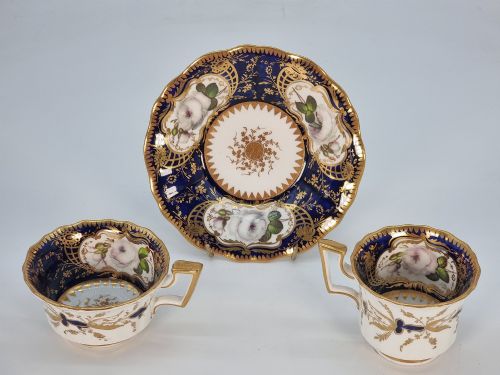
The application of gold leaf and enamel accents determines upper-tier pieces, alongside the reputation of the manufactory. Items bearing intact cabinet provenance or matching service components command greater regard.
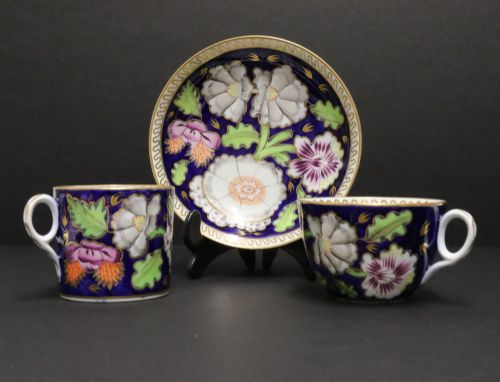
Collector fascination extends to whimsical factory pattern names like crazy cow and bengal tiger.
H and R Daniel Shrewsbury·Newhall·Coalport John Rose·Sevres·Amsterdam Bont·Flight Barr and Barr Worcester·Gardner Moscow Factory·Masons Patent Ironstone China·Yates·Minton·Spode·Lowestoft Robert Browne·Barr Flight Barr Worcester
The Blue Porcelain Tea Cups Glossary
- Soft-paste porcelain
- A ceramic composition fired at lower temperatures than hard-paste, common in early English factories. It produces a warm, slightly creamy body underneath the glaze.
- Underglaze blue
- A decorative technique where cobalt pigment is applied to the raw ceramic before glazing and firing. This seals the colour beneath a glassy protective layer.
- Cabinet trio
- A matched set consisting of a teacup, coffee cup, and saucer intended for display rather than daily service. These usually date from the Georgian and Regency eras.
- Tea bowl
- A handleless drinking vessel designed for early tea consumption. They are commonly paired with a matching saucer in eighteenth-century sets.
- Gilding
- The application of gold leaf or gold paint to rims, handles, and borders. It adds a decorative metallic finish to porcelain ware.
Blue Porcelain Tea Cups: Frequently Asked Questions
How do I date antique blue porcelain tea cups?
Dating relies on factory marks, paste composition, and stylistic changes across the eighteenth and nineteenth centuries. Earlier pieces often feature handpainted underglaze blue without printed factory stamps.
Shape and handle design also indicate period, shifting from handleless tea bowls in the Georgian era to ornate pedestal cups by the Victorian age.
Were these cups used for daily tea drinking?
Many surviving pieces originated as functional tableware for affluent households during the Georgian and Regency periods. Later cabinet trios were frequently reserved for display in drawing rooms.
Sets involving multiple matching cups and saucers indicate service for guests during formal afternoon tea gatherings.
What is the difference between a tea bowl and a teacup?
Tea bowls are small, handleless vessels modelled after imported Chinese prototypes from the eighteenth century. They require cradling in the hands to drink warm tea safely.
Teacups incorporate applied handles, a form that became standard as English ceramic manufactories refined their shapes in the nineteenth century.
How should I display antique porcelain cups safely?
Display requires stable cabinets shielded from direct sunlight to preserve delicate enamel colours and gold leaf highlights. Shelving should be level and lined with protective material.
Stacking should be avoided entirely to prevent friction damage to rims and handles over time.