



Blue Porcelain Basin
A blue porcelain basin brings centuries of master potter skill and rich cobalt pigment directly to your interior.
Blue Porcelain Basin
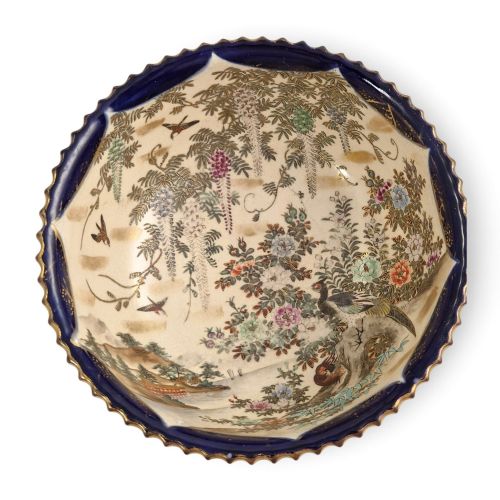
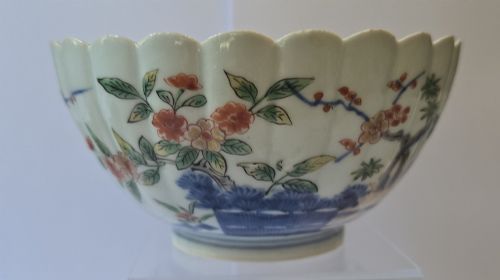
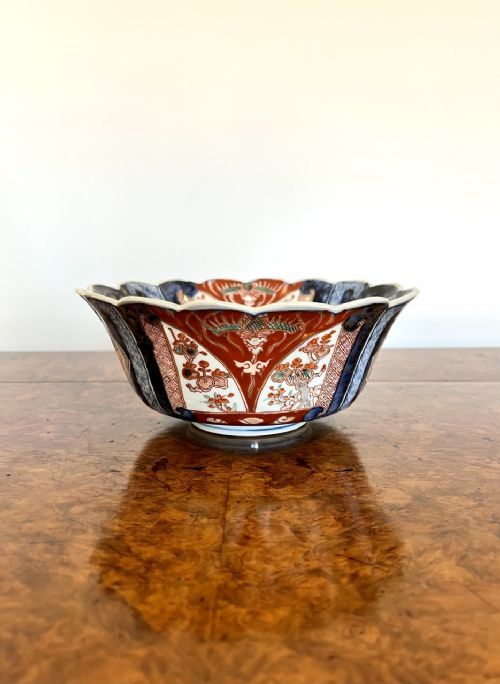
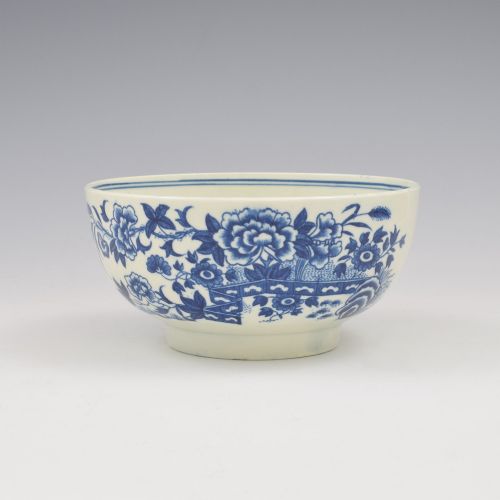
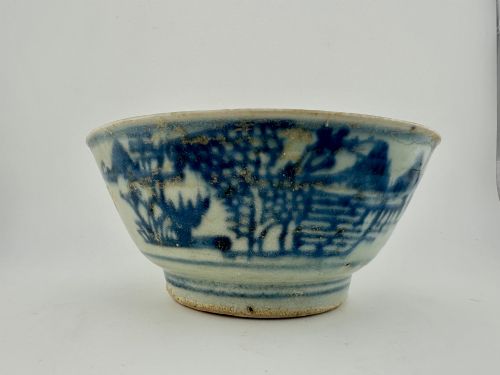
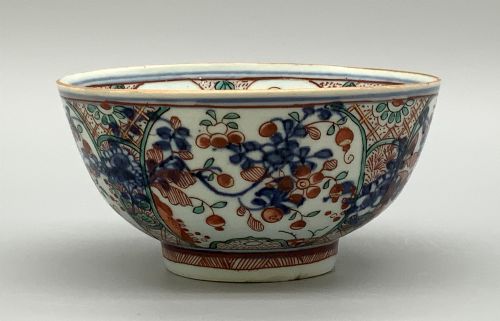
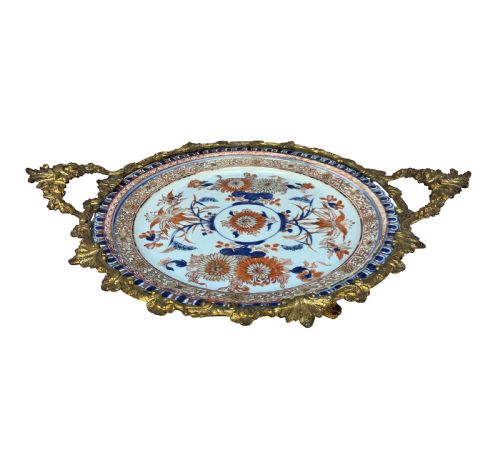
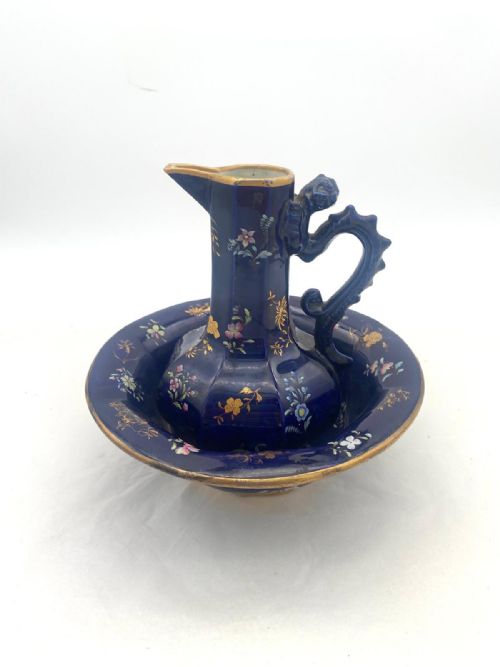
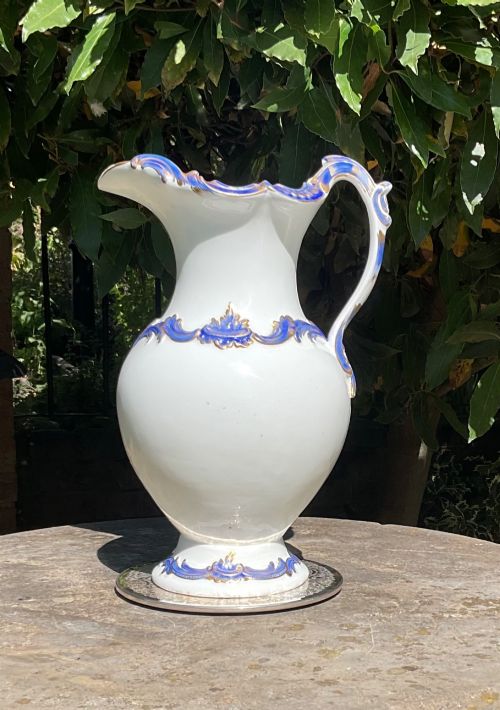
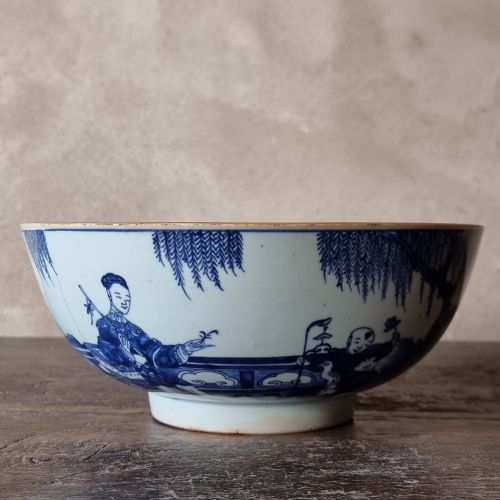
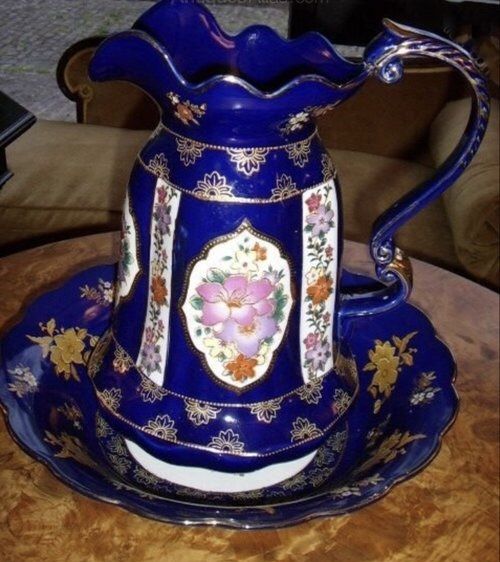
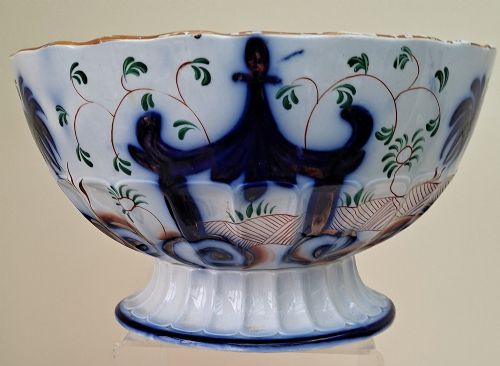
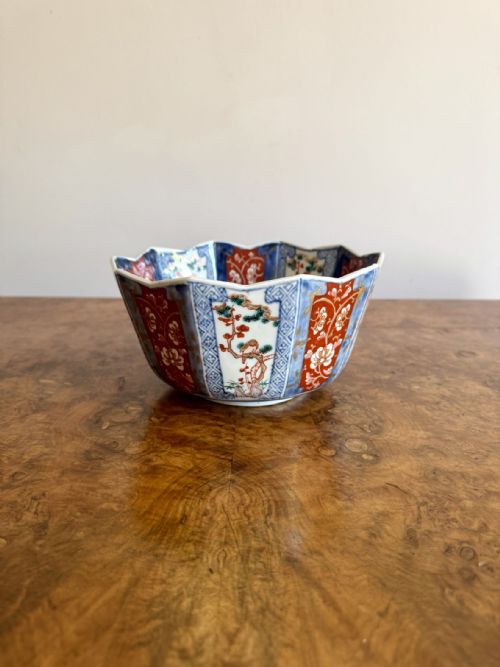
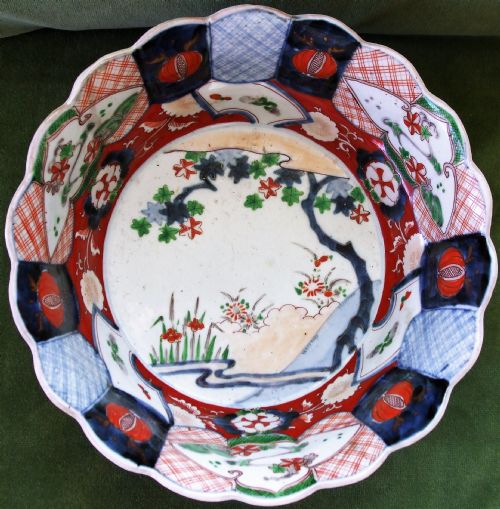
A blue porcelain basin encompasses traditional vessels designed for functional utility and decorative display. Buyers seeking a blue porcelain basin encounter items ranging from eighteenth-century Chinese export bowls and Japanese Imari jardinieres to nineteenth-century Victorian washstand sets.
The selection includes large punch bowls, footed basins, and complete jug and basin sets spanning the seventeenth century through the early twentieth century. Pieces hail from diverse origins including English manufactories and East Asian kilns, showcasing varied forms from scalloped edge dishes to monumental jardiniere vessels.
How they were made
Potters shaped ceramic and porcelain bodies before applying cobalt glaze, enamel, or transfer-printed flower designs beneath or over the glaze. Many examples incorporate hand-painted motifs, sometimes enhanced with gold leaf, gilt accents, or ormolu mounts.
Kiln firing transformed the raw clay and mineral pigments into durable vitreous vessels, with techniques evolving from early Chinese imperial kilns to later European earthenware and ironstone production.
Blue Porcelain Basin Retail Price Guide 2026
Typical asking prices for blue porcelain basin among the pieces listed under this phrase on Sellingantiques today, from the lower quarter to the upper quarter. They describe what is for sale here now, not the wider market.
Materials recorded across the inventory include porcelain, earthenware, enamel, cobalt glaze, and gold leaf.
What varies in quality
Quality rests in the crispness of the cobalt glaze application and the precision of the hand-painted or transfer-printed detail across the ceramic body. Superior examples demonstrate refined potting forms, balanced proportions, and well-preserved gilt or enamel highlights.
The distinction between standard utility wares and top-tier collector pieces lies in the artistic execution of the motifs, such as intricate dragon patterns or detailed landscape scenes, alongside the prestige of the maker or period.
Doulton Burslem·Royal Crown Derby·Kinkozan Kyoto·Wedgwood
The Blue Porcelain Basin Glossary
- Imari
- A style of Japanese export porcelain characterised by a palette of underglaze blue, iron red, and gilt. It originated in the Edo period and gained immense popularity in Europe.
- Jardiniere
- A large ornamental pot or basin designed to hold plants or flowers. These vessels often feature substantial proportions and decorative exterior motifs.
- Cobalt Glaze
- A deep blue mineral pigment applied to ceramics before firing to create rich, permanent coloration. It withstands high kiln temperatures without losing intensity.
- Ironstone
- A type of durable heavy earthenware developed in the nineteenth century as a robust alternative to porcelain. It offered high strength for functional items like jugs and basins.
Blue Porcelain Basin: Frequently Asked Questions
How do I date a blue porcelain basin?
Dating relies on examining the potting style, glaze characteristics, and any reign marks or maker stamps present on the base. Comparing the decorative motifs to known periods like the Kangxi era or Victorian epoch helps narrow the timeline.
Material composition also assists, as early hard-paste porcelain differs noticeably from later nineteenth-century ironstone or earthenware bodies.
Were these basins used for washing?
Many larger examples formed part of washstand sets used for daily personal hygiene in bedrooms before modern plumbing. Jug and basin sets were standard bedroom furnishings during the Victorian and Edwardian periods.
Other basins served as punch bowls for dining or large jardinieres for displaying indoor plants rather than personal washing.
How do I care for antique porcelain?
Cleaning requires gentle dusting with a soft cloth or washing by hand in lukewarm water with mild soap. Avoid abrasive scrubbers that can damage delicate enamel or gold leaf highlights.
Display the basins away from areas prone to heavy impacts or sudden temperature shifts to protect the historical ceramic structure.
What is the difference between porcelain and earthenware?
Porcelain is fired at extremely high temperatures, resulting in a vitrified, non-porous body that often rings when struck and appears translucent in thin sections. Earthenware is fired at lower temperatures, producing a more porous and opaque material.
Ironstone bridges these categories by offering the durability of stoneware with the refined appearance of porcelain.