

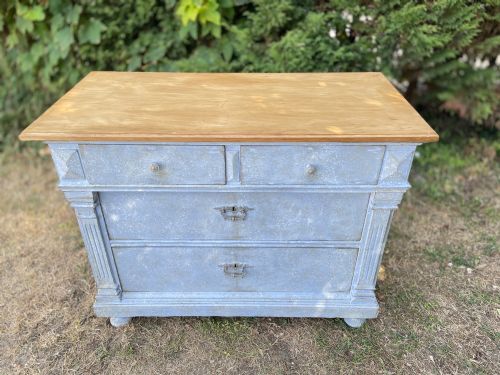

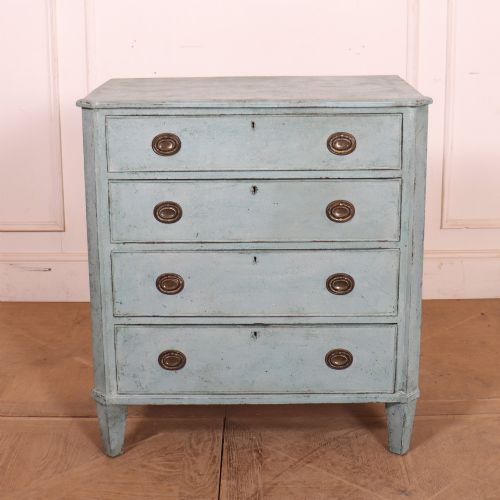

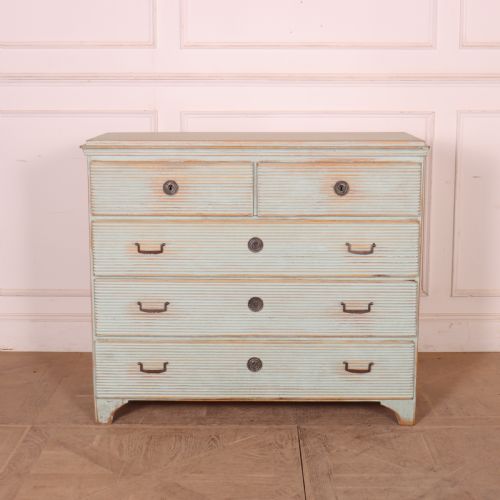

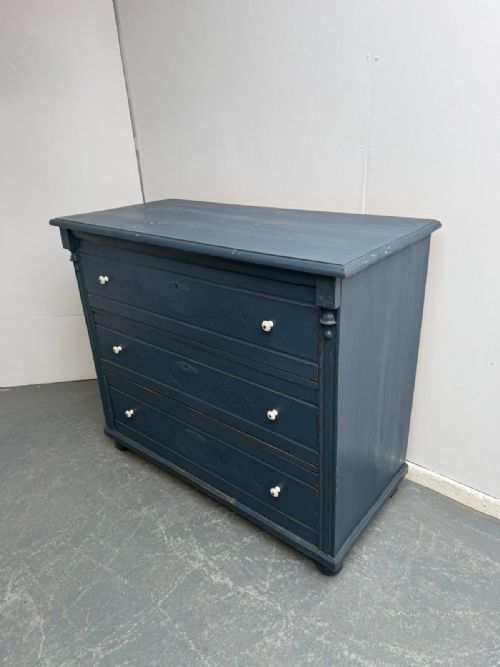


Blue Pine Dresser
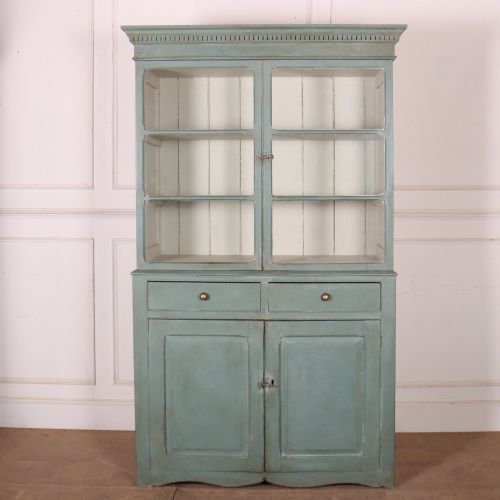
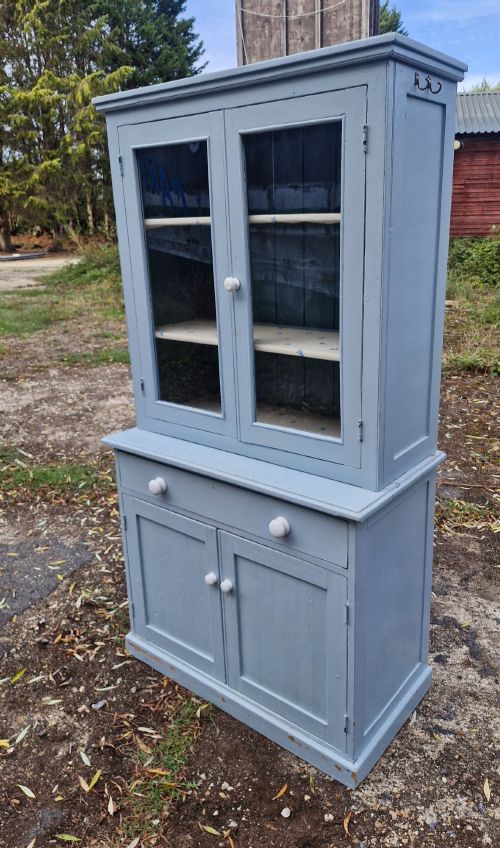
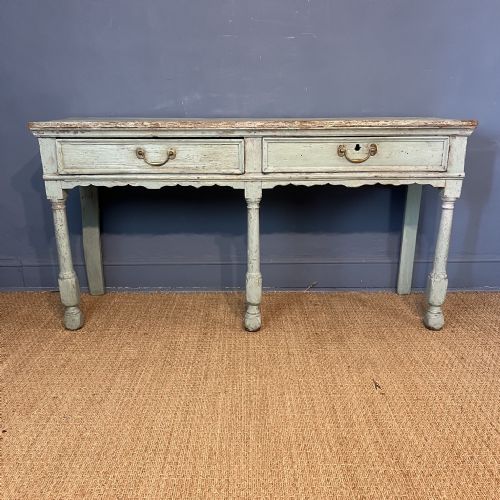
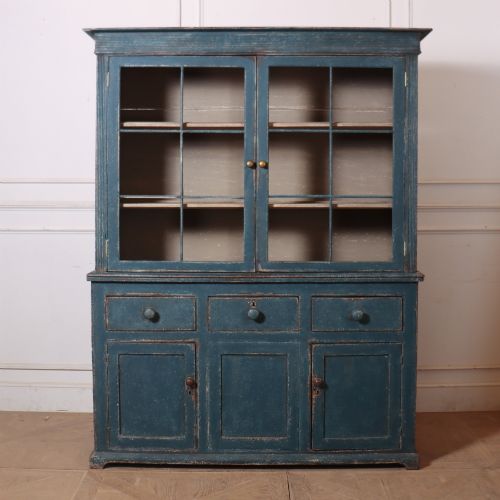
A blue pine dresser brings functional country utility and historic painted surfaces into a room.
Blue Pine Dresser
A blue pine dresser comprises robust timber storage pieces finished in historical blue paint, ranging from West Country open-base dressers to tall kitchen cupboards and low chests of drawers. Buyers seeking a blue pine dresser encounter regional English country forms alongside Scandinavian Gustavian cabinets and Baltic cupboards from the eighteenth and nineteenth centuries.
The selection on this page centres on sturdy domestic pine furniture featuring original or scraped blue paint surfaces. Pieces span traditional English farmhouse formats with potboards and glazed display tops to continental commodes and linen cupboards.
Distinctions in quality
The character of the surface finish dictates much of the distinction between examples, particularly where original scraped paint reveals historical layers rather than modern repainting. Untouched regional pieces retain a patina developed through generations of domestic use.
Joinery execution and proportion separate standard utility cupboards from finer workshop productions like Gustavian commodes or Welsh dressers. Intact original hardware and stable structural timber elevate the standing of an individual piece.
Blue Pine Dresser Retail Price Guide 2026
Typical asking prices for blue pine dresser among the pieces listed under this phrase on Sellingantiques today, from the lower quarter to the upper quarter. They describe what is for sale here now, not the wider market.
Listings feature eighteenth and nineteenth-century forms including potboard dresser bases, linen cupboards, and glazed kitchen cabinets made from solid pine.
The Blue Pine Dresser Glossary
- Potboard
- An open slatted lower shelf beneath a dresser base designed for storing heavy pots and domestic ceramics. It distinguishes traditional open-base dressers from enclosed cupboards.
- Gustavian
- The Swedish interpretation of French neoclassical style, characterised by restrained carving, fluted columns, and pale painted surfaces. This aesthetic heavily influences Scandinavian cabinets found in pine.
- Ragwork
- A decorative paint technique where rags or cloths lift wet glaze to create mottled textures on furniture surfaces. It appears on nineteenth-century Scandinavian cupboards.
- Commode
- A low chest of drawers or cabinet originating from French furniture forms, frequently adopted across eighteenth and nineteenth-century continental workshops. Examples often feature shaped fronts or diamond-point detailing.
- Dresser base
- The lower cabinet portion of a kitchen dresser, constructed with drawers and cupboards without the upper plate rack. These served as independent sideboards or food preparation tables.
Blue Pine Dresser: Frequently Asked Questions
How do I date a painted pine dresser?
Dating relies on construction methods, timber thickness, drawer dovetailing, and the composition of the underlying paint layers. Eighteenth-century pieces typically exhibit hand-sawn boards and simpler joined frames compared to Victorian equivalents.
Hardware types and stylistic clues, such as Queen Anne cabriole influences or Gustavian neoclassical fluting, also help narrow down the period of manufacture.
Is the blue paint usually original?
Many pieces retain their original or early scraped blue paint, while others show historic overpainting applied during subsequent domestic updates. Examining the paint surface under natural light reveals wear patterns consistent with age.
Traces of earlier underlying colours often emerge through worn areas on frequently touched sections like drawer pulls and door edges.
Where were these pine cupboards made?
The pieces originate from diverse European regions, with strong representations from English rural workshops in the West Country and Wales. Scandinavian countries, particularly Sweden and Denmark, produced distinct painted cabinets.
Austrian and Baltic regions also contributed robust domestic storage furniture finished in durable blue and grey-blue pigments.
How should I care for historic painted pine?
Historic painted surfaces require minimal intervention, avoiding harsh modern chemical cleaners or abrasive scrubbing that can strip fragile historical pigments. Dusting with a soft, dry cloth preserves the aged patina.
Maintaining stable room humidity prevents the solid pine timber from warping or causing the historic paint layers to crack and flake.