



Blue Patterned Rug
A blue patterned rug brings texture and depth to a room through traditional motifs worked in wool, cotton, and silk.
Blue Patterned Rug
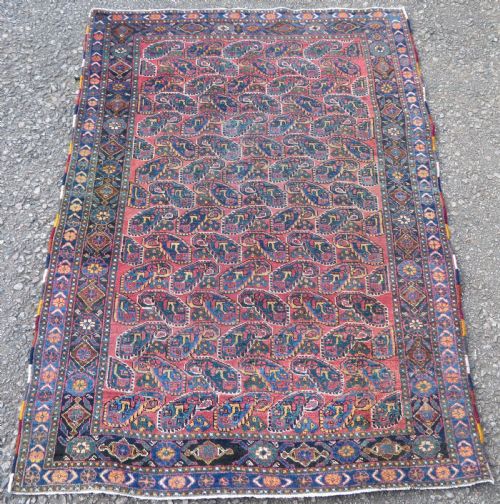
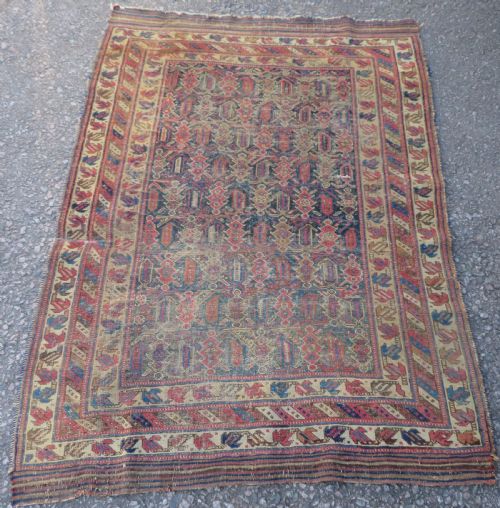
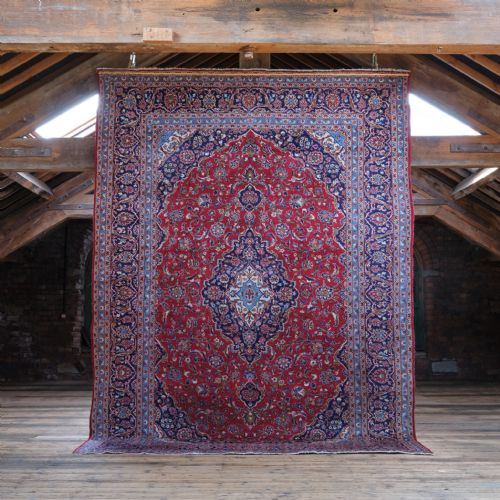
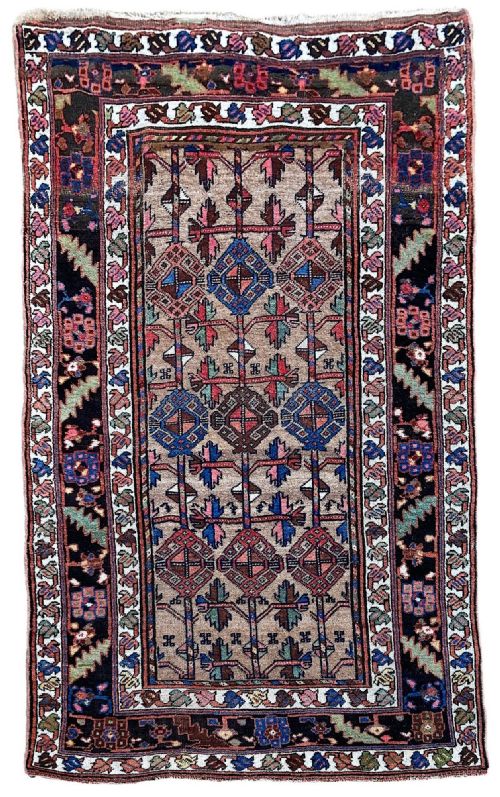
A blue patterned rug encompasses floor coverings originating primarily from Persian, Caucasian, and Ottoman or Anatolian weaving traditions. Buyers searching for a blue patterned rug encounter pieces spanning from the late nineteenth century through the mid-twentieth century, including runners, area rugs, and large carpets. The selection heavily represents regional village and tribal workshops, alongside room-size city carpets.
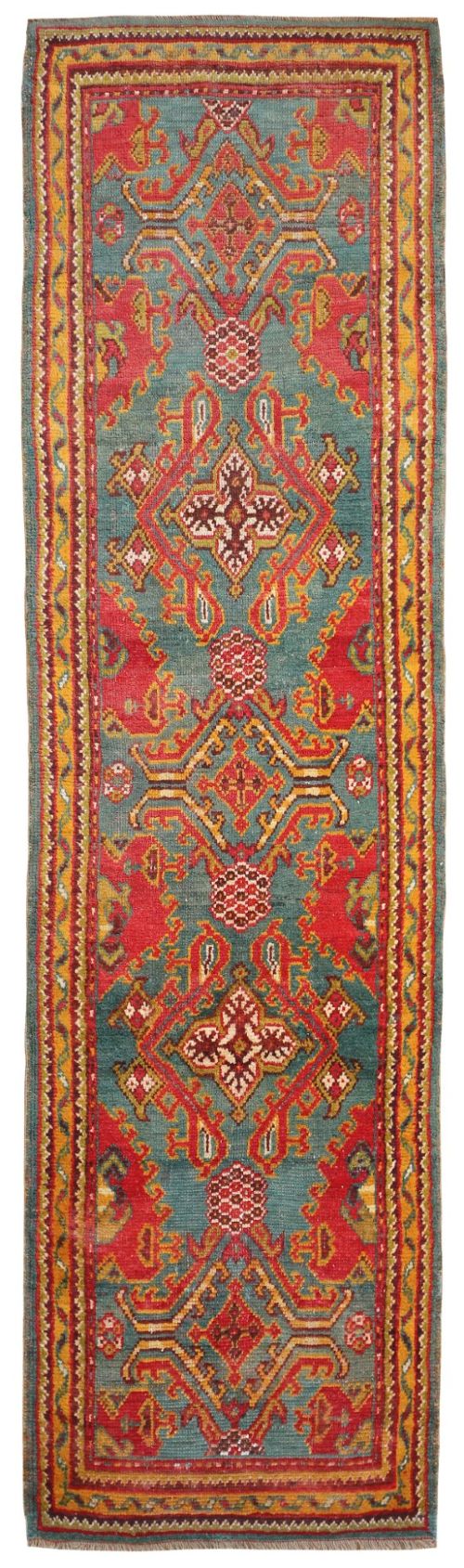
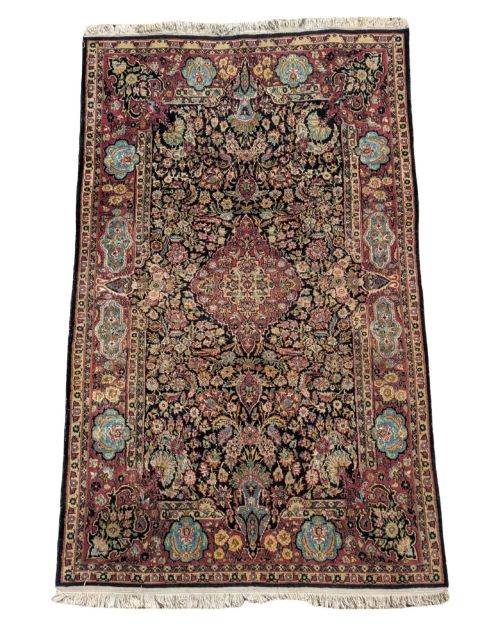
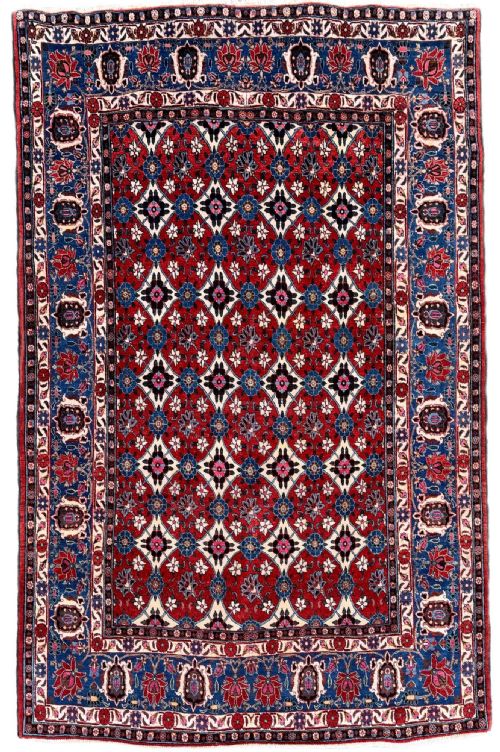
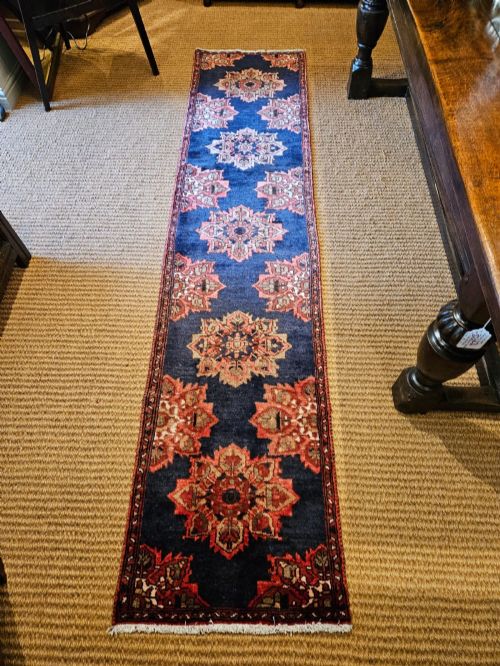
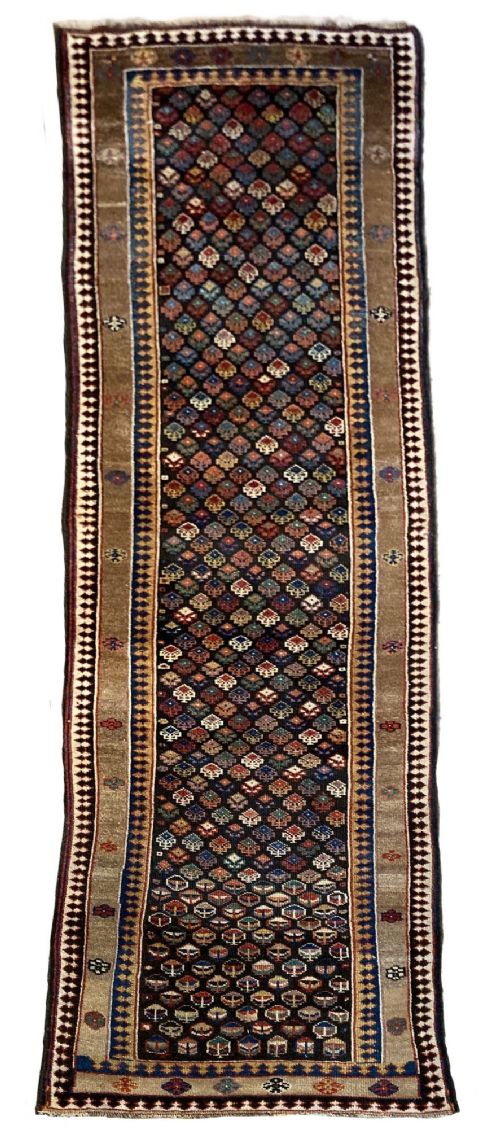
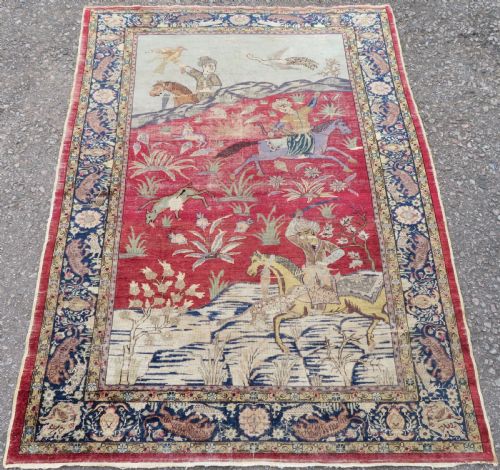
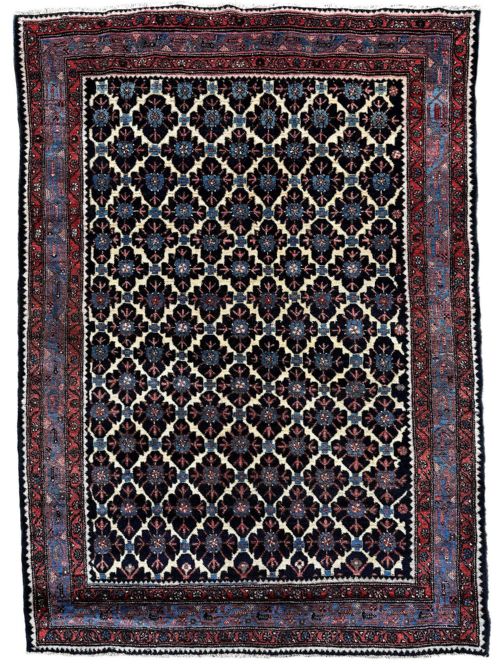
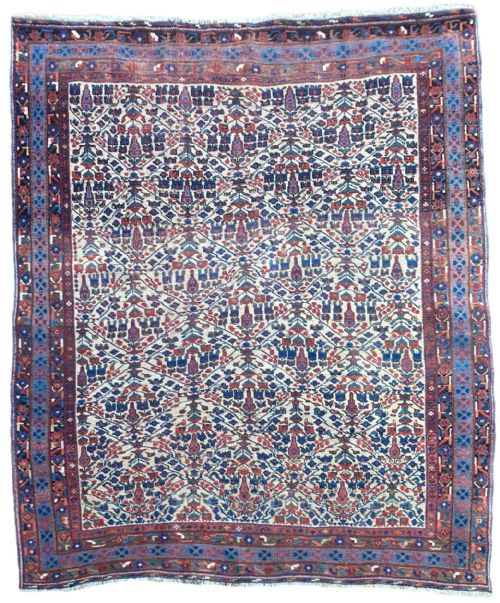
Most examples found in these listings date from the late nineteenth century to the 1940s, utilising traditional formats such as kelims, runners, and rectangular area rugs. These textiles incorporate distinct regional geometries, floral medallions, and pictorial elements worked in varied shades of indigo and navy.
How they were made
Weavers constructed these pieces using hand-spun wool, cotton foundations, and occasionally silk highlights, knotted by hand across traditional looms. Natural dyes provided the palette, yielding deep indigos and secondary colours that age with distinct character.
Nomadic and village workshops relied on locally sourced materials, producing durable pile carpets and flatweave structures designed for practical daily use. Specialised regional techniques dictated the density of the knotting and the preparation of the fibres.
One listed runner bears the delightful description of being crooked, proving that hand-woven village pieces maintain a charmingly human asymmetry.
What varies in quality
The distinction between tiers rests upon the fineness of the knotting, the complexity of the design layout, and the clarity of the natural dyes. Superior pieces demonstrate exceptional precision in tribal or classical motifs alongside stable structural integrity in the foundation.
Material selection further separates examples, with hand-spun wool and the inclusion of silk highlights indicating higher workshops. The overall crispness of the pattern and the depth of the indigo dye determine the visual standing of the textile.
The Blue Patterned Rug Glossary
- Pile
- The upright yarn loops or tufts that form the usable surface of a woven carpet. This soft layer absorbs wear and displays the primary design.
- Warp
- The vertical threads stretched tightly on the loom before weaving begins. These parallel strands form the foundational skeleton of the rug.
- Weft
- The horizontal threads passed alternately over and under the warp strands to secure the knots in place. Together with the warp, it creates the underlying grid.
- Natural Dyes
- Colourants derived from plant, insect, or mineral sources prior to the widespread adoption of synthetic alternatives. These dyes produce complex, muted tones that mature gracefully.
- Flatweave
- A textile constructed by interweaving warp and weft threads without creating a raised pile surface. Pieces produced this way include styles such as sofres and torbas.
Blue Patterned Rug: Frequently Asked Questions
How do I clean a vintage rug?
Professional specialist cleaning is necessary to protect natural dyes and delicate wool or silk fibres. Regular gentle vacuuming without a rotating brush helps remove surface grit.
Avoid immersion washing or harsh chemical treatments at home. Proper maintenance preserves the structural integrity of the foundation threads.
Are these rugs suitable for high traffic areas?
Many traditional village and tribal pieces were built for rigorous daily use on stone or wood floors. Hand-knotted wool constructions offer considerable durability in hallways and living spaces.
Placing an appropriate underlay beneath the textile prevents slippage and reduces friction against the floorboards.
What is the difference between a carpet and a rug?
Carpets traditionally refer to larger floor coverings designed to occupy a substantial portion of a room. Rugs generally denote smaller formats, runners, or localized area pieces.
Both terms describe hand-knotted or flatwoven textiles sharing identical regional construction methods.
How do I identify a regional design?
Specific motifs, border arrangements, and colour palettes point directly to particular weaving centres like Heriz, Kashan, or Kazak. Village pieces often display geometric tribal symbols, whereas city workshops favor intricate floral curves.
Comparing knot density and material composition further clarifies the geographic origin.