



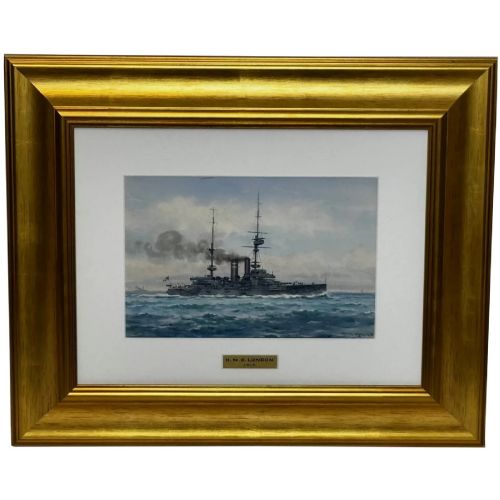
Blue Paper Watercolour Art
Blue paper watercolour art captures luminous atmospheric effects through pigment applied directly to tinted grounds.
Blue Paper Watercolour Art
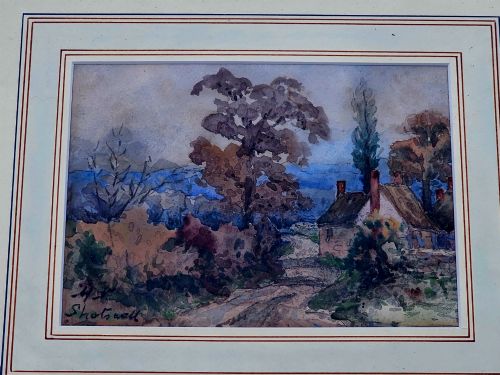
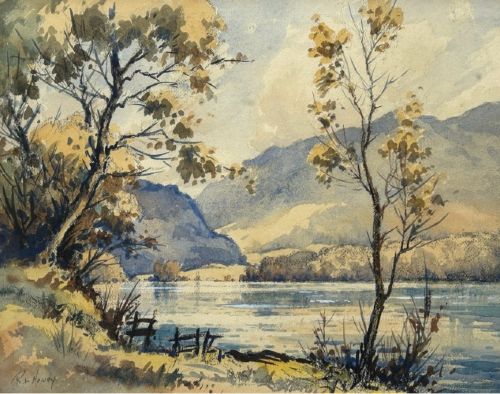
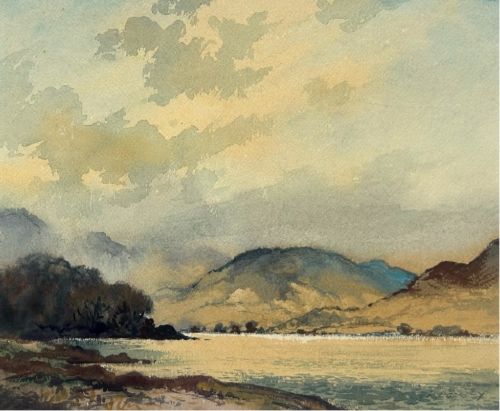
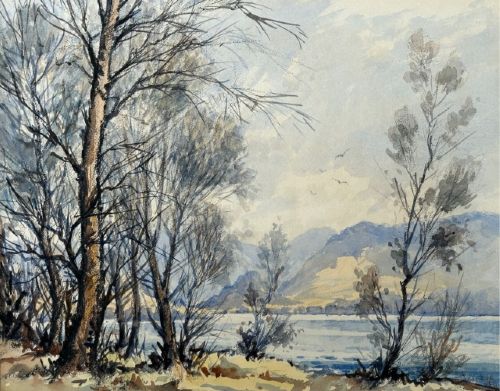
When searching for blue paper watercolour art, collectors encounter works executed across the nineteenth and twentieth centuries, spanning Victorian marine scenes to mid-century modern landscapes. These pieces utilise the underlying tinted sheet as a mid-tone, allowing artists to deploy bodycolour and white highlights for dramatic tonal contrast.
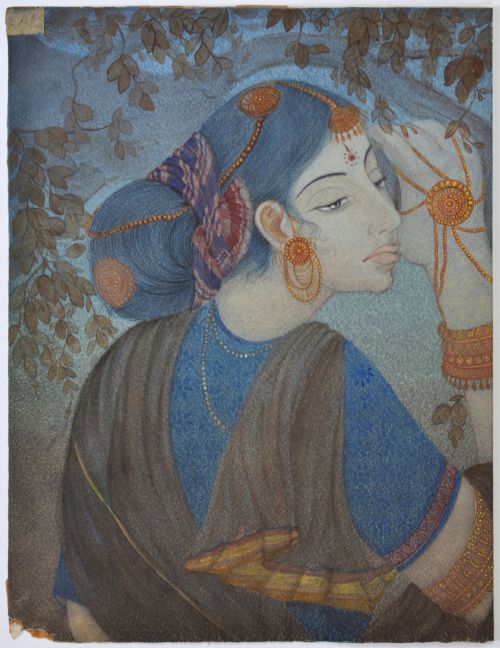
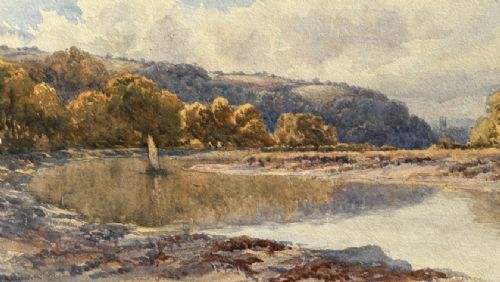
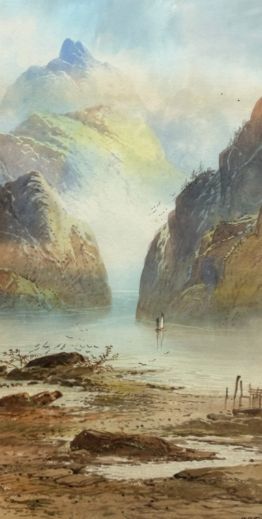
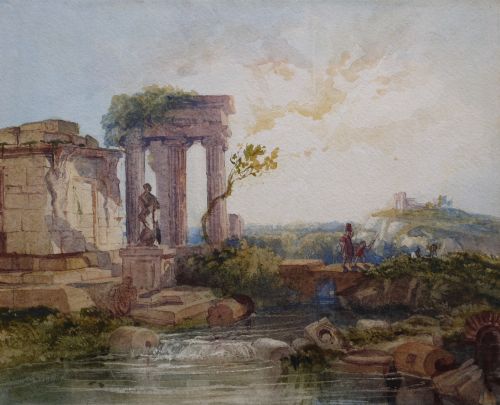
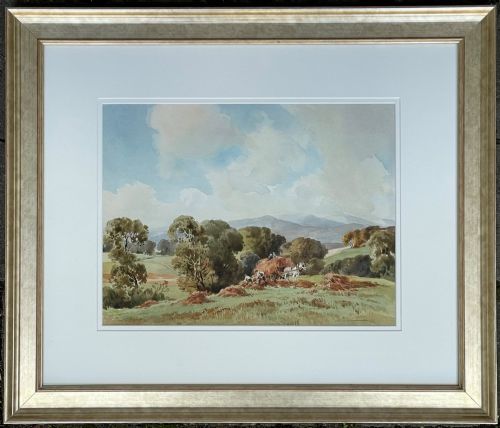
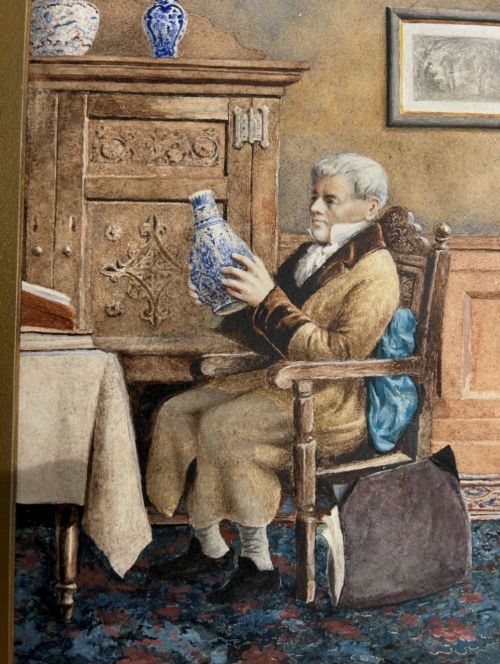
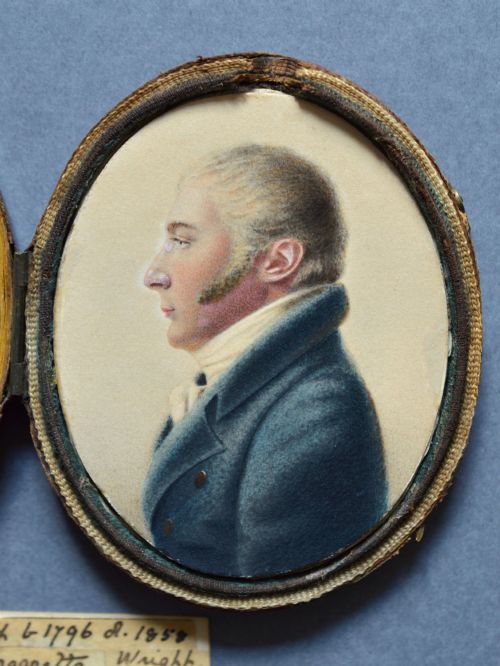
The most common examples on this page are British landscape and maritime paintings, where the coloured ground mimics the natural luminosity of sky and water. Works range from intimate portrait sketches and genre scenes to detailed architectural views and coastal harbours.
Originating primarily from British and European traditions, these watercolours demonstrate how painters manipulated tinted supports to unify a composition without covering every millimetre of the sheet.
Materials and Technique
Artists executed these works using watercolour pigment, often combined with opaque Chinese white or bodycolour, applied onto blue-toned paper supports. The tint of the paper inherently serves as the shadow or atmospheric haze, reducing the need for heavy washes in background areas.
Additional media such as ink and glass framing frequently accompany the surviving pieces, protecting the delicate water-soluble pigments from atmospheric degradation while preserving the original surface texture of the paper.
Several Victorian artists utilised blue sugar paper originally intended for grocery wrapping when proper artist stock ran low.
Distinguishing Quality
The distinction between standard works and superior examples rests upon the artist's confident handling of the tinted ground and pigment transparency. Masterful execution allows the blue paper to breathe through the washes rather than acting as a mere backdrop.
Compositional strength and the preservation of vibrant colour without excessive fading separate exceptional archival pieces from routine decorative sketches.
James Orrock·William Henry Earp·Percy Lancaster·Frank Watson Wood·Cecil Beaton·Paul Delvaux
The Blue Paper Watercolour Art Glossary
- Bodycolour
- Watercolour pigment mixed with a dense white preparation to render it opaque. This technique allows artists to paint highlights over darker paper grounds.
- Ground
- The prepared surface or tinted paper upon which the primary composition is painted. The colour of this foundation influences the overall tonal harmony of the finished artwork.
- Provenance
- The documented history of ownership surrounding an artwork. Clear lineage supports the authenticity and attribution of nineteenth and twentieth-century paintings.
- Wash
- A thin, fluid layer of diluted watercolour pigment spread evenly across the paper. Painters utilise washes to create atmospheric skies and transparent water effects.
Blue Paper Watercolour Art: Frequently Asked Questions
What is blue paper watercolour art?
These works are paintings created with water-soluble pigments upon tinted blue sheets rather than traditional white paper. The coloured background provides a natural mid-tone that enhances atmospheric effects, particularly in seascapes and landscapes.
Artists from the nineteenth century onwards adopted this method to achieve rapid tonal depth and luminous highlights without heavy layering.
How should I frame these watercolours?
Framing requires archival-grade materials with adequate spacing between the glass and the paper surface. Trapped moisture or direct contact with glazing can cause irreversible damage to watercolour pigments and tinted paper.
Keeping works away from direct sunlight preserves the fugitive blues and greens characteristic of nineteenth and twentieth-century palettes.
How do I identify the period?
Dating relies on stylistic markers, framing methods, and the specific composition of the paper support. Victorian and Edwardian examples often feature tonal washes typical of British impressionism and maritime recording.
Mid-century pieces shift toward bolder line work and simplified forms while retaining the traditional watercolour medium on tinted paper.
Were these made as studies?
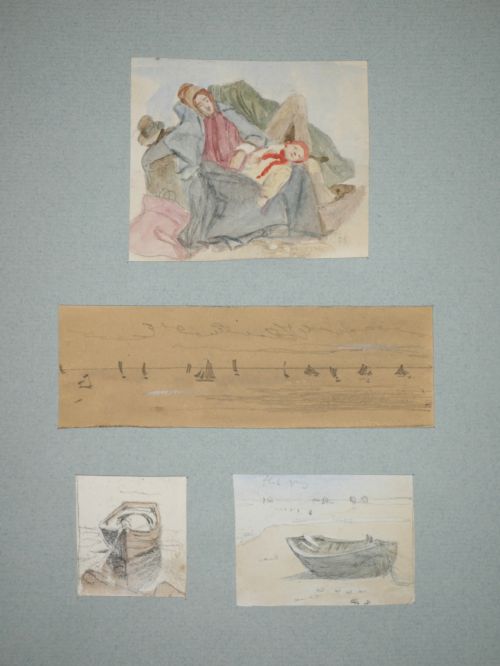
Many surviving examples began as field sketches or preparatory studies capturing transient weather conditions. Artists valued the quick-drying nature of watercolour for recording rapid changes in coastal light.
Others were completed as finished exhibition pieces intended for immediate display in domestic interiors.