
Blue Painted Ceramic Urn
When you search for a blue painted ceramic urn, you are looking at centuries of global porcelain and pottery traditions brought into domestic display.
Blue Painted Ceramic Urn
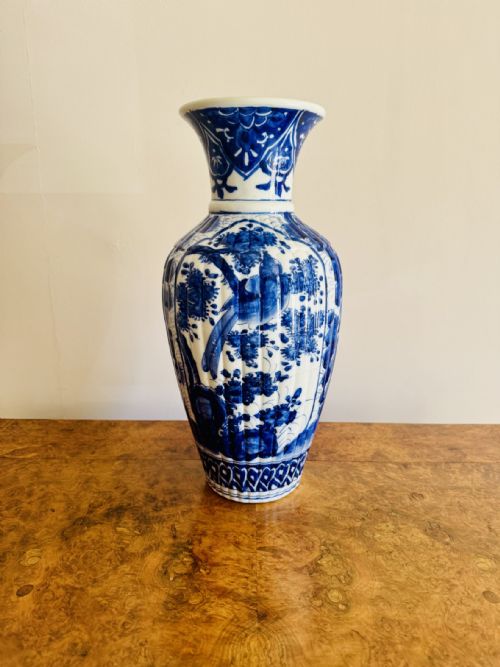
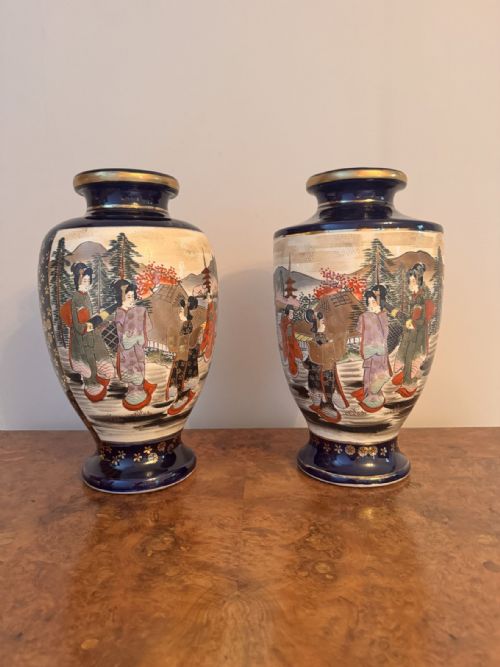
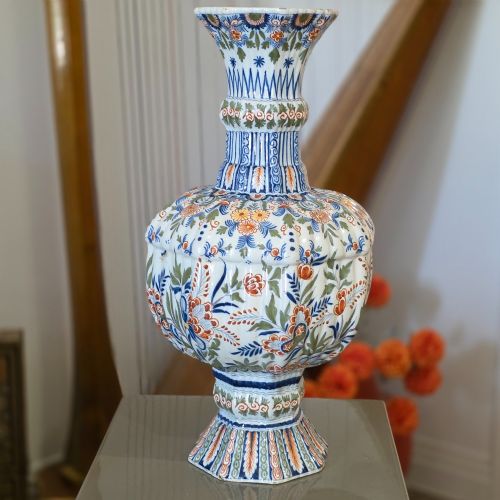
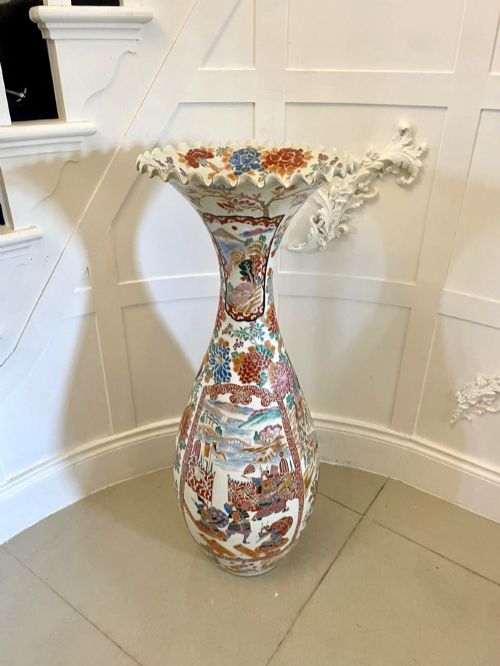
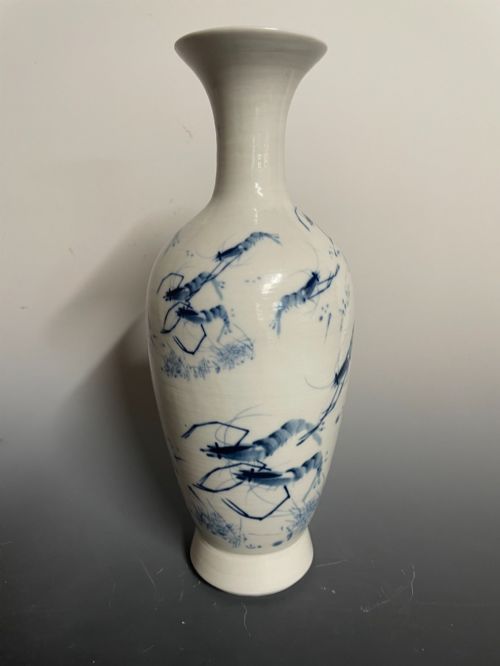
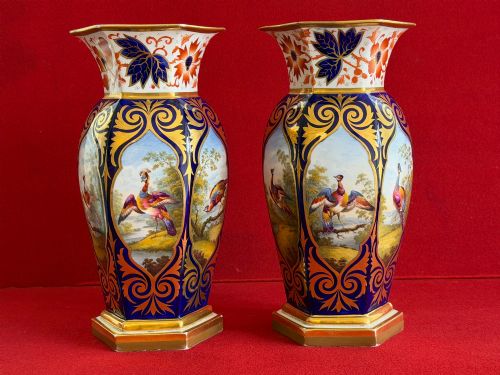
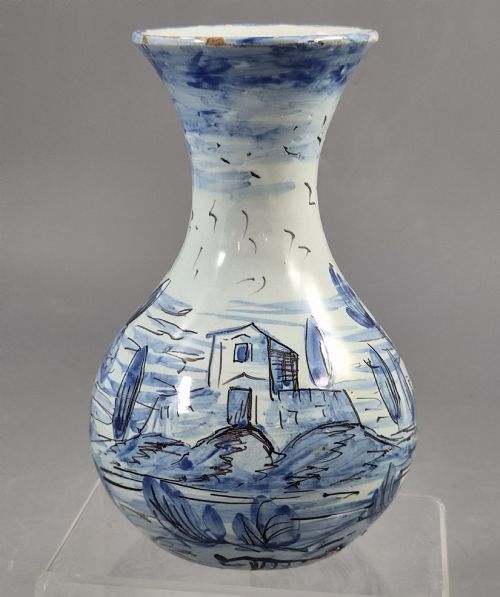
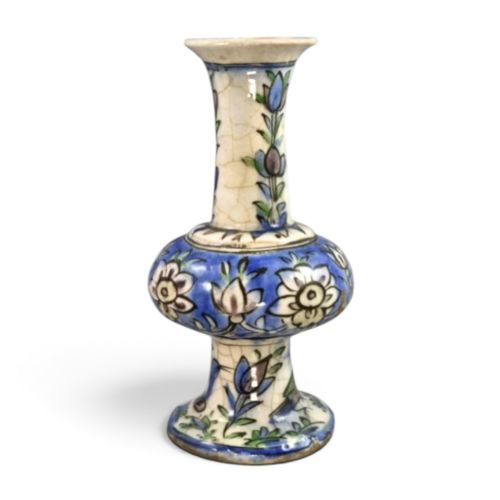
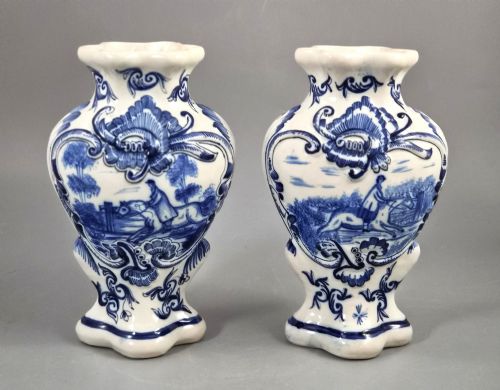
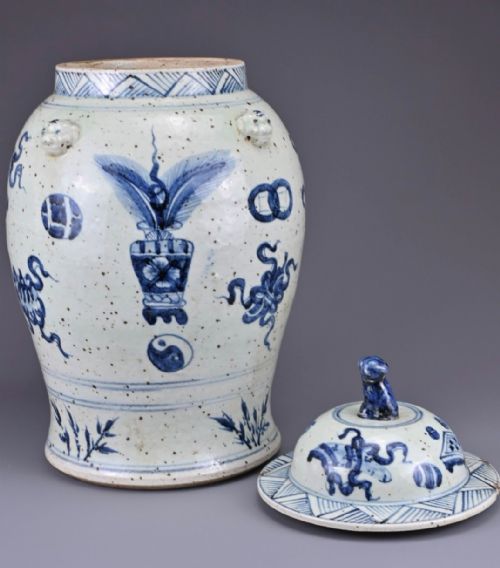
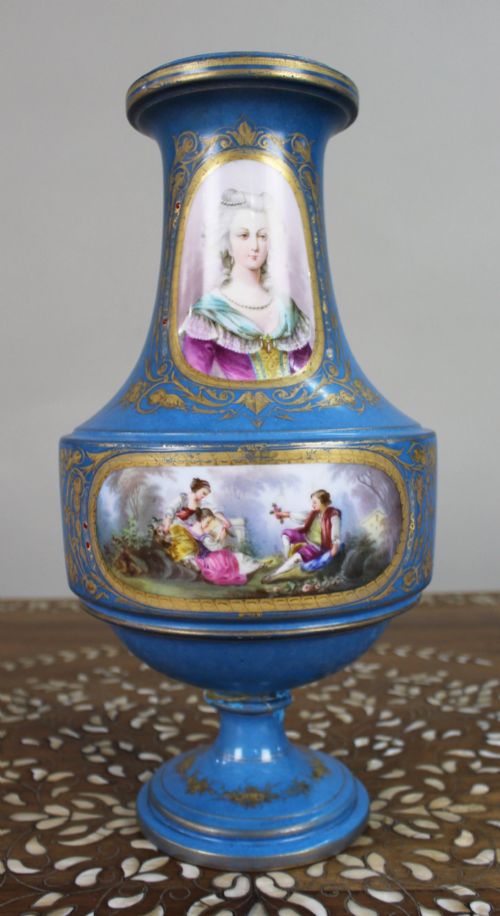
A blue painted ceramic urn encompasses large floor-standing vessels, lidded jars, cabinet vases, and campagnas produced across European, Asian, and Middle Eastern potteries. The pieces span the seventeenth, eighteenth, and nineteenth centuries, alongside early twentieth-century examples.
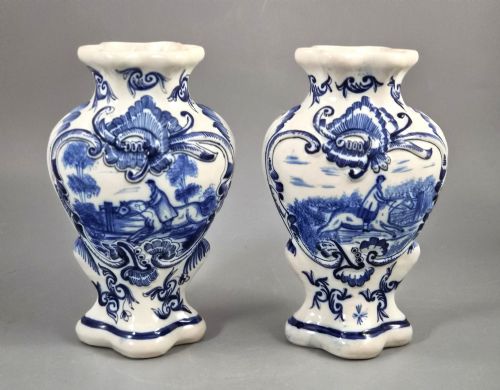
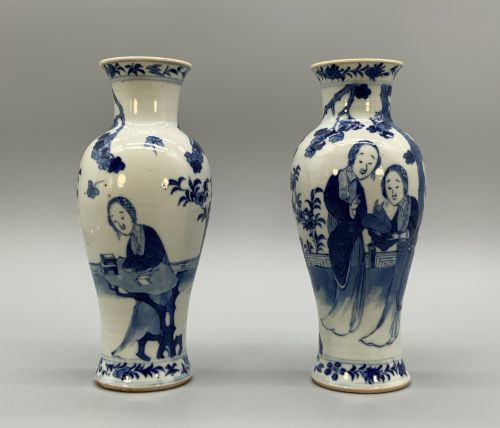
Most entries on this page take the form of Japanese Imari vases, Chinese export and revival pieces, Dutch delftware, and English or French porcelain. Forms range from double-gourd silhouettes and baluster jars to traditional classical urn shapes.
How they were made
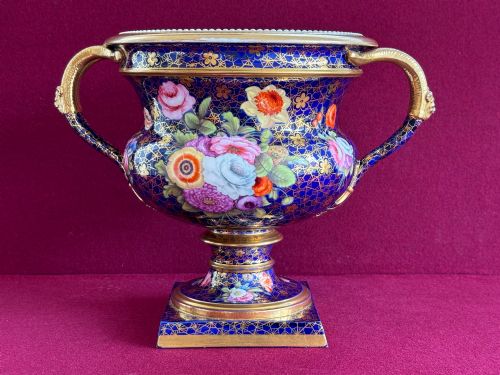
Potters utilised earthenware, porcelain, and tin-glazed bodies, applying cobalt blue pigments under or over the glaze before high-temperature firing. Many examples incorporate secondary decoration using gold leaf, enamel highlights, and polychrome overglaze details.
Factories employed throwing, moulding, and hand-painting techniques, with distinct regional traditions governing clay preparation and glaze formulations.
The documented pieces span the seventeenth, eighteenth, and nineteenth centuries, with additions from the early twentieth century.
What varies in quality
Quality rests upon the precision of the hand-painted brushwork, the clarity and depth of the cobalt blue glaze, and the refinement of the ceramic body. Pieces from established porcelain works display crisper contours and more disciplined pictorial compositions than mass-produced counterparts.
The integrity of the glaze surface, the balanced execution of decorative motifs, and the preservation of secondary gilding or enamel determine the standing of an individual vessel.
Flight Barr And Barr·Cantagalli·Fourmaintraux Courquin·Doulton Lambeth·Minton·Chamberlain Worcester·Royal Doulton
The Blue Painted Ceramic Urn Glossary
- Baluster
- A jar or vase with a rounded body that tapers toward a narrow neck and base. This silhouette is common in seventeenth and eighteenth-century blue and white storage and display vessels.
- Imari
- A Japanese style of porcelain featuring underglaze blue and overglaze iron red, complemented by gold leaf. The aesthetic heavily influenced European factories during the seventeenth and eighteenth centuries.
- Tin-Glazed Earthenware
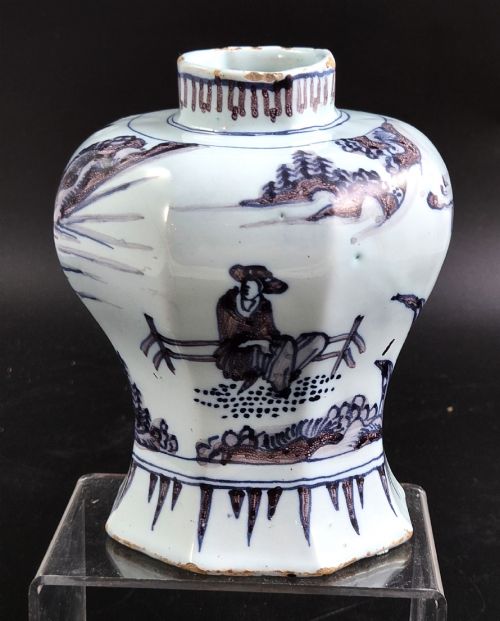
- Pottery coated with a white tin-oxide enamel that opaque surface receives painted decoration before firing. Dutch delftware and English faience utilise this foundational technique.
- Campagna
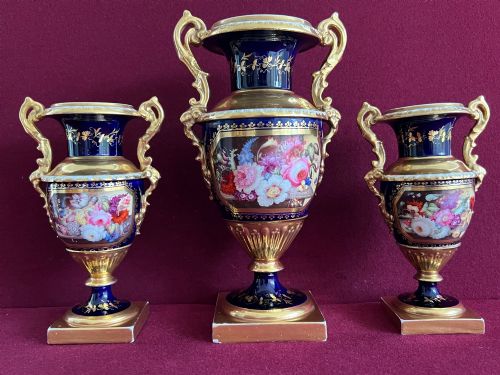
- A classical urn shape characterised by a urn-shaped body on a pedestal foot with flared handles. English and continental potteries produced these forms in porcelain and earthenware.
- Polychrome
- Decoration utilising multiple colours alongside cobalt blue. This method appears on eighteenth and nineteenth-century porcelain and earthenware jars and vases.
Blue Painted Ceramic Urn: Frequently Asked Questions
How do I identify Chinese versus Japanese blue and white pieces?
Chinese vessels often feature narrative figure scenes, dragons, or floral scrolls executed in deep cobalt blue on brilliant white porcelain. Japanese Imari pieces typically introduce iron red and gold leaf alongside the blue underglaze.
Examination of the base footring and regional potting characteristics reveals further clues regarding the workshop origin and period of manufacture.
What is the difference between delftware and faience?
Delftware specifically refers to tin-glazed earthenware produced in the Netherlands, particularly around Delft, during the seventeenth and eighteenth centuries. Faience is the broader continental European term for tin-glazed pottery made in France and other regions.
Both utilise a white opaque glaze painted with blue pigments, though local clay bodies and decorative motifs vary by workshop.
Were these urns and vases meant for display or use?
Large urns, floor vases, and lidded jars served primarily as decorative interior ornaments within grand rooms, often displayed on pedestals or mantelpieces. Smaller cabinet vases and dishes held floral arrangements or remained decorative objects in their own right.
Converted lamp adaptations found later utility in domestic lighting while retaining their ceramic bodies.
How should I display antique ceramic urns at home?
Position heavier floor vases and large jars on stable, level surfaces away from high-traffic household areas to protect the ceramic body. Smaller cabinet vases benefit from enclosed shelving or well-supported side tables where the painted details remain visible.
Keep pieces away from direct sunlight to preserve the stability of enamel and gold leaf decorations.