



Blue Overlay Glass Vase
A blue overlay glass vase brings rich colour and layered depth to a room, catching the light through contrasting bands of tone.
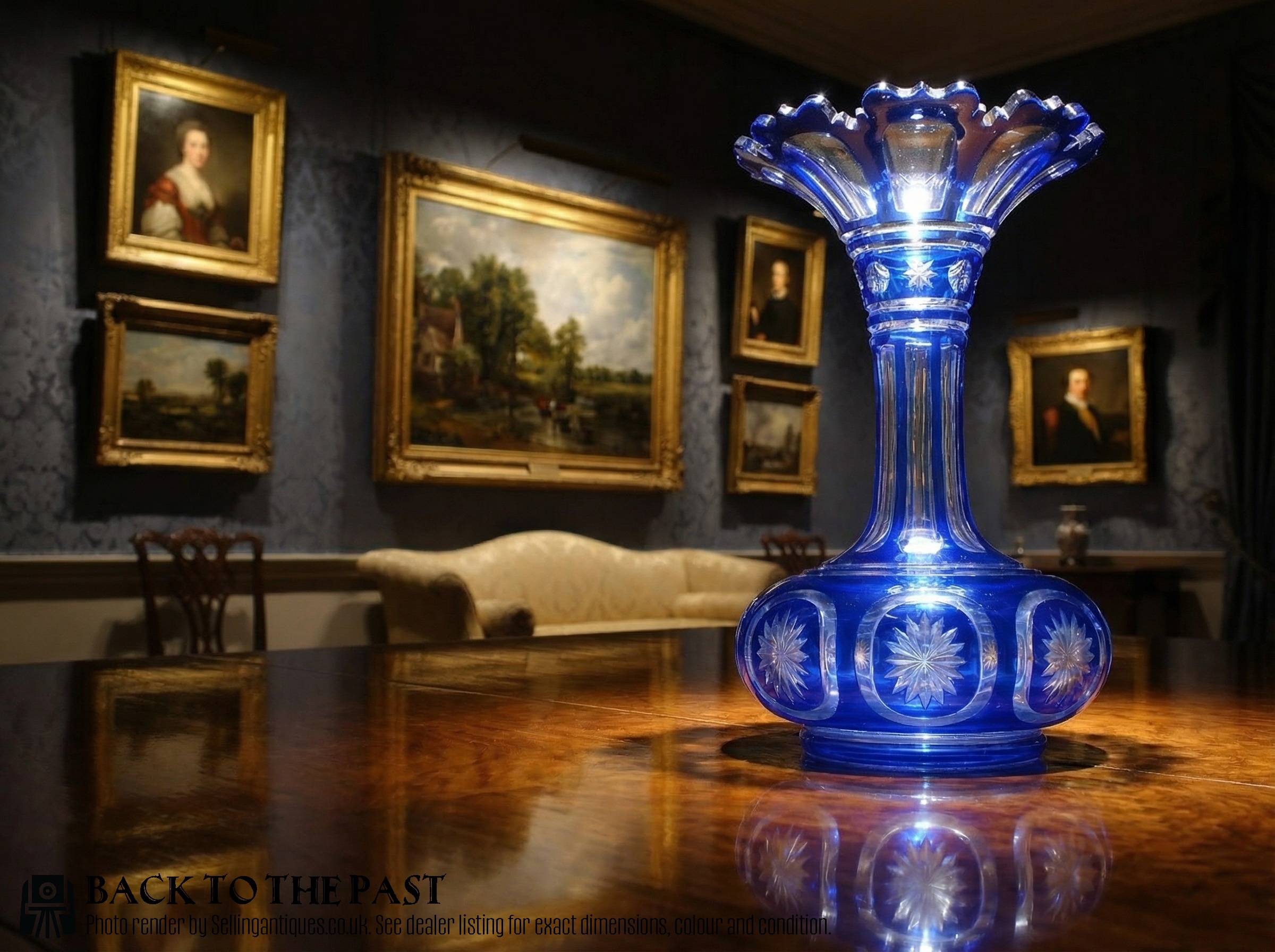
Blue Overlay Glass Vase
A blue overlay glass vase combines a base of clear or coloured crystal with an outer layer of saturated blue glass, carved or cut away to reveal the contrasting strata beneath. When people search for a blue overlay glass vase, they encounter striking examples from Victorian cut glass down to the sleek geometries of Art Deco and mid-century studio work.
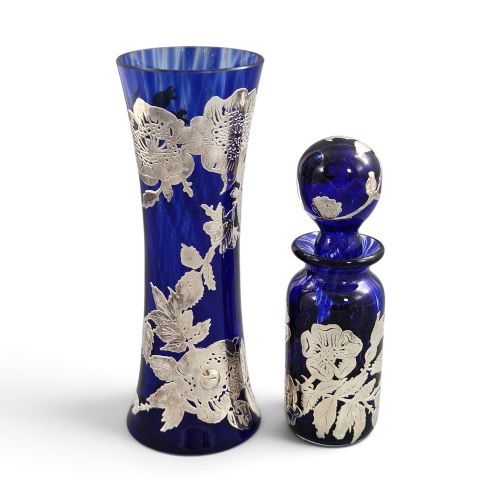
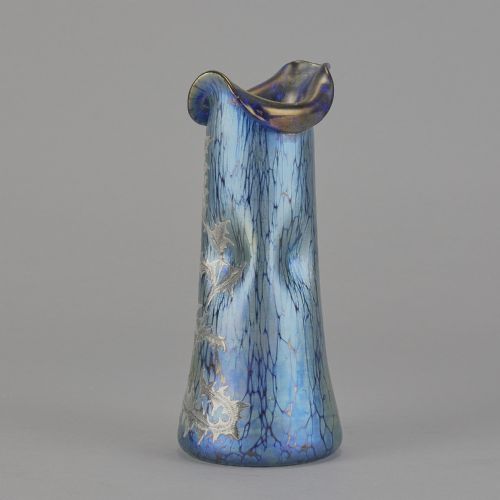
The pieces appearing on this page span several key eras, including the ornate flourishes of the nineteenth century and the fluid botanical motifs of the Art Nouveau period. Buyers will find specimens ranging from robust Bohemian mantel lustres to delicate Belgian cased vessels and Austrian iridescent forms.
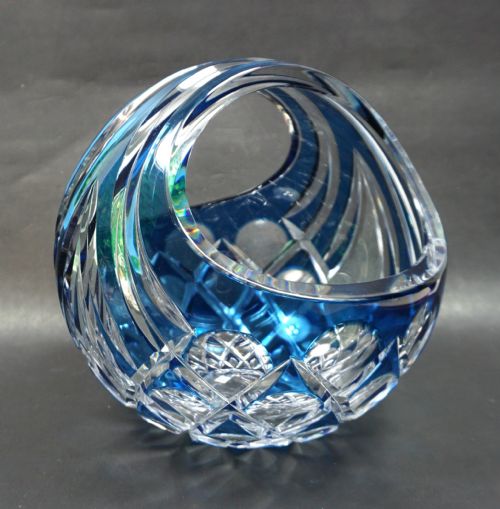
Vessels take various distinctive shapes, from traditional baluster forms and wide-necked vases to baskets and vanity glassware. Each piece demonstrates how makers manipulated layered glass to create depth, pattern, and strong visual contrast.
How they were made
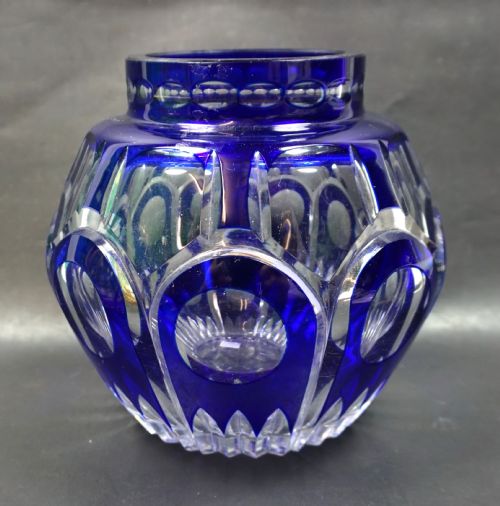
The foundational technique relies on gathering molten glass of one colour inside or over another, fusing the layers permanently in the furnace before shaping. Craftsmen then employed wheel-cutting, acid-etching, or cameo carving to cut through the exterior blue skin down to the contrasting underlayer.
Many European workshops added metal mounts, collars, or openwork casing directly onto the glass body. Silversmiths fitted sterling silver or pewter overlay directly to the blown vessel, securing delicate metallic tracery around the shoulders and neck.
Blue Overlay Glass Vase Retail Price Guide 2026
Typical asking prices for blue overlay glass vase among the pieces listed under this phrase on Sellingantiques today, from the lower quarter to the upper quarter. They describe what is for sale here now, not the wider market.
Some nineteenth-century makers applied heavy metal cages so the vase could survive an overenthusiastic dusting.
What varies in quality
Quality rests in the precision of the wheel-cut or carved decoration, where clean edges define the boundary between the deep blue exterior and the clear or contrasting body beneath. Superior examples display crisp depth and deliberate symmetry rather than shallow, hurried surface incisions.
The harmony between the glass body and any added metalwork dictates the overall standard of the object. Master workshops ensured that silver or pewter collars fit the contours of the vessel seamlessly without distortion.
Loetz Witwe·Emile Galle·Val St Lambert·Laugharne Glass
The Blue Overlay Glass Vase Glossary
- Overlay glass
- Glass composed of two or more distinct layers of different colours fused together during blowing. The outer layer is partially removed by cutting or carving to expose the contrasting colour underneath.
- Cased glass
- A synonym for layered glass where a core vessel is encased entirely within one or more transparent or coloured glass jackets. This technique intensifies the optical depth of the object.
- Cut to clear
- A specific decorative process where deep geometric or floral facets are sliced entirely through the coloured surface layer to expose the clear crystal beneath.
- Mantel lustre
- A decorative glass vase or urn hung with dangling crystal prisms, traditionally displayed on a fireplace mantel. These pieces often feature extensive overlay cutting and gilding.
- Papillon
- An iridescent glass finish developed in Austria featuring mottled, metallic oil-spot patterns across the surface. It catches ambient light to produce shifting peacock hues.
Blue Overlay Glass Vase: Frequently Asked Questions
How are blue overlay glass vases cleaned safely?
Wash the glass gently in lukewarm water using a mild, non-abrasive detergent and a soft cloth. Avoid harsh chemical cleaners that might damage delicate surface patinas or metal mounts.
Dry the piece thoroughly with a lint-free towel immediately after washing. Take extra care around any silver or pewter overlay to prevent moisture trapping against the glass.
Can I put fresh flowers in these vases?
Many of these historical vessels can hold water safely for short periods, but older glass and internal silver fittings benefit from careful handling. Sudden temperature changes can stress aged glass.
Pat the interior dry after use to prevent mineral deposits from clouding the clear or coloured layers over time. Displaying them dry eliminates any risk of water damage to antique metal collars.
How do I tell Victorian pieces from later ones?
Victorian examples generally feature heavy cut-to-clear geometric patterns and substantial lead crystal weights. They often appear alongside polished pontil marks and deep, saturated cobalt tones.
Twentieth-century pieces from the Art Nouveau or Art Deco periods tend towards organic acid-etched cameos or stylized iridescent finishes. The design vocabulary shifts from rigid floral symmetry to fluid, asymmetric lines.
What is the difference between overlay and flash glass?
Overlay glass is built from a substantial, thick outer jacket of coloured glass fused to the core body, allowing deep sculptural carving. This thickness permits profound relief work and multi-layered designs.
Flash glass uses only an extremely thin surface coating of colour over a clear base. Because the layer is so thin, cutters can only scratch or etch surface patterns rather than deep facets.