


Blue Majolica Wall Plate
A blue majolica wall plate brings rich tin-glazed earthenware into a room, offering deep colour and striking historic form.
Blue Majolica Wall Plate
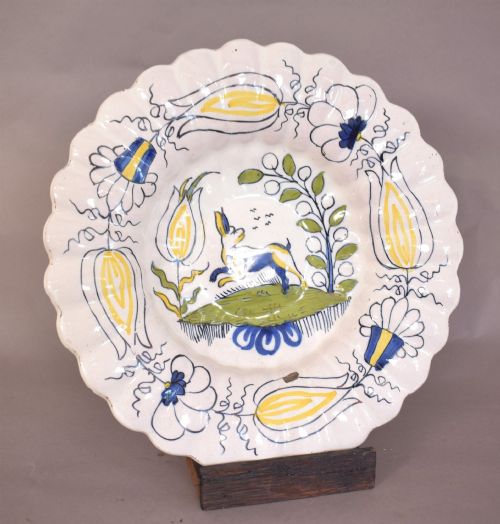
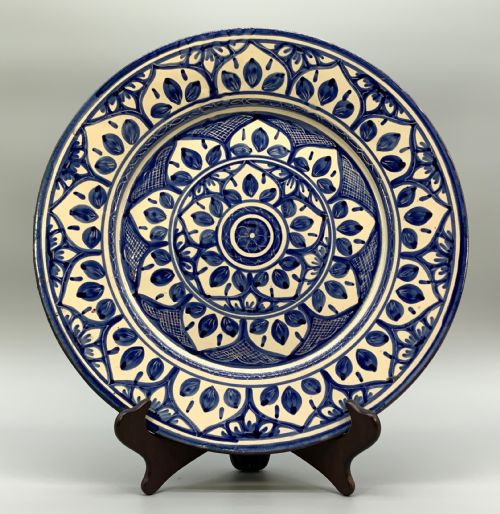
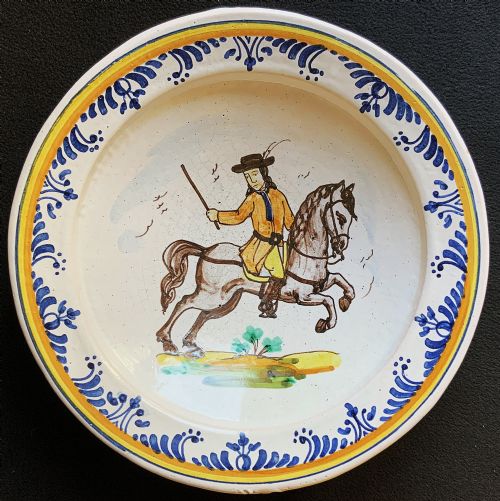
A blue majolica wall plate is a decorative ceramic piece designed for display, encompassing wall chargers, large decorative platters, and plates. These objects span several centuries, featuring forms from seventeenth-century Delft to nineteenth-century Italian majolica and Moorish revival designs.
Buyers will most frequently encounter nineteenth-century examples alongside eighteenth-century Spanish and Dutch pieces. The selection also includes twentieth-century continental interpretations and folk art pottery works intended specifically for wall mounting.
How they were made
These items rely on earthenware or terracotta bodies coated in a tin glaze to create an opaque white or cream surface for painting. Artisans applied mineral pigments directly onto this absorbent glaze before firing.
Production techniques range from traditional Dutch Delft methods to Italian istoriato painting executed by specialised pottery works. The pieces utilise ceramic materials shaped into heavy chargers and plates designed to hold rich polychrome or blue pigments.
The inventory includes Renaissance Revival, Dutch Baroque, and Moorish Revival styles applied to large wall chargers.
What varies in quality
Quality rests in the execution of the painted surface, distinguishing hurried folk art interpretations from the refined brushwork of the Pesaro school or classical istoriato scenes. The depth and control of the tin glaze also separate standard production from finer continental pieces.
The sophistication of the historical style, whether Dutch Baroque, Renaissance Revival, or Moorish Revival, dictates the artistic merit of the charger. Weight, scale, and the crispness of the moulded earthenware body further differentiate the standard examples from exceptional decorative platters.
Bassano pottery works
The Blue Majolica Wall Plate Glossary
- Majolica
- Tin-glazed earthenware decorated with opaque colours on a white background. This term often encompasses similar tin-glazed traditions across Italy, Spain, and the Netherlands.
- Charger
- A large decorative plate traditionally used for ceremonial dining or wall display. These pieces usually measure significantly more in diameter than standard dining plates.
- Istoriato
- A style of pottery decoration featuring narrative historical, mythological, or biblical scenes painted across the entire surface. This technique flourished in Renaissance Italy and inspired later revival pieces.
- Faience
- European tin-glazed earthenware, particularly associated with French and Spanish production. The technique creates a smooth white ground suitable for intricate painted motifs.
- Tin glaze
- An earthenware glaze rendered opaque by the addition of tin oxide. This surface provides the ideal absorbent base for cobalt blue and polychrome pigments.
Blue Majolica Wall Plate: Frequently Asked Questions
How were blue majolica wall plates displayed?
Historic interiors frequently used large chargers and decorative platters as focal points on sideboards, dressers, or mounted directly onto walls.
Their substantial size and reflective tin-glazed surfaces caught the candlelight in formal rooms.
What is the difference between majolica and delft?
Majolica generally refers to Italian tin-glazed earthenware, while Delft specifically describes the tin-glazed pottery produced in the Netherlands.
Both share similar earthenware bodies and opaque glaze techniques but often reflect distinct regional painting styles.
Can these plates be hung on walls safely?
Most of these chargers and decorative plates were manufactured with display in mind, often featuring historic mounting holes or rims suited for secure wire hangers.
Careful installation ensures the weight of the earthenware body is properly supported.
How do I identify a nineteenth-century revival piece?
Revival pieces from the nineteenth century often emulate Renaissance or Baroque aesthetics, utilising brighter polychrome palettes and heavier earthenware bodies.
Examining the characteristics of the tin glaze and painting style helps distinguish these later interpretations from seventeenth or eighteenth-century originals.