



Blue Majolica Vase
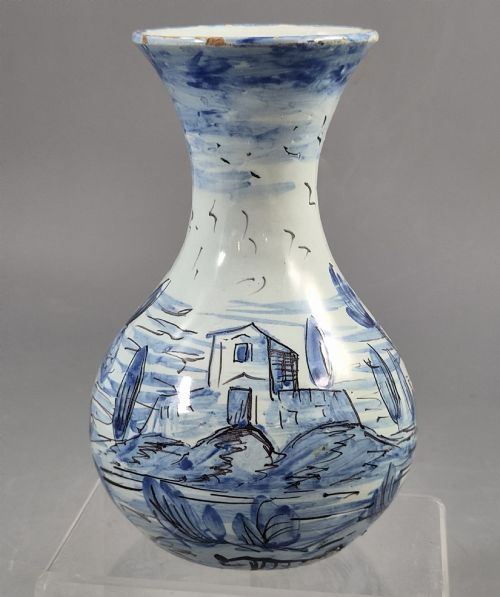
A blue majolica vase brings rich tin-glazed earthenware into a room, offering deep cobalt tones and sculptural form from nineteenth-century revivals back to eighteenth-century originals.
Blue Majolica Vase
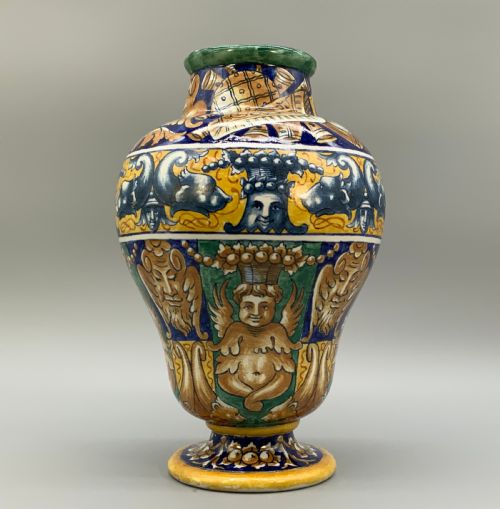
When you search for a blue majolica vase, you encounter glazed ceramic vessels spanning centuries of European pottery production. The pieces on this page lean heavily towards nineteenth-century revivals of Italian styles alongside earlier eighteenth-century examples.
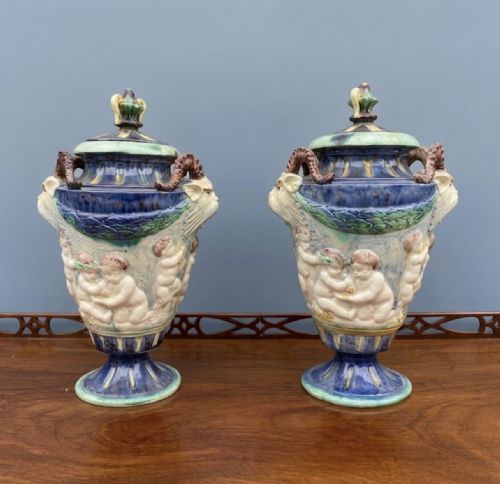
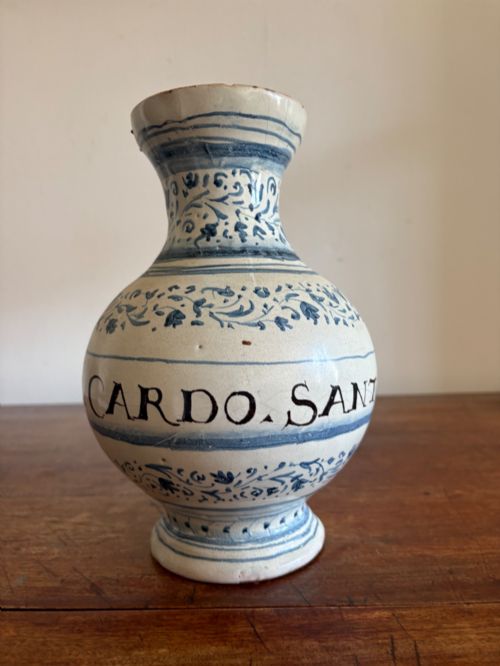
The forms range widely across the selections available here. You meet apothecary jars, lidded urns, cabinet vases, and even table lamps shaped from tin-glazed earthenware.
Italian and French makers dominate the origins recorded in these listings. Workshops frequently turned to Renaissance, Baroque, and Alhambra styles to shape their blue and white wares.
How they were made
Potters shaped these objects primarily from earthenware and ceramic bodies before applying tin glazes or lead glazes. This foundation provided the smooth opaque white surface necessary for cobalt blue painting.
Firing techniques locked the mineral pigments into the glaze layer. Selected pieces also incorporate cast ormolu mounts to frame the glazed ceramic body.
Blue Majolica Vase Retail Price Guide 2026
Typical asking prices for blue majolica vase among the pieces listed under this phrase on Sellingantiques today, from the lower quarter to the upper quarter. They describe what is for sale here now, not the wider market.
Listings span ceramic, earthenware, and tin-glazed earthenware materials across the 18th and 19th centuries.
What varies in quality
The distinction between standard production and exceptional pieces rests upon the crispness of the painted decoration and the ambition of the form. Monumental scale and complex pedestal bases elevate individual urns above simpler cabinet vessels.
Fidelity to historical revivals shapes the standing of each piece. Skilled hand-painting in cobalt blue separates accomplished workshop output from ordinary utilitarian ceramics.
Cantagalli·Minton
The Blue Majolica Vase Glossary
- Majolica
- A type of tin-glazed earthenware decorated with opaque coloured glazes. It appears frequently across nineteenth-century revival pieces and earlier Italian works.
- Albarello
- A cylindrical apothecary jar designed to store dry drugs and spices. These drug jars often feature blue and white painted decoration.
- Tin Glaze
- An enamel glaze containing tin oxide that fires to an opaque white finish. It serves as the canvas for painted cobalt ornament.
- Faience
- European tin-glazed earthenware produced in France and other regions. French examples sit alongside Italian pieces in these listings.
- Ormolu
- Gilded bronze mounts applied to decorative objects. It appears combined with porcelain and ceramic bodies on monumental urns.
Blue Majolica Vase: Frequently Asked Questions
How do I spot a reproduction?
Examine the glaze texture and the execution of the blue pigment under magnification. Older pieces show age-related crazing and softer integration of the cobalt into the tin glaze.
Compare the form against documented Italian and French revival periods. Authentic nineteenth-century factory pieces reflect specific stylistic revivals rather than generic modern casting.
Are apothecary jars functional?
Apothecary jars and albarellos served historically as storage vessels for dried herbs and medicinal compounds in pharmacies. Today they function primarily as decorative display pieces.
While the glazed ceramic body remains durable, interior cleaning should stay minimal to preserve any historical residue or original lining.
How should I clean my vase?
Dust the surface gently with a soft, dry cloth to remove everyday particles. Avoid harsh chemical cleaners or abrasive scouring pads that can damage the tin glaze.
Keep tin-glazed earthenware away from standing water or high-moisture environments. Moisture can seep into hairline cracks and destabilize the historic ceramic body.
What styles do these pieces follow?
The listings showcase a strong leaning toward Renaissance Revival, Italian Baroque, and French Neoclassical aesthetics. Makers also drew inspiration from Moorish Alhambra designs.
Nineteenth-century factories reinterpreted these historical vocabularies on large urns, table lamps, and cabinet vases. Eighteenth-century examples offer direct links to earlier Italian workshops.