



Blue Luri Rug
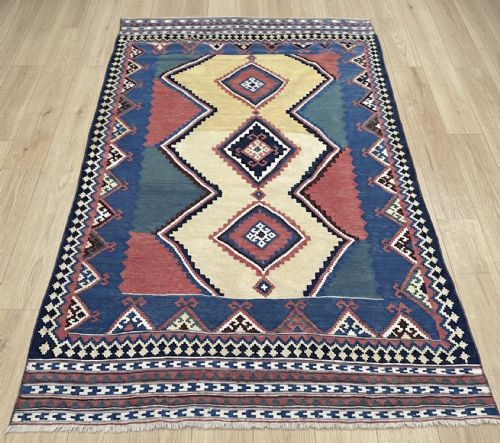
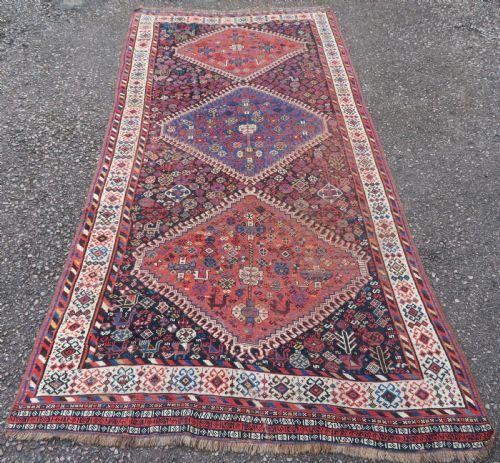
A blue luri rug brings the nomadic artistry of western Persia into your home through geometric tribal patterns and rich natural dyes.
Blue Luri Rug
When you search for a blue luri rug, you encounter hand-woven tribal textiles originating from the Luri tribes of Luristan and western Persia. These pieces span the nineteenth and early twentieth centuries, reflecting a rich heritage of nomadic weaving.
You are most likely to meet rugs that utilise traditional motifs like trees of life, flowers, and birds, rendered in deep indigo and blue tones alongside rustic geometric layouts.
How they were made
Weavers constructed these textiles using hand-spun wool, ensuring a sturdy and resilient pile capable of withstanding generations of nomadic life. The organic nature of the wool provides a tactile warmth and enduring structural integrity.
Colours derive from natural dyes, yielding subtle tonal variations and depth that chemical alternatives cannot replicate. These plant and mineral extracts age gracefully, mellowing into rich patinas over decades of use.
Blue Luri Rug Retail Price Guide 2026
Typical asking prices for blue luri rug among the pieces listed under this phrase on Sellingantiques today, from the lower quarter to the upper quarter. They describe what is for sale here now, not the wider market.
Some saddle bags survived simply because nomads repurposed them to store household bread instead of mounting them on animals.
What varies in quality
The distinction between standard and exceptional weaving lies in the tightness of the knotting and the precision of the tribal design execution. Superior examples display clarity in motifs such as birds and flora, alongside well-balanced proportions.
Material preparation also dictates grade, where finer hand-spun wool and deeply saturated natural dyes produce a more resonant visual rhythm. The handling of edge finishes and structural stability further separates everyday utility pieces from masterworks.
The Blue Luri Rug Glossary
- Luristan
- A mountainous region in western Persia historically inhabited by the Luri tribes. It provides the geographical origin for these distinctive nomadic textiles.
- Sofreh
- A type of spread or cloth traditionally used for kneading dough or serving meals. In nomadic weaving, these often double as striking geometric floor coverings.
- Kelleh
- A large format rectangular rug or carpet, typically longer than it is wide. This format suits hallways and substantial living spaces.
- Natural Dyes
- Colourants extracted from plants, insects, and minerals before the advent of synthetic alternatives. They create the characteristic muted palette of antique tribal weaving.
- Kilim
- A flat-weave textile produced without a pile. These pieces offer lightweight versatility and graphic patterning.
Blue Luri Rug: Frequently Asked Questions
How do I care for antique wool rugs?
Protect your antique textile by placing it in a low-traffic area or utilising a quality underlay to prevent shifting. Regular gentle vacuuming without a beater bar keeps dust from settling into the wool pile.
Keep the piece away from direct sunlight to preserve the natural dyes, and consult a specialist for professional cleaning when necessary.
Where were these rugs made?
These items originate from western Persia, specifically the rugged terrain of Luristan and surrounding areas inhabited by Luri and Luri-Bakhtiari groups. The environment heavily influenced the durable materials and practical formats chosen by the weavers.
Tribal makers utilised locally sourced wool to construct pieces suited to nomadic existence and traditional domestic rituals.
How do I identify a tribal rug?
Tribal rugs display characteristic geometric motifs, asymmetric designs, and a strong reliance on symbolic imagery such as trees of life and stylized animals. They often lack the rigid symmetry found in city workshop carpets.
The presence of hand-spun wool, natural dyes, and minor irregularities in the weave points directly to an authentic nomadic origin.