


Blue Lalique Glass
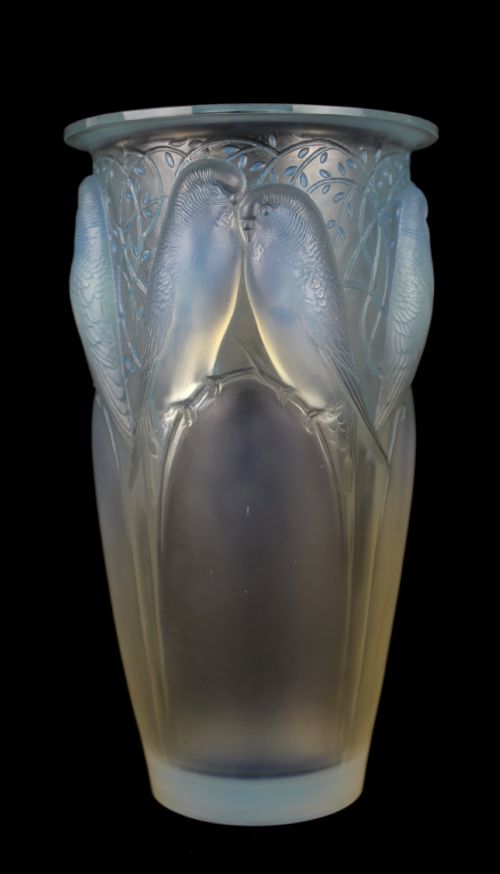
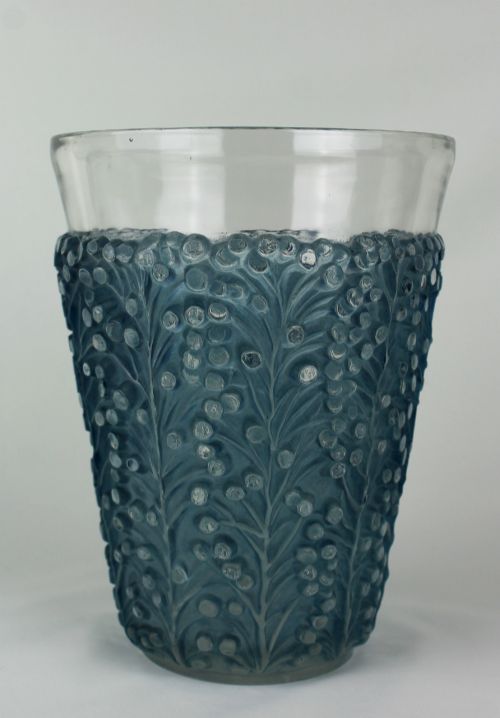
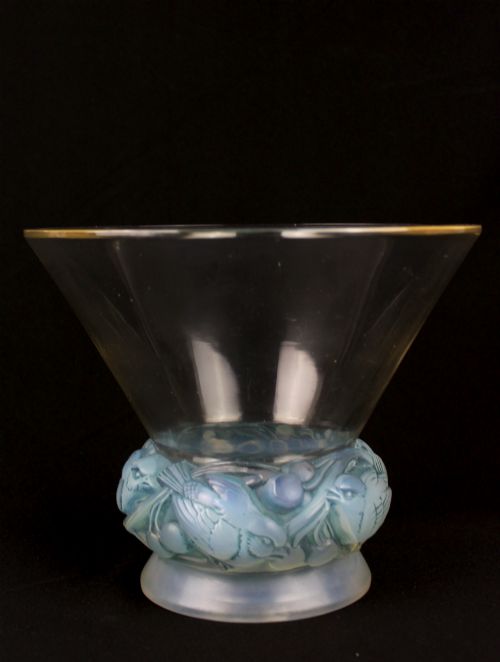
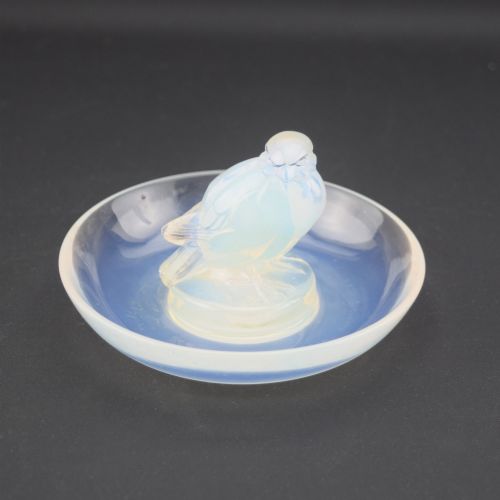
Blue lalique glass brings together delicate french moulding and opalescent colour to form iconic objects from the early twentieth century.
Blue Lalique Glass
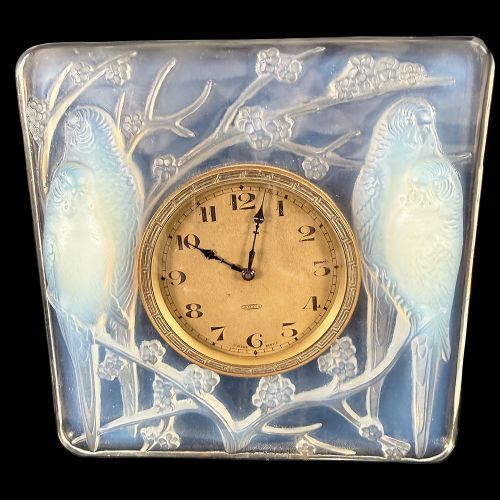
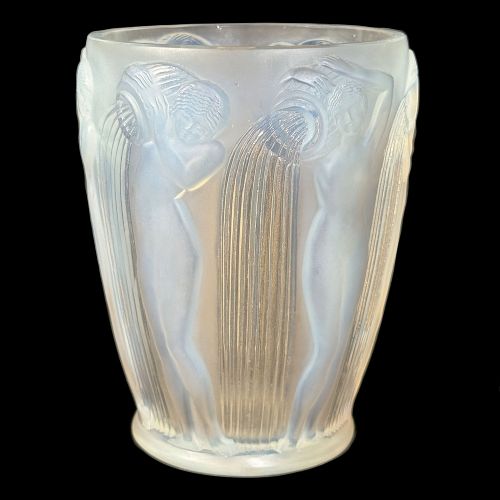
When you search for blue lalique glass, you encounter decorative vessels, dishes, clocks, and car mascots originating from the early decades of the twentieth century. These items span the Art Nouveau and Art Deco periods, capturing distinct shifts in design through stylised flora, fauna, and figures.
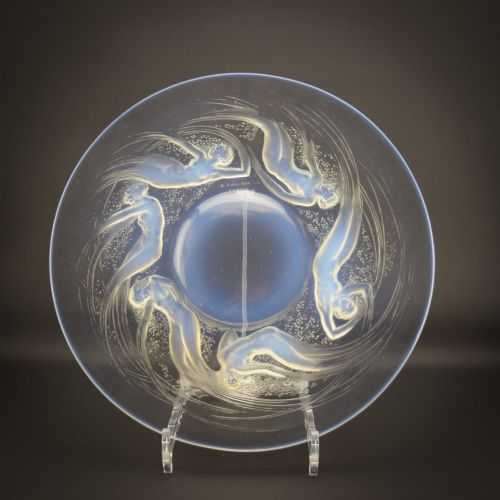
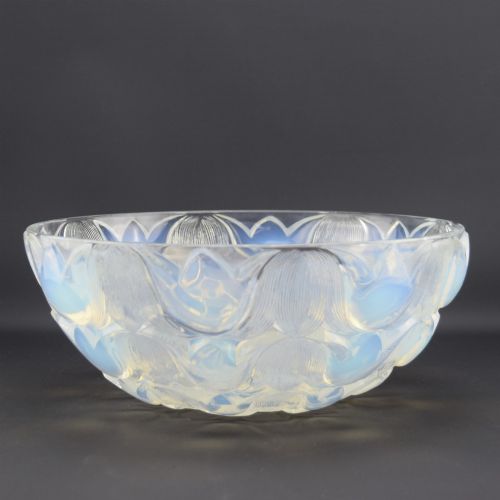
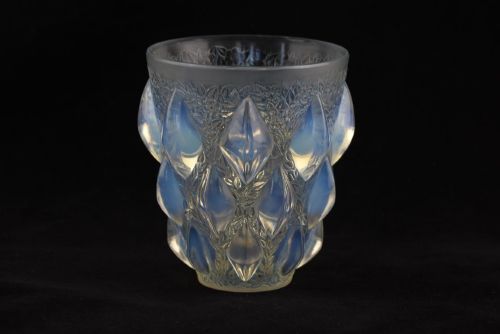
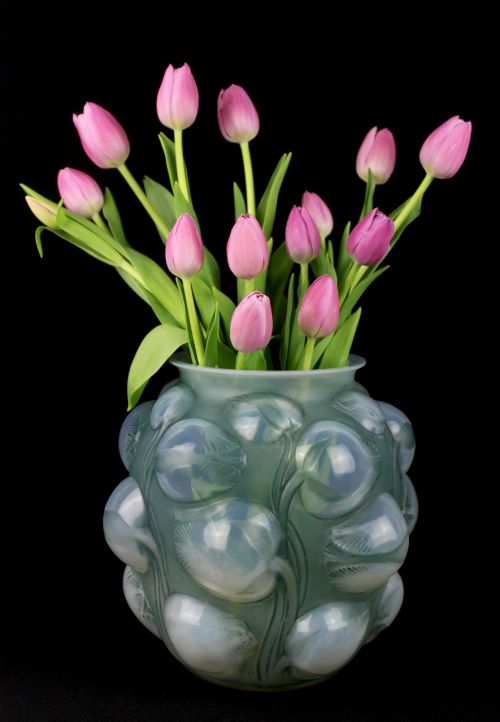
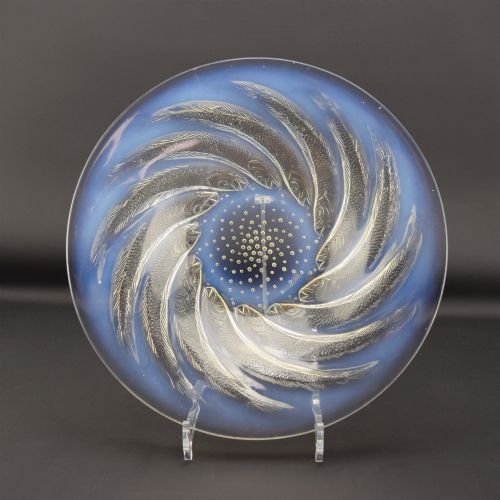
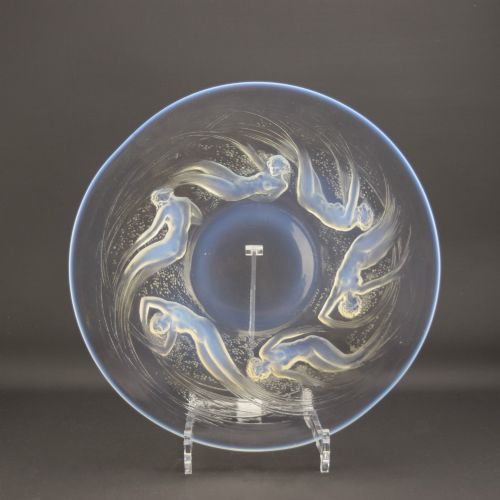
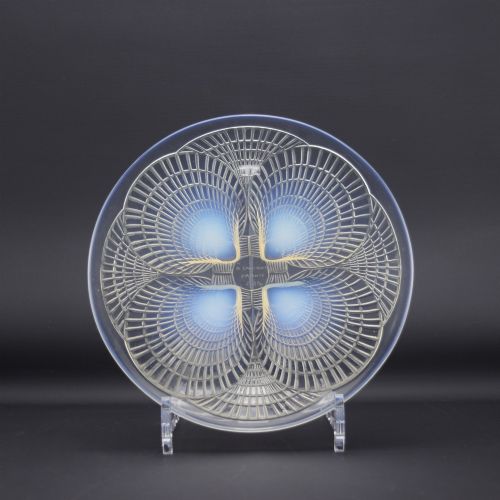
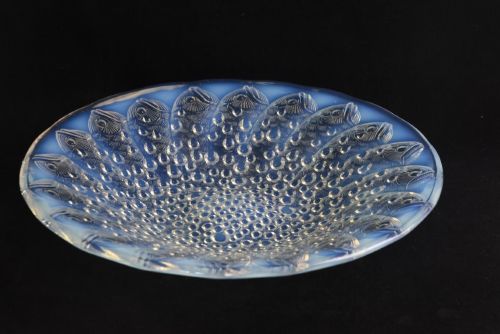
The objects most frequently met on this page include opalescent and blue stained vases, shallow bowls, and moulded plates. Pieces such as the Poissons and Coquilles series demonstrate the prominent use of aquatic and floral motifs across the decades.
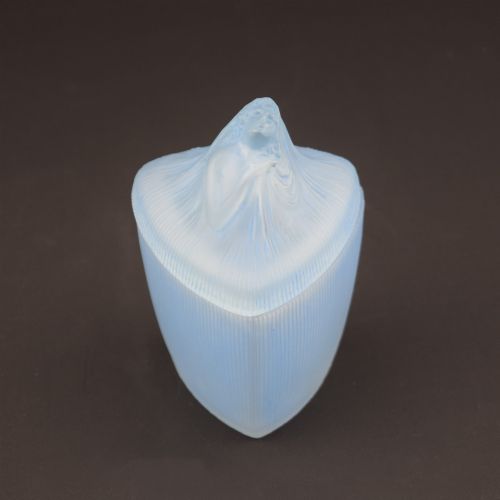
Beyond vessels, the selection encompasses small decorative items including scent bottles, powder boxes, desk blotters, and pendants. These smaller functional pieces exhibit the same intricate moulding found in the larger chargers and vases.
How they were made
The creation of these pieces relies on moulded and pressed glass techniques, shaping molten material into complex three-dimensional forms. Frosted and clear finishes are combined strategically to catch the light and accentuate the contours of the design.
Makers introduced opalescence and blue staining to highlight recessed details and impart a luminous quality to the surface. Enamel and metal additions occasionally appear, complementing the glass body in items such as clocks and pendants.
Blue Lalique Glass Retail Price Guide 2026
Typical asking prices for blue lalique glass among the pieces listed under this phrase on Sellingantiques today, from the lower quarter to the upper quarter. They describe what is for sale here now, not the wider market.
Materials recorded comprise opalescent glass, frosted glass, enamel, and metal elements.
What varies in quality
Quality rests upon the crispness of the moulding and the depth of the opalescent or stained effect within the glass. Strong contrast between frosted surfaces and transparent or coloured areas indicates superior control during the cooling and finishing processes.
The complexity of the subject matter and the crispness of the relief work distinguish finer examples from standard production pieces. Well-defined details in naturalistic motifs like birds, insects, and floral heads demonstrate the artisan's skill.
Rene Lalique·Coty
The Blue Lalique Glass Glossary
- Opalescent Glass
- Glass that diffuses light to display milky, bluish tones across raised surfaces. It shifts appearance depending on the angle of illumination.
- Frosted Glass
- Glass treated to create a textured, matte surface finish. This technique diffuses light to soften the visual impact of the object.
- Moulded Glass
- Glass formed by pressing molten material into a prepared mould to achieve a specific shape and relief pattern. The method allows for consistent replication of intricate designs.
- Car Mascot
- A decorative ornament mounted upon the radiator cap of an automobile. These sculptural pieces were produced in durable glass formats for exterior display.
Blue Lalique Glass: Frequently Asked Questions
How do I identify a genuine piece?
Examine the crispness of the moulded relief and the quality of the opalescent finish. Authentic items show precise detailing in motifs like flora and fauna.
Check for signature markings and consistency in the glass texture. The interaction of light with frosted and stained areas reveals the technical execution typical of the period.
What periods do these items cover?
The pieces span from the Edwardian era through the Art Nouveau and Art Deco movements of the early twentieth century. Most examples date from the nineteen-tens, nineteen-twenties, and nineteen-thirties.
Stylistic shifts appear clearly across these decades, moving from flowing organic lines to geometric and stylised symmetry. The transition reflects broader European design evolutions of the time.
How were these decorative items used?
Objects served both ornamental and functional purposes in early twentieth-century interiors. Vases and bowls held flowers or stood as centrepieces, while smaller items functioned as scent bottles and desk accessories.
Automobile mascots and pendants extended the reach of the designs into personal adornment and transit. Each piece integrated artistic glasswork into daily domestic and public life.
How should I care for glass items?
Clean pieces gently using lukewarm water and a mild detergent to preserve the delicate surface finishes. Avoid harsh chemicals or abrasive materials that might damage frosted or stained areas.
Display items away from direct, intense sunlight and unstable locations to prevent thermal shock or accidental impact. Proper placement ensures the opalescent qualities remain visible.