


Blue Jacket Portrait
A blue jacket portrait brings a direct look from history into a room, capturing sitters from naval officers to young boys in striking coats.
Blue Jacket Portrait
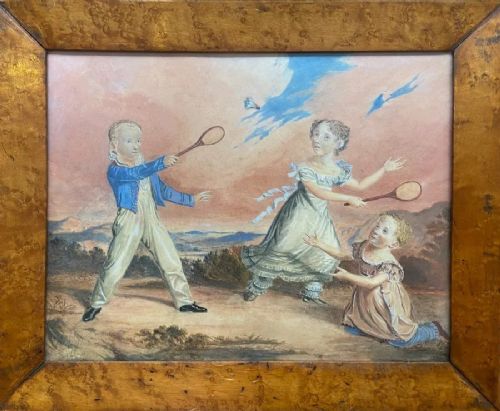
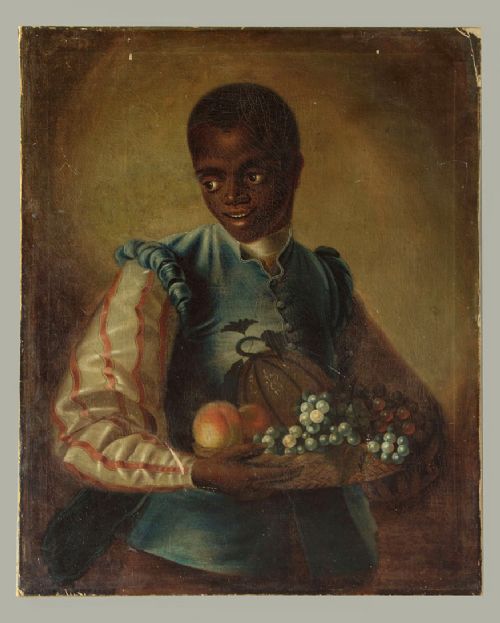
A blue jacket portrait encompasses works spanning several centuries, capturing subjects ranging from naval officers and travelling musicians to young boys and servants. These pieces appear in forms such as oil on canvas, delicate watercolours on paper, and miniature paintings housed beneath glass in wooden frames.
The selections on this page draw from periods including the early 18th century, the Georgian and Regency eras, the Victorian epoch, and early 20th century illustration and Modern British schools. Visitors are most likely to encounter 19th-century works alongside earlier 18th-century oils and later illustrative pieces.
Subjects wear distinctive attire, notably naval jackets and everyday garments, rendered by named artists and anonymous hands alike. Each painting records the fashion and social standing of its era through distinct regional and period styles.
Materials and technique
Artists painted these works using oil paint on canvas or applied watercolour pigments to paper, occasionally incorporating gilding for decorative effect. Canvases provide texture and durability for rich oil portraits, while paper supports finer details in watercolours.
Finished works found protection within wooden frames, frequently paired with glass to shield delicate paper surfaces from atmospheric moisture and damage. These traditional framing methods help preserve the integrity of the paint and paper layers over centuries.
An air ace shoots his pistol from a cockpit, proving blue jackets sometimes belonged in the skies.
Distinctions in quality
Condition and original context also divide works, with well-preserved canvases and stable paper items retaining their initial visual impact. The presence of period frames and documented attribution to known artists elevates the standing of an individual piece.
Henry Travis·William Jones of Bath·Septimus Scott·Sidney Riesenberg·John Verelst
The Blue Jacket Portrait Glossary
- Oil on canvas
- Pigment mixed with drying oil applied to a woven fabric stretched across a wooden support. This combination allows for rich blending of colours and durable longevity.
- Watercolour
- Pigments suspended in a water-soluble vehicle, applied to paper to create luminous and translucent effects. It requires a steady hand and permits little room for correction.
- Miniature painting
- A small-scale portrait designed for intimate viewing, often executed with fine detail on paper or vellum. These portable works were frequently kept close or carried by owners.
- Gilded painting
- Artwork embellished with gold leaf or metallic powder to highlight specific areas such as frames or decorative borders. This technique catches the ambient light in a room.
- Regency
- An English stylistic period spanning the early 19th century, known for refined neoclassical elegance in portraiture and decorative arts. It follows the Georgian era and precedes Victorian styles.
Blue Jacket Portrait: Frequently Asked Questions
What periods do these portraits cover?
The available selection spans from the early 18th century through the Georgian, Regency, and Victorian eras into the early 20th century.
This broad chronological range includes both formal oil paintings and delicate watercolours reflecting changing artistic tastes.
How were these artworks displayed historically?
Portraits were traditionally hung in domestic parlours, drawing rooms, or institutional spaces to display family lineage, status, or profession.
Smaller watercolours and miniatures were often kept in private chambers or carried during travel.
How do I care for an antique portrait?
Keep works out of direct sunlight to prevent fading in both watercolour pigments and oil paints.
Maintain stable indoor humidity and temperature to protect wooden frames and canvas supports from warping.
Are these works signed by artists?
Some pieces bear signatures or documented attributions to known painters and illustrators from British art history.
Others remain the work of capable anonymous hands belonging to regional schools.