


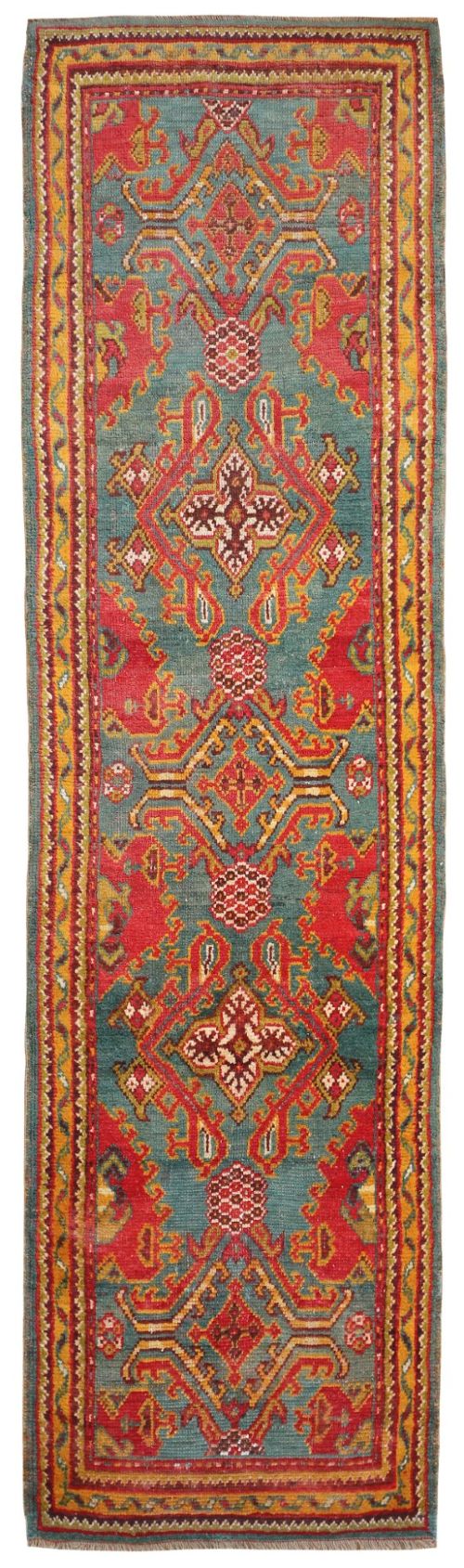
Blue Hand Knotted Rug
A blue hand knotted rug brings centuries of weaving traditions into a room, offering durability and deep indigo or cerulean tones.
Blue Hand Knotted Rug
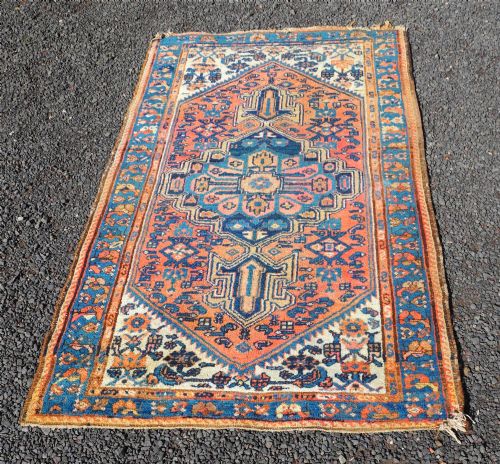
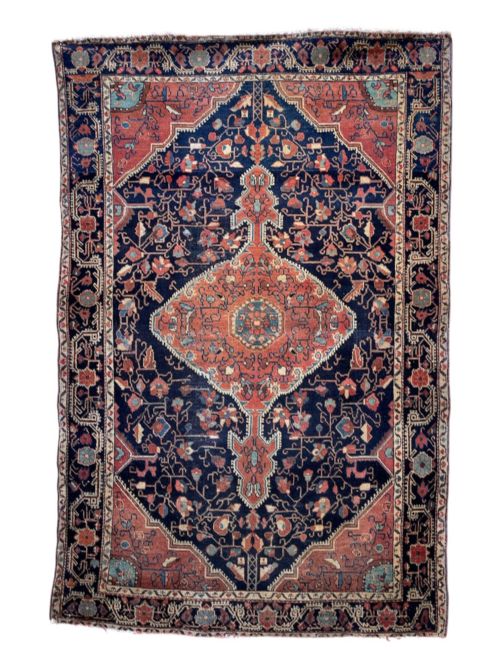
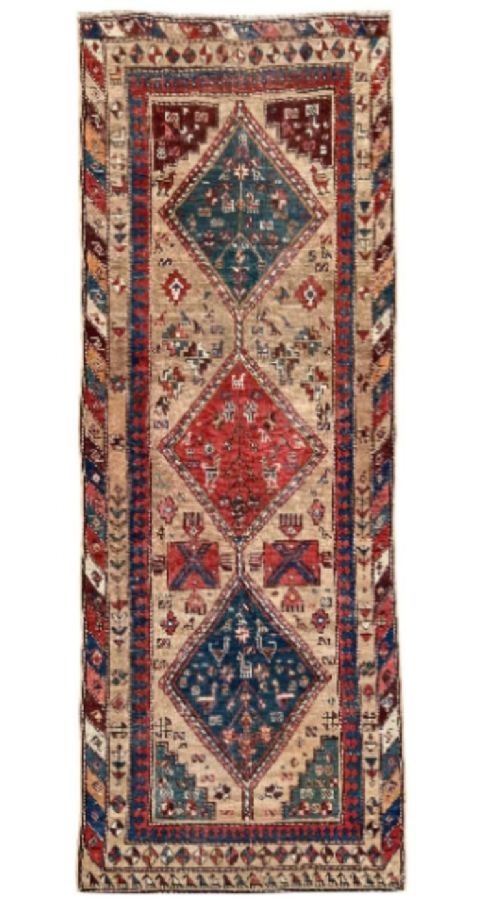
A blue hand knotted rug encompasses tribal and traditional floor coverings from origins including Persia, Anatolia, the Caucasus and Tibet. These textiles date across periods from the nineteenth century through the early decades of the twentieth century.
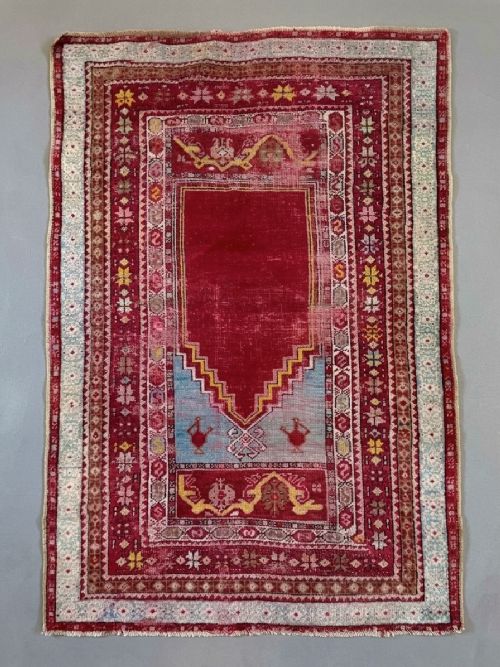
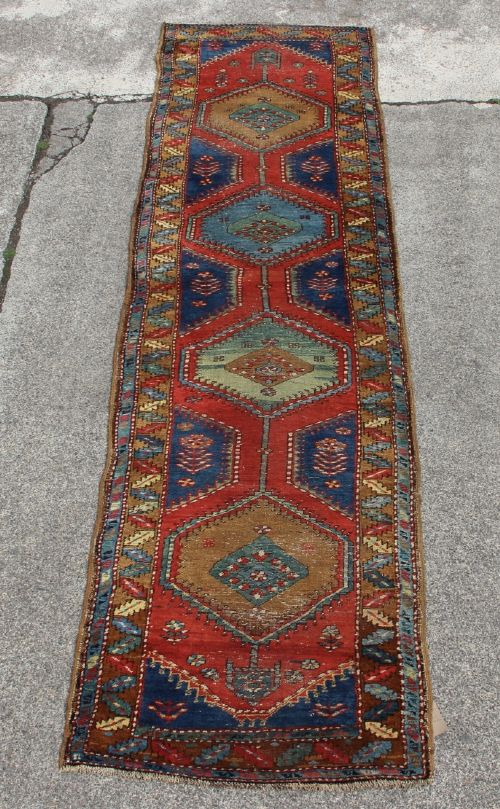
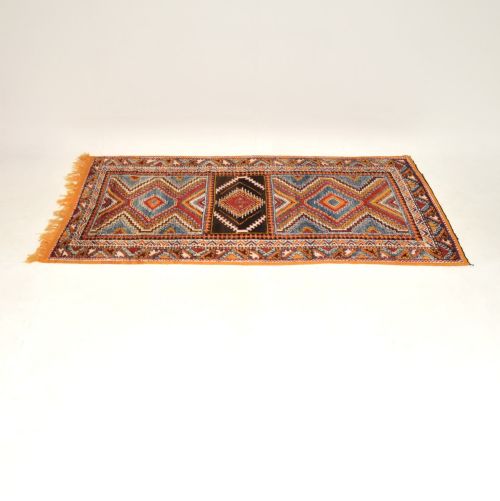
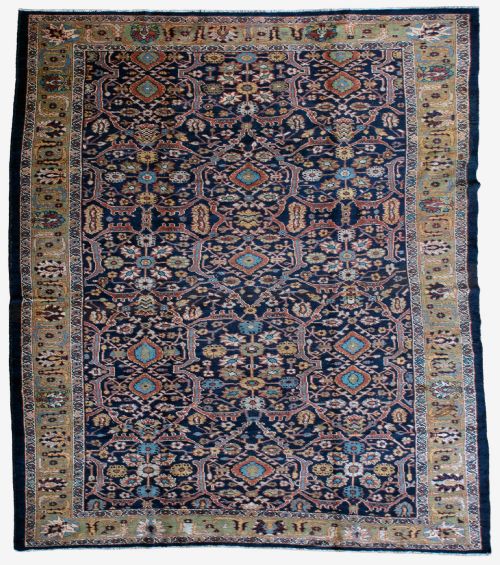
Buyers seeking this phrase meet diverse formats ranging from large carpets and long runners to compact prayer rugs and hearth-sized pieces. The selection reflects traditional village workshops and nomadic weaving traditions.
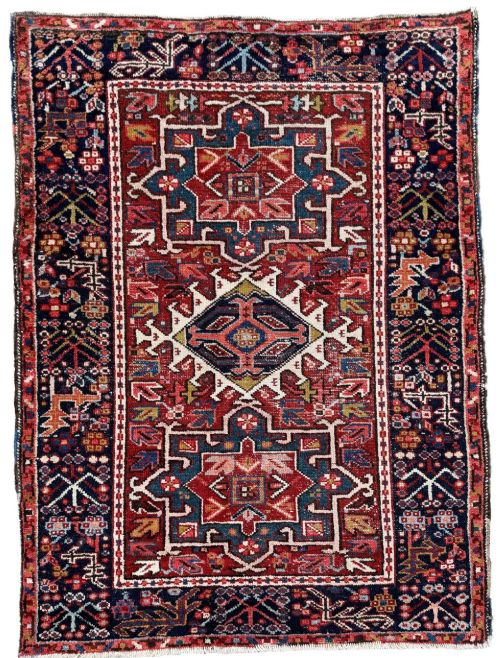
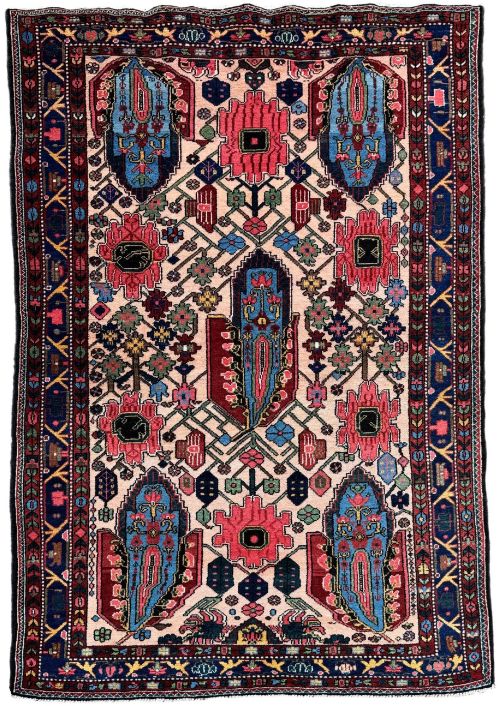
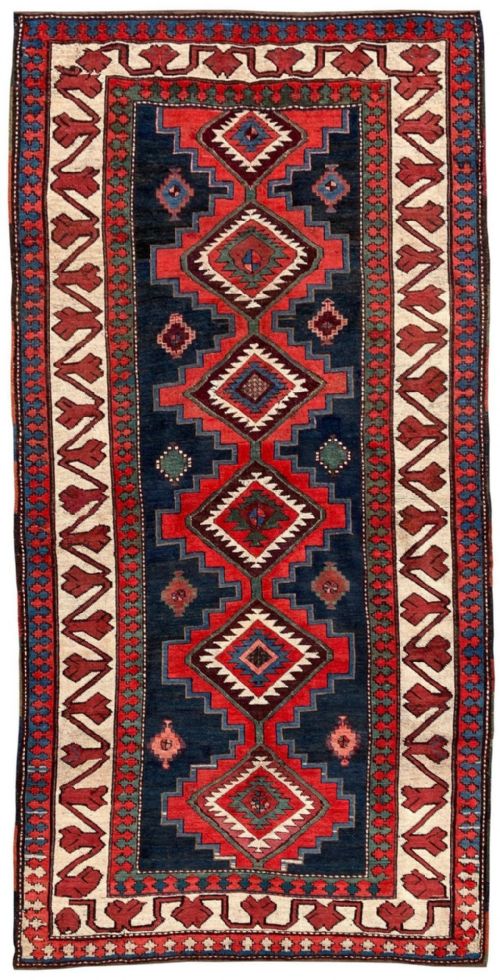
Regional styles dominate the pieces available, showing distinct patterns from Heriz, Kazak, Ushak, Bakhtiar and other historic centres. Each piece carries geometric or floral motifs specific to its place of origin.
Materials and Construction
Weavers constructed these textiles predominantly using wool, cotton foundations, and occasional silk highlights. Hand-spun wool provides the primary pile, offering resilience and texture across the various regional styles.
Craftspeople knotted individual threads by hand onto warp and weft foundations of cotton or wool. This intensive process creates dense surfaces capable of withstanding generations of daily use.
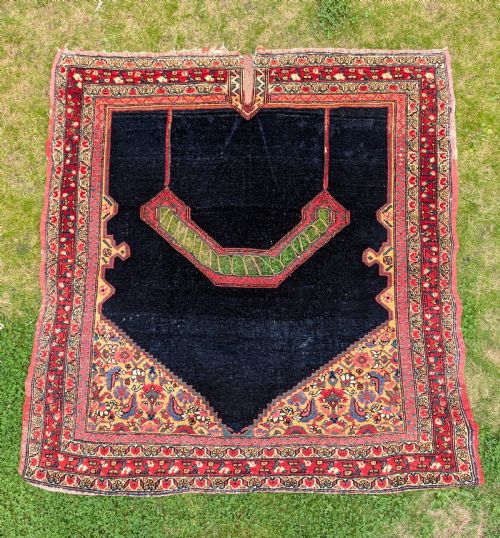
Saddle covers originally designed for equestrian transport now find new life displayed flat on living room floors.
Assessing Quality and Execution
Knot density and structural tightness determine the crispness of geometric patterns and the longevity of the pile. Higher knot counts allow intricate medallion and lattice designs to appear with greater clarity.
The choice of dyestuffs influences how colours age and mature across decades of exposure. Superior materials maintain depth in blue tones, whereas lesser examples lack visual richness.
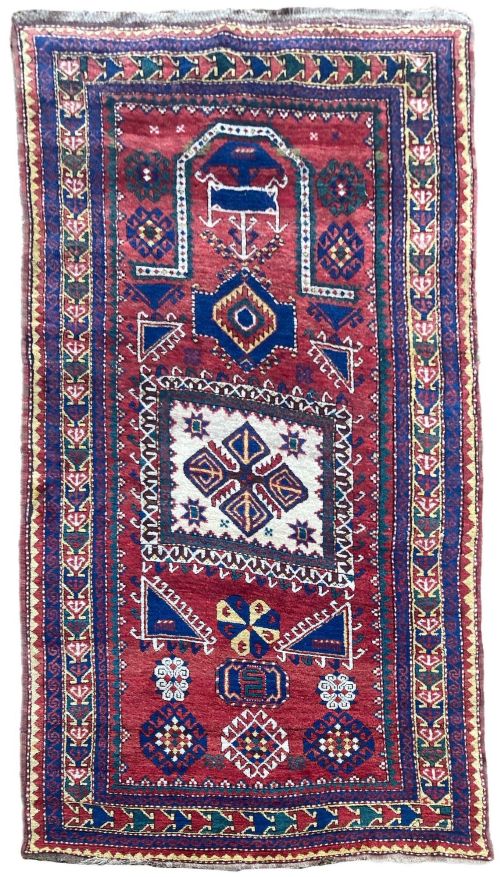
Fachralo Kazak
The Blue Hand Knotted Rug Glossary
- Pile
- The vertical tufts of wool, cotton or silk that form the usable surface of a rug. This layer results from individual knots tied to the foundation.
- Warp
- The vertical threads stretched tightly on the loom before weaving begins. These parallel strands carry the structural tension of the textile.
- Weft
- The horizontal threads passed across the warp strands to lock the knots in place. Together, warp and weft form the supportive backing.
- Prayer rug
- A small textile featuring a niche or arch design indicating the direction of prayer. Historically utilised for personal devotion.
- Runner
- A long, narrow carpet designed for hallways, corridors or staircases. These elongated formats accommodate restricted floor spaces.
Blue Hand Knotted Rug: Frequently Asked Questions
How do I clean an antique rug?
Professional specialist washing preserves the natural wool fibres and historic dyes without causing shrinkage or bleeding.
Regular gentle vacuuming without the rotating brush active prevents dust accumulation within the deep pile.
Can I place these rugs in high traffic areas?
Wool construction combined with sturdy cotton foundations allows many older pieces to withstand regular footfall in corridors and living rooms.
Placing an appropriate underlay beneath the textile prevents slipping and reduces fibre friction against hard floors.
How do I identify the regional origin?
Specific motifs, border arrangements and colour palettes point directly to particular weaving districts such as Heriz, Kazak or Ushak.
Structural characteristics including knot types and edge finishes provide further clues regarding where a piece was made.
What distinguishes tribal rugs from city carpets?
Nomadic and tribal pieces often display geometric patterns, asymmetric layouts and coarser hand-spun wool textures.
City carpets tend to show formal medallion designs, balanced floral symmetry and finer knot counts achieved in established workshops.