


Blue Glazed Table Lamp
A blue glazed table lamp brings a deep, rich colour and historic character to a room, drawing the eye instantly.
Blue Glazed Table Lamp
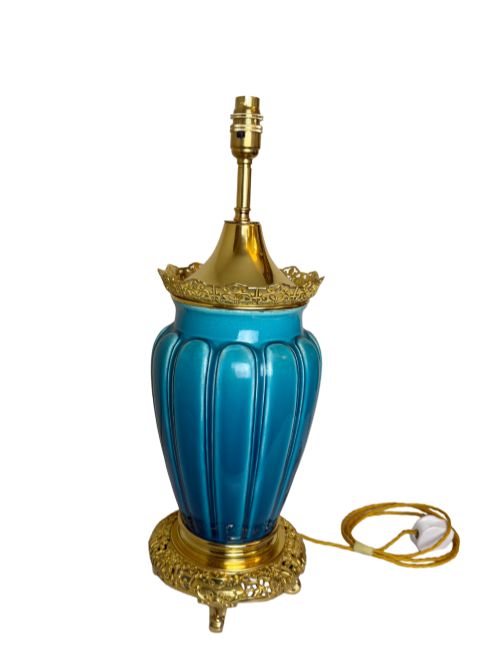
A blue glazed table lamp is typically formed by converting an older vessel, such as an antique vase, jar, or pottery piece, into functional lighting. The selection here spans the eighteenth and nineteenth centuries into the twentieth century, bringing together diverse international traditions.
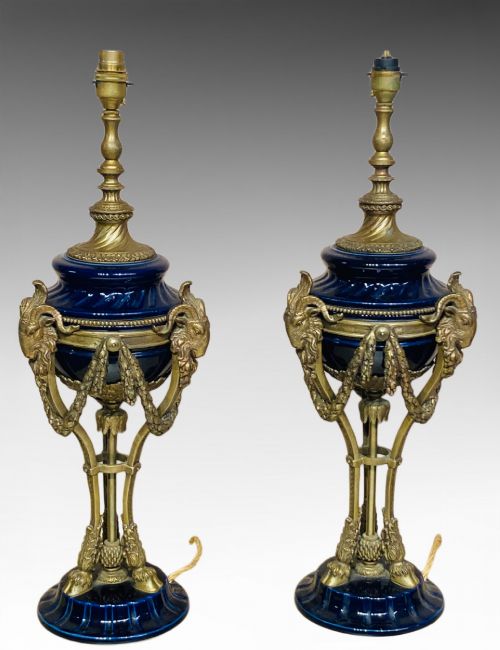
The most common examples you will encounter are converted ceramics and porcelain, often originating from Chinese export kilns, Dutch Delftware workshops, or Victorian art pottery manufacturers. These range from single statement pieces to matched pairs suitable for flanking a sideboard or mantelpiece.
Many of these conversions utilise historic vases featuring traditional blue and white decoration, turquoise glazes, or cobalt finishes. They combine centuries-old ceramic artistry with modern electrical fittings.
Judging quality
Quality rests primarily in the provenance and artistic execution of the original ceramic vessel rather than the electrical conversion. Finely painted cobalt details, well-balanced proportions, and rich, consistent glaze coverage separate standard pieces from finer examples.
The integration of metal mounts, such as ormolu or gilt bronze trim, also dictates the overall standard. Superior pieces feature crisply chased metalwork that complements the contours of the ceramic body without damaging the historic material.
A surprising number of these illuminating characters began life simply holding tobacco or storing ginger before finding a second career on the sideboard.
Burmantofts Faience·Royal Doulton
The Blue Glazed Table Lamp Glossary
- Crackleware
- A type of ceramic glaze characterised by a network of fine cracks intentionally formed across the surface. This effect occurs during the cooling process in the kiln.
- Ormolu
- Gilded bronze applied to furniture and decorative objects as mounts or ornaments. The technique involves treating brass or bronze with a gold amalgam.
- Chinoiserie
- A European artistic style reflecting Chinese motifs and techniques. It appeared widely in decorative arts during the seventeenth and eighteenth centuries.
- Faience
- European tin-glazed earthenware produced in imitation of Chinese porcelain. The term is often applied to nineteenth-century art pottery.
Blue Glazed Table Lamp: Frequently Asked Questions
Are these lamps safe to use?
Most antique lamps offered on the market have been rewired at some point in their history to meet modern electrical standards. It is standard practice to have a qualified electrician inspect older wiring before daily use.
Original ceramic bodies remain sturdy, but the internal components and plugs are generally modern updates to ensure safe household operation.
How do I clean a glazed ceramic lamp?
Maintenance requires only gentle dusting with a soft, dry cloth to protect the historic glaze and any painted decoration. Avoid harsh chemical cleaners or abrasive materials that could scratch the surface.
Metal mounts such as brass or ormolu should be wiped carefully without disturbing the surrounding ceramic body or fabric shade.
Can I replace the lampshade?
Replacing the shade is straightforward provided the fitter matches the harp and carrier size of the existing hardware. Selecting a shade with neutral fabric often helps balance the strong visual weight of a historic blue glaze.
Proportions matter greatly when changing shades, as an incorrect height or width can overshadow the antique base.
How do I date an antique vase lamp?
Dating relies on examining the characteristics of the ceramic body, glaze type, and any accompanying metal mounts. Eighteenth-century pieces often show distinct potting techniques compared to nineteenth-century revival styles.
Conversion methods also offer clues, as older drill holes and wiring styles indicate when the vessel was adapted into a lamp.