



Blue Glass Scent Bottle
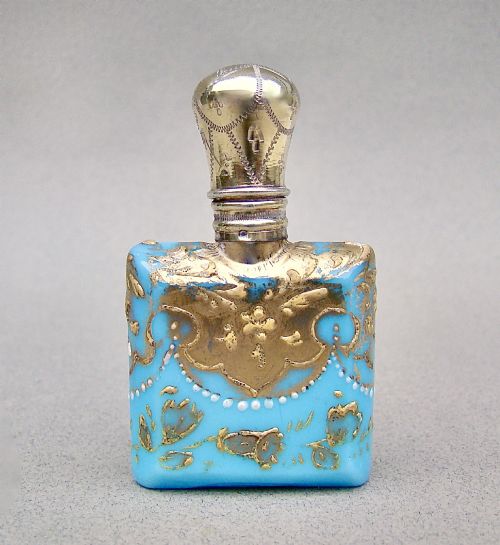
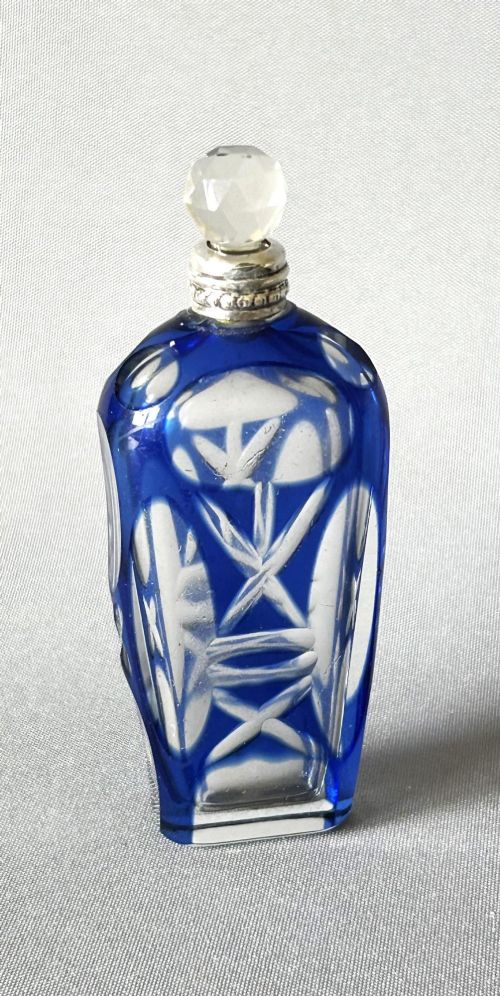
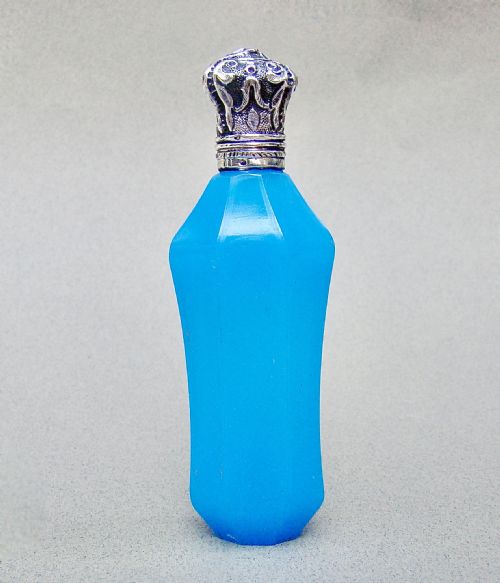
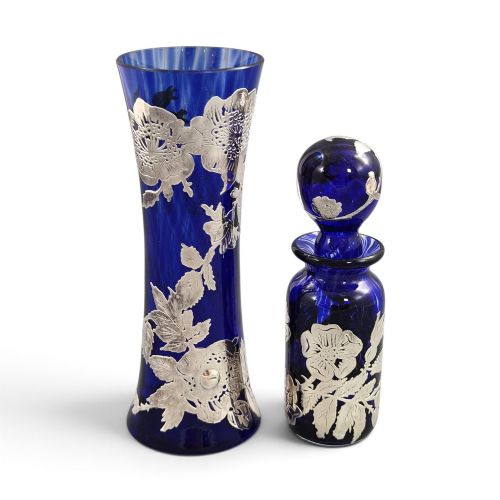
A blue glass scent bottle offers a tactile piece of dressing table history, crafted from coloured glass and precious metal mounts.
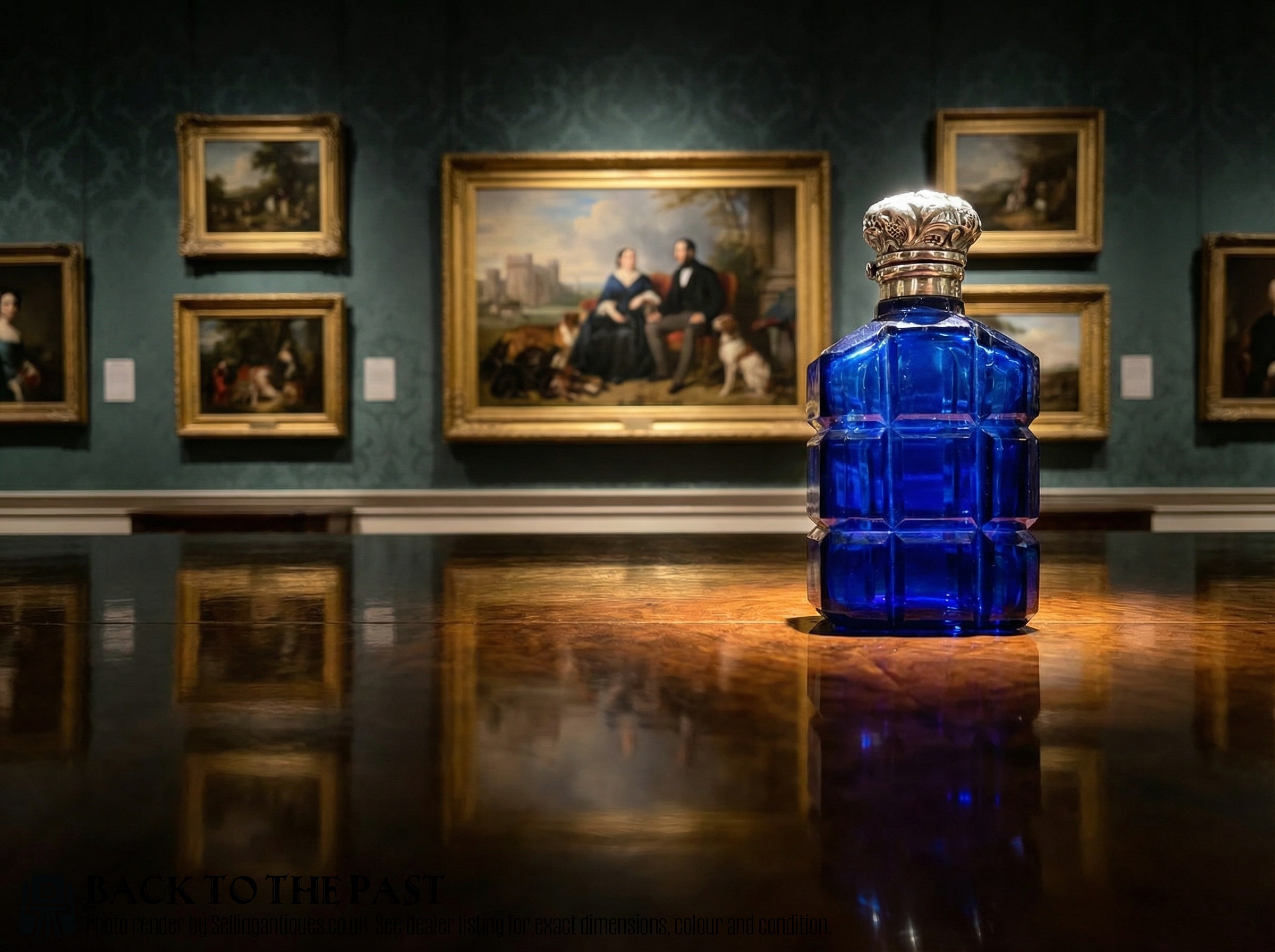
Blue Glass Scent Bottle
A blue glass scent bottle represents a functional luxury item used for carrying personal fragrance during the nineteenth and twentieth centuries. Collectors encounter numerous Victorian and Edwardian examples alongside Art Deco productions from makers such as Sabino and René Lalique.
The objects take various forms including bullet-shaped vessels, chatelaine flasks, and powder boxes matched with perfume containers. Materials span from deep cobalt and opalescent glass to cased overlay glass combined with sterling silver or enamel.
Originating largely from British, French, and Bohemian workshops, these pieces survive as dressing table accessories and pocket-sized scent containers. The selection ranges from pressed glass items to intricately cut and enamelled vessels.
How They Were Made
Glassmakers utilised techniques such as mould-blowing, cased overlay layering, and slicing cuts to achieve depth of colour and texture in the blue body. Molten glass received mineral oxides to create cobalt, teal, turquoise, and opalescent hues.
Silversmiths and metalworkers added functional security through sterling silver lids, hinged caps, and ornate overlay mounts. Enamel work and gilding frequently decorated the glass surfaces or the metal collars holding the stoppers.
Blue Glass Scent Bottle Retail Price Guide 2026
Typical asking prices for blue glass scent bottle among the pieces listed under this phrase on Sellingantiques today, from the lower quarter to the upper quarter. They describe what is for sale here now, not the wider market.
Listings feature Victorian, Edwardian, and Art Deco periods alongside antique Roman glass vessels.
What Varies in Quality
The precision of the glass cutting and the thickness of the overlay layers dictate the visual definition of patterned vessels. Sharp facets and clean wheel-cut windows reveal superior craftsmanship in Victorian overlay examples.
The weight and integrity of the silver mounts, along with legible hallmarks on the metal collars, distinguish standard production items from finer workshop pieces. Intricate guilloche enamel work and well-fitted stoppers further elevate the standard of a vessel.
Rene Lalique·Laugharne Glass Wales·Franchini And Bigaglia Murano·Sabino·Charles May·Griffith And Co·Sampson Mordan
The Blue Glass Scent Bottle Glossary
- Overlay glass
- A technique where a layer of coloured glass is fused over a clear or contrasting body and partially cut away to create a pattern.
- Chatelaine
- A decorative belt hook worn with suspended utility items including small scent bottles and keys.
- Guilloche
- A decorative engine-turned engraving technique applied beneath translucent enamel.
- Opalescent glass
- Glass containing ingredients that diffuse light to create a milky, translucent appearance with pearlescent blue or white tones.
- Unguentarium
- A small ancient glass vessel designed to hold oils, perfumes, or unguents.
Blue Glass Scent Bottle: Frequently Asked Questions
How do I identify a Victorian scent bottle?
Victorian examples frequently combine deep cobalt or overlay glass with hallmarked sterling silver hinged lids. They often feature hand-cut facets or enamel decoration characteristic of nineteenth-century dressing table wares.
Checking for maker's marks on the metal mounts helps establish the specific decade and city of manufacture.
What is chatelaine scent bottle?
A chatelaine scent bottle includes a small loop or chain attachment designed to hang securely from a belt hook. Ladies wore these portable vessels during the Victorian era to carry perfume.
These pieces allowed the wearer to keep fragrance accessible while walking or attending social events.
How are Art Deco perfume bottles different?
Art Deco pieces from makers like Sabino and René Lalique showcase moulded opalescent glass and stylised geometric or botanical motifs. They reflect a shift toward mass artistic production in the early twentieth century.
These bottles rely on the sculptural quality of the glass itself rather than heavy silver chatelaine mounts.
Are stoppers usually original?
Many surviving bottles retain their matched glass or metal-dauber stoppers, though replacements occur frequently due to accidental loss. Examining the fit and interior neck wear helps determine if the stopper belongs to the vessel.
Original stoppers often share the same tint and glass quality as the body of the bottle.