

Blue Glass Glassware
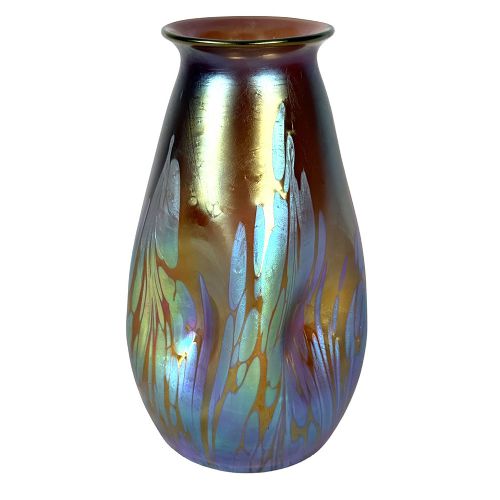
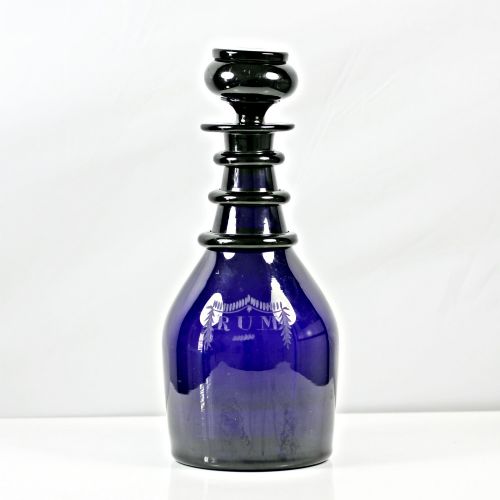
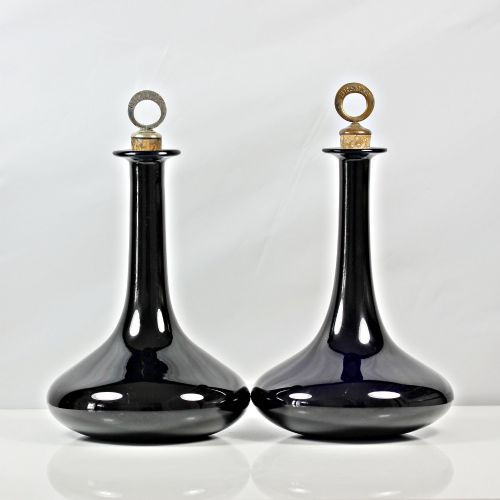
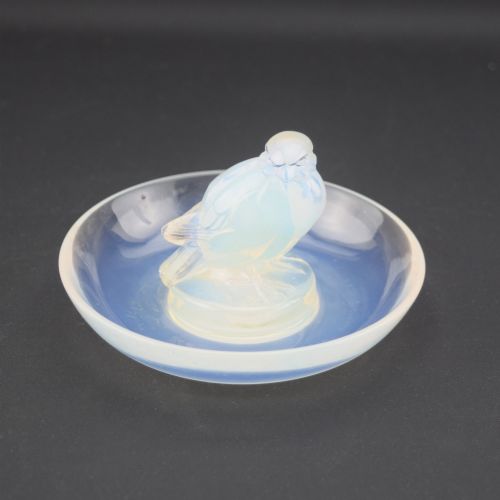
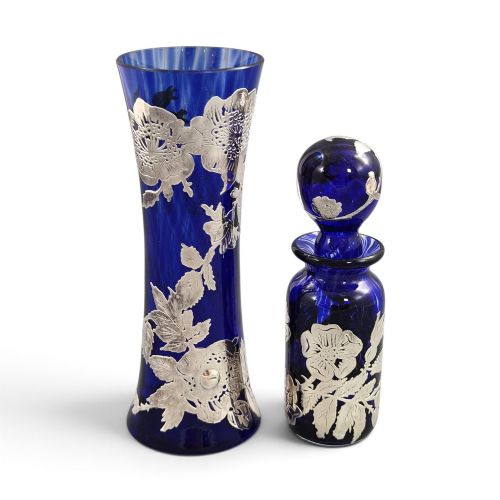
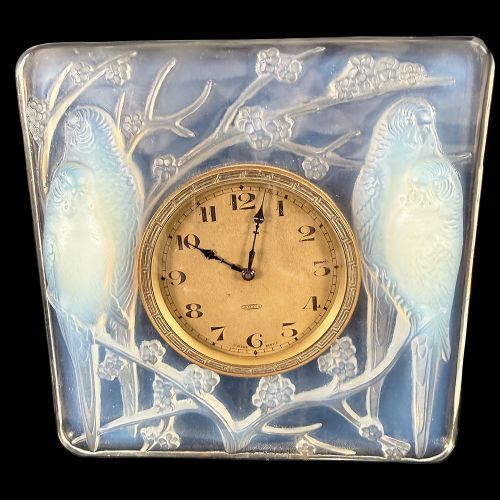
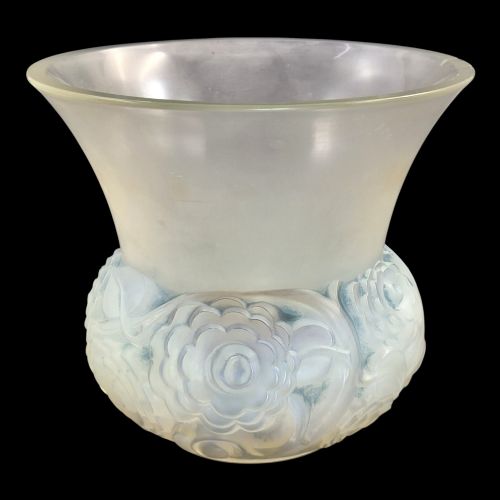
Blue glass glassware brings depth and brilliance to a room, ranging from deep cobalt decanters to delicate opalescent vases.
Blue Glass Glassware
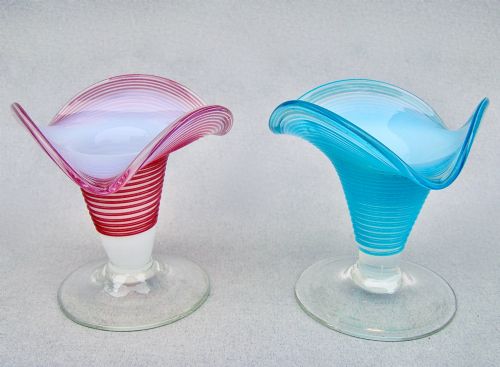
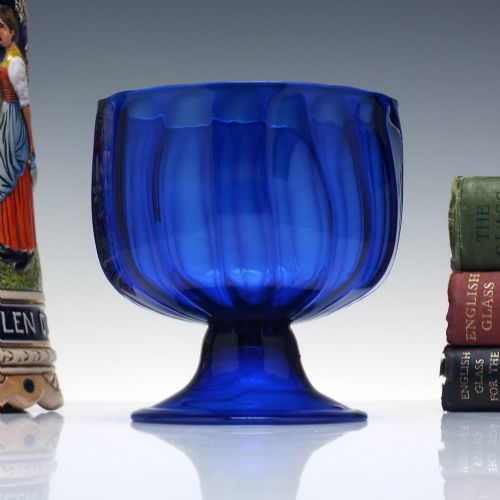
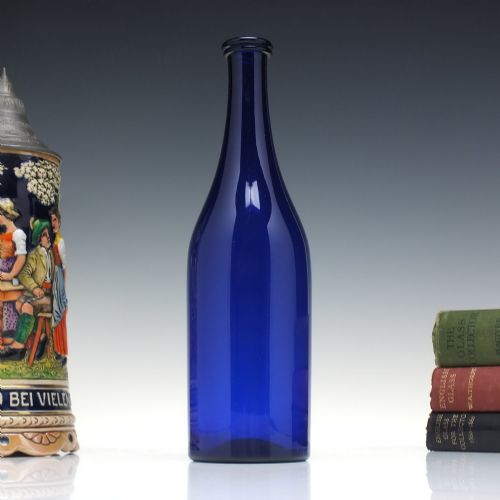
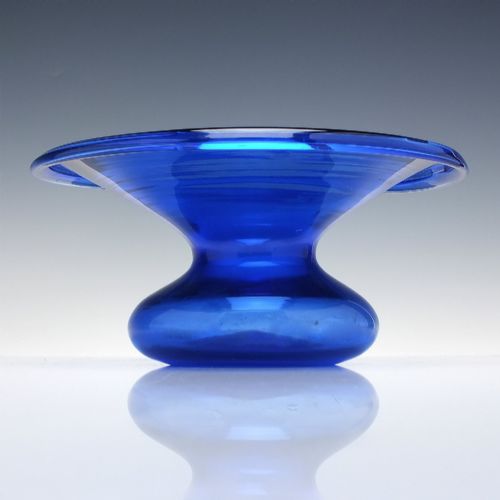
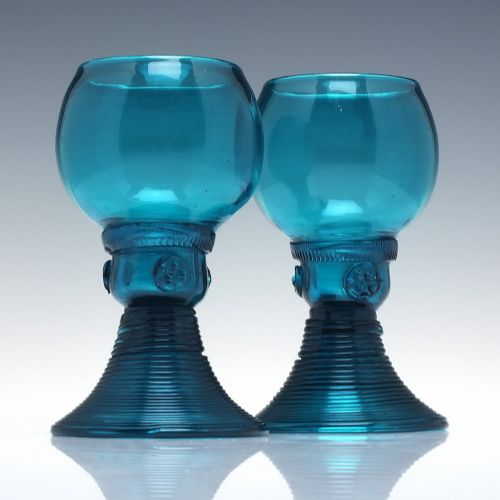
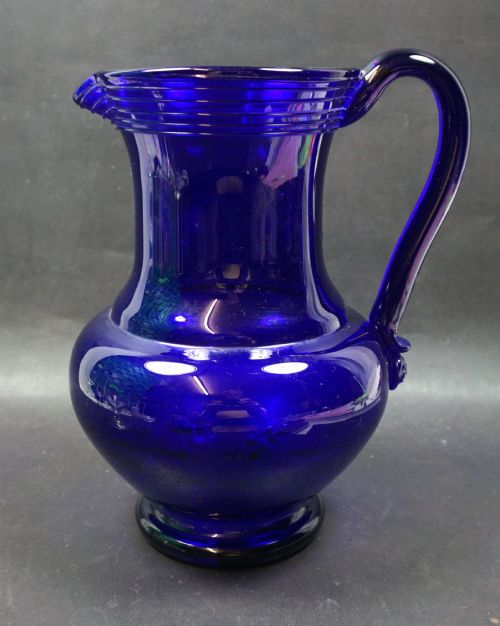
When you search for blue glass glassware, you encounter a diverse range of functional and decorative items spanning multiple centuries. The selection includes drinking vessels, decanters, apothecary jars, and sculptural vases created in various shades from turquoise and peacock to deep cobalt and sapphire.
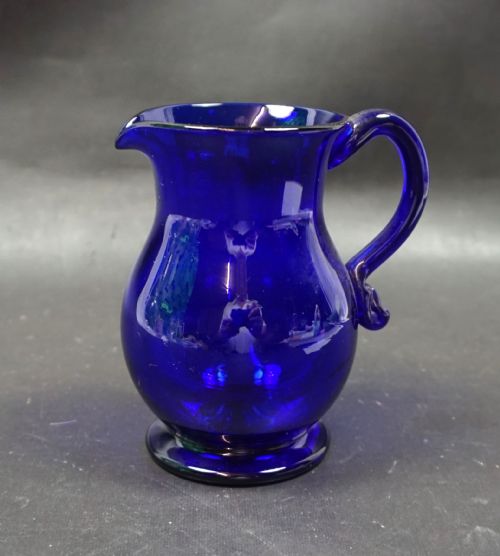
The pieces on this page originate from diverse workshops and countries, including English Bristol glass, Bohemian output, French Art Deco creations, and Italian production. Forms stretch from Georgian wine glasses and cream jugs to twentieth-century opalescent coupes and intaglio engraved goblets.
Earlier examples often show the deep hues characteristic of traditional lead glass and cobalt mixes, while later pieces embrace the lighter tones of turquoise and the milkier depths of opalescent treatments. Each era brings distinct manufacturing traits and stylistic preferences to the material.
Materials and methods
Makers achieved the distinctive coloration of blue glass glassware through metallic oxides added to the molten batch, most notably cobalt for deep blues and copper for turquoise tones. Lead glass formulations provided the heavy, refractive weight seen in many Georgian decanters and wine glasses.
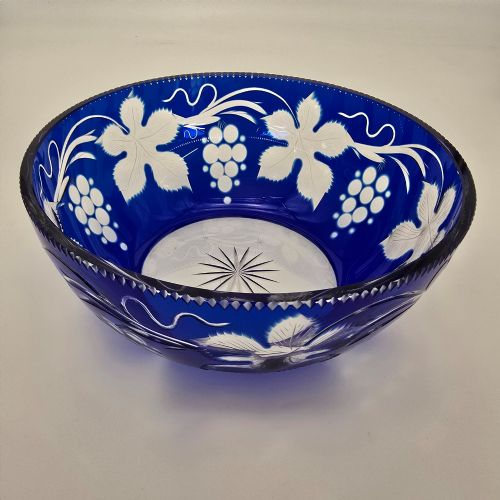
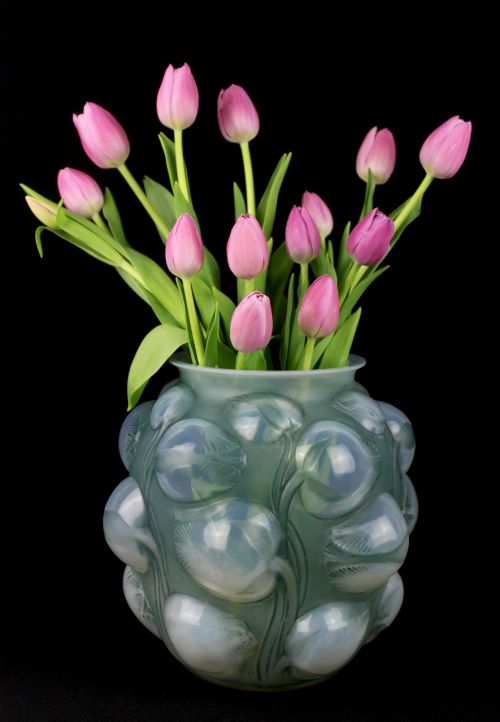
Surface ornamentation involved several techniques, including enamel painting, gold leaf application, intaglio engraving, and sterling silver overlays. Mould-blowing and pressing allowed workshops to produce complex three-dimensional reliefs, particularly evident in twentieth-century opalescent and frosted pieces.
Blue Glass Glassware Retail Price Guide 2026
Typical asking prices for blue glass glassware among the pieces listed under this phrase on Sellingantiques today, from the lower quarter to the upper quarter. They describe what is for sale here now, not the wider market.
Listings span from the eighteenth century through the twentieth century, incorporating lead glass, opalescent glass, and enamel.
Assessing quality
Quality in blue glass glassware rests on the clarity of the metal, the precision of the cut or mould, and the crispness of any applied decoration such as enamelling or gilding. Superior pieces display even colour saturation without heavy swirling or unintended bubbles in the material.
The refinement of the finishing work distinguishes ordinary production from finer examples, especially around polished pontil marks, smooth rims, and sharply delineated moulded motifs. Design attribution to recognised makers and specific decorative decors further separates standard items from exceptional ones.
Loetz·Rene Lalique·Baccarat·Fritz Heckert·Moser·Salviati
The Blue Glass Glassware Glossary
- Bristol blue
- A deep, vibrant cobalt blue glass historically associated with Bristol glasshouses during the eighteenth and nineteenth centuries. It was frequently used for decanters, finger bowls, and cruet bottles.
- Opalescent glass
- A type of glass that appears milky or translucent with a pearlescent quality, often showing bluish or fire-like highlights when lit from certain angles. It gained widespread popularity through twentieth-century French design.
- Pontil mark
- The rough scar left on the base of a vessel where the punty rod was attached during blowing. Its presence and subsequent smoothing indicate traditional hand-blown manufacturing methods.
- Wrythen
- A decorative optical twist or spiral pattern formed in the glass while molten. It creates a subtle ribbed effect that winds around the body of the vessel.
- Intaglio
- A technique where a design is incised or engraved into the surface of the glass rather than carved in relief. This produces a sunken motif with frosted or polished depths.
Blue Glass Glassware: Frequently Asked Questions
What is Bristol blue glass?
Bristol blue refers to a deep cobalt shade traditionally produced by English glasshouses during the Georgian and Victorian periods.
It was commonly utilised for wine glasses, decanters, and medicine bottles.
How can I tell old glass from modern reproductions?
Examine the base for a polished pontil mark, wear scratches appropriate to the stated age, and irregularities typical of hand-blowing.
Weight and colour depth also provide strong indicators of traditional manufacture.
Are opalescent pieces fragile?
Opalescent glass requires the same careful handling as any fine antique glassware, avoiding sudden temperature changes and impacts.
Display them away from direct, intense sunlight to protect surface finishes.