



Blue Gemstone Brooch Pin
A blue gemstone brooch pin brings together centuries of goldsmithing and fine stones, offering a wearable piece of history.
Blue Gemstone Brooch Pin
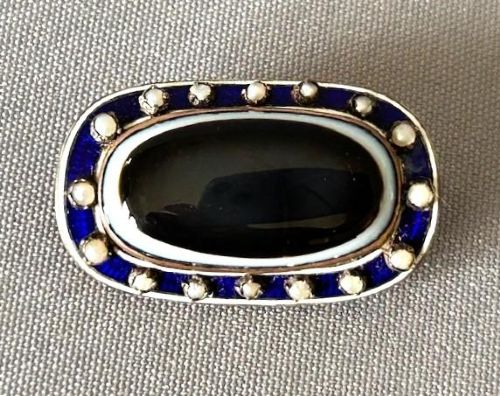
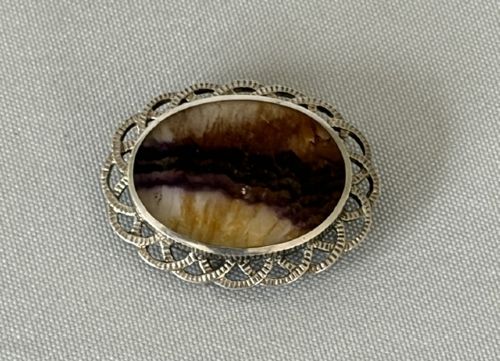
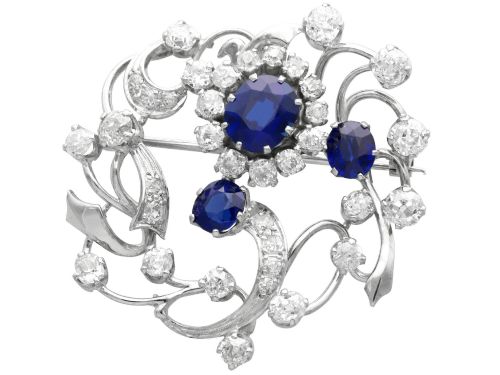
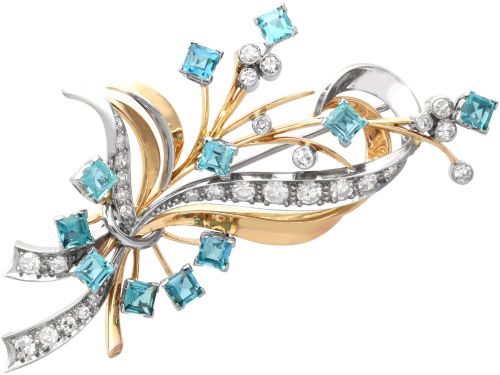
When you search for a blue gemstone brooch pin, you are looking at ornamental fastenings set with sapphires, aquamarines, chalcedony, zircon, or enamel. These pieces span from the Victorian and Edwardian eras through the Art Deco period and into the mid-twentieth century.
You are most likely to meet gold and silver creations featuring foliate motifs, sprays, and geometric settings. The designs range from nine-carat yellow gold to platinum and eighteen-carat white gold.
The origins represented here include Austro-Hungarian work alongside British and continental pieces from the nineteenth and twentieth centuries. Each item serves as a functional fastener and a decorative jewel.
How they were made
The makers of these jewels utilised precious metals including silver, platinum, and various purities of gold such as nine, fifteen, and eighteen carat. These metals were shaped into wire, cast into solid frames, or combined with silver gilt and palladium.
Stones like diamonds, pearls, and high zircons were set alongside central blue gems using traditional claw, bezel, and flush techniques. Enamel work was also applied to metal surfaces to add colour and texture to the designs.
Blue Gemstone Brooch Pin Retail Price Guide 2026
Typical asking prices for blue gemstone brooch pin among the pieces listed under this phrase on Sellingantiques today, from the lower quarter to the upper quarter. They describe what is for sale here now, not the wider market.
Listings feature items from the Victorian era, Edwardian period, Art Deco movement, and the mid-twentieth century.
What varies in quality
The distinction between a standard piece and an exceptional one lies in the weight and clarity of the stones, such as substantial sapphires and aquamarines paired with well-matched diamonds. The complexity of the metalwork, whether hand-carved foliate motifs or intricate Art Deco geometry, also determines the caliber of the item.
The integrity of the construction and the preservation of original settings matter significantly. Pieces that retain their unheated sapphires or delicate enamel work without restoration stand apart from altered examples.
The Blue Gemstone Brooch Pin Glossary
- Silver gilt
- Silver that has been coated with a thin layer of gold. This technique provides the appearance of solid gold while utilising a silver base.
- Spray brooch
- A piece designed in the naturalistic shape of floral sprays or leaf clusters. These often incorporate multiple gemstones arranged to mimic botanical forms.
- Bar brooch
- A narrow, elongated pin format popular across multiple decades. They frequently feature a single central stone or a balanced arrangement of gems along a linear bar.
- Chalcedony
- A cryptocrystalline variety of silica used in antique jewellery for its smooth, translucent appearance. It offers a softer blue tone compared to faceted sapphires.
- Renaissance Revival
- A nineteenth-century stylistic movement drawing inspiration from sixteenth-century ornamentation. It frequently employs enamel, pearls, and coloured stones in elaborate frames.
Blue Gemstone Brooch Pin: Frequently Asked Questions
How do I wear a brooch safely?
Fasten the pin through a sturdy layer of fabric, such as a lapel or heavy wool scarf, to support the weight of the gold and stones. Using a pin protector on the back point adds extra security during wear.
Ensure the safety catch is fully engaged before stepping out. For delicate fabrics, consider attaching the brooch to a structural undergarment or a leather backing.
Are these brooches solid gold?
The metals vary across the pieces, ranging from nine-carat and fifteen-carat yellow gold to eighteen-carat white gold, silver, and platinum. Each piece is constructed according to the standards of its specific period.
Checking the metal descriptions helps determine the exact composition of the frame and pin. Some items also incorporate silver gilt or palladium alongside traditional gold alloys.
How do I clean an antique brooch?
Use a soft brush with warm water and mild soap to gently remove dust from around the gemstone settings. Avoid harsh chemical cleaners that might damage softer stones like pearls or chalcedony.
Dry the piece thoroughly with a lint-free cloth before storing it. Professional inspection is recommended periodically to ensure the prongs holding the sapphires and diamonds remain secure.
What period do these pins come from?
The pieces span from the mid-nineteenth century through the Victorian and Edwardian eras, extending into the Art Deco and mid-century periods. Each era brings distinct motifs, from organic foliate designs to geometric platinum settings.
Stylistic cues and metal types help identify the chronological origin of each item. This timeline shows how jewellery design shifted from sentimental nineteenth-century forms to modern modernist lines.