

Blue Framed Art
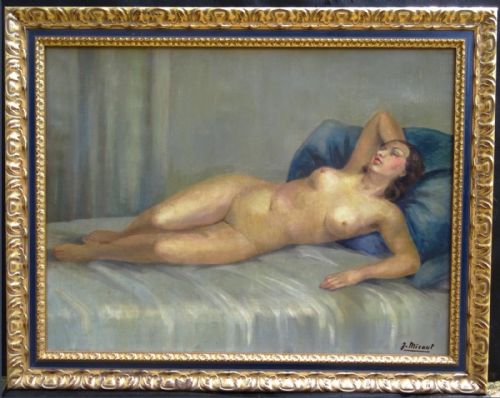
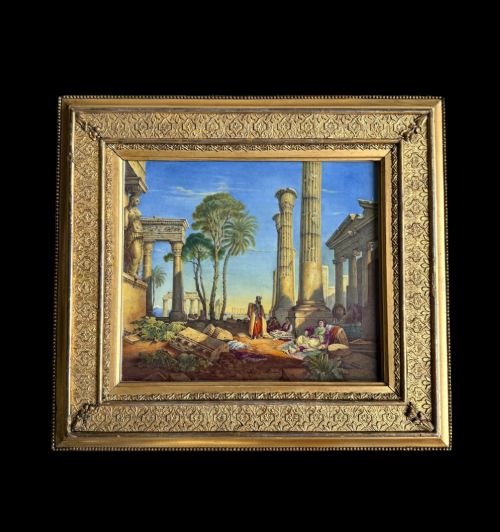
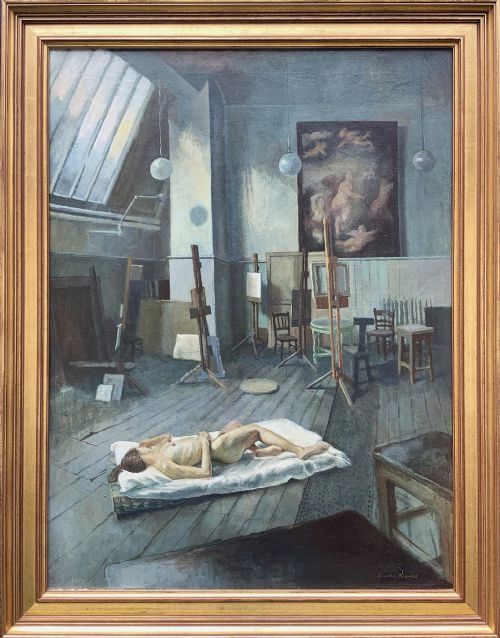
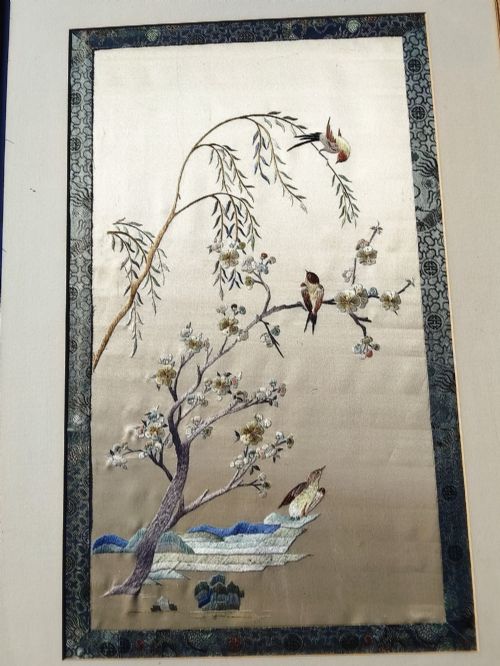
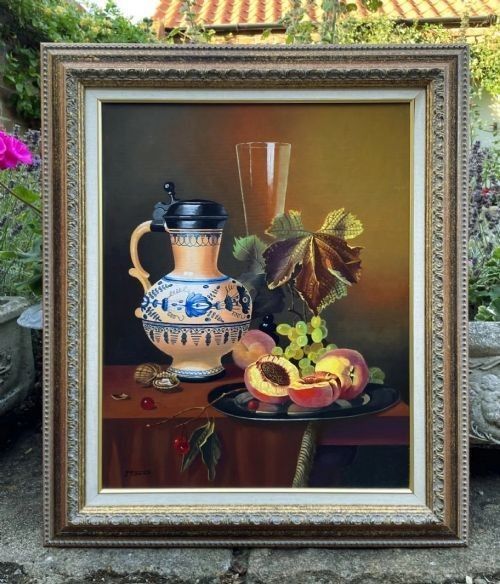
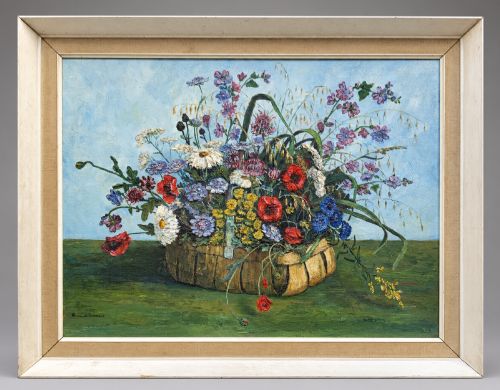
Blue framed art encompasses centuries of painted portraits, watercolours, and silk pictures enclosed within period surrounds.
Blue Framed Art
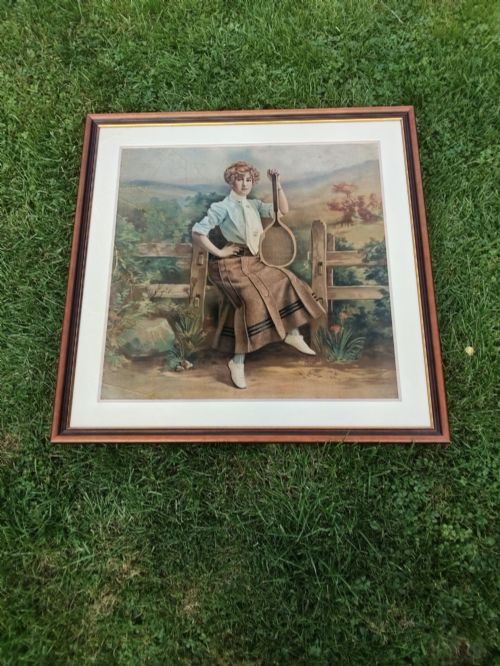
When searching for blue framed art, collectors encounter a diverse selection of oil paintings, watercolours, and portrait miniatures originating from the seventeenth century through to the mid-twentieth century. The selection spans distinct stylistic periods including Georgian, Victorian, Edwardian, and Mid-Century Modern.
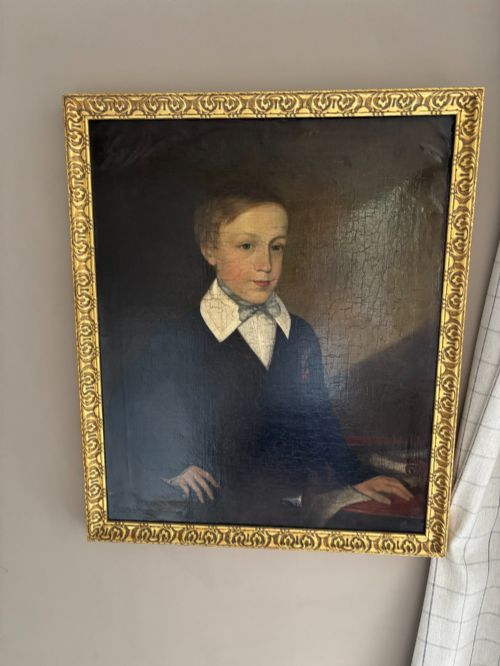
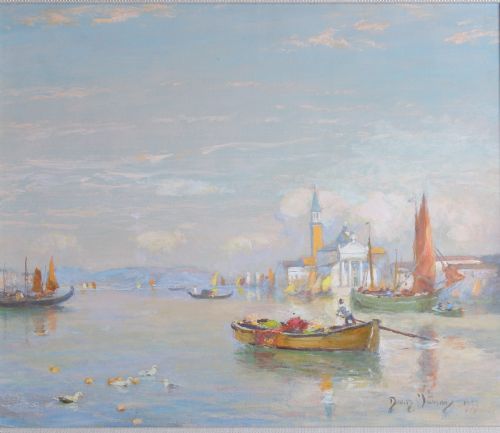
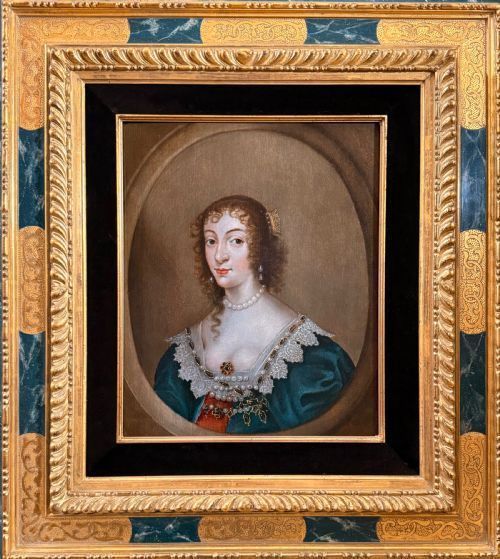
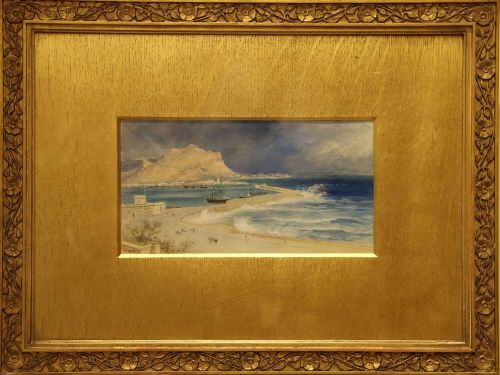
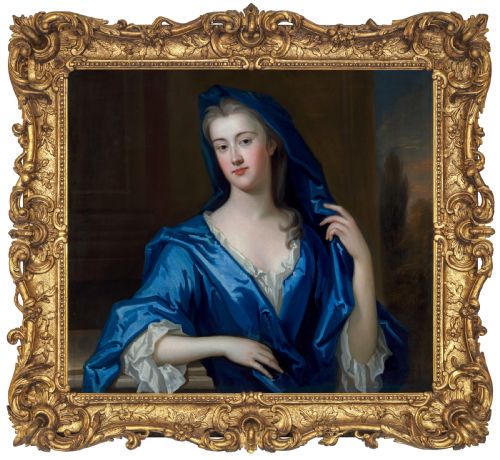
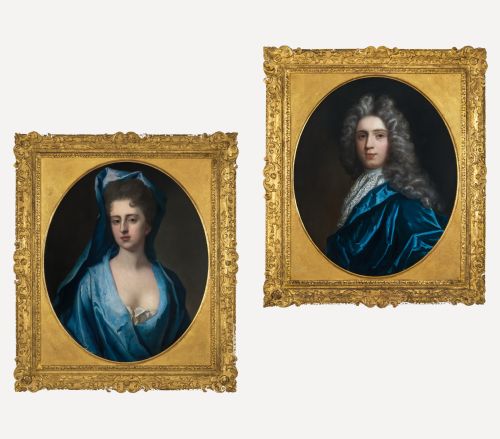
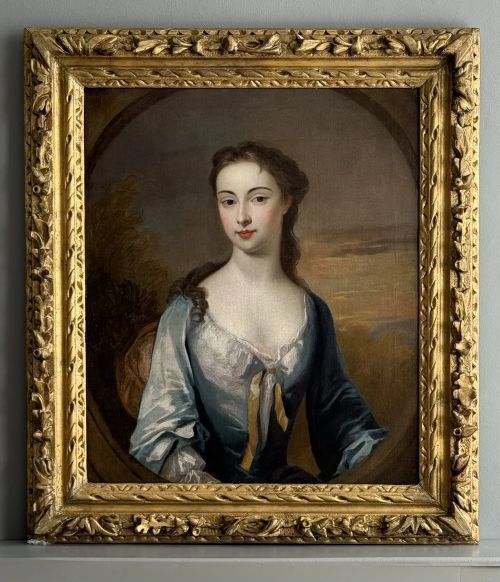
The visual focus frequently centres on subjects adorned in blue garments, cloaks, and ribbons, or maritime scenes featuring blue seas and skies. Portraiture dominates the offerings, alongside botanical studies and coastal landscapes executed on canvas, paper, wood, and silk.
Buyers are most likely to meet pieces from the nineteenth and twentieth centuries alongside earlier seventeenth and eighteenth-century works. These objects bring historical depth and distinct colour palettes to interior spaces through traditional painting mediums and period surrounds.
Materials and Construction
Artworks within this category rely on traditional supports such as canvas, wood panels, heavy paper, and woven silk. Artists applied oil paints, watercolours, and gouache to achieve detailed portraits and expansive landscapes.
Protective surrounds utilise carved and gilded wood, known as giltwood, alongside standard wooden framing methods often featuring glass panes to safeguard delicate watercolours and paper drawings from environmental damage.
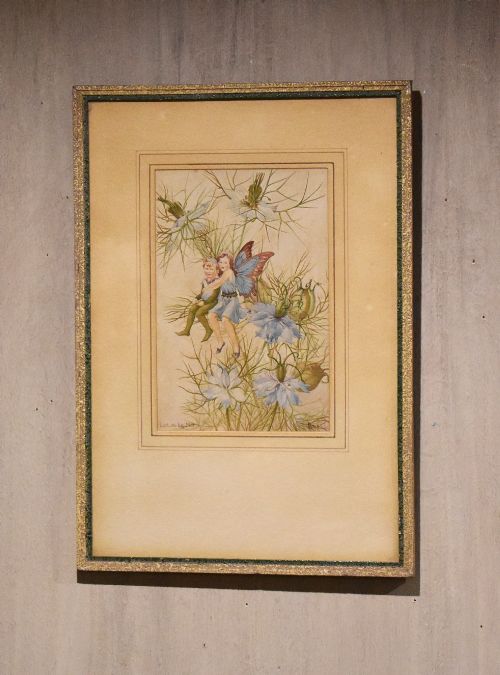
Spot the flower fairy watercolour amongst the solemn seventeenth-century gentlemen in heavy periwigs.
Evaluating Quality and Execution
The integrity of the framing materials significantly influences overall excellence. Original period giltwood and bespoke wooden enclosures that complement the age and style of the internal artwork command greater regard than later replacement surrounds.
Charles Jervas·Joseph Vivienne·Michael Dahl·Thomas Murray·Constantyn Netscher·Henry Pickering·Francois Boucher·David Law·Thomas Miles Richardson Jnr·Sir David Murray·Marjorie L Davies·Donald McIntyre·Samuel Harry Hancock·William Woolard
The Blue Framed Art Glossary
- Giltwood
- Wood that has been coated with a thin layer of gold leaf or gold paint. This technique provides a luminous decorative finish commonly found on antique picture frames.
- Portrait Miniature
- A small, highly detailed painting, often executed on ivory, vellum, or card. These intimate works gained popularity during the sixteenth century and continued through the Georgian era.
- Oil on Canvas
- Pigment mixed with drying oil applied to a stretched woven fabric surface. This combination allows for rich colour depth and subtle blending.
- Watercolour
- A painting method in which natural pigments are suspended in a water-based solution. Artists apply these translucent washes onto paper or fabric to create luminous compositions.
- Baroque
- An artistic style prevalent from the early seventeenth century to the mid-eighteenth century. It is characterised by dramatic movement, deep shadow, and grand scale.
Blue Framed Art: Frequently Asked Questions
What periods do these pieces span?
The inventory encompasses works created from the seventeenth century through the Georgian, Victorian, and Edwardian eras up to the mid-twentieth century.
This broad chronological range allows buyers to select pieces that match specific historical interior aesthetics.
How should these artworks be displayed?
These paintings and watercolours suit traditional wall placement in reception rooms, libraries, and hallways where lighting can be controlled.
Direct sunlight should be avoided to protect sensitive watercolours, paper drawings, and silk textiles from fading.
What subjects are most common?
Portraits dominate the selection, frequently depicting subjects wearing blue garments, cloaks, or ribbons alongside scholarly figures and military officers.
Maritime scenes, botanical watercolours, and still life compositions featuring fruit and flowers also appear regularly.
How are periods identified?
Dating relies upon artistic style, costume details, the formulation of pigments, and the construction methods of the accompanying frames.
Signatures, artist attributions, and exhibition labels provide further historical context for individual works.