


Blue Floral Persian Carpet
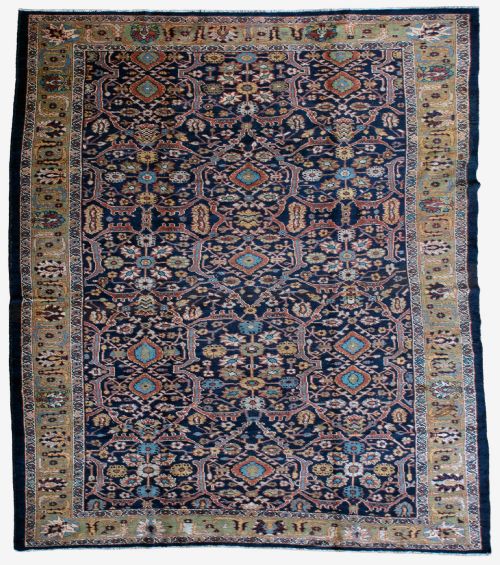
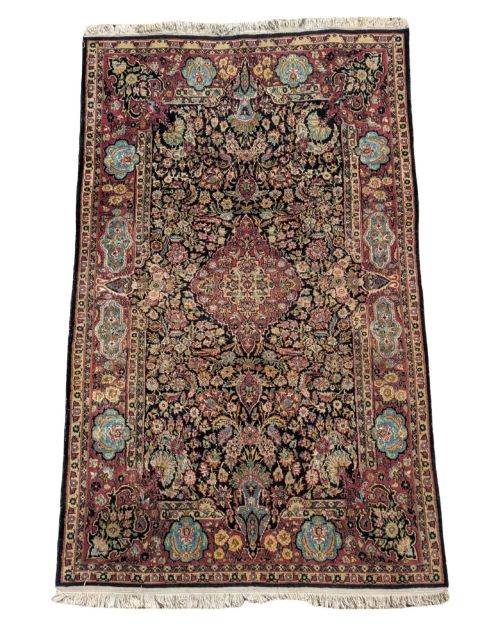
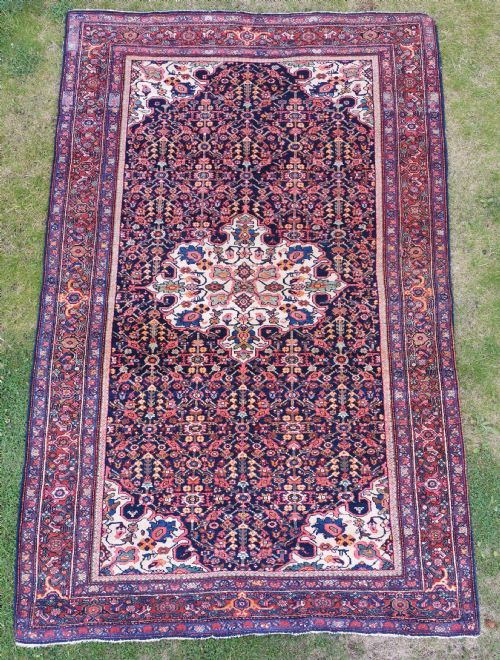
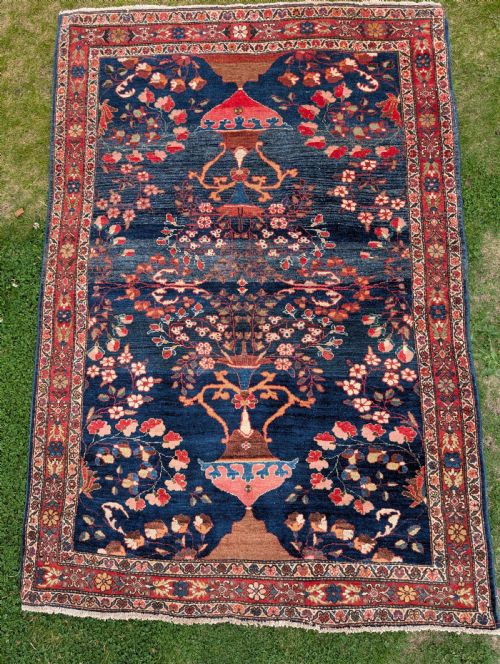
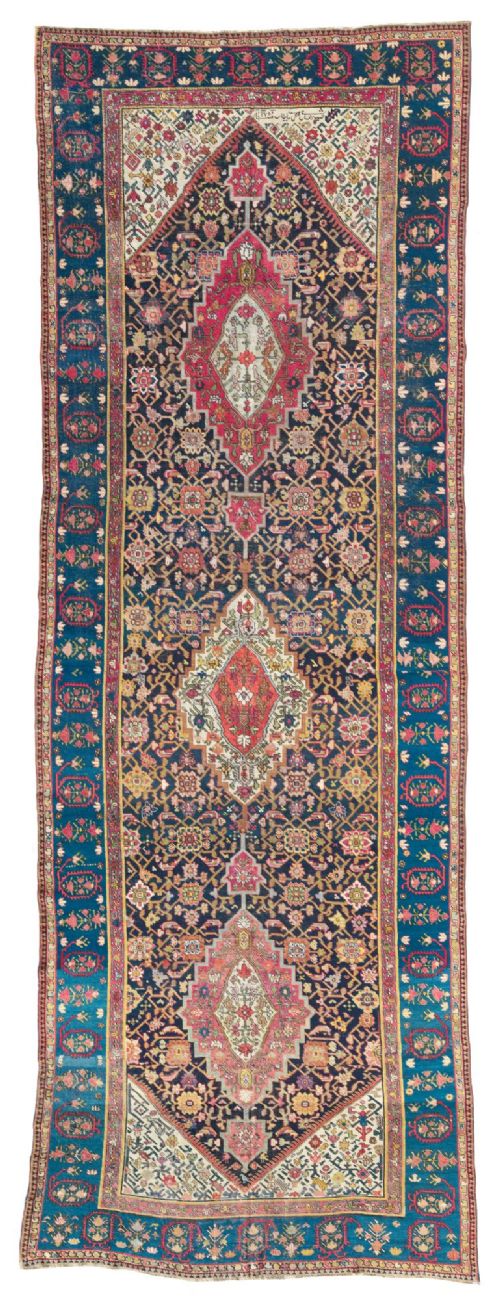
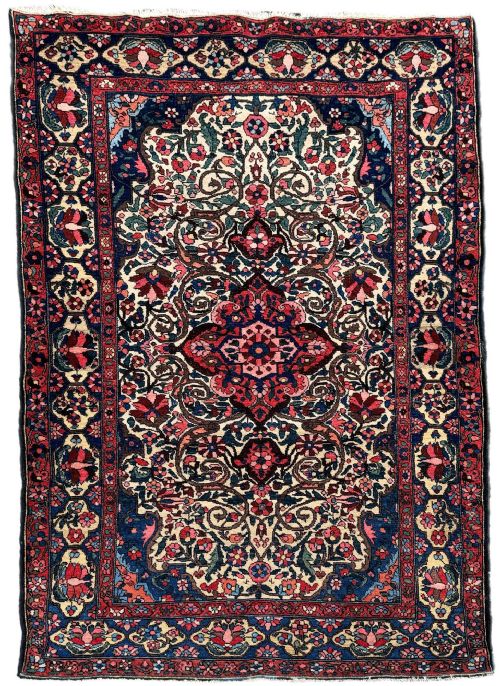
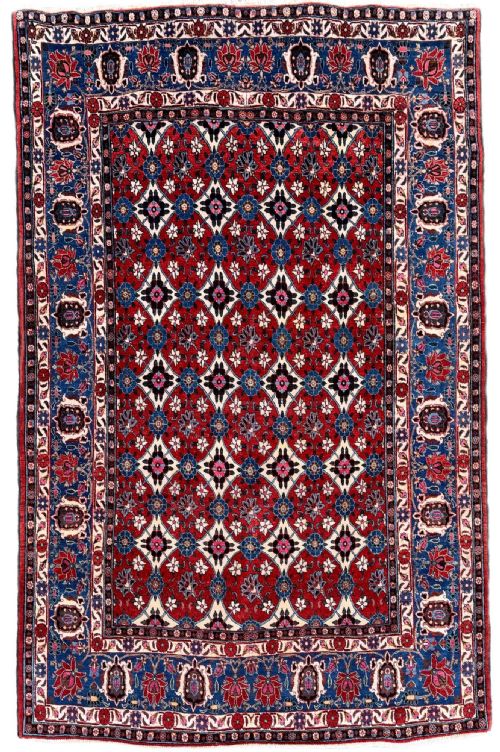
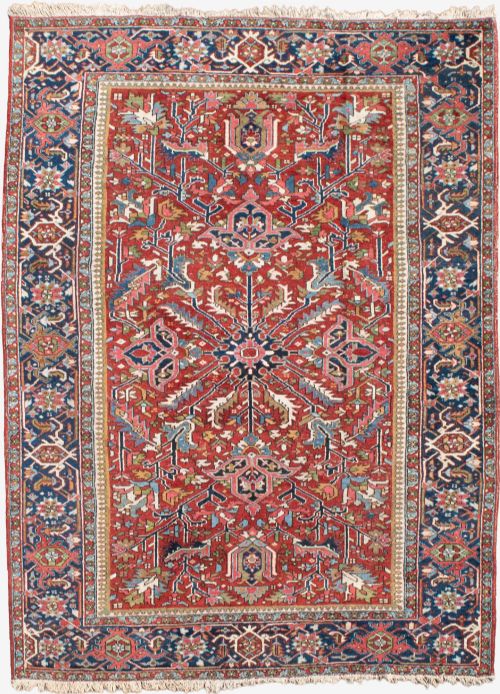
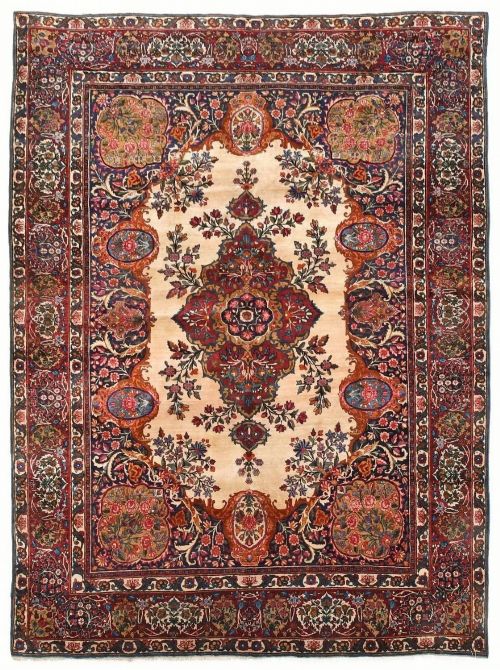
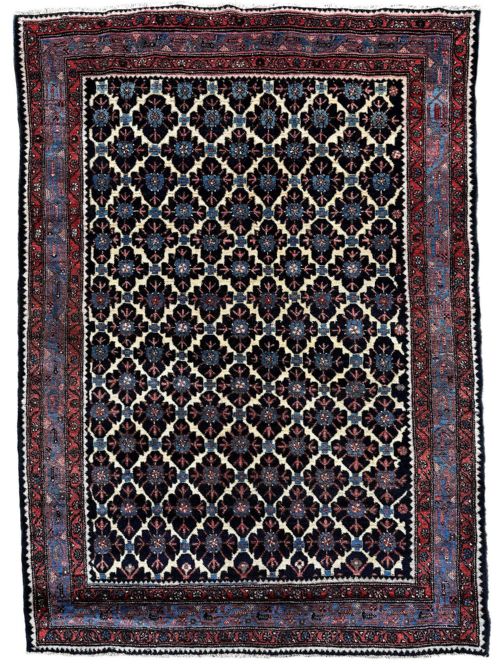
A blue floral persian carpet brings centuries of textile tradition into a room, offering deep indigo fields and intricate botanical motifs.
Blue Floral Persian Carpet
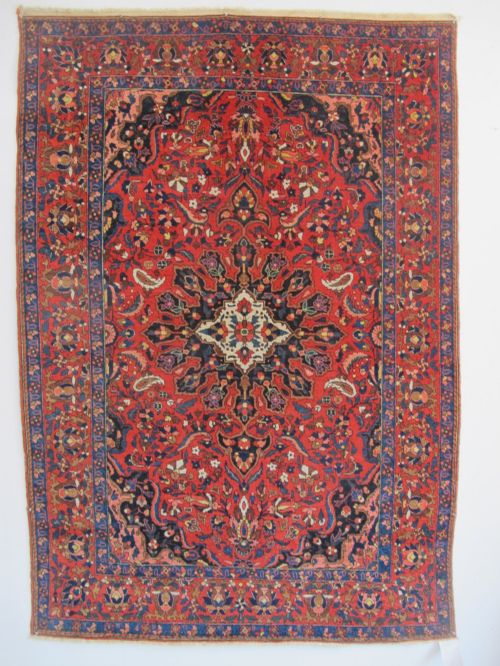
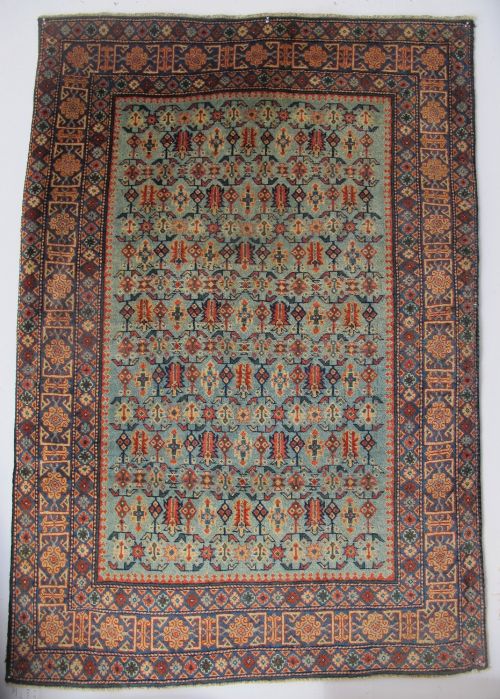
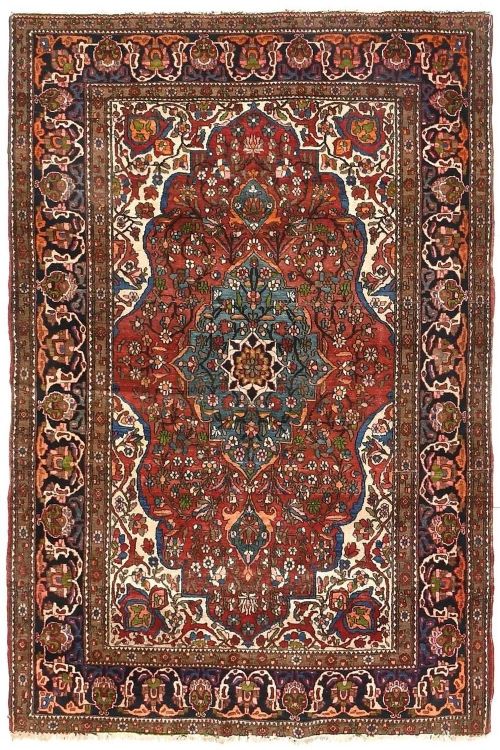
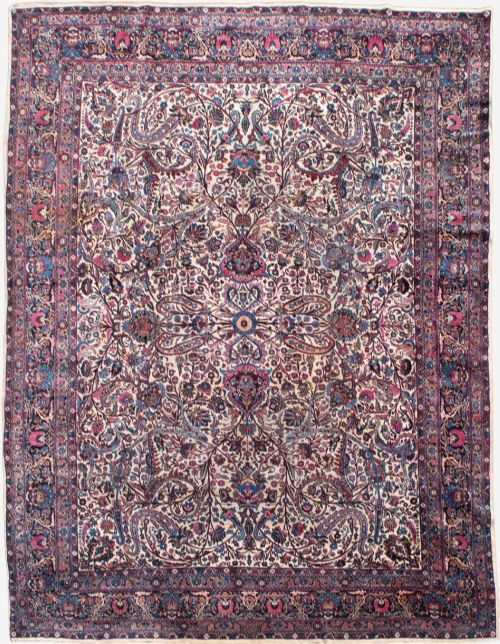
When searching for a blue floral persian carpet, a buyer encounters hand-knotted room-size carpets, runners, and area rugs originating from centres such as Tabriz, Heriz, Kashan, Kirman, and Bakhtiar. These woven works span dates from the mid-nineteenth century through the early decades of the twentieth century, reflecting traditional regional designs.
The version most commonly met on this page is the room-size carpet or smaller rug produced in regions like Heriz, Bakhtiar, or Kashan around nineteen-twenty. Such pieces utilise wool pile on cotton foundations, displaying floral sprays, medallions, and vines across deep blue grounds.
How They Were Made
Weavers knotted wool onto cotton foundations by hand, occasionally incorporating silk highlights into the pile to emphasise particular details in the floral design. The structure relies on sturdy warps and wefts that support dense knotting.
Dyers employed natural materials to colour the wool, achieving deep shades of blue alongside contrasting tones for the floral motifs. The resulting textiles exhibit the characteristic durability associated with traditional Persian production methods.
Hunting scenes appear in the weave, pairing galloping horsemen with floral fields.
What Varies in Quality
The fineness of the knotting and the precision of the botanical drawing set individual examples apart. Denser foundations allow for crisper rendering of intricate floral patterns and vine scrolls across the field.
The choice of materials also influences the character of the piece, as seen in examples that incorporate silk highlights to catch the light. The depth and saturation of the blue dye establish the visual impact of the composition.
The Blue Floral Persian Carpet Glossary
- Pile
- The upright loops or cut ends of yarn that form the usable surface of the carpet. This layer bears the wear of footsteps and displays the woven design.
- Warp
- The stationary longitudinal threads stretched upon the loom before weaving begins. Wefts are passed across these threads to secure the knots.
- Weft
- The horizontal threads inserted alternately through the warps to hold the knots in place. They contribute to the structural firmness of the rug.
- Kelleh
- A long, narrow format of carpet traditionally suited to the proportions of Persian reception rooms. These elongated pieces serve as runners or gallery carpets.
- Medallion
- A central ornamental motif placed in the middle of the carpet field. This focal point often mirrors corner designs within the composition.
Blue Floral Persian Carpet: Frequently Asked Questions
Where were these carpets made?
These textiles originate from various regions and towns across Persia, including Tabriz, Heriz, Kashan, Kirman, and Bakhtiar. Each area developed distinct weaving traditions and regional palettes.
Production centres often specialised in specific structures or floral layouts, allowing specialists to identify the geographic origin of a particular rug.
How do I care for an old rug?
Gentle vacuuming without a rotating brush helps remove dust from the wool pile without damaging the foundation. Regular rotation ensures even exposure to foot traffic and light.
Professional cleaning by specialists in antique textiles preserves the integrity of the natural dyes and fibres over time.
What materials are used?
The pile is predominantly spun from wool, which provides resilience and warmth underfoot. Some finer examples incorporate silk highlights to accentuate specific floral details.
Foundations typically consist of cotton warps and wefts that give the textile its structural stability and flat lay.
How are different periods identified?
Dates are estimated through stylistic analysis of the floral motifs, border arrangements, and regional weaving structures. Characteristics such as colour palette and dye saturation also provide clues to the era of production.
Pieces seen here range from the mid-nineteenth century through the nineteen-forties, showing shifts in workshop preferences over time.