

Blue Figurative Art
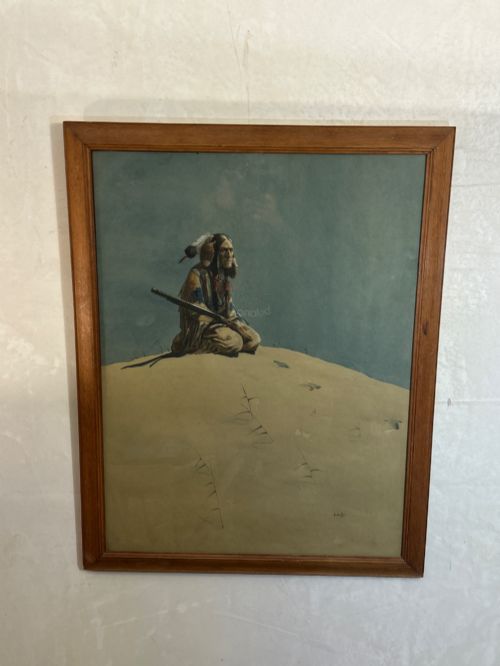
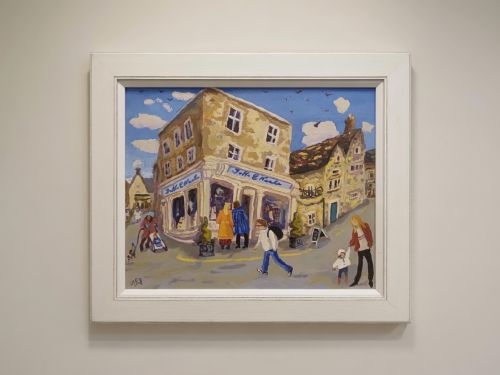
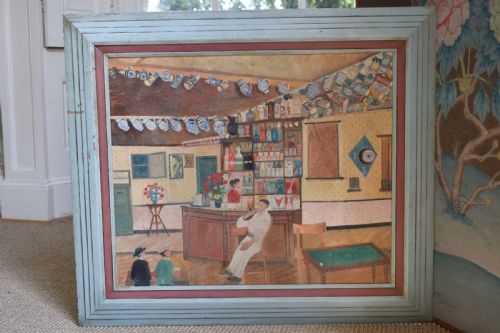
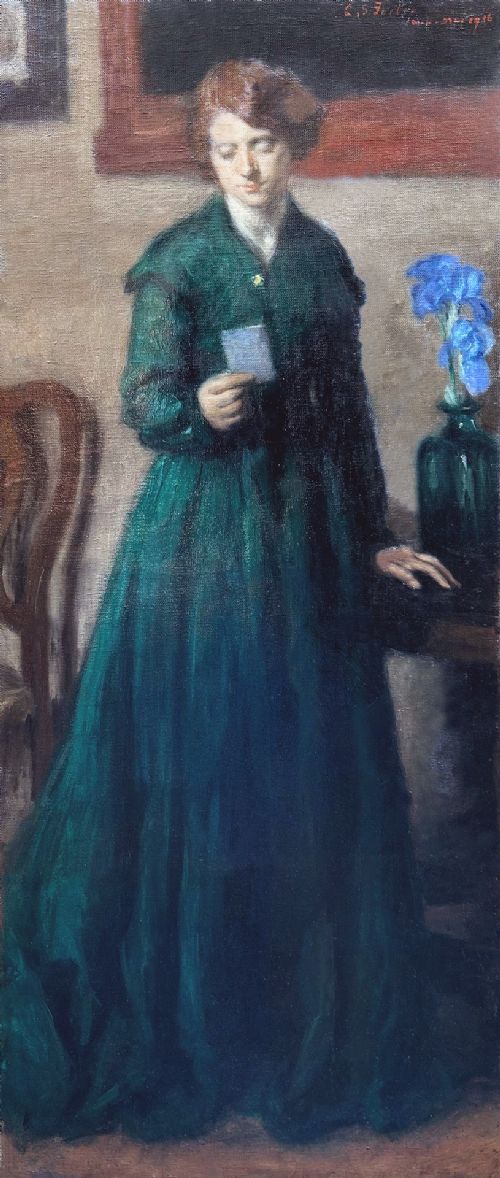
Blue figurative art brings together paintings and works on paper dominated by cool chromatic tones and human subjects.
Blue Figurative Art
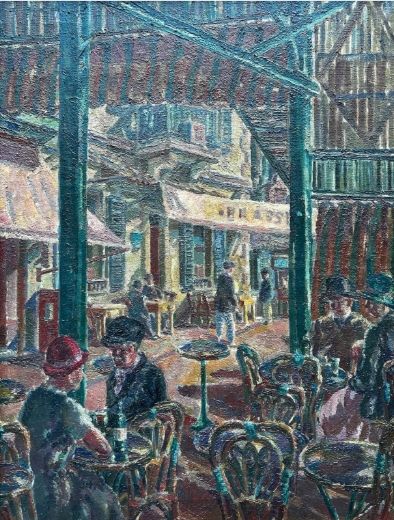
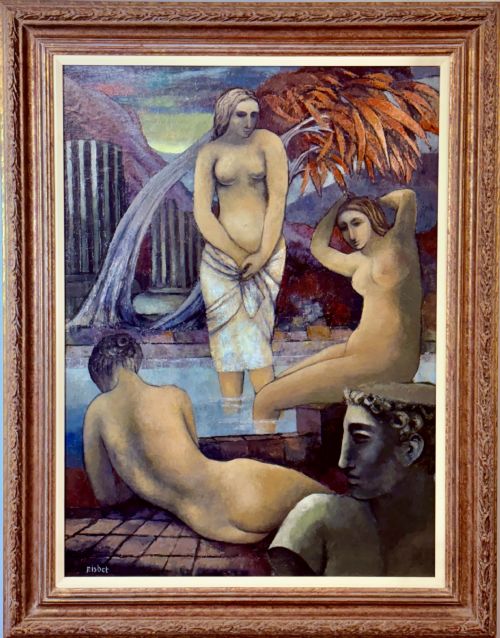
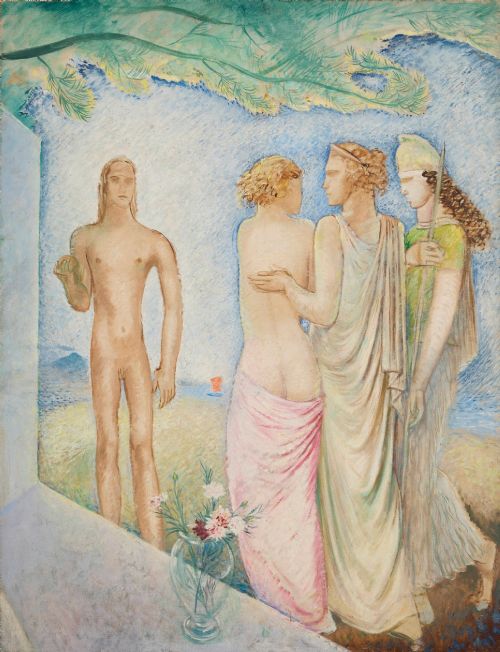
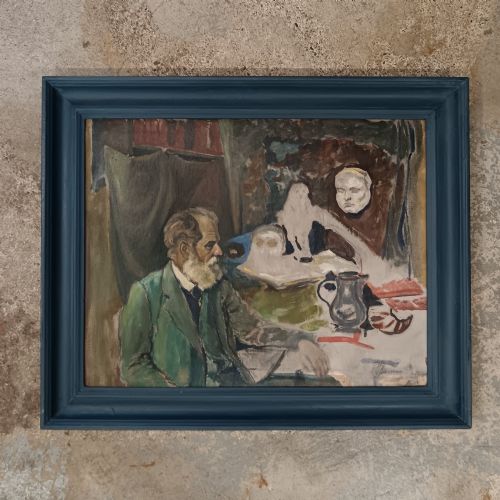
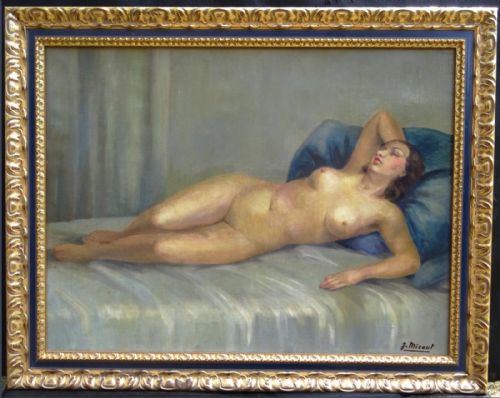
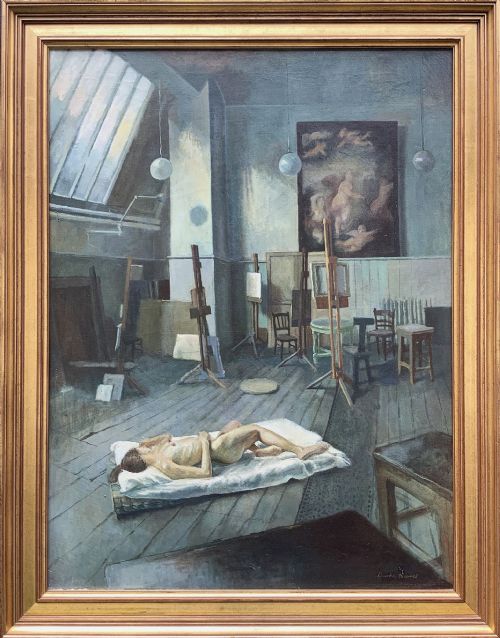
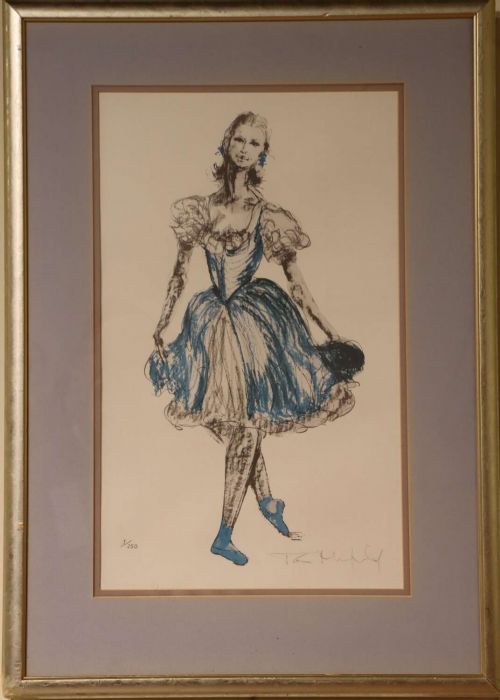
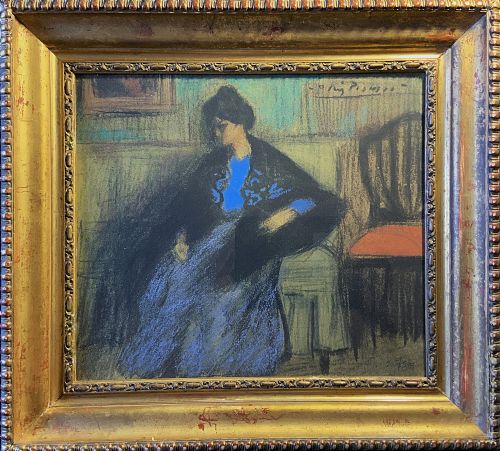
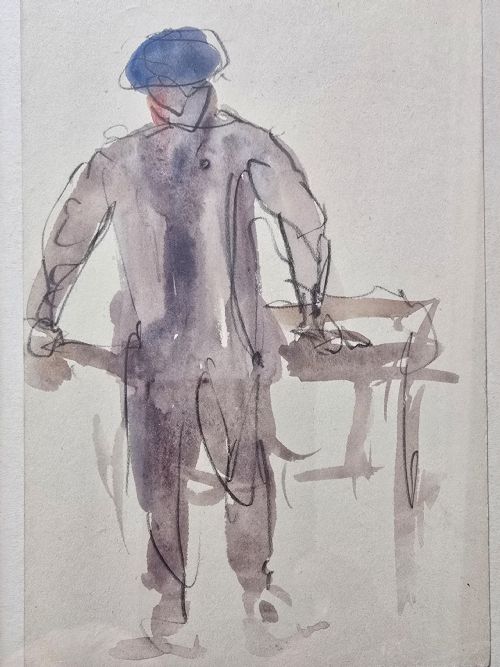
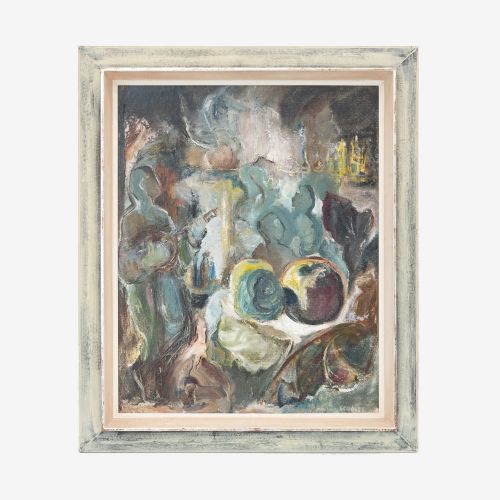
Blue figurative art spans portraits, nudes, and genre scenes rendered in oil, watercolour, canvas, and paper. These pieces capture human subjects through varied lenses, from Victorian academic studies to Mid-Century Modern compositions.
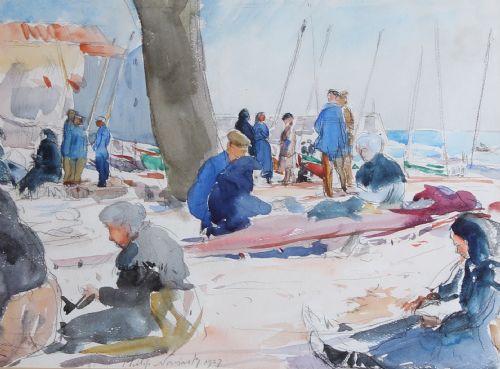
The most common examples on this page are oil paintings and watercolours originating from the nineteenth and twentieth centuries. Works range from intimate interior scenes and coastal portraits to expressive modernist figuration.
Materials and methods
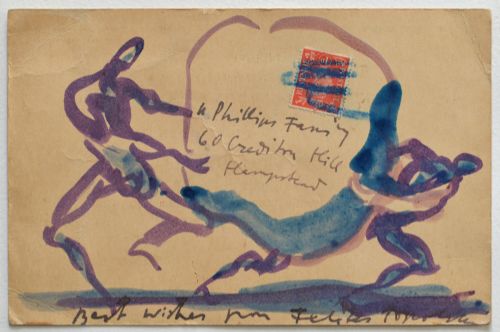
Artists working within these styles utilised oil paint on canvas, board, and zinc panels, alongside watercolours and pastel on paper. Pigments were applied with brushes or manipulated to build depth and texture within the dominant blue palette.
Supports varied according to period and intention, ranging from traditional stretched canvas to sturdy wood panels and delicate paper sheets. Framing often complemented the artwork, protecting watercolours behind glass and oil paintings within traditional surrounds.
Blue Figurative Art Retail Price Guide 2026
Typical asking prices for blue figurative art among the pieces listed under this phrase on Sellingantiques today, from the lower quarter to the upper quarter. They describe what is for sale here now, not the wider market.
Several portraits quietly capture subjects engaged in everyday leisure, including cyclists, bathers, and knitters.
Distinctions in quality
Quality rests upon the confidence of the brushwork and the artist's command over anatomy, proportion, and tonal harmony. Stronger pieces display deliberate composition and dynamic handling of the blue pigment rather than flat or hesitant application.
Condition and originality also separate standard examples from finer works. Intact surfaces on canvas, well-preserved paper without excessive discolouration, and clear signatures or documented provenance elevate individual paintings.
Philip Naviasky·John Hassall·Deidre Daines·Lilian Colbourn·Pinchus Kremegne
The Blue Figurative Art Glossary
- Watercolour
- A painting method where fine pigment is suspended in a water-based, translucent solution applied to paper.
- Oil paint
- A slow-drying medium composed of pigments particles suspended in drying oils, typically applied to canvas or wood.
- Figurative art
- Artwork that derives its inspiration from the human figure and recognizable objects rather than abstraction.
- Fauvism
- An early twentieth-century style characterised by strong colours and painterly qualities over realistic representation.
- Provenance
- The chronology of the ownership, custody, or location of a historical artwork.
Blue Figurative Art: Frequently Asked Questions
What defines blue figurative art?
Blue figurative art centres on human subjects rendered primarily through cool blue tones. The category encompasses oil paintings, watercolours, and mixed media works.
These pieces showcase how different artistic movements utilise a restricted palette to evoke mood, shadow, and form across portraits and genre scenes.
How should I display these artworks?
Display these paintings and works on paper away from direct sunlight to protect pigments from fading. Oil paintings on canvas generally tolerate ambient indoor environments well.
Watercolours and pastels require framing behind protective glass with suitable mount boards to prevent humidity damage and direct contact with the glass surface.
How do I date an antique painting?
Dating relies on examining the stretcher frames, canvas preparation, pigments, and paper types alongside stylistic clues. Signatures, inscriptions on the reverse, and historical framing materials provide additional chronological evidence.
Comparing brushwork techniques to known periods helps narrow down the decade of creation.
What is the difference between oil and watercolour?
Oil paint utilises a slow-drying oil binder, allowing artists to build rich texture, blend tones smoothly, and rework areas over days. Watercolour uses a water-soluble binder that creates luminous, transparent washes on paper.
Oils require sturdy supports like canvas or wood panels, while watercolours demand paper supports.