
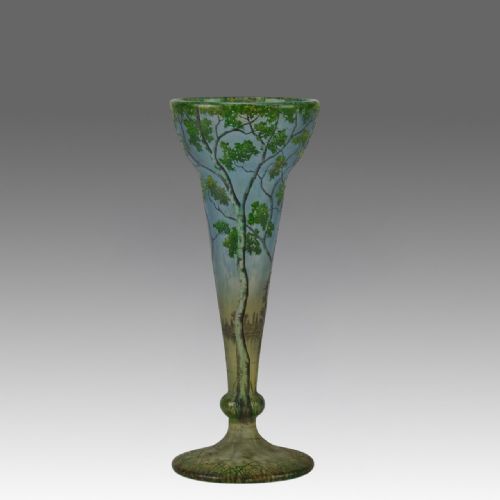
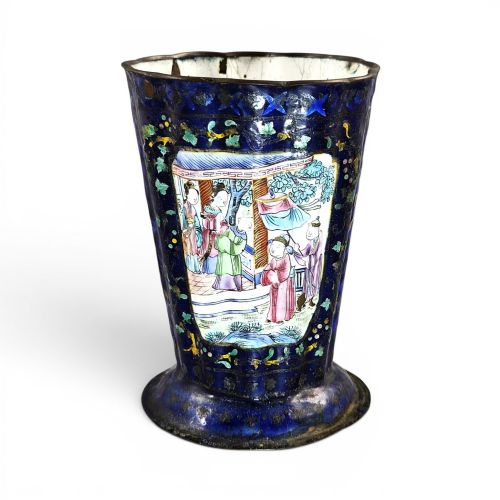
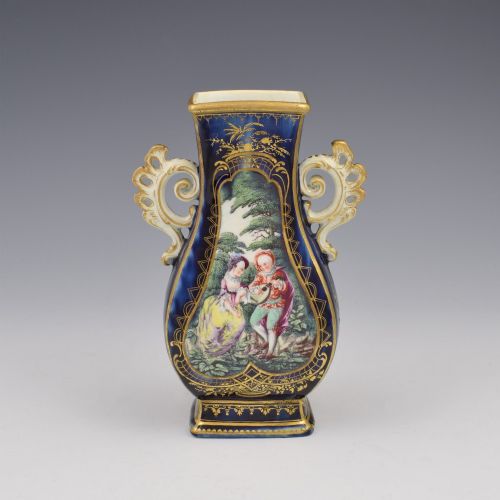
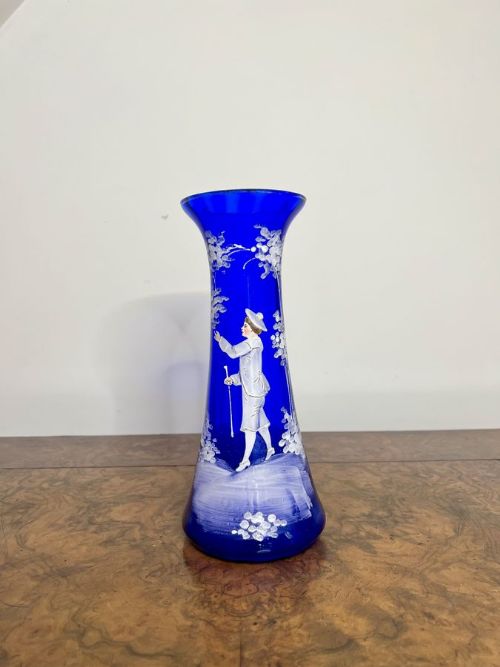


Blue Enamel Vessel
A blue enamel vessel brings rich cobalt tones and meticulous metalwork into a room, offering both decorative presence and historical depth.
Blue Enamel Vessel
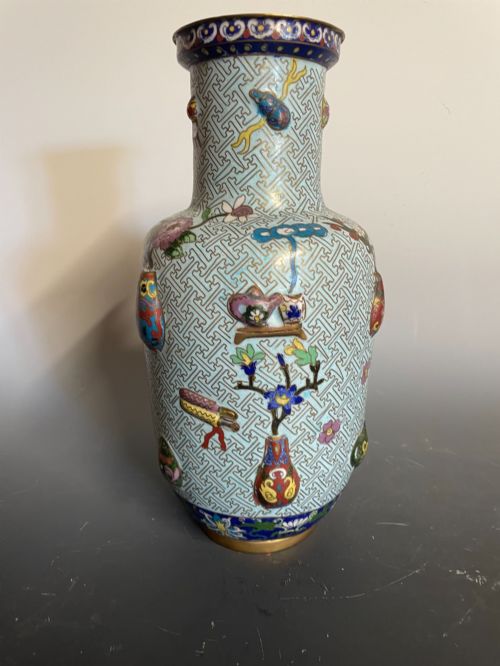
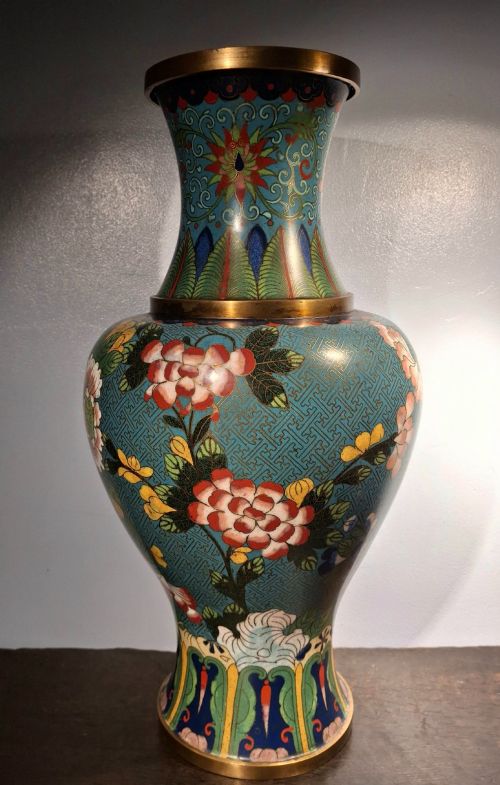
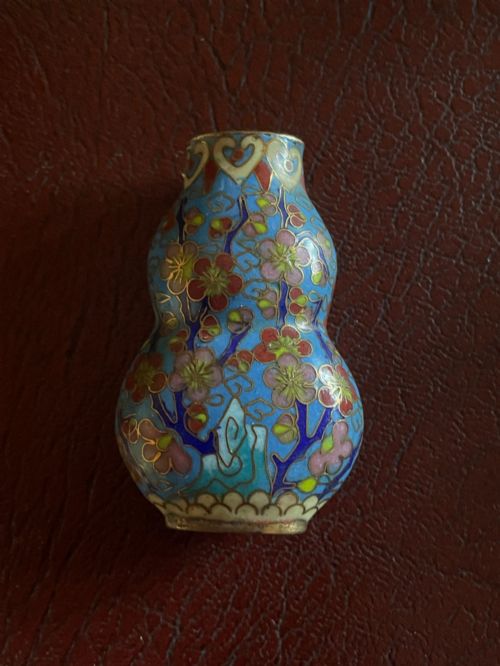
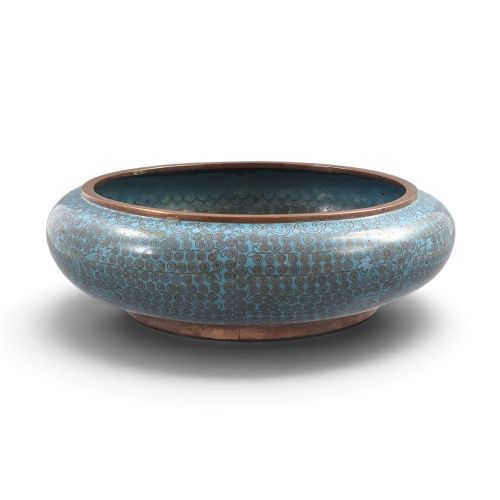
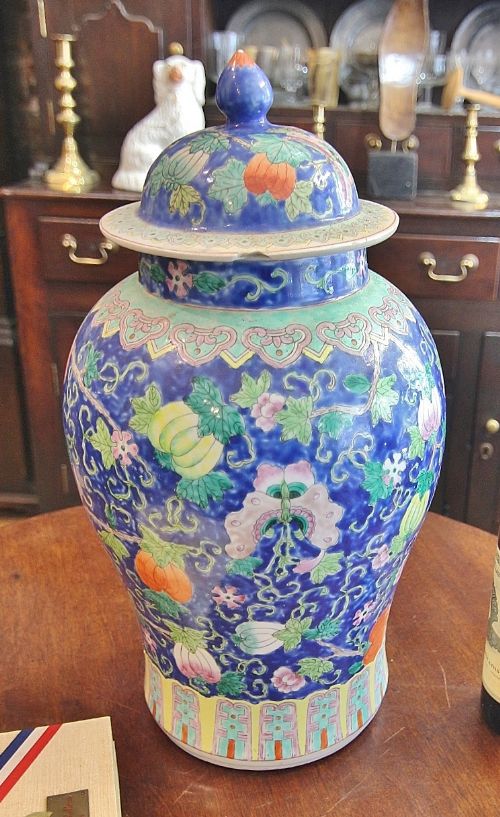
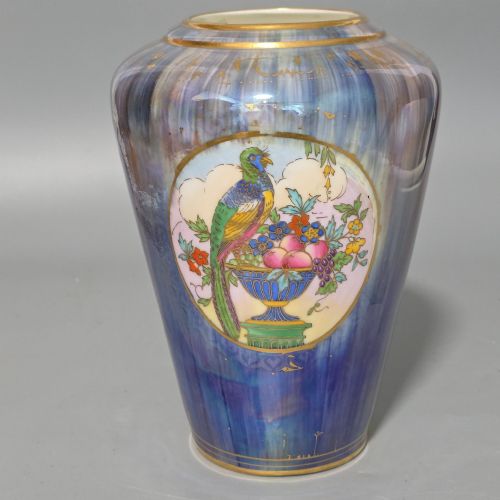
A blue enamel vessel encompasses a diverse group of objects designed for display, storage, or ritual use. When exploring a blue enamel vessel, one encounters forms ranging from ginger jars and vases to scent bottles and scholar's brush washers. The items appearing here predominantly originate from Chinese Qing workshops, Meiji Japan, and European decorative traditions spanning the eighteenth to the twentieth centuries.
These pieces bridge multiple decorative arts categories, uniting metalwork, ceramics, and glass under vibrant vitreous colours. A blue enamel vessel might take the form of an archaic bronze jue cup, a delicate silver scent bottle, or a robust copper bowl set with cabochons. Buyers frequently meet pieces decorated with floral motifs, dragons, and landscapes executed in shades of navy, turquoise, and royal blue.
Materials and Techniques
The construction of a blue enamel vessel relies heavily upon metal bases such as copper, bronze, or brass, paired with powdered glass fused by heat. Cloisonne and champleve techniques dominate the metallic examples, utilising thin wire partitions or carved recesses to contain the vitreous pastes. Artisans applied successive firings to achieve durable, luminous surfaces that retained their pigment over centuries.
Ceramic and glass variations introduce alternative methods for integrating blue enamel into a vessel. Porcelain and earthenware bodies received hand-painted enamel decoration before undergoing kiln firing, whilst cameo and blown glass utilised layered thermal manipulation. Artisans often added gilt bronze mounts, gold leaf, or jade rims to complete the composition.
Some scholarly vessels meant for washing brushes found themselves repurposed by Victorian households as rather grand receptacles for paperclips.
Evaluating the Pieces
Quality in a blue enamel vessel rests upon the precision of the metalwork and the depth of the vitreous colours. Finer examples display tightly uniform wire cells in cloisonne work, smooth enamel fills free of excessive pitting, and sharply defined hand-painted motifs. The integration of auxiliary materials, such as heavy gilt bronze mounts or solid silver and jade components, elevates the standing of an individual object.
The artistic ambition behind the design further separates standard production from superior work. Pieces bearing imperial marks, complex multi-panel pictorial scenes, or thoughtful stylistic references to archaic forms demonstrate a higher tier of craftsmanship. Conversely, simpler decorative items prioritize functional utility and robust commercial production over intricate detail.
Daum Frères·Royal Doulton·Minton·Chelsea Porcelain
The Blue Enamel Vessel Glossary
- Cloisonne
- A decorative metalwork technique where thin metal wires are soldered to a base to form compartments filled with enamel paste.
- Champleve
- A method where troughs or cells are carved directly into a thick metal surface and filled with enamel before firing.
- Jue
- An ancient Chinese tripod wine vessel featuring an outward-flaring spout and two vertical posts, often interpreted in later metalwork.
- Koro
- A traditional Japanese or Chinese lidded incense burner designed with perforated covers for diffusing aromatic scents.
- Moriage
- A Japanese ceramic technique applying heavy slip trails to create raised decorative patterns beneath the glaze or enamel.
Blue Enamel Vessel: Frequently Asked Questions
What distinguishes cloisonne from champleve enamel?
Cloisonne involves soldering thin flat wires onto a metal foundation to create raised compartments for the enamel paste. This method produces intricate, sharply defined outlines across the surface of the vessel.
Champleve utilises gouging or casting to recess troughs directly into a thicker metal body. The enamel fills these carved channels rather than resting against applied surface wires.
How should I clean an antique enamel vessel?
Maintenance requires gentle dusting with a soft, dry cloth to prevent accumulation within recessed areas or wire boundaries. Moisture and chemical cleaners risk damaging exposed metal and fragile vitreous surfaces.
Professional restoration advice should be sought if structural instability or heavy tarnish occurs. Keeping the object away from direct sunlight preserves the vibrancy of the blue pigments.
How do I date a Chinese enamel piece?
Dating relies upon stylistic markers, material weight, and base treatments that align with specific dynastic periods. Examination of the underlying bronze or copper provides clues regarding manufacturing age and technological shifts.
Imperial reign marks offer chronological indicators, though later pieces frequently reproduced earlier markers out of reverence. Comparing the colour saturation and wire fineness against known dated examples helps confirm the era.
Were these vessels used for display or function?
Many objects served dual purposes as both functional containers and decorative status symbols within elite interiors. Scholar's brush washers and tea pots fulfilled daily utilitarian roles while showcasing artistic mastery.
Larger vessels and lidded koros were primarily intended for visual display and ambient scent diffusion. Their placement in formal rooms reflected the refined tastes of their owners.