








Blue Enamel Trinket
A blue enamel trinket piece brings together bright vitreous colour and precious metal work, holding small dressing table items with distinct period style.
Blue Enamel Trinket
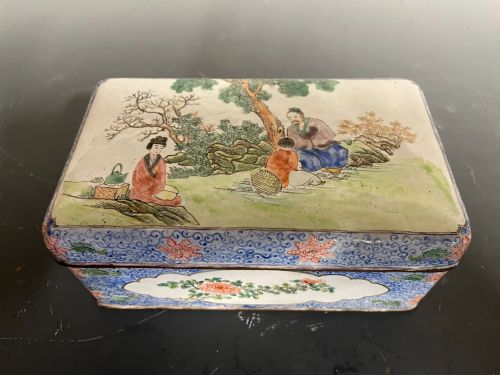
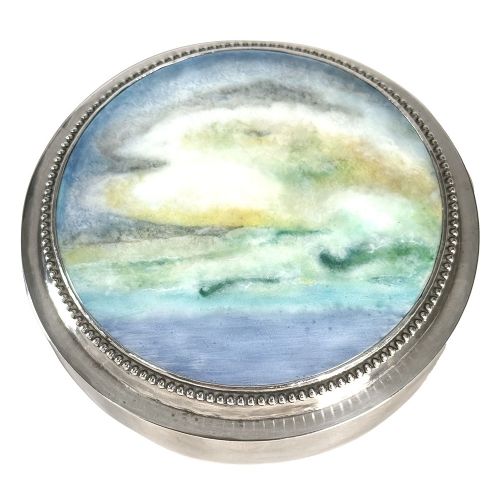
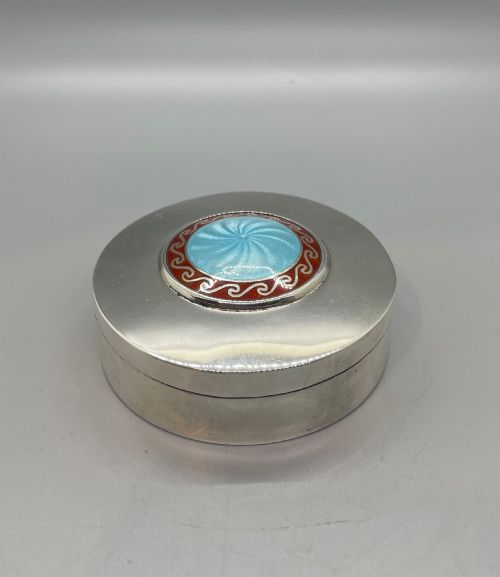
A blue enamel trinket selection encompasses small boxes, patch boxes, snuff boxes, vanity jars and dressing table pots designed for personal storage. Buyers looking for a blue enamel trinket encounter forms ranging from Georgian Staffordshire enamel boxes to Art Deco sterling silver guilloche containers and French porcelain caskets.
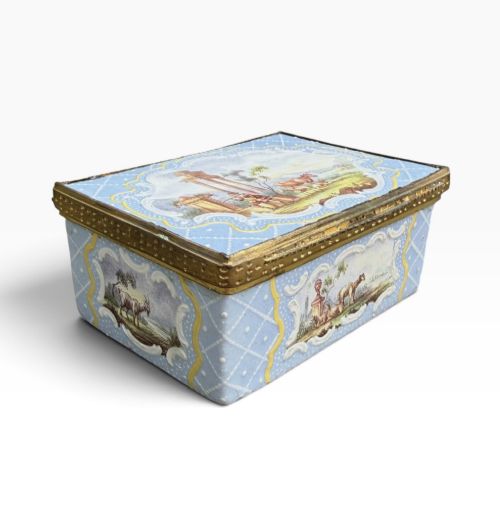
The objects span multiple centuries, with 18th century Bilston patch boxes and 19th century French glass and porcelain sitting alongside early 20th century English silver and enamel pieces. Most examples combine a metal or porcelain base with vitreous enamel decoration in various shades of blue.
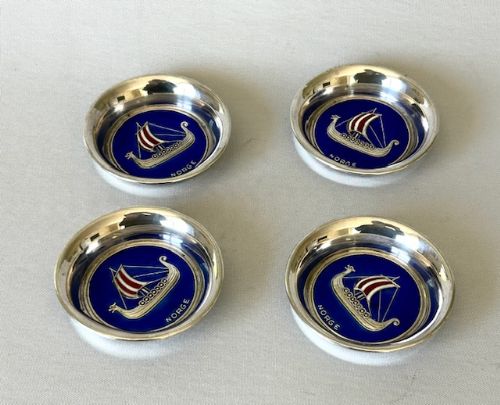
Functionally, these items served to hold beauty patches, snuff, pills, pins or small jewellery items on dressing tables and in pockets. The physical evidence shows diverse origins including English workshops, French factories, Norwegian design houses and Chinese silver smiths.
How they were made
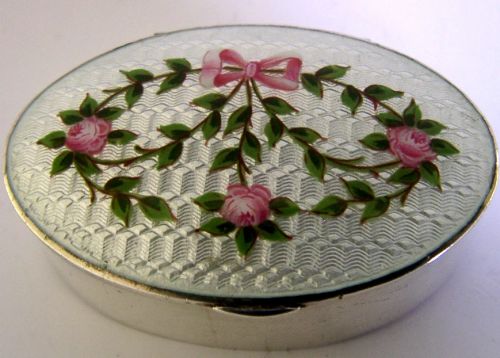
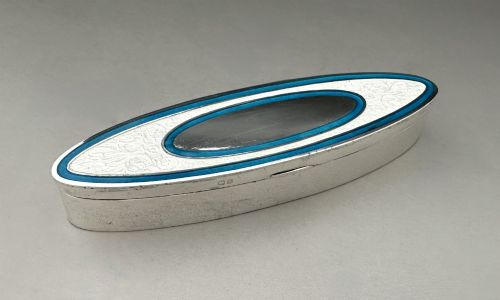
Craftsmen fused powdered glass onto metal bases such as sterling silver, copper, or gold through high-temperature firing to create the durable enamel surfaces seen on these items. Techniques like guilloche involved machining precise geometric patterns into the metal substrate beneath translucent blue enamel to achieve reflective depth.
Many 18th century pieces utilise copper bodies coated with white and coloured enamel, then hand-painted with detailed miniature scenes or inscriptions. Other examples combine cut glass or porcelain bodies with fitted silver or ormolu mounts and hinged lids.
Blue Enamel Trinket Retail Price Guide 2026
Typical asking prices for blue enamel trinket among the pieces listed under this phrase on Sellingantiques today, from the lower quarter to the upper quarter. They describe what is for sale here now, not the wider market.
Listings feature items from the 18th century through the mid-20th century, encompassing English, French, Norwegian, Chinese and Spanish origins.
What varies in quality
The clarity and precision of the enamel work distinguish finer pieces, particularly where guilloche engine-turning creates sharp, uniform underlying patterns without bubbling or discolouration in the glass layer. Hand-painted details on early enamel boxes show varying degrees of artistic skill, from loose brushwork to minute, highly controlled miniature painting.
The weight and purity of the housing materials, such as heavy gauge sterling silver or fire-gilt ormolu, dictate the structural integrity of the piece and how well hinges and closures align over time.
Guild of Handicrafts·Henry Clifford Davis
The Blue Enamel Trinket Glossary
- Guilloche
- A decorative mechanical technique where precise patterns are engraved into a metal surface before a translucent enamel layer is applied. This method allows light to reflect through the coloured glass in geometric waves.
- Bilston enamel
- Enamelled copper boxes and small containers produced in the Staffordshire town of Bilston during the 18th century. These items frequently feature hinged lids and delicate hand-painted top designs.
- Vinaigrette
- A small hinged box containing a perforated inner grille, designed to hold a sponge soaked in aromatic vinegar. Victorians carried these portable containers to counter unpleasant odours.
- Patch box
- A small pocket container fitted with a mirror inside the lid, used in the 18th century to store cosmetic beauty patches made of silk or velvet. The enamel lids often display topographical views or sentimental mottoes.
- Champleve
- An enamelling technique where troughs or cells are hollowed out of a metal plate and filled with enamel paste before firing. The remaining metal walls form the visible outlines of the design.
Blue Enamel Trinket: Frequently Asked Questions
What were patch boxes used for?
Eighteenth century society used patch boxes to hold small silk or velvet shapes applied to the face as decorative cosmetic patches. These tiny containers typically featured interior mirrors for adjustments.
Over time, the boxes transitioned to storing snuff, pins or small trinkets while retaining their hinged enamel lids.
How do I clean antique enamel?
Enamel consists of fused glass, requiring gentle cleaning with a soft cloth and mild soapy water to preserve the surface. Harsh abrasives or chemical dips can scratch the glass or damage adjacent silver and gilt mounts.
Care must be taken around hinges and organic components like wood inserts found in certain mid-century boxes.
How can I tell an 18th century box from a later piece?
Early pieces from Staffordshire typically utilise copper bodies with a white enamel interior lining and hand-painted exterior details. Eighteenth century copper construction often shows slight irregularities in the metal base.
Twentieth century items frequently employ machine-turned guilloche engraving on sterling silver with modern assay hallmarks.
What is guilloche enamel?
Guilloche enamel involves mechanical engine-turning on a metal base, cutting precise geometric patterns into the surface. A transparent layer of coloured enamel applied over the top catches the light through the engraved design.
This technique became particularly popular during the Edwardian and Art Deco periods for dressing table sets and vanity jars.