



Blue Delft Vases
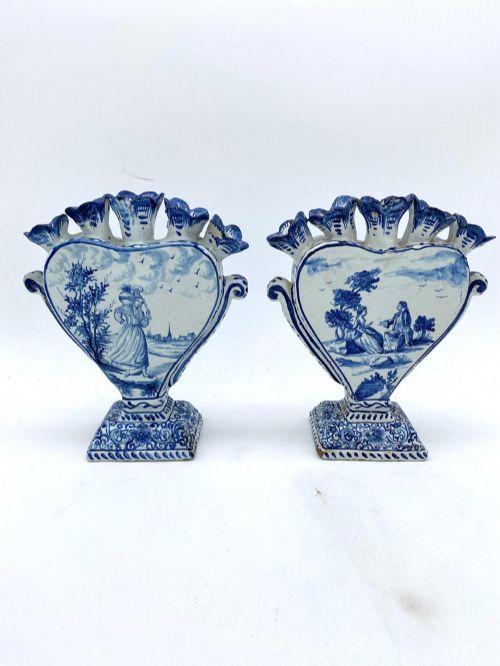
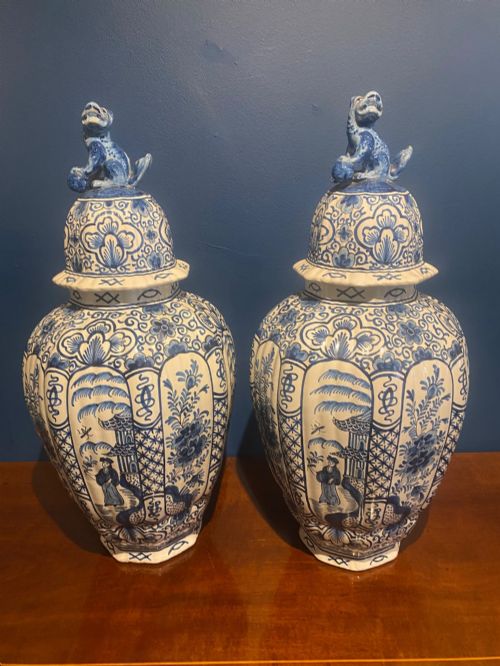
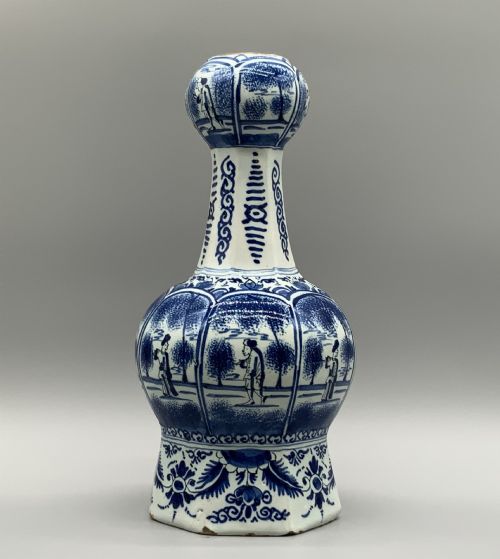
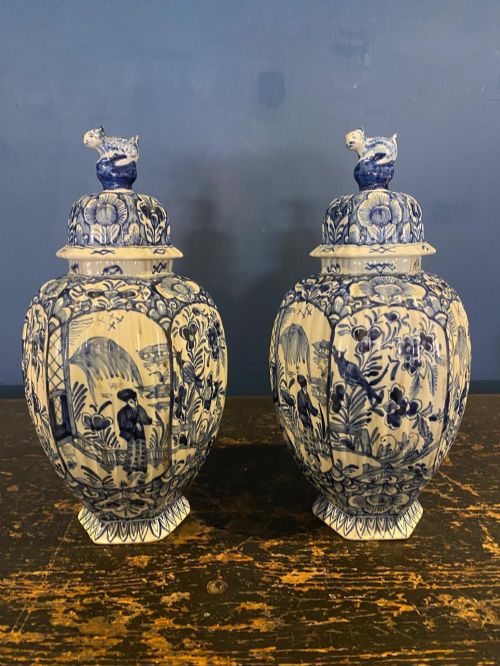
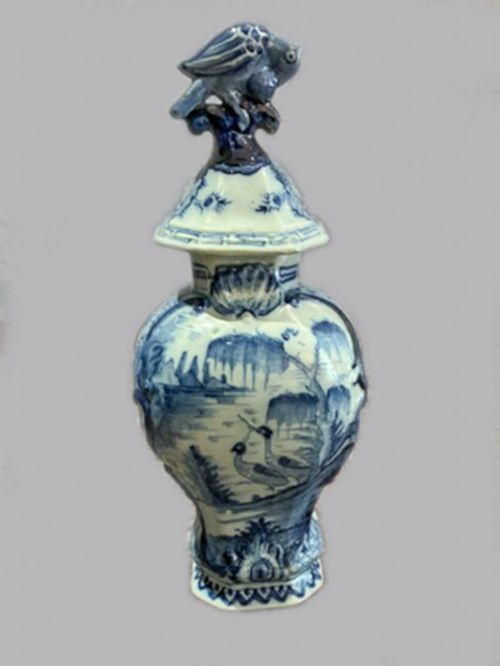
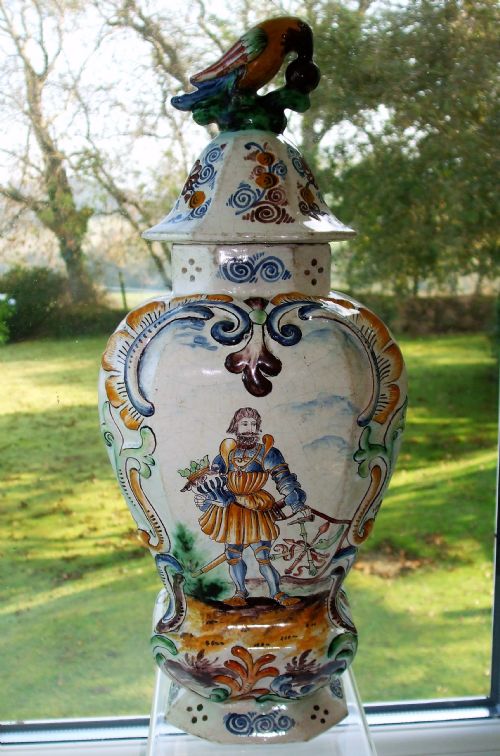
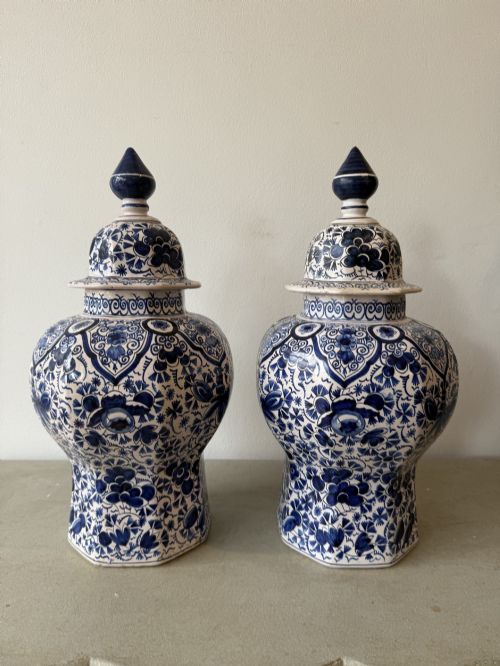
These blue delft vases bring centuries of ceramic artistry into your home, offering painted tin-glazed earthenware shaped in classic baluster, lidded and urn forms.
Blue Delft Vases
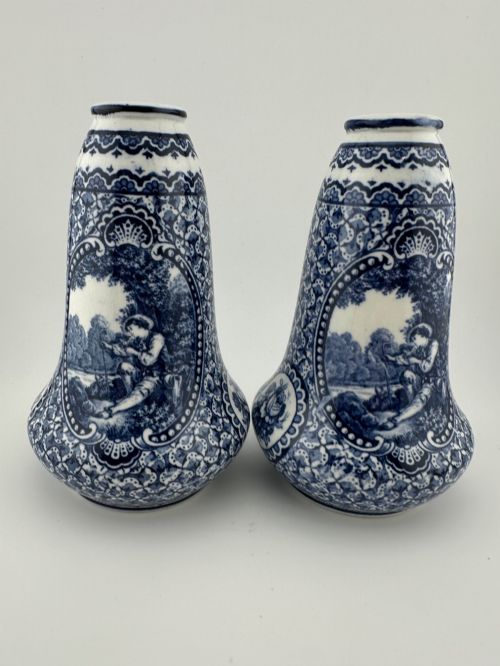
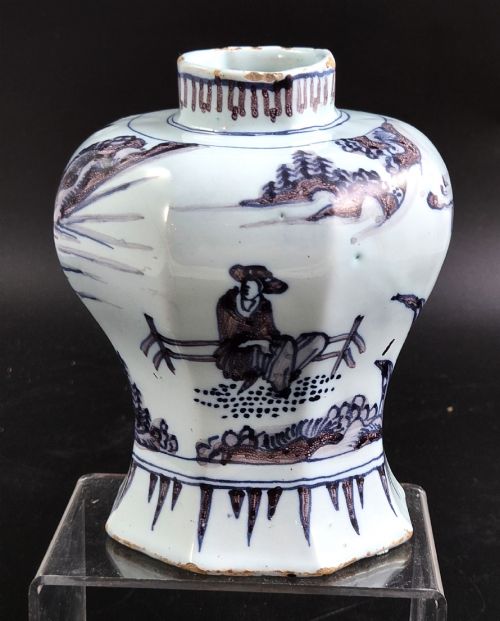
Blue delft vases encompass tin-glazed earthenware vessels produced across several centuries, ranging from early seventeenth-century Chinoiserie pieces to later revival forms and table lamps. Buyers pursuing this search phrase most frequently encounter eighteenth-century baluster vases, lidded jars and decorative urns finished in cobalt blue and white decoration.
The selection includes substantial pairs, single lidded vessels and pieces converted into table lamps, spanning Dutch Delftware alongside nineteenth-century French faience and German productions. Forms vary from ribbed beaker shapes and octagonal profiles to traditional garden planters and gourdes.
How they were made
Potters shaped these vessels from earthenware and applied an opaque tin glaze that provided a smooth white background for painting. Artisans then brushed cobalt blue and manganese pigments directly onto the unfired or biscuit-fired glaze before the final kiln firing.
Makers utilised traditional moulding and throwing techniques to achieve the distinct baluster, beaker and jar profiles seen in the collection. Some later examples incorporate brass fittings or electrical conversions added during subsequent periods of use.
Blue Delft Vases Retail Price Guide 2026
Typical asking prices for blue delft vases among the pieces listed under this phrase on Sellingantiques today, from the lower quarter to the upper quarter. They describe what is for sale here now, not the wider market.
What varies in quality
The refinement of the hand-painted brushwork distinguishes exceptional examples from simpler production, particularly in detailed Chinoiserie scenes depicting figures, birds and floral motifs. Crispness of the tin glaze and the depth of the cobalt blue or manganese pigment separation determine the visual strength of the piece.
Structural complexity also dictates standing, with matching pairs, intact lids and substantial baluster or ribbed beaker forms representing more ambitious manufacturing standards than single, altered or smaller vessels.
Royal Bonn Franz Anton Mehlem·3 BELLS Drie klokken Factory·Louis Victor
The Blue Delft Vases Glossary
- Tin-Glazed Earthenware
- Pottery covered with a ceramic glaze containing tin oxide that fires to an opaque white surface. This technique forms the foundational medium for traditional delftware.
- Baluster
- A vertical architectural form swelling downward, frequently adapted for the characteristic silhouette of seventeenth and eighteenth-century vases. It provides a stable and balanced profile for display.
- Chinoiserie
- European decorative style reflecting Chinese artistic motifs, commonly rendered in blue and white on early delft vases. Painters interpreted oriental landscapes, scholars and birds with distinct local flair.
- Faience
- European tin-glazed earthenware produced in France and other continental centres outside the Netherlands. The term often describes pieces sharing manufacturing techniques with traditional delft.
- Manganese
- A purple-brown metallic oxide pigment utilised alongside or instead of cobalt blue on tin-glazed vessels. It creates warm, earthy tones on seventeenth and eighteenth-century pieces.
Blue Delft Vases: Frequently Asked Questions
How do I care for blue delft vases?
Dust these ceramic pieces gently with a dry, soft cloth to protect the tin glaze and painted surfaces from abrasion.
Keep them away from direct moisture and avoid chemical cleaners that might harm the historical glaze.
Are these vases watertight?
Historical tin-glazed earthenware can be porous and may allow moisture to seep through the ceramic body over time.
Display them dry or utilise a hidden inner vessel if you plan to hold fresh flowers.
How do I identify eighteenth-century examples?
Look for characteristic potting weight, tin-glaze characteristics and hand-painted cobalt or manganese decoration typical of the period.
Compare the forms against established baluster, lidded jar and urn profiles documented from the era.
Can I use converted lamp vases safely?
Many historical pieces were fitted for electricity during the twentieth century to serve as functional table lighting in homes.
Have any older wiring checked by a qualified professional before connecting it to a power supply.