





Blue Delft Porcelain
Blue delft porcelain brings hand-painted tin-glazed earthenware and faience into a room, offering centuries of historic blue and white charm.
Blue Delft Porcelain
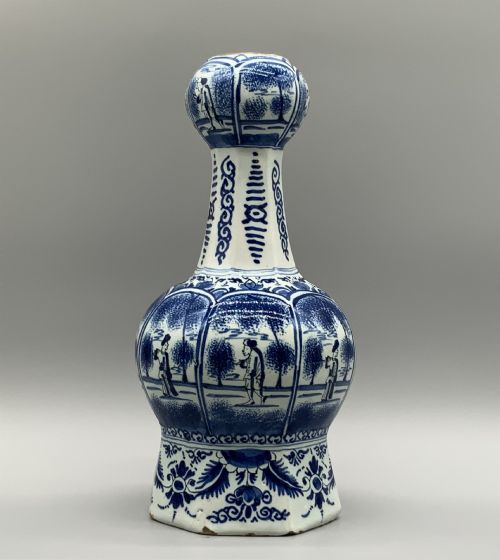
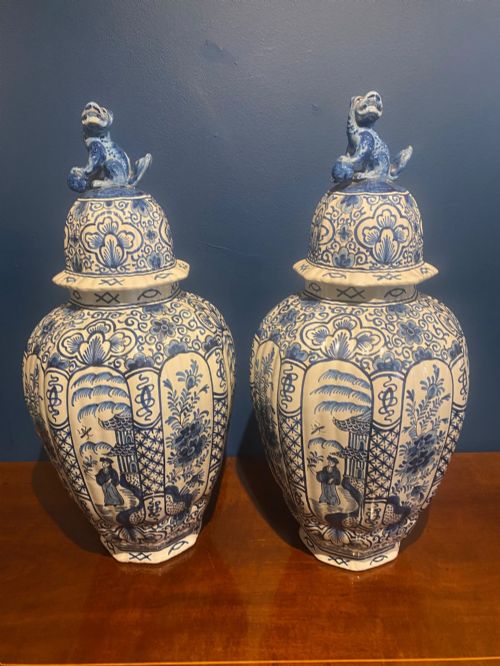
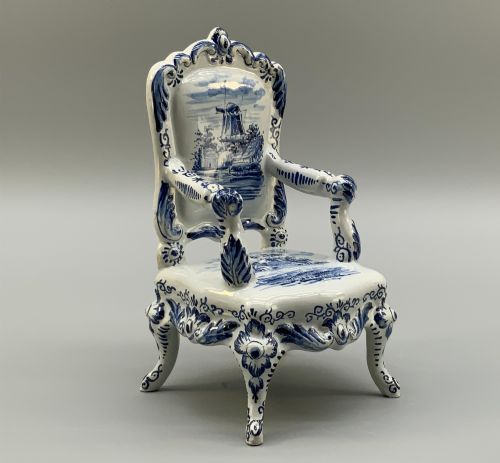
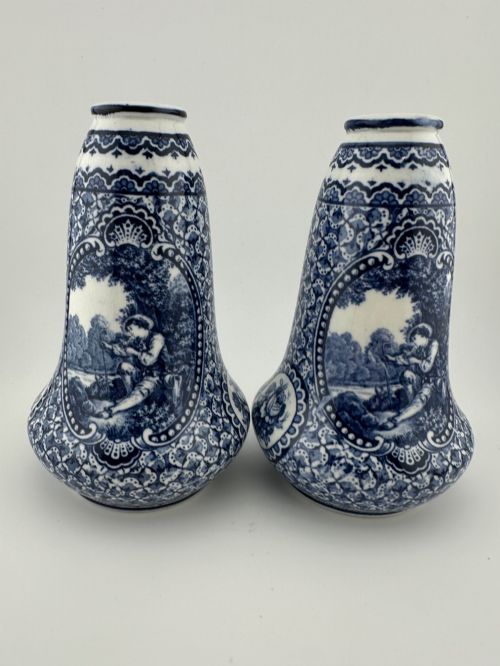
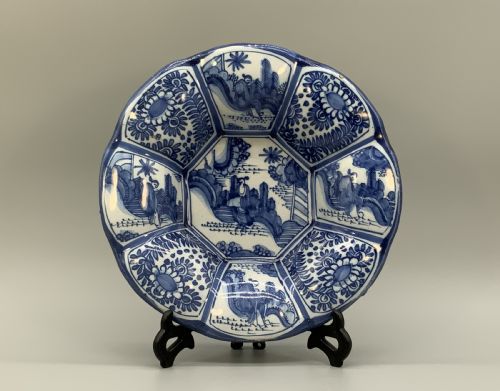
When you search for blue delft porcelain, you encounter a range of tin-glazed earthenware and faience spanning several centuries from the seventeenth to the twentieth. The inventory centres on decorative vases, chargers, plates, and jars, alongside smaller items such as miniature furniture and inkstands.
You are most likely to meet nineteenth-century interpretations and traditional eighteenth-century examples on this page. These objects often display Dutch Baroque and Chinoiserie styles, reflecting historic trade routes and European ceramic traditions.
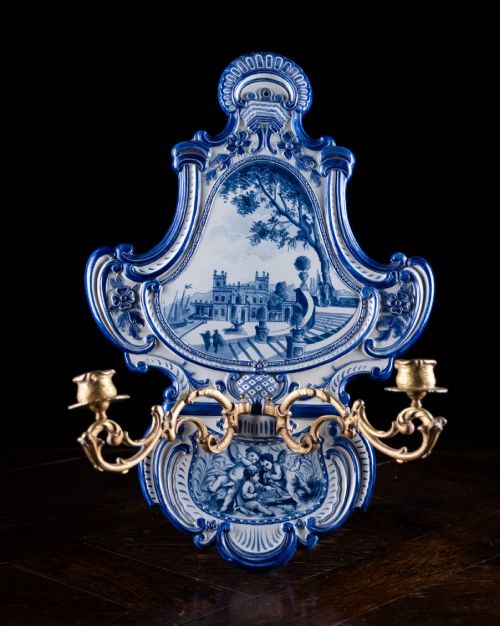
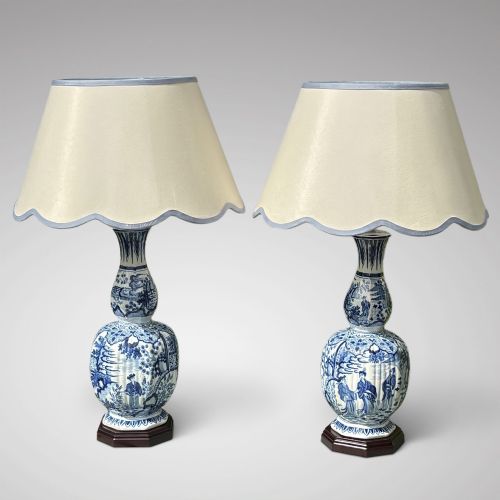
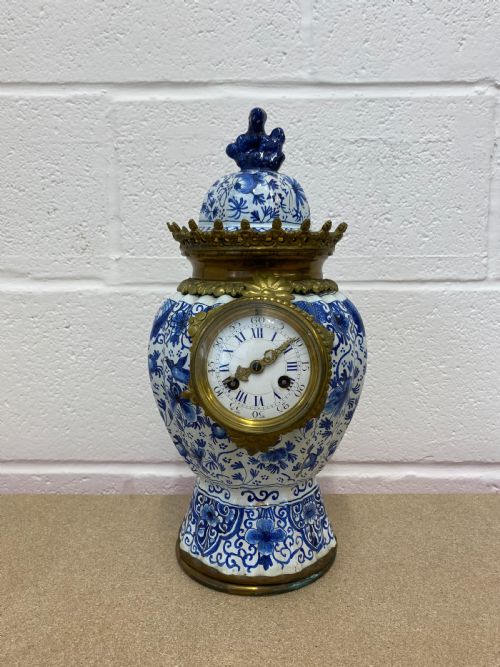
The selection also accommodates lighting and functional adaptations, including table lamps, wall sconces, and mantel clocks. Each piece utilises cobalt pigment on a pale background to create the characteristic blue and white palette.
How they were made
The construction relies fundamentally on clay shaped into vessels, plates, or decorative forms, then coated with an opaque tin glaze. Artisans applied cobalt pigment directly onto this absorbent surface before a final firing fused the design.
Metal mounts in brass or ormolu appear on specific items such as wall sconces and clocks, combining ceramic bodies with structural metalwork. Hand-painted brushwork defines the surface decoration across both early wares and later revivals.
Blue Delft Porcelain Retail Price Guide 2026
Typical asking prices for blue delft porcelain among the pieces listed under this phrase on Sellingantiques today, from the lower quarter to the upper quarter. They describe what is for sale here now, not the wider market.
Object types include table lamps, wall sconces, mantel clocks, and miniature furniture pieces alongside traditional vases and plates.
What varies in quality
Quality rests upon the precision and fluidity of the hand-painted cobalt brushwork, where confident botanical or figural execution separates finer items from simpler production. The consistency of the tin glaze and the crispness of the underlying ceramic form further distinguish better examples.
Age and original function play a role, as seventeenth and eighteenth-century items carry distinct historical weight compared to later nineteenth-century revivals. The preservation of the glaze and any integrated brass or gilt mounts shape the overall character of the piece.
Royal Bonn Franz Anton Mehlem·Villeroy & Boch
The Blue Delft Porcelain Glossary
- Tin-Glazed Earthenware
- Pottery covered with a white glaze containing tin oxide, providing an opaque surface for painted decoration. This technique forms the foundation of traditional delftware production.
- Faience
- European tin-glazed earthenware, often associated with wares produced in imitation of Chinese porcelain. The term is frequently used interchangeably with Dutch delft.
- Chinoiserie
- European artistic style reflecting Chinese motifs and motifs inspired by East Asian export porcelain. It appears frequently on seventeenth and eighteenth-century blue and white pieces.
- Kraak Style
- A type of Chinese export porcelain characterised by panelled borders and central motifs, heavily imitated by European delftware makers. These designs often feature birds, flowers, and symbolic objects.
- Charger
- A large decorative plate intended for display on a wall or dresser rather than everyday table use. Eighteenth-century examples often display bold cobalt painting.
Blue Delft Porcelain: Frequently Asked Questions
How do I clean blue delft porcelain?
Dust gently with a soft dry cloth to protect the tin glaze and hand-painted surface. Avoid immersion in water, especially on items with historic repairs or metal attachments.
Keep pieces away from direct sunlight and damp environments to preserve the integrity of the earthenware body.
Are these pieces waterproof?
Most historic tin-glazed earthenware is porous and prone to moisture seeping through hairline cracks in the glaze. Use vessels and vases for dry display rather than holding fresh flowers.
Converted lamp bases and jars should similarly be kept away from internal moisture to prevent damage to the historic ceramic.
How can I tell the age of a delft piece?
Examine the weight of the clay body, the tone of the cobalt blue, and the characteristics of the glaze surface. Earlier pieces often display subtle irregularities in shape and glazing compared to nineteenth-century revivals.
Stylistic markers such as Kraak panels or Chinoiserie motifs provide further clues to the period of manufacture.
Where should I display a delft charger?
Chargers look best mounted securely on a wall or supported safely on a plate stand within a cabinet or shelf. Position them away from high-traffic areas where they might be accidentally knocked.
Pairing chargers with smaller vases or miniature items creates a balanced historic display.