

Blue Coastal Art
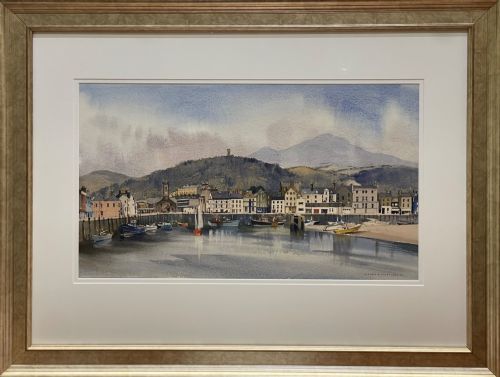
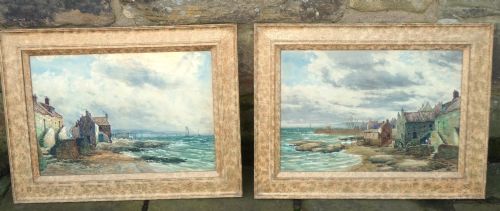
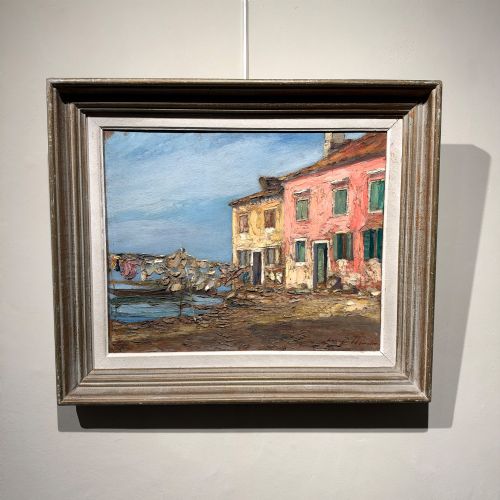
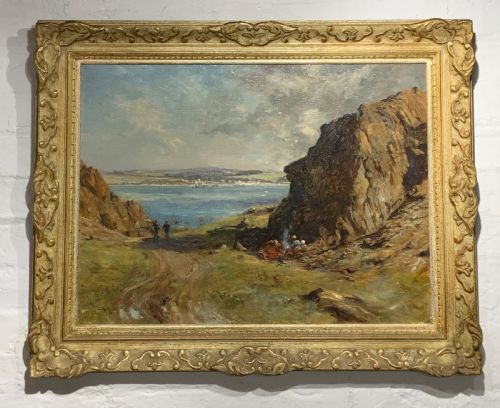
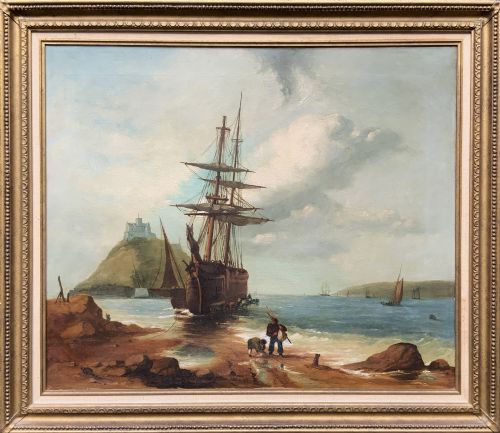
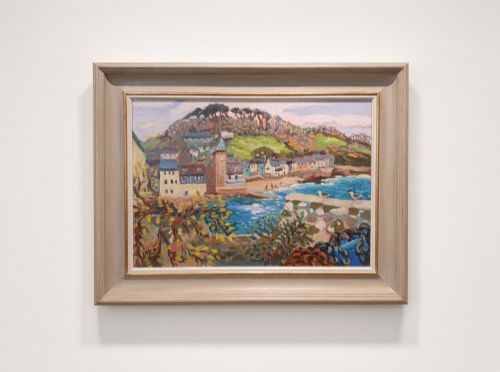
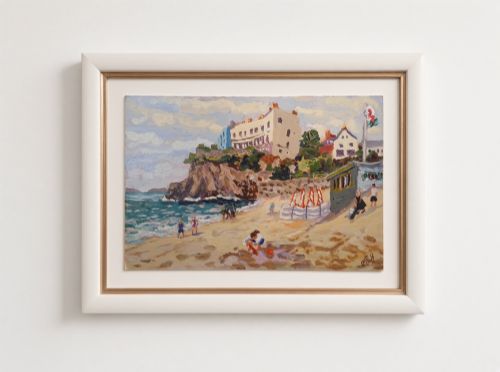
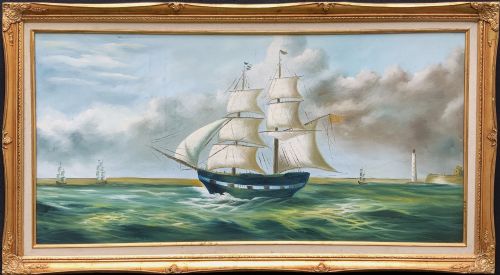
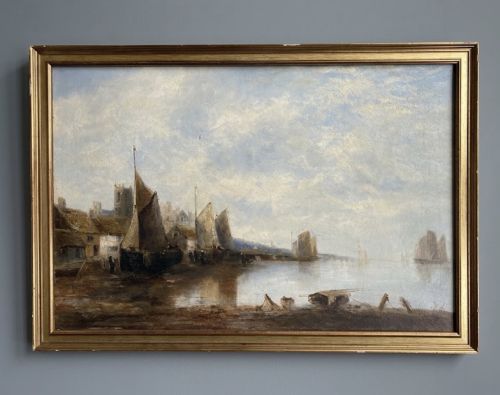
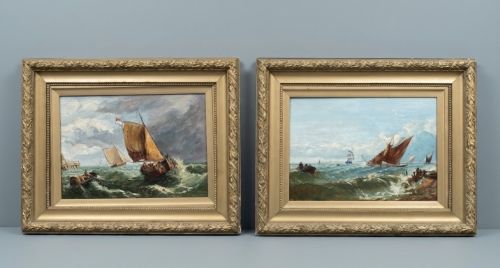
Blue coastal art encompasses maritime watercolours and oil paintings capturing harbours, fishing boats, and shorelines across the nineteenth and twentieth centuries.
Blue Coastal Art
When you search for blue coastal art, you encounter paintings that record maritime scenes, harbours, and shorelines using oil and watercolour mediums.
The selections span the nineteenth century through the mid-twentieth century, including works by named artists and regional schools depicting British and Mediterranean waters.
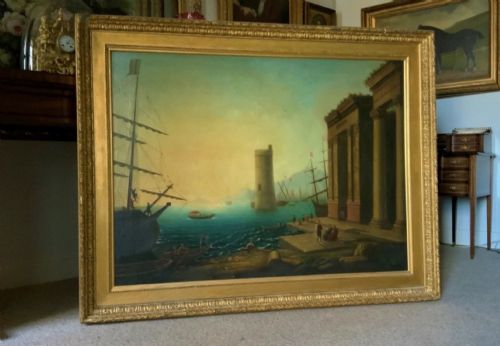
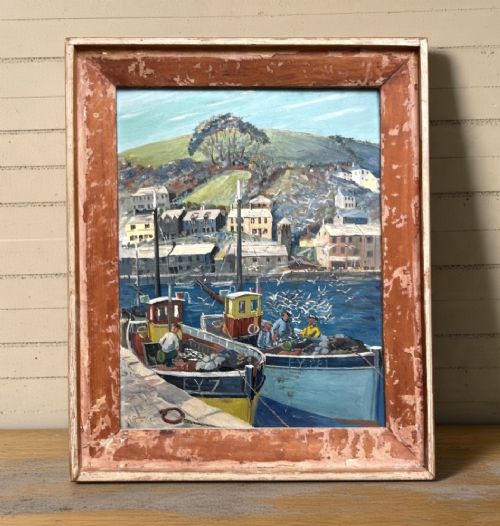
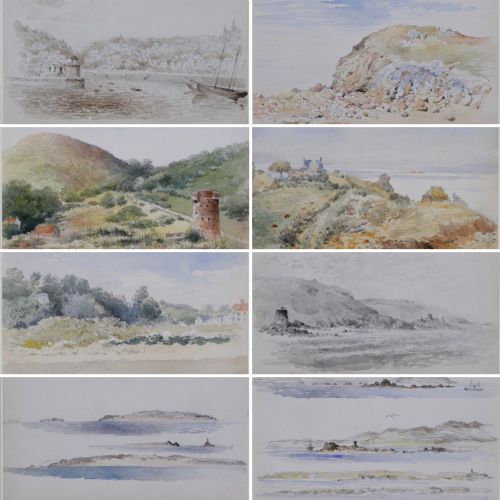
You are most likely to meet framed watercolour paintings and oil on canvas views of fishing boats, rocky coves, and bustling ports.
How they were made
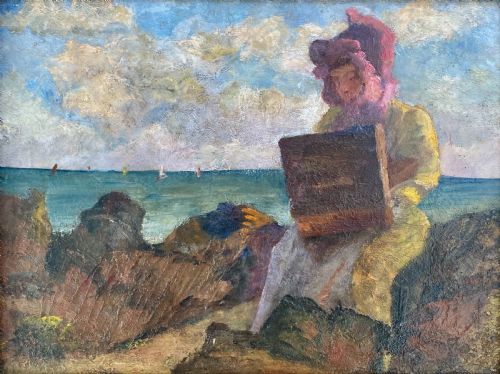
Artists applied oil paint and watercolour across canvas, paper, and wooden panels, often working en plein air to capture immediate light conditions along the coast.
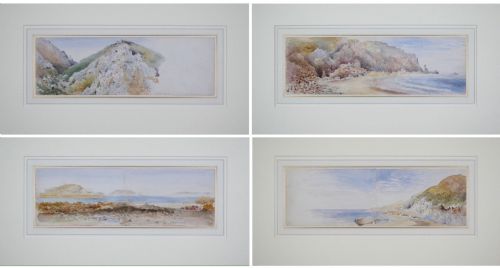
Watercolour works utilise pigment washes on paper to render translucent seas and skies, while oil paintings build texture through layered brushwork on canvas and panel.
Blue Coastal Art Retail Price Guide 2026
Typical asking prices for blue coastal art among the pieces listed under this phrase on Sellingantiques today, from the lower quarter to the upper quarter. They describe what is for sale here now, not the wider market.
Listings feature works created across multiple periods, ranging from nineteenth-century Victorian maritime watercolours to mid-century modern oil paintings.
What varies in quality
The distinction between works rests upon the artist's handling of marine atmosphere, spatial depth, and the natural movement of water.
Superior examples demonstrate confident brushwork and precise tonal control in capturing light on the sea, whereas lesser pieces rely on formulaic compositions.
Philip Naviasky·Donald McIntyre·James Orrock·William Cannon·James Smetham·Sidney A Court·John E Aitken·William Banks Fortescue·Thomas William Morley·Peter Brannan·Paul Bret·Bernard Benedict Hemy·Thomas Creswick·TB Hardy·Cecil Allan Mould·Charles Euphraisie Kuasseg·Alfred G Morgan·Joseph Farquharson·Dubovsky·Carlo Ferranti·William Matthison·William Henry Williamson·Walter Goodin·Henry Barlow Carter·George F Pennington
The Blue Coastal Art Glossary
- Watercolour
- A painting method where fine pigment is suspended in a water-based solution and applied to paper.
- En plein air
- The practice of painting outdoors to observe landscape and marine subjects directly in natural light.
- Canvas
- A heavy woven fabric stretched across a wooden frame to serve as a sturdy surface for oil painting.
- Capriccio
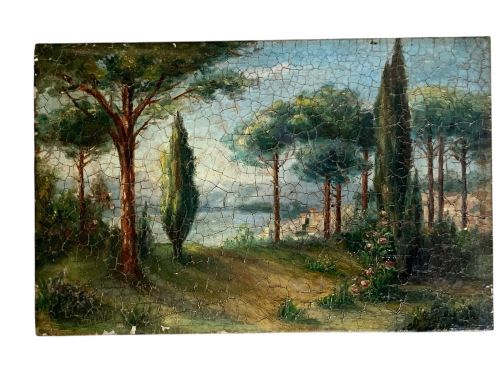
- An architectural fantasy painting that places buildings, ruins, and other architectural elements in a fictional landscape.
- Panel
- A flat wooden board prepared with a ground layer to receive oil paint.
Blue Coastal Art: Frequently Asked Questions
What subjects appear in blue coastal art?
These works feature fishing boats, harbour quays, stormy seas, calm shorelines, and coastal cliffs.
Scenes frequently record specific locations such as Whitby, St Ives, Scarborough, and Palermo harbour.
How do watercolours differ from oil paintings here?
Watercolours utilise transparent pigment washes on paper to create luminous effects of sea and sky.
Oil paintings employ heavier pigments on canvas or panel, offering richer textures and deeper tonal contrasts.
Which time periods do these maritime pieces span?
The selection covers nineteenth-century Victorian marine works alongside twentieth-century mid-century modern interpretations.
Pieces range from early nineteenth-century watercolours up to works produced later than 1960.
How should I display coastal art at home?
Most works arrive framed and glazed, ready for hanging on domestic walls in living spaces or studies.
Keep them away from direct sunlight to preserve the watercolour pigments and oil colours over time.