




Blue Chinese Vase Lamp
A blue chinese vase lamp brings deep cobalt tones and centuries of ceramic tradition directly into a modern interior.
Blue Chinese Vase Lamp
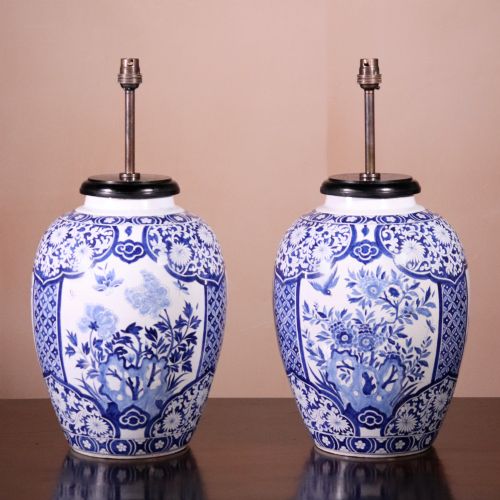
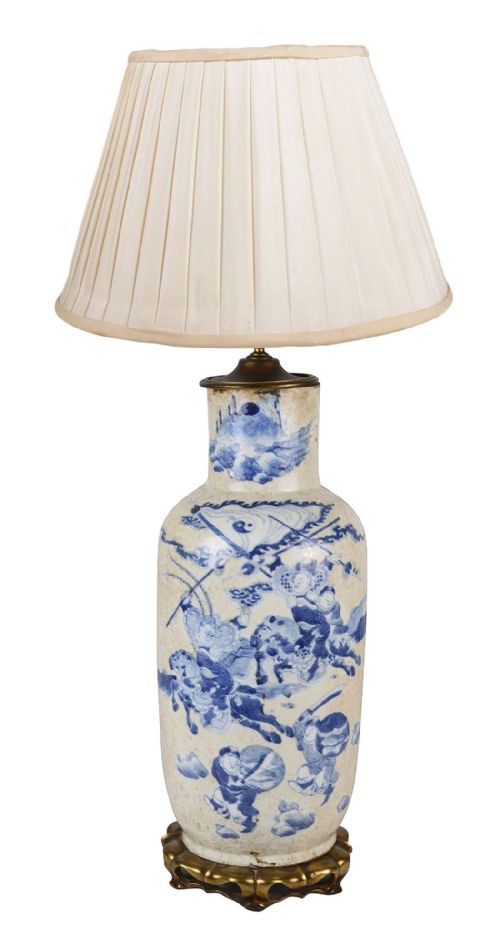
A blue chinese vase lamp combines antique ceramic vessels with modern electrical wiring to function as striking interior lighting. When searching for a blue chinese vase lamp, collectors most frequently encounter nineteenth-century pieces decorated in classic cobalt tones.
The inventory on this page consists primarily of table lamps fashioned from converted Chinese porcelain and cloisonné vessels. These objects span several distinct periods including the nineteenth century and the early twentieth century.
Many listings feature traditional forms such as baluster vases, ginger jars, and crackleware vessels adapted for domestic illumination. Alongside Chinese export and Qing Dynasty porcelain, select pieces incorporate Japanese Meiji period manufacture.
Materials and conversion techniques
Makers utilised high-fired porcelain and cloisonné enamel as the primary bodies for these lighting conversions. Surfaces often display hand-painted blue and white pigments, celadon glazes, or powder blue finishes fired at high temperatures.
Metal components such as ormolu mounts, gilt bronze, and gilt metal frequently secure the ceramic body and provide structural support for the electrical fittings. Bases additionally incorporate turned wood elements to stabilise the heavier vessels.
Conversion typically involved mounting the antique vase with fitted hardware through the top or base without destroying the original ceramic integrity. Fabric and silk shades complete the assembly to diffuse the light downwards.
Some nineteenth-century vases started life holding ginger before settling down as reading companions.
Assessing quality in converted lamps
The standard of the underlying ceramic vessel dictates the overall quality of the piece, with finer hand-painted detailing and deeper cobalt glazes marking superior examples. Well-potted porcelain with crisp underglaze blue decoration stands apart from simpler or mass-produced export wares.
The integration of the metal mounts plays a significant role in the execution of the piece. Finely cast ormolu or gilt bronze mounts that complement the contours of the vase indicate higher craftsmanship during the conversion process.
Proportion and symmetry between the ceramic body and the chosen fittings also influence the visual balance. Pieces retaining uniform crackleware patterns or balanced twin handles demonstrate superior original manufacture.
The Blue Chinese Vase Lamp Glossary
- Baluster
- A vase shape characterised by a rounded body that tapers towards a narrow neck and a flared base. This form provides a stable silhouette well-suited for electrical conversion.
- Cloisonne
- A decorative metalwork technique where thin wire partitions are soldered to a metal body and filled with enamel paste before firing. These vibrant enamel surfaces appear frequently among the listed lamps.
- Crackleware
- A type of ceramic glaze characterised by a network of fine hairline cracks deliberately induced during the cooling process. This finish adds textural depth to nineteenth-century blue and white vases.
- Ormolu
- Gilded bronze mounts applied to furniture and decorative objects to enhance their appearance. In these listings, ormolu frequently frames the upper and lower rims of the porcelain vessels.
- Celadon
- A pale green jade-like glaze applied to porcelain bodies before firing. Several listed examples feature this subtle tone alongside traditional blue decoration.
Blue Chinese Vase Lamp: Frequently Asked Questions
How are these lamps wired?
These lamps are fitted with modern electrical wiring running through the interior or alongside the mount to connect to a standard plug.
Professional conversion ensures the antique ceramic body remains secure while supporting a bulb fitting and a fabric or silk shade.
Are the vases damaged by conversion?
Conversion typically utilises existing apertures or mounts designed to hold the electrical hardware securely in place.
Craftsmen generally avoid drilling the main ceramic body wherever possible to preserve the historical integrity of the vessel.
How do I identify a Qing Dynasty piece?
Qing Dynasty pieces often exhibit characteristic cobalt blue painting under the glaze, alongside traditional motifs such as prunus blossoms and landscapes.
Physical indicators include the weight of the porcelain, the presence of crackleware glazes, and stylistic markers from the nineteenth century.
What is the difference between porcelain and cloisonne?
Porcelain is a hard, white ceramic fired at high temperatures to create a smooth, vitreous body suitable for painted cobalt designs.
Cloisonne relies on metal wires and coloured enamel pastes fused to a metallic base, resulting in a textured, opaque surface.