

Blue Ceramic Lidded Jar
A blue ceramic lidded jar brings enduring symmetry and pigment to a room, holding dried botanicals or standing alone on a mantel.
Blue Ceramic Lidded Jar
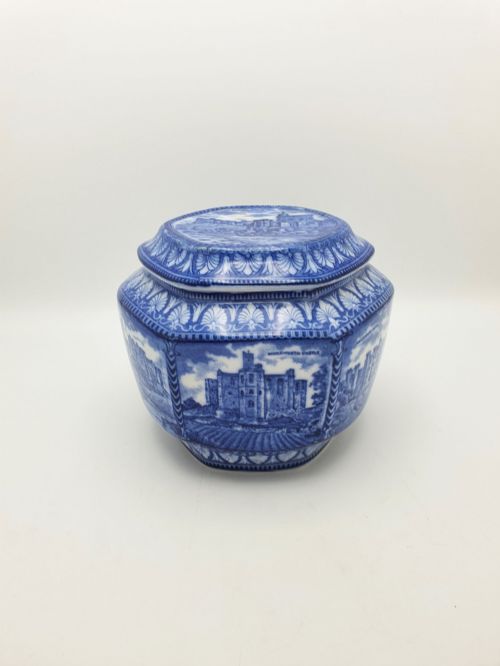
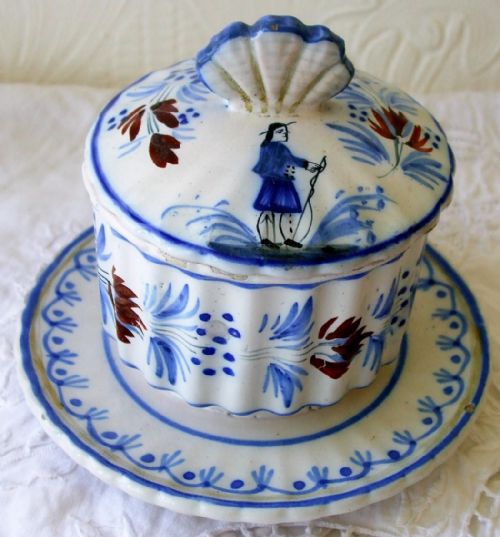
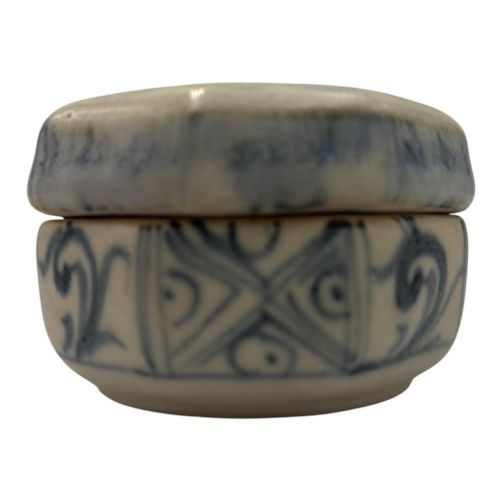
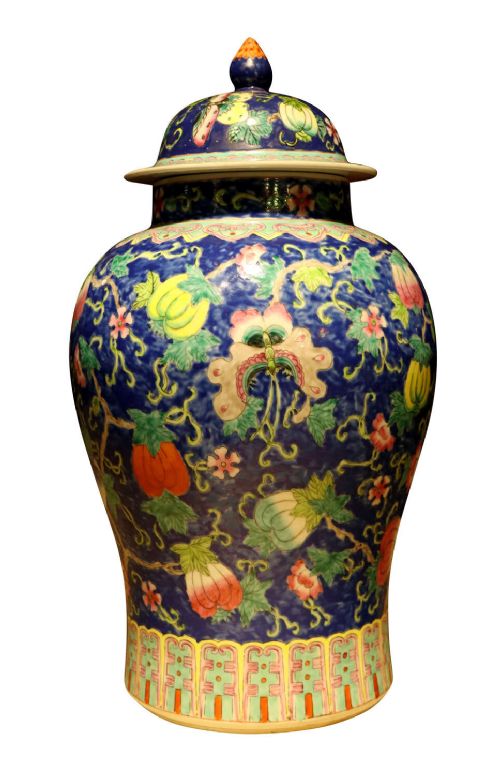
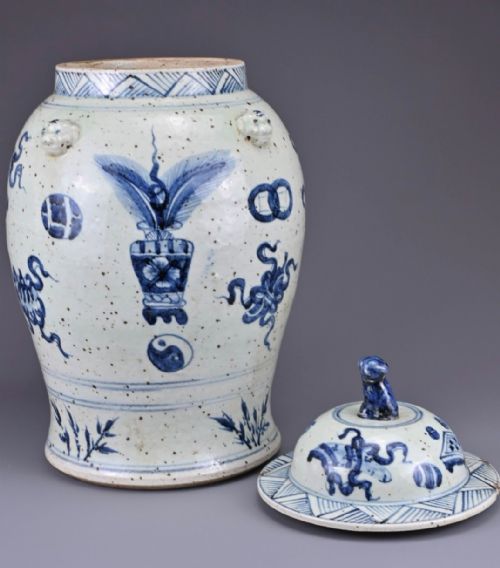
A blue ceramic lidded jar spans ginger jars, baluster vases with covers, and tobacco jars originating from Chinese kilns, European factories, and Japanese workshops.
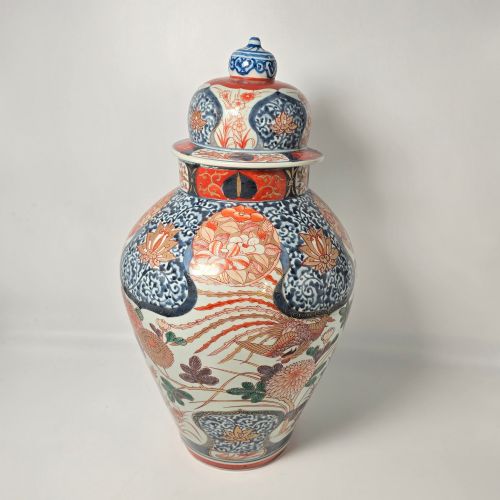
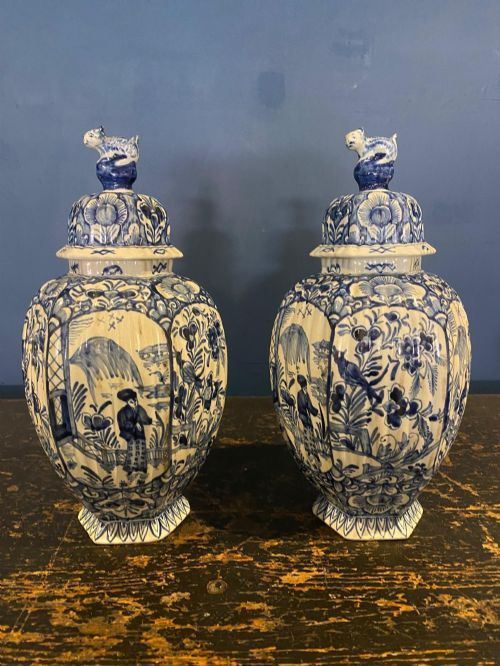
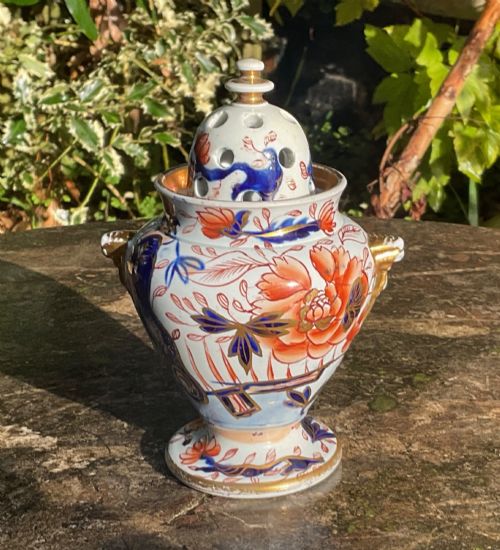
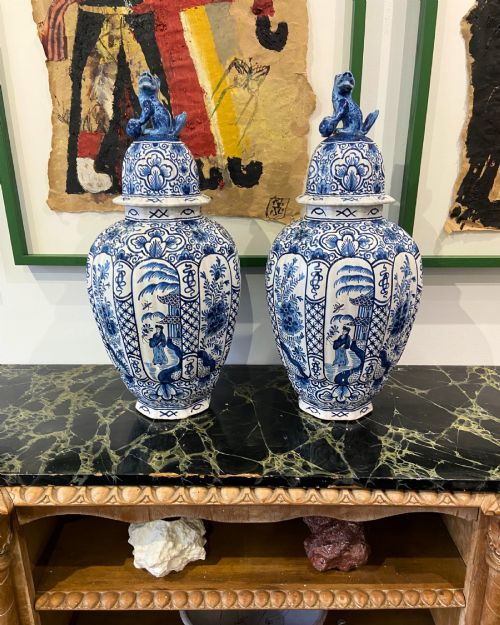
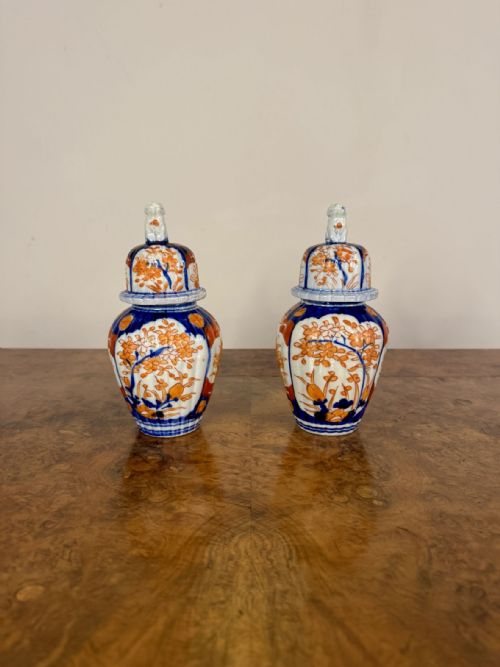
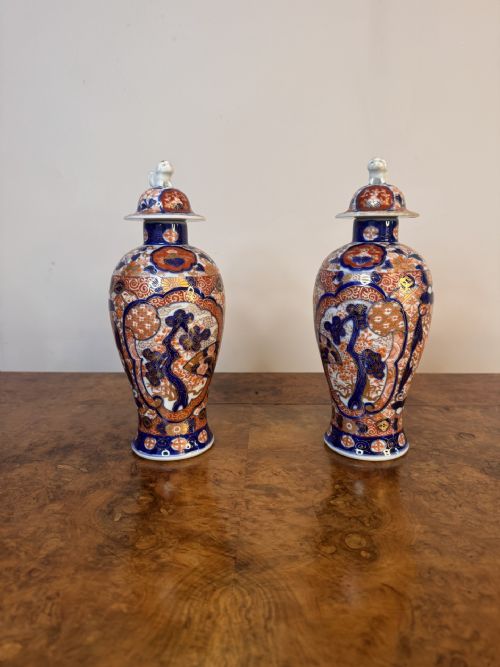
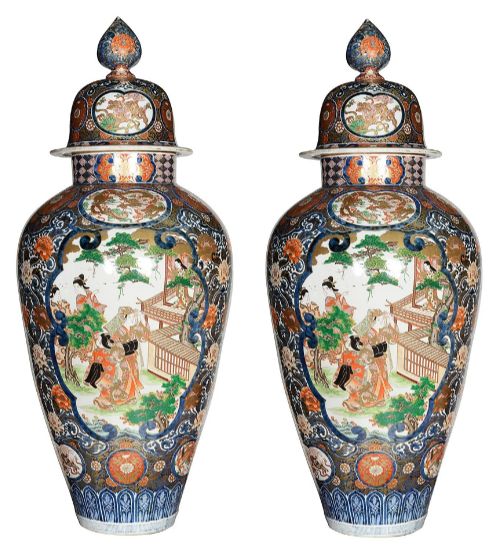
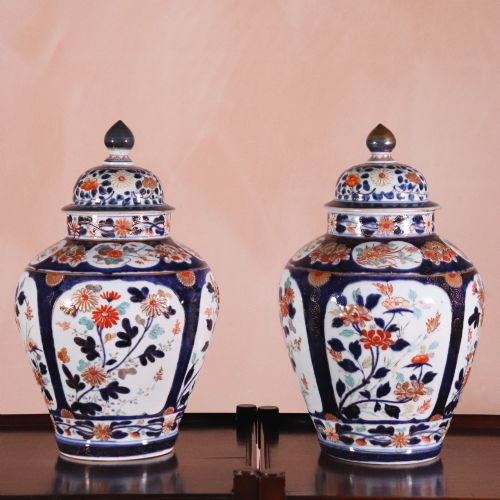
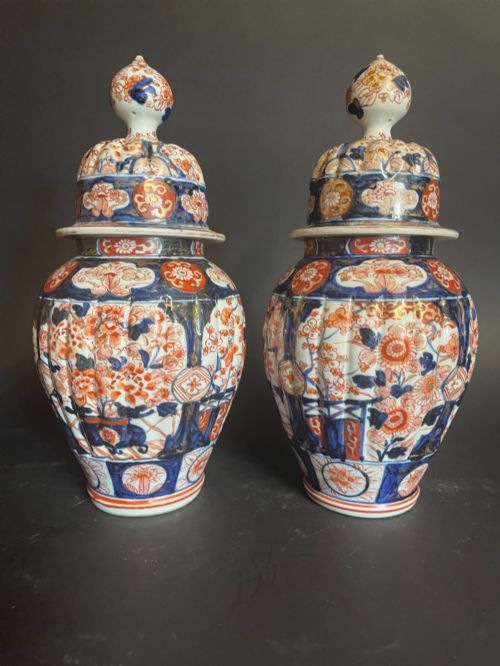
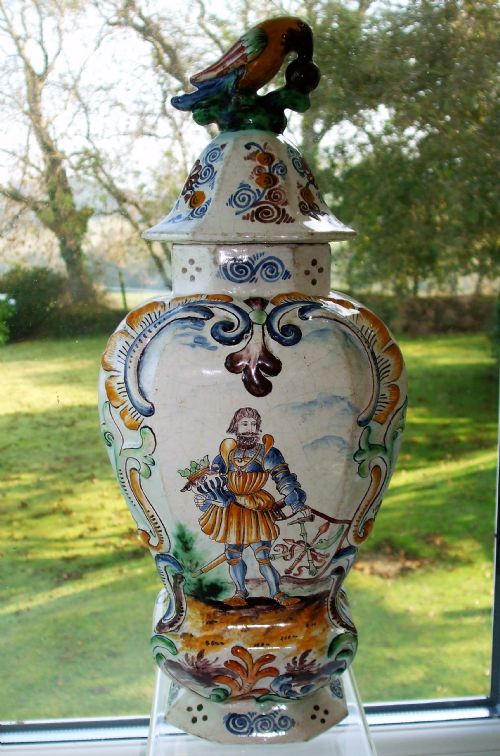
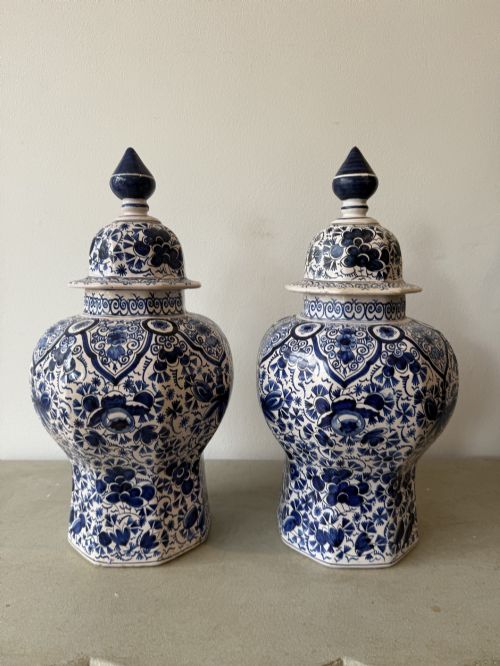
The versions most commonly met on this page include Japanese Imari pieces from the nineteenth century alongside eighteenth-century Dutch Delftware and English ironstone wares.
Makers shaped these vessels for storage and display, employing forms that range from octagonal profiles to tall lidded urns.
Materials and Technique
Potters shaped porcelain and earthenware bodies on the wheel or pressed them in moulds before applying tin-glaze or transparent finishes.
Artisans painted cobalt blue pigments directly onto the clay body or over an opaque white ground, sometimes adding gold leaf or enamel details before a final kiln firing.
Blue Ceramic Lidded Jar Retail Price Guide 2026
Typical asking prices for blue ceramic lidded jar among the pieces listed under this phrase on Sellingantiques today, from the lower quarter to the upper quarter. They describe what is for sale here now, not the wider market.
Several jars retain their original tightly fitted lids, having survived centuries without parting company from their proper tops.
Craft and Proportion
Quality rests in the crispness of the cobalt brushwork and the harmonious balance between the vessel body and its matching cover.
Fine examples show precise potting without distortion from the kiln, while simpler pieces reveal softer lines and heavier walls.
Royal Crown Derby·Coalport·Masons Ironstone·Wolfsohn Dresden
The Blue Ceramic Lidded Jar Glossary
- Imari
- A Japanese export porcelain style featuring cobalt blue, iron red, and gilt decoration. This palette developed in Arita and heavily influenced European potteries.
- Delftware
- Tin-glazed earthenware produced in the Netherlands, typically painted in blue with motifs inspired by Chinese porcelain.
- Ginger Jar
- A wide-mouthed storage jar with a domed cover originally used for shipping spices. Later periods adopted the form purely for decorative display.
- Ironstone
- A dense, durable type of earthenware patented in the nineteenth century as a tough alternative to porcelain. It takes blue and white transfer printing exceptionally well.
- Baluster
- A vase shape with a rounded lower body tapering to a narrower neck, often topped by a domed lid.
Blue Ceramic Lidded Jar: Frequently Asked Questions
What were blue ceramic lidded jars used for originally?
These vessels served primarily to store dry goods, ginger, tobacco, and medicinal herbs safely away from moisture and air.
Over time, wealthier households adopted them purely as decorative garniture sets on mantelpieces and tables.
How do I care for an antique lidded jar?
Dust the surface gently with a dry, soft cloth and avoid using harsh chemical cleaners or abrasive sponges that might harm the glaze.
Lift the cover with both hands separately from the body to prevent accidental chips along the rim.
How can I tell eighteenth-century Delft from later copies?
Early pieces display slight irregularities in the tin glaze, known as glaze pooling, along with a softer earthenware body beneath.
Twentieth-century reproductions usually feature heavier, more uniform white surfaces and sharply defined transfer-printed lines rather than hand painting.
Why do some jars have wooden stands?
Export pieces often travelled with custom-carved wooden bases designed to elevate the ceramic profile and protect delicate bases.
These stands became integral accessories, particularly for Chinese and Japanese porcelain displayed in European interiors.