





Blue Ceramic Flask
These blue ceramic flask examples are vessels spanning multiple centuries, offering collectors distinct forms from global traditions.
Blue Ceramic Flask
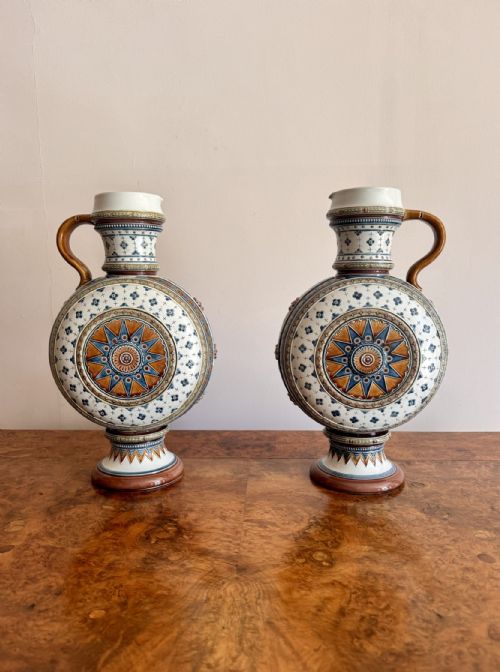
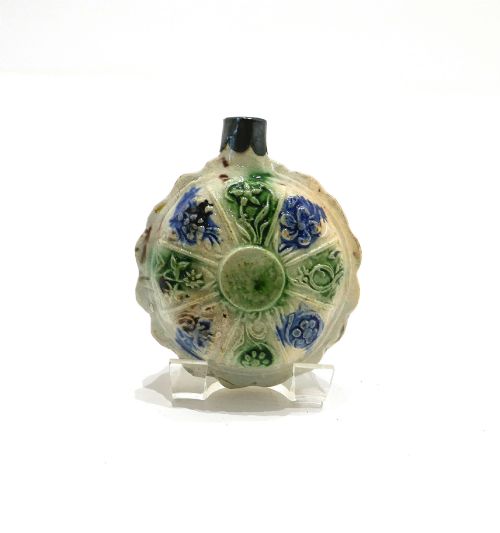
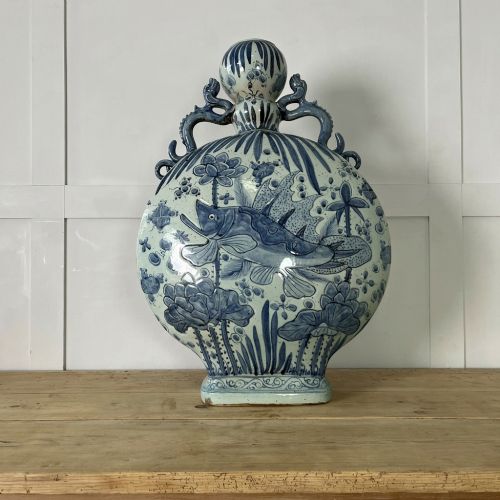
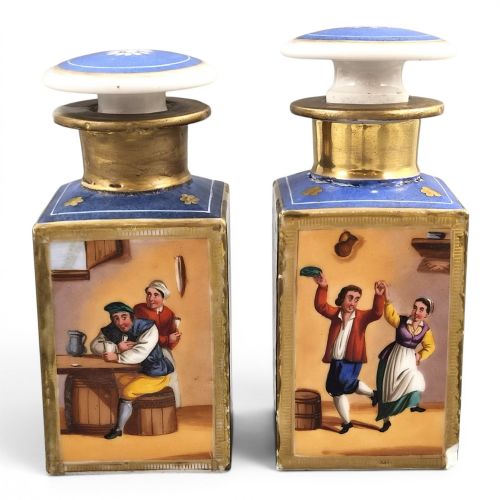
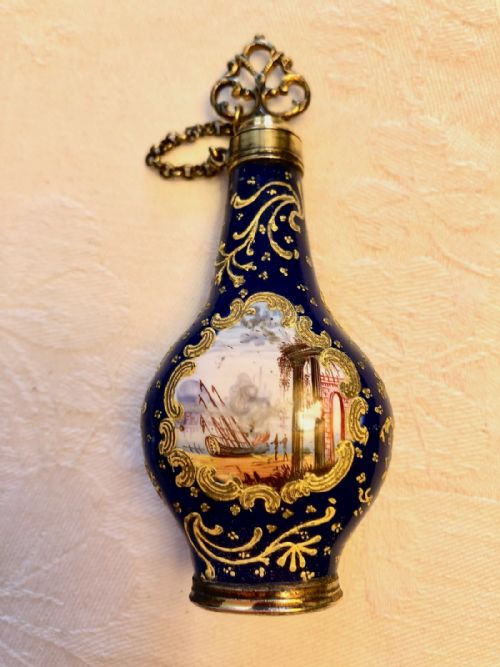
When searching for a blue ceramic flask, a buyer encounters a diverse group of vessels spanning several centuries. The selections range from 17th-century Japanese wine bottles to 19th-century French perfume bottles and Chinese style porcelain moon flasks. Forms include small scent bottles, decorative vessels, and larger bottle vases created across various international potteries.
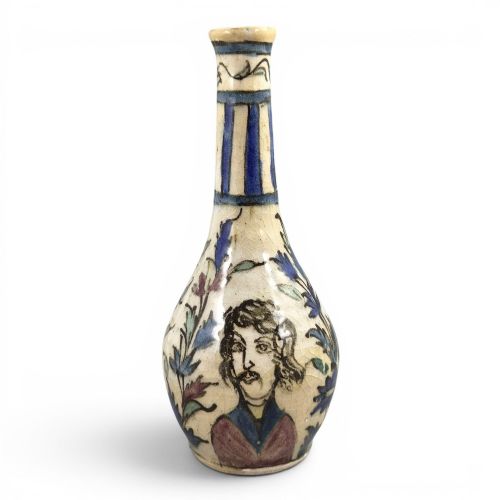
The versions most frequently met on this page originate from distinct historical periods such as the 18th century, the Georgian era, and the Victorian period. Pieces like the Lambeth pottery delftware bottle or the Qajar pottery bottle vase demonstrate the wide geographic spread of these items. Buyers also find miniature items like Edwardian Crown Staffordshire porcelain scent bottles alongside larger display pieces.
How they were made
Makers utilised materials such as porcelain, stoneware, and glazed ceramic to form these bodies. Fritware and enamel additionally appear on specific pieces, sometimes complemented by gold leaf detailing.
Surface decoration involves hand-painted scenes, portrait decoration, and pate sur pate techniques. These methods allow for intricate blue tones and detailed imagery across the ceramic surfaces.
Blue Ceramic Flask Retail Price Guide 2026
Typical asking prices for blue ceramic flask among the pieces listed under this phrase on Sellingantiques today, from the lower quarter to the upper quarter. They describe what is for sale here now, not the wider market.
Materials recorded across the inventory include porcelain, stoneware, fritware, and enamel alongside traditional glazes.
What varies in quality
The standard of painting and hand decoration defines the upper tier of these vessels. Precise brushwork in the blue pigments and carefully rendered pictorial scenes separate finer pieces from simpler productions.
The integrity of the glaze and the crispness of the moulded or thrown ceramic body also determine overall excellence. Well-preserved surfaces without heavy wear distinguish superior examples.
Villeroy & Boch·Jacob Petit·Crown Staffordshire·Doulton Lambeth·Minton
The Blue Ceramic Flask Glossary
- Moon flask
- A flat-sided spherical flask with a short neck and two small handles. This form draws on traditional Chinese moon flask shapes.
- Pate-sur-pate
- A ceramic decoration method where layers of liquid clay slip are built up to create a raised cameo effect. The technique requires considerable skill from the artisan.
- Kendi
- A spouted drinking vessel originating in Southeast Asia and produced for export. These vessels lack traditional handles and rely on the side spout for pouring.
Blue Ceramic Flask: Frequently Asked Questions
What is a blue ceramic flask?
A blue ceramic flask is a vessel created from materials like porcelain, stoneware, or earthenware, finished with blue glazes or painted decoration. These items encompass various historical forms including moon flasks, wine bottles, and scent bottles.
They reflect the diverse ceramic traditions of European, Asian, and Middle Eastern makers over several centuries. Each piece serves primarily as a decorative or collectible object rather than a utilitarian container.
How do I date a blue ceramic flask?
Dating relies on stylistic clues, glaze characteristics, and specific maker marks where present. Pieces from the 17th and 18th centuries often show different potting techniques compared to Victorian or Edwardian examples.
Examining the base and the cobalt blue pigments also helps determine the period of manufacture. Comparative study with known factory outputs clarifies the likely age.
How were these flasks used historically?
Many smaller examples functioned as personal scent bottles, perfume containers, or snuff bottles for daily use. Larger vessels served as wine bottles or purely decorative display pieces.
Export pieces made in Asia were often traded internationally for domestic display in European homes. Their varied forms catered to both practical storage and aesthetic display.
How should I display a ceramic flask?
Displaying these vessels requires a stable surface away from high-traffic areas to prevent accidental knocks. Placing them where natural light highlights the blue glazes enhances their visual appeal.
Keeping them out of direct, intense sunlight helps protect any delicate enamel work or gold leaf details. Grouping pieces by period or form can create an effective display.