





Blue Ceramic Centerpiece
A blue ceramic centerpiece anchors a dining table or sideboard with colour and presence, drawing the eye through painted cobalt and glaze.
Blue Ceramic Centerpiece
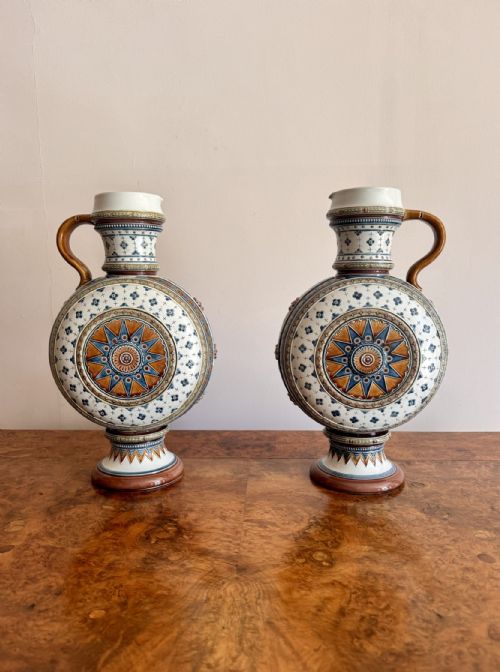
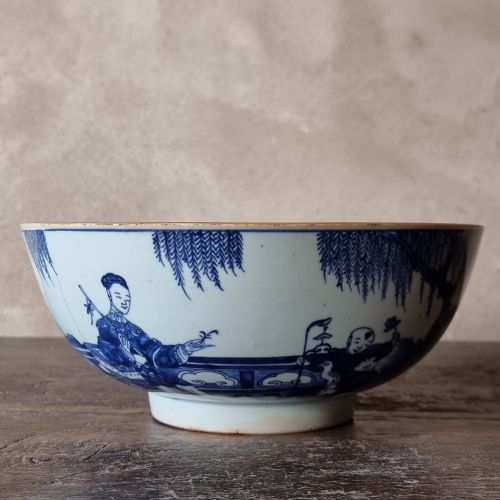
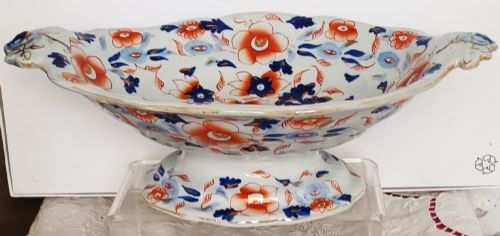
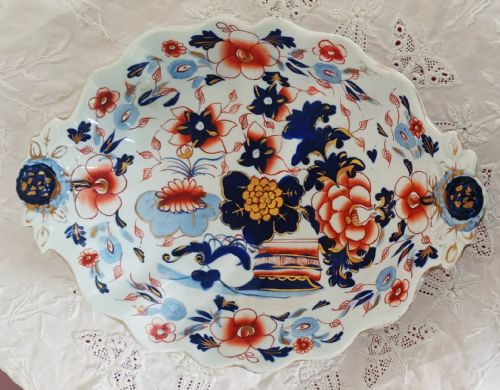
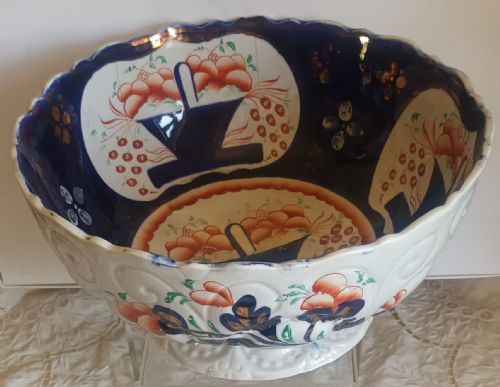
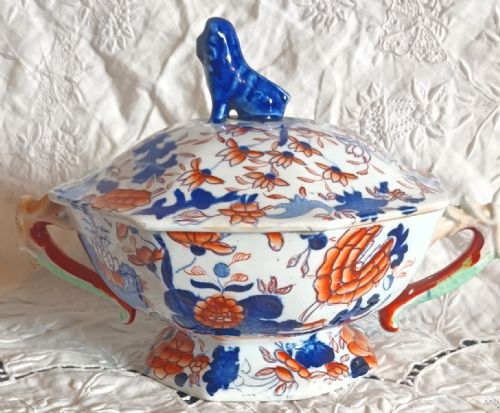
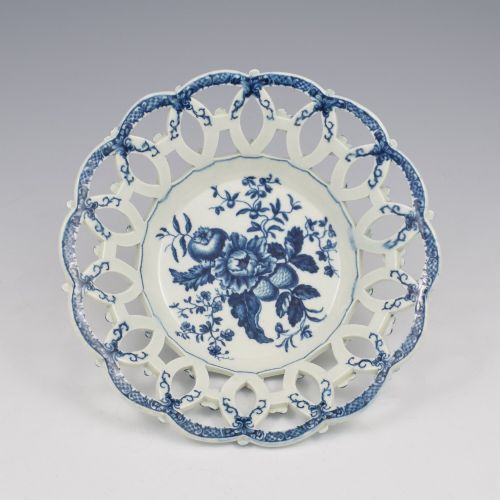
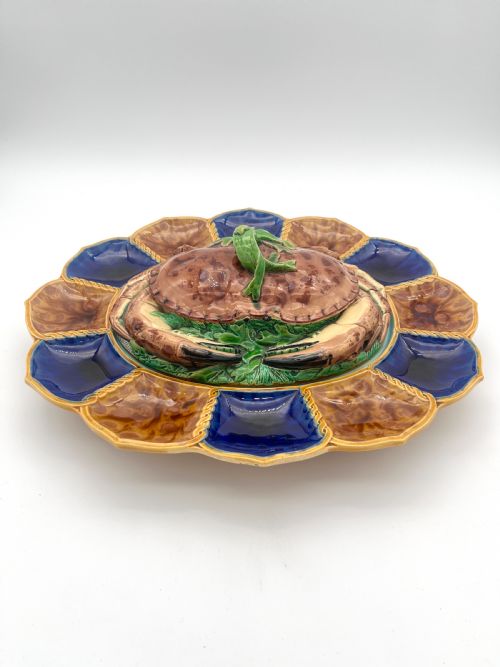
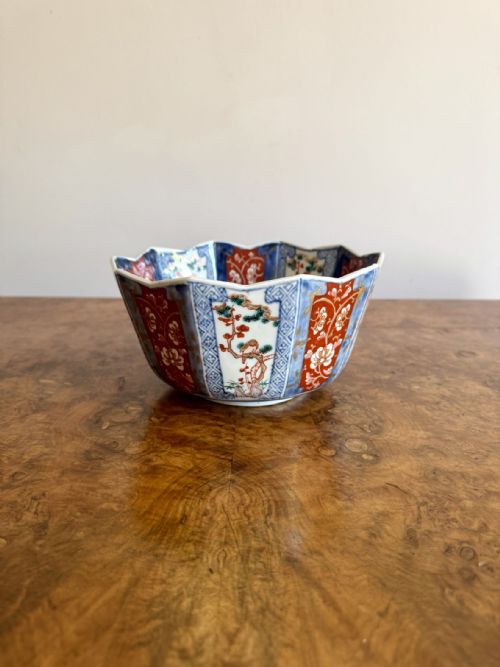
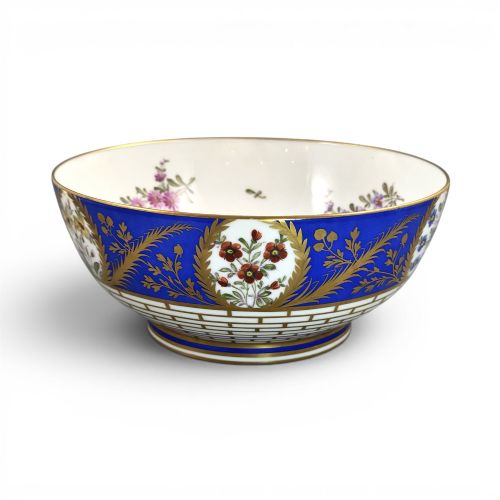
A blue ceramic centerpiece serves as a prominent table ornament, taking the form of large bowls, jardinières, comports, and tureens intended for display or service. These items originate across various eras and traditions, stretching from eighteenth-century Chinese export porcelain to nineteenth-century European earthenware and Japanese Imari porcelain.
The pieces appearing on this page span the eighteenth, nineteenth, and early twentieth centuries, encompassing Georgian, Victorian, Regency, and Art Deco styles. Buyers encounter footed bowls, transfer-printed fruit baskets, and heavily decorated punch bowls that reflect distinct regional tastes and pottery techniques of their period.
How they were made
Potters shaped these objects from earthenware, ironstone, and porcelain, applying rich cobalt blue pigments beneath or over the glaze before firing. Many examples incorporate hand-painted motifs, transfer-printing, or lustres to achieve deep tonal variation across the ceramic body.
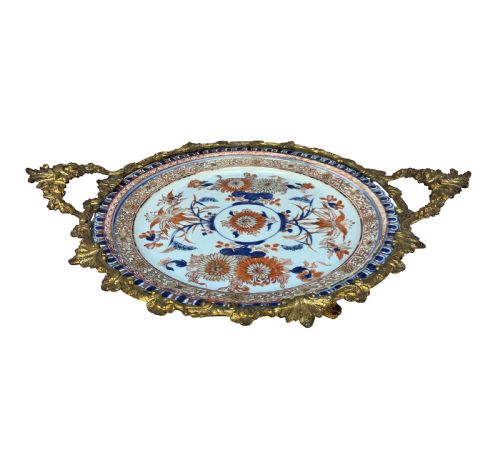
Certain vessels receive metal mounts in ormolu and gilt bronze, pairing ceramic bowls with cast brass frames that elevate the piece for formal dining rooms. Gold leaf and enamel accents further augment specific porcelain bodies, particularly on Japanese Imari and European cabinet pieces.
Blue Ceramic Centerpiece Retail Price Guide 2026
Typical asking prices for blue ceramic centerpiece among the pieces listed under this phrase on Sellingantiques today, from the lower quarter to the upper quarter. They describe what is for sale here now, not the wider market.
Listings feature periods spanning from the eighteenth century through the 1930s, incorporating porcelain, earthenware, and ironstone.
What varies in quality
The distinction between standard utility wares and exceptional table pieces rests in the clarity of the cobalt painting, the precision of the glaze, and the crispness of the moulded details. Hand-painted Chinese export and early English porcelain demonstrate brushwork control that elevates the visual depth of the blue motifs.
Structural additions such as ormolu mounts, cast handles, and intricate pierced rims indicate higher manufacturing ambition. Pieces bearing documented factory patterns or recognizable stylistic traits command greater attention from collectors than unsigned commercial output.
Minton·Mason's·Doulton Burslem·Wedgwood
The Blue Ceramic Centerpiece Glossary
- Comport
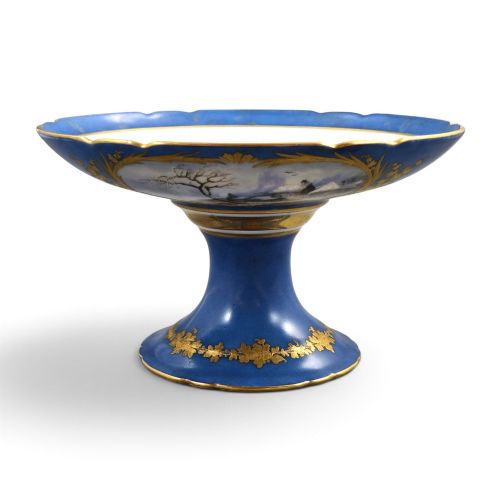
- A raised dish or bowl on a pedestal, used historically for serving fruit or sweets at the table. These vessels sit higher than standard bowls to create tiered table arrangements.
- Jardinière
- A large ornamental pot or bowl designed to hold live plants or floral arrangements. They appear frequently in ceramic and earthenware bodies.
- Imari
- A style of Japanese porcelain decorated in underglaze blue, iron red, and gilt, widely exported to Europe from the seventeenth century onward. The palette is distinct and highly recognizable.
- Tureen
- A deep covered bowl used for serving soup, punch, or other foods at formal meals. Many surviving examples function primarily as decorative centrepieces due to their scale.
- Transfer-printing
- A mechanical decorating technique where an engraved copper plate transfers a design onto paper and then onto the ceramic surface before glazing. This method allowed consistent reproduction of complex blue and white patterns.
Blue Ceramic Centerpiece: Frequently Asked Questions
What is a blue ceramic centerpiece used for?
These vessels serve primarily as decorative focal points on dining tables, sideboards, or entrance halls. Historically, they held fruit, punch, or floral arrangements during formal gatherings.
Today, collectors use them to add historical weight and colour to interior spaces. Their large scale makes them suitable for standalone display or holding seasonal arrangements.
How do I date a blue ceramic centerpiece?
Dating relies on identifying the underlying material, factory marks, and stylistic clues such as glaze characteristics and decorative motifs. Georgian and Victorian pieces often exhibit specific ironstone weights or hand-painted cobalt styles.
Comparing the potting technique and form against documented periods like Meiji or the eighteenth century helps narrow the origin. Maker marks, where present, provide the most direct confirmation of age.
Are these centerpieces waterproof?
Many ceramic bowls and jardinières can hold water for floral displays, particularly glazed porcelain and ironstone pieces. However, older earthenware or pieces with delicate overglaze enamel require cautious handling.
Enameled or gilded surfaces should avoid prolonged contact with water to prevent degradation of the pigments. Using a protective liner inside antique bowls safeguards the interior glaze.
How do I clean and care for an antique bowl?
Cleaning requires gentle washing with warm water and a mild detergent using a soft cloth. Harsh scouring pads or abrasive cleaners will scratch the glaze and damage painted decoration.
Items with ormolu mounts or gilt bronze elements need particular care to keep moisture away from the metal joints. Regular dusting with a dry cloth is usually sufficient for maintenance.