

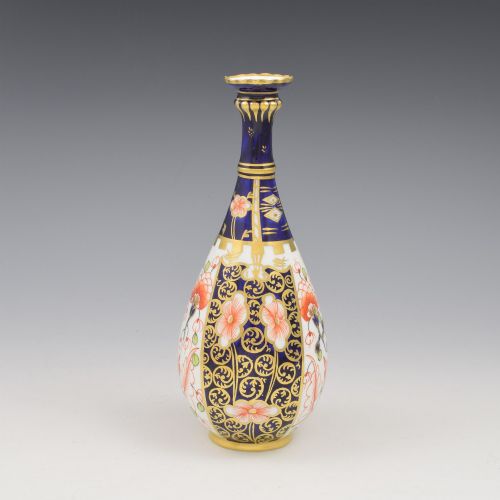
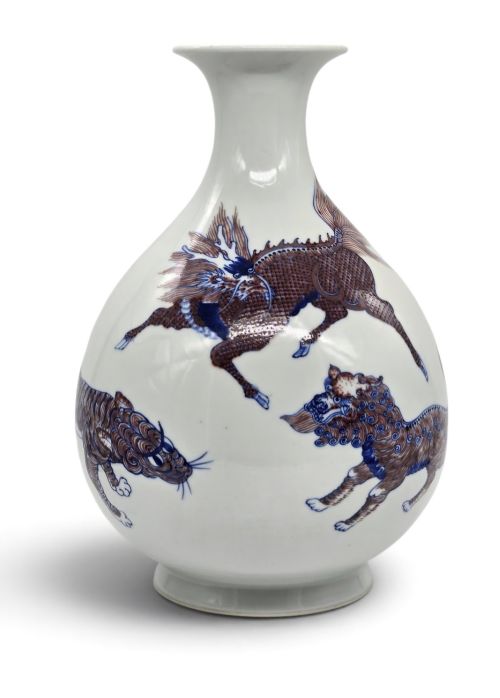
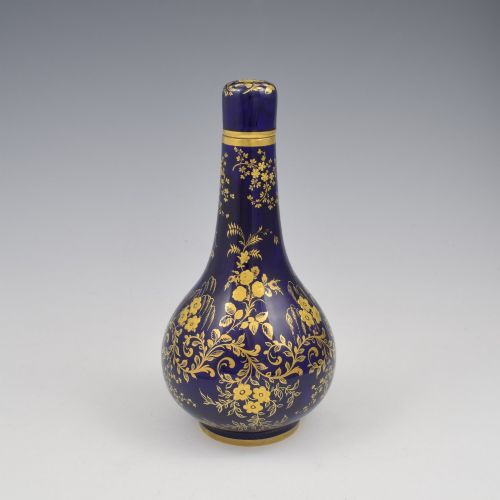
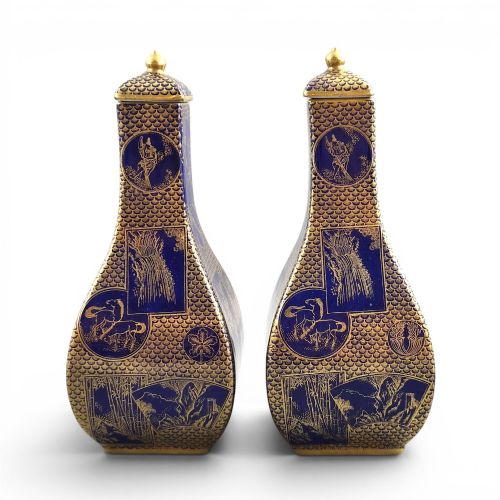



Blue Ceramic Bottle
A blue ceramic bottle brings centuries of global pigment and wheel-thrown form into the room, offering both decorative presence and historic utility.
Blue Ceramic Bottle
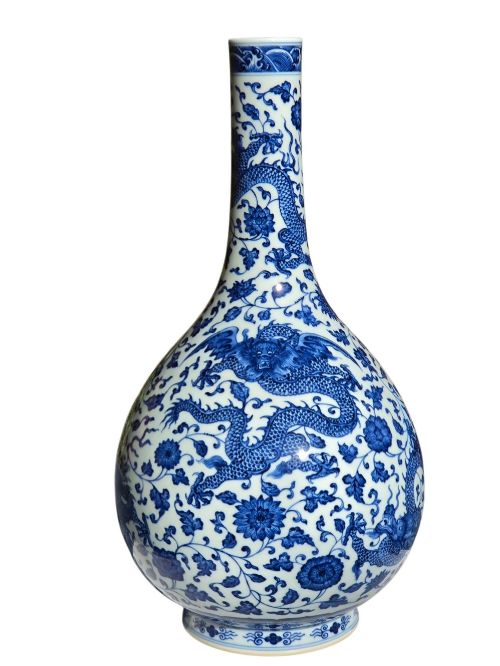
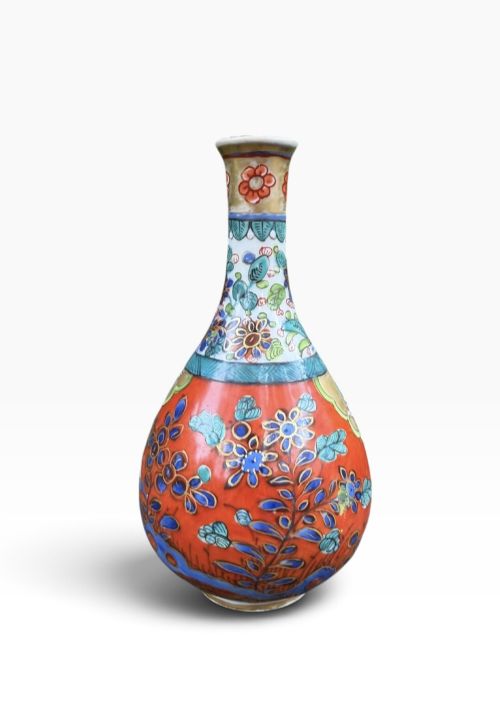
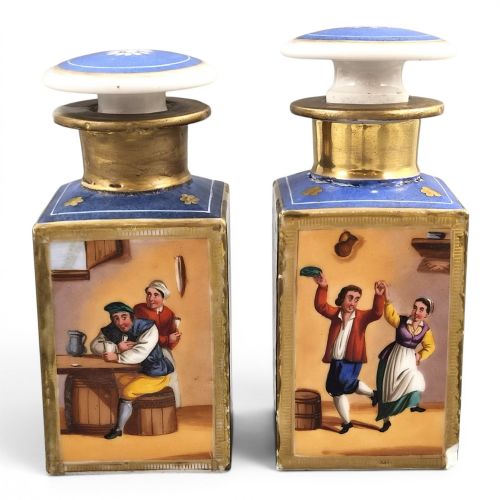
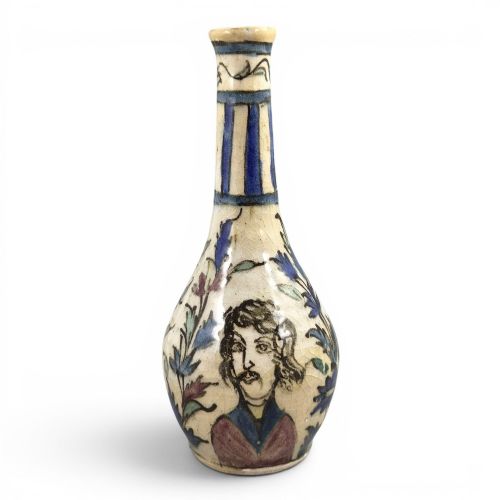
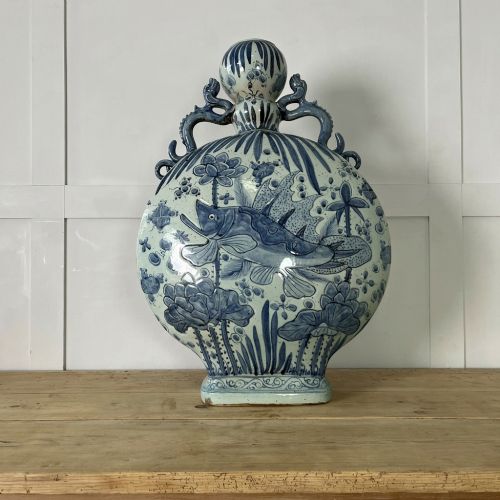
When you search for a blue ceramic bottle, you encounter a diverse range of vessels spanning the seventeenth to the twentieth centuries, originating from English potteries, European factories and Asian kilns. The selection on this page centres heavily on nineteenth-century pieces alongside notable eighteenth-century and earlier examples.
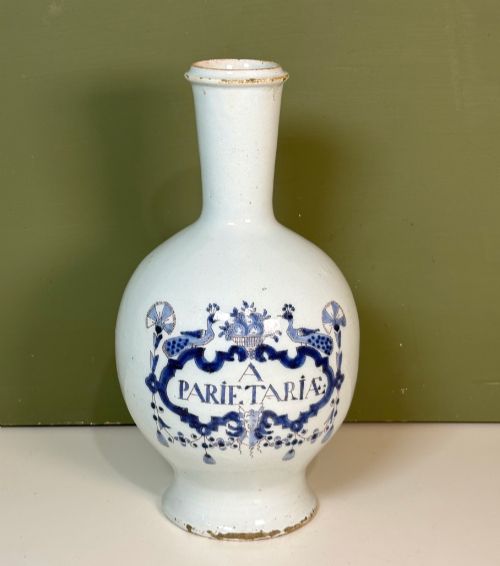
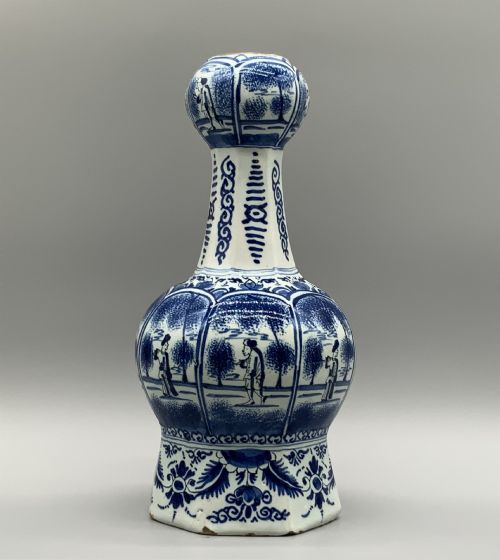
The forms vary widely from apothecary jars and drug dispensary bottles to delicate perfume vials, scent bottles, and large decorative vases. Chinese blue and white porcelain, Japanese Imari, Dutch Delft, and English ironstone dominate the physical inventory.
Utilitarian vessels share space with highly ornate cabinet pieces, reflecting both domestic apothecary storage and elite interior display across different cultures and eras.
How they were made
Potters shaped these vessels using porcelain, tin-glazed earthenware, and faience, frequently applying cobalt glaze directly to the body before firing to achieve deep blue tones. Many pieces integrate secondary decoration through enamel, gold leaf, and incised detailing.
Specialised techniques such as underglaze painting required immense precision from the artisan, as the porous raw clay absorbed the pigment instantly upon application. Subsequent high-temperature firings locked the metallic oxides into the glaze, creating permanent vitrified surfaces.
Blue Ceramic Bottle Retail Price Guide 2026
Typical asking prices for blue ceramic bottle among the pieces listed under this phrase on Sellingantiques today, from the lower quarter to the upper quarter. They describe what is for sale here now, not the wider market.
Some nineteenth-century scent bottles preserve traces of floral perfumes sealed in for nearly two hundred years.
What varies in quality
Quality rests upon the crispness of the underglaze brushwork, the purity of the ceramic body, and the complexity of the painted narrative scenes. Master painters achieved exceptional shading and depth, whereas lesser examples show heavy, hurried lines.
The sophistication of the glaze chemistry also determines value, distinguishing smooth, even surfaces with rich cobalt distribution from cloudy or pitted finishes.
Mason's·Jacob Petit·Crown Staffordshire·Doulton Lambeth·Flight, Barr and Barr·Minton
The Blue Ceramic Bottle Glossary
- Albarello
- A type of majolica earthenware jar used by apothecaries to store dry drugs and ointments. These tall, waistless vessels typically feature distinct painted blue decoration.
- Underglaze
- A method of decorating pottery where pigments are applied directly to the unfired ceramic body before glazing and firing. This technique protects the design beneath a glassy protective layer.
- Imari
- A style of Japanese porcelain exported widely from the port of Imari, traditionally featuring underglaze blue combined with iron red and gilt details. It remains celebrated for its vibrant palette.
- Delftware
- Tin-glazed earthenware produced in the Netherlands and England, particularly noted for mimicking Chinese blue and white porcelain. The opaque white surface receives cobalt blue painting before a final clear glaze.
- Garniture
- A set of three or more matching vases or vessels designed to be displayed together on a mantelpiece or cabinet top. They were popular in grand interiors from the seventeenth century onwards.
Blue Ceramic Bottle: Frequently Asked Questions
What were blue ceramic bottles originally used for?
Many of these vessels served practical roles in apothecary shops and pharmacies, containing liquid medicines, dry herbs, and chemical compounds. Others functioned as perfume containers, wine vessels, or purely decorative cabinet items.
Over time, their roles shifted from utilitarian storage in clinical or domestic spaces to prized decorative centrepieces in elite European and Asian interiors.
How do I distinguish eighteenth-century pieces from nineteenth-century ones?
Differentiation relies upon examining the clay body, the formulation of the glaze, and the specific style of the painted motifs. Earlier pieces often display heavier bodies and distinct cobalt hues unique to period kilns.
Consulting reign marks, maker stamps, and stylistic cues helps narrow down the exact decade of manufacture.
How should I care for an antique ceramic bottle?
Display these delicate vessels away from direct sunlight and areas subject to sudden temperature fluctuations to protect fragile glazes and enamel additions. Gentle dusting with a dry, soft cloth is usually sufficient for routine maintenance.
Avoid using water or cleaning solutions, particularly on pieces with exposed earthenware bodies or metallic leaf.
Why do some bottles feature apothecary labels while others show scenic views?
Inscribed bottles served a functional purpose in medical dispensaries, clearly identifying specific ingredients for pharmacists. Scenic and narrative decorations, conversely, catered to the export market and domestic display.
Both types demonstrate the versatility of ceramic bodies as canvases for text, mythology, and landscape art.