
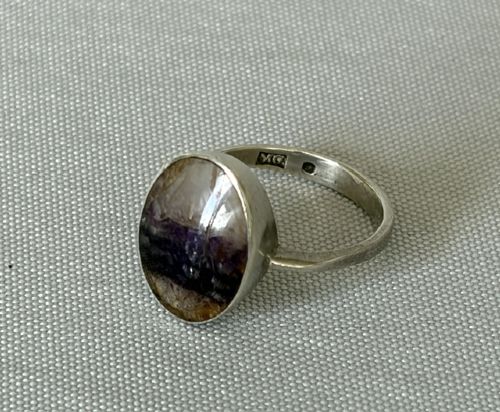
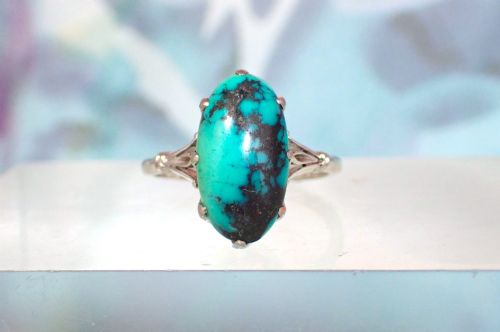

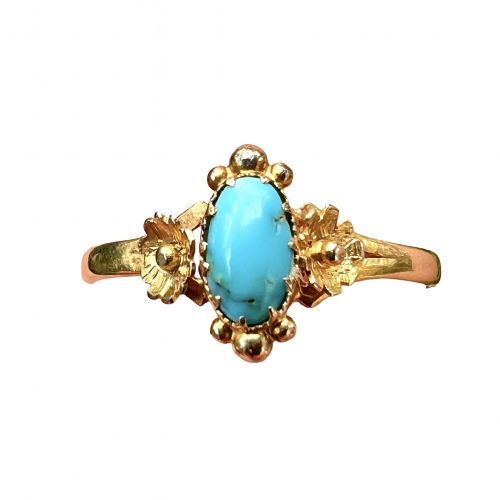
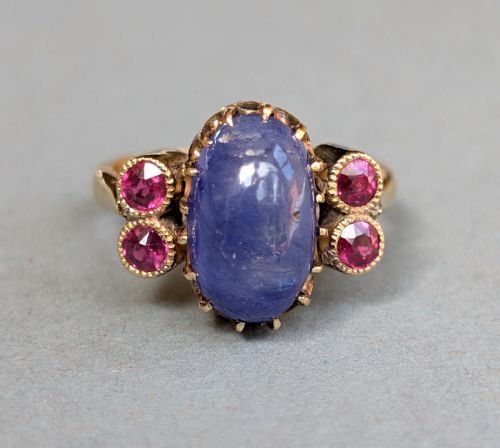


Blue Cabochon Ring
A blue cabochon ring brings together smooth, polished stones and precious metals across periods from the Victorian era to the mid-century.
Blue Cabochon Ring
The pieces span multiple eras, with Victorian, Edwardian, and Art Deco examples appearing alongside mid-century creations. Turquoise, moonstone, and various sapphires provide the characteristic blue and pale tones seen across these rings.
Materials and construction methods
Goldsmiths and platinum workers shaped these rings using high-carat yellow and white gold, alongside durable platinum and sterling silver settings. Stones are shaped into smooth domes rather than faceted facets, highlighting the natural depth of the material.
Diamonds often surround the central stone in cluster settings, utilising old-cut or rose-cut diamonds secured in platinum or gold claws.
The listings on this site span eight distinct periods, from the late nineteenth century through to the 1960s.
Quality factors in design and execution
The relationship between the central cabochon stone and its surrounding metalwork dictates the overall standard of a piece. Heavier gauge gold or platinum settings and well-matched diamond accents indicate careful workshop production.
The polish and symmetry of the central dome matter significantly, as smooth, unblemished surfaces display the colour and internal character of the sapphire, turquoise, or moonstone most effectively.
The Blue Cabochon Ring Glossary
- Cabochon
- A gemstone shaped and polished with a smooth, rounded surface rather than faceted edges. This cut is historically chosen for softer stones or those exhibiting optical phenomena like star sapphires.
- Cluster ring
- A jewellery design featuring a prominent central stone encircled by a border of smaller gems, typically diamonds. This arrangement maximises visual presence and light reflection.
- Rose cut
- A historic diamond cut featuring a flat base and a domed crown composed of triangular facets that culminate in a point. It imparts a soft, subtle shimmer compared to modern brilliant cuts.
Blue Cabochon Ring: Frequently Asked Questions
How do I care for a turquoise ring?
Turquoise is a softer, porous material that requires gentle cleaning with a soft cloth rather than chemical dips. Avoid exposing the stone to oils, cosmetics, and prolonged water immersion.
Storing the ring separately from harder gemstones prevents scratching to the polished dome.
What defines an Art Deco ring?
Art Deco rings utilise geometric lines, symmetry, and platinum or white gold settings. These pieces often contrast smooth cabochon sapphires with angular diamond arrangements.
The style reflects the design movements of the 1920s and 1930s.
Can I wear an antique ring daily?
Many antique rings incorporate sturdy metals like 18ct gold and platinum that withstand regular wear. Thinner Victorian bands or softer stones require more mindful handling during physical tasks.
Routine inspection by a jeweller ensures settings remain secure.
How do I identify a Victorian piece?
Victorian jewellery frequently employs yellow gold, distinct floral motifs, and hand-engraved details. Turquoise and rose-cut diamonds feature prominently in cluster and multi-stone arrangements from this period.
Maker's marks and hallmarks, where present, assist in confirming the era of manufacture.